What makes Castilla y León wine special?▼
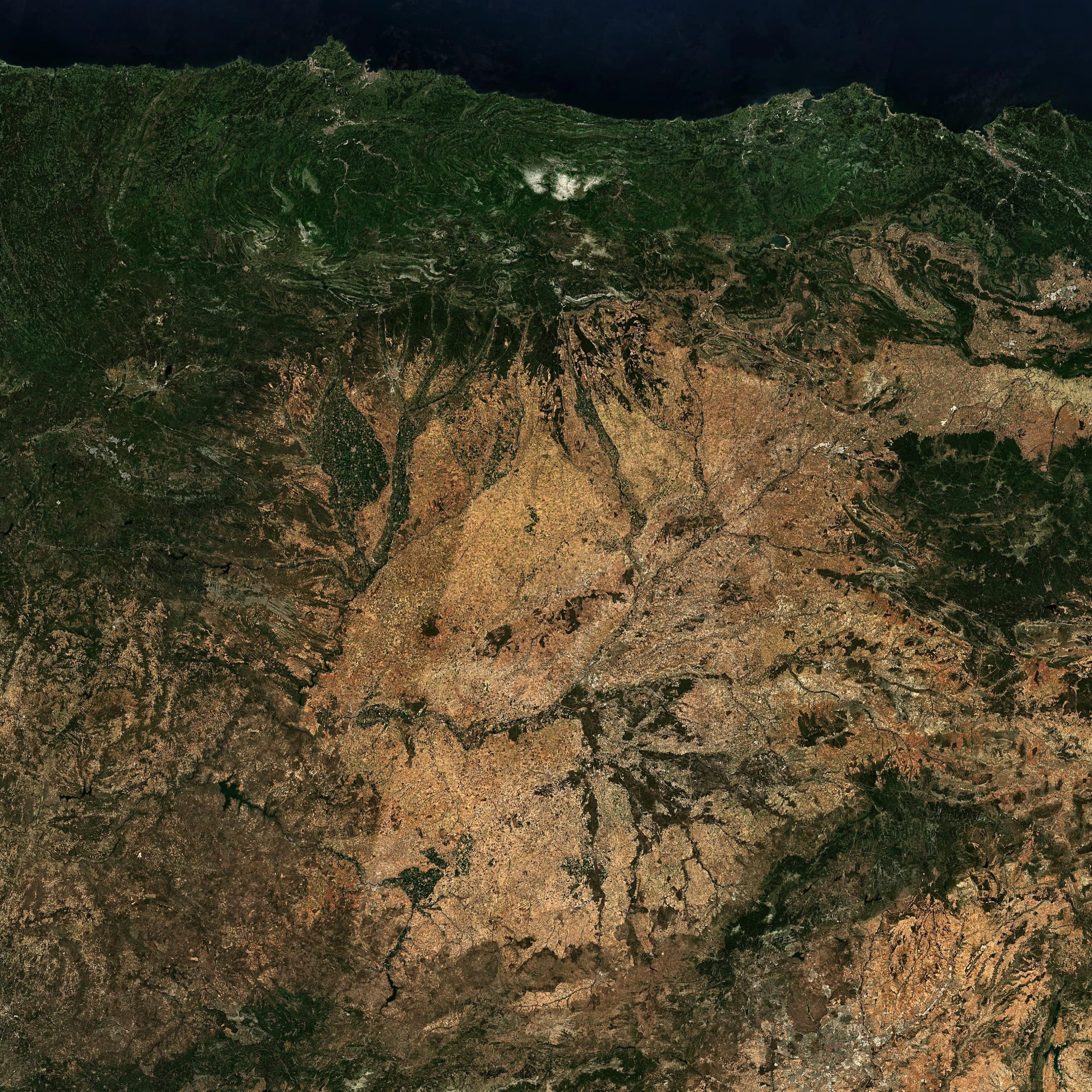
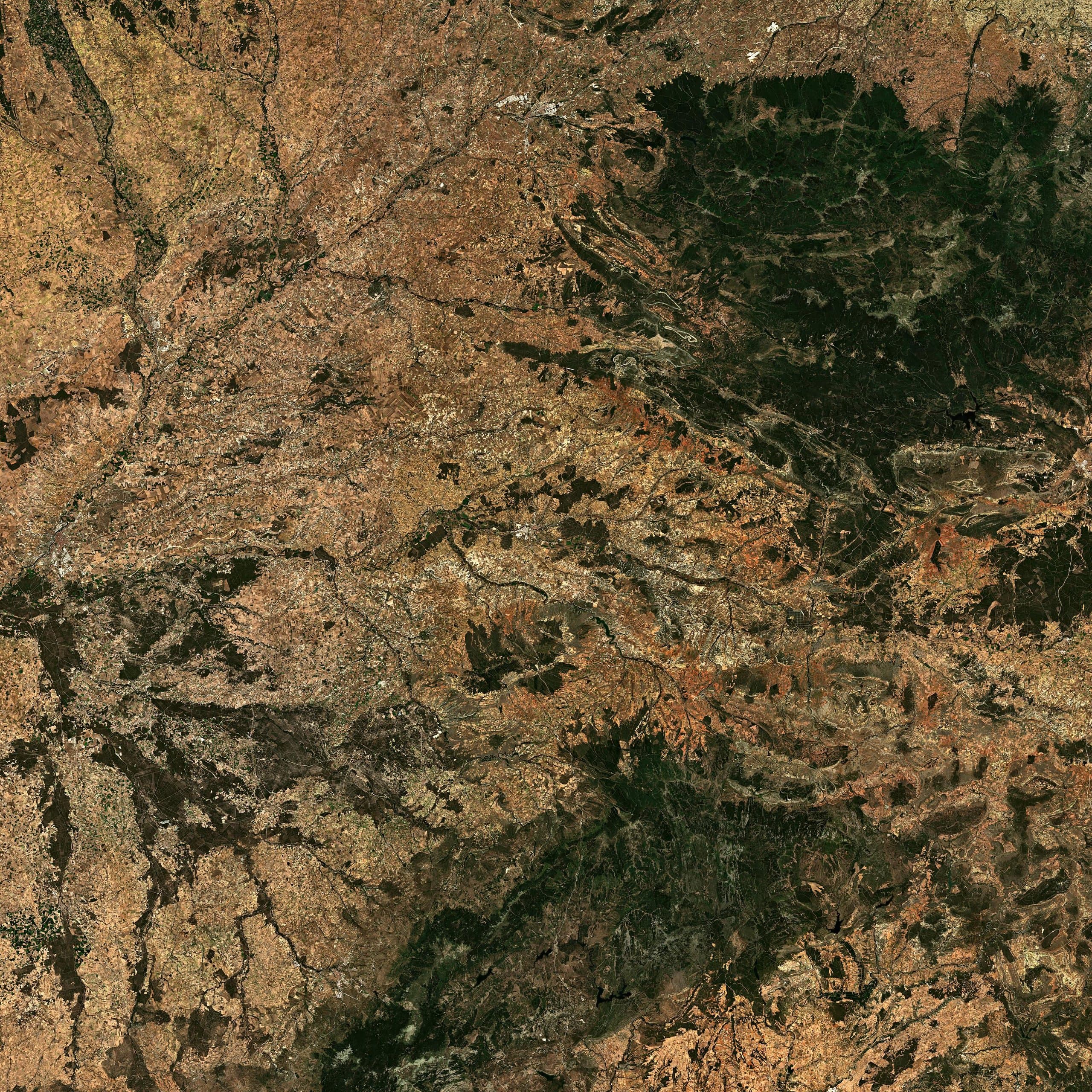
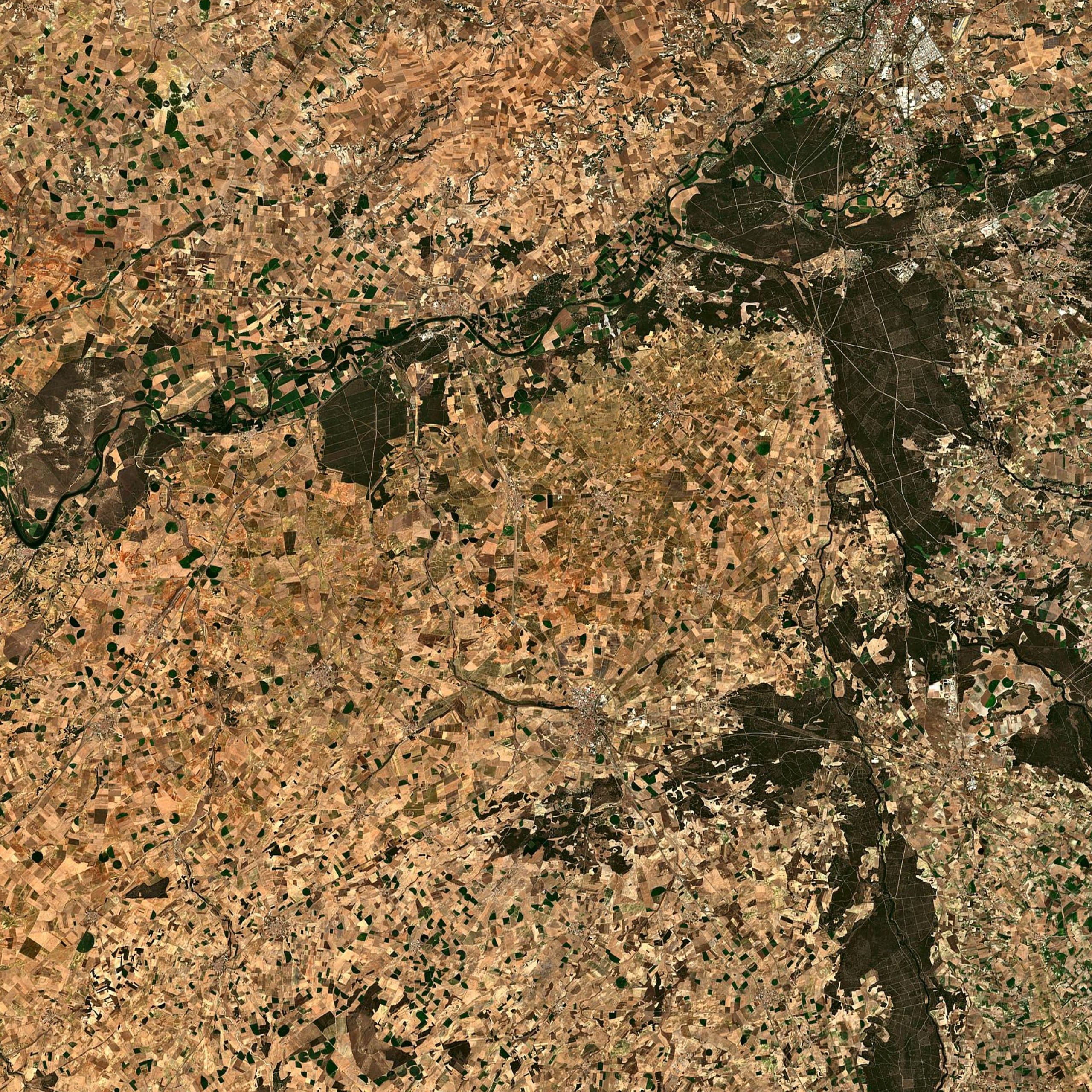
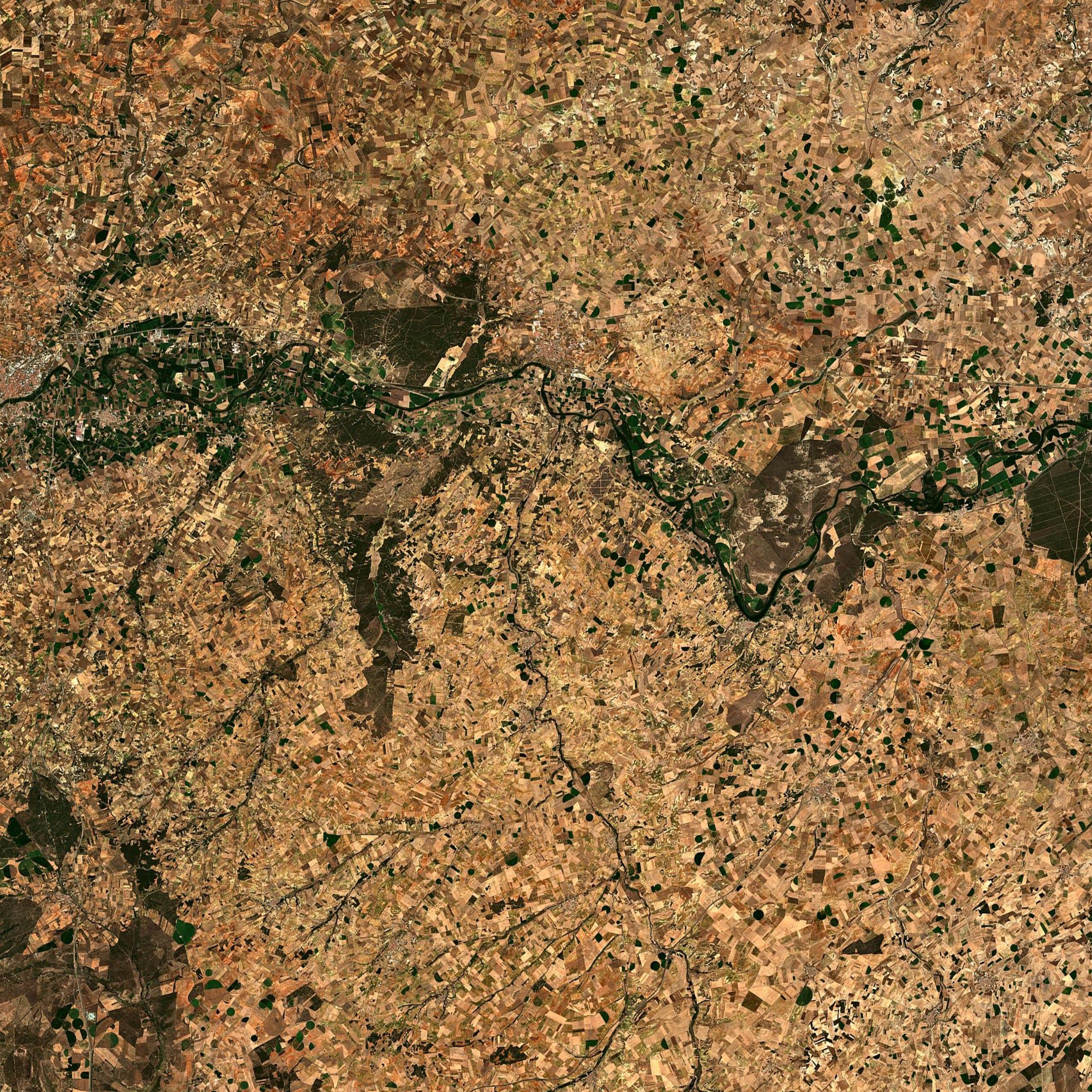
Castilla y León is Spain's largest wine region and home to some of the country's most prestigious appellations like Ribera del Duero and Rueda. The high altitude vineyards (many over 800 meters) combined with extreme continental climate create wines with incredible concentration and complexity. The region produces everything from world-class Tempranillo reds that rival Rioja to crisp Verdejo whites that are uniquely Spanish.
What are the best Castilla y León vintages?▼
For Ribera del Duero, 2010, 2012, and 2016 were exceptional years with perfect balance of concentration and freshness. The 2019 and 2020 vintages are also showing tremendous promise. In Rueda, 2018 and 2021 produced outstanding Verdejo whites with beautiful aromatics and mineral precision.
What grapes are grown in Castilla y León?▼
Tempranillo (called Tinto Fino locally) dominates the red plantings, especially in Ribera del Duero where it makes Spain's most powerful reds. Verdejo is the star white grape in Rueda, producing mineral-driven wines with herb and citrus notes. You'll also find Garnacha, Mencía in Bierzo, Sauvignon Blanc, and some international varieties like Cabernet Sauvignon and Merlot for blending.
What food pairs well with Castilla y León wines?▼
The powerful Ribera del Duero Tempranillos are perfect with roasted lamb, grilled steaks, and aged Manchego cheese - classic Castilian cuisine. Rueda's Verdejo whites pair beautifully with seafood, especially shellfish and white fish, plus lighter tapas. The region's wines also work wonderfully with jamón ibérico and other Spanish charcuterie.
How does Castilla y León compare to other major wine regions?▼
Castilla y León rivals Rioja for Spain's top red wine region, but with a more modern, fruit-forward style compared to Rioja's traditional oak-aged approach. Ribera del Duero produces more concentrated, powerful reds than most Bordeaux wines due to the high altitude and continental climate. For whites, Rueda has become Spain's answer to Sancerre, offering mineral-driven wines with distinctive Spanish character.