
New Zealand
Hawke's Bay
New Zealand wine regions
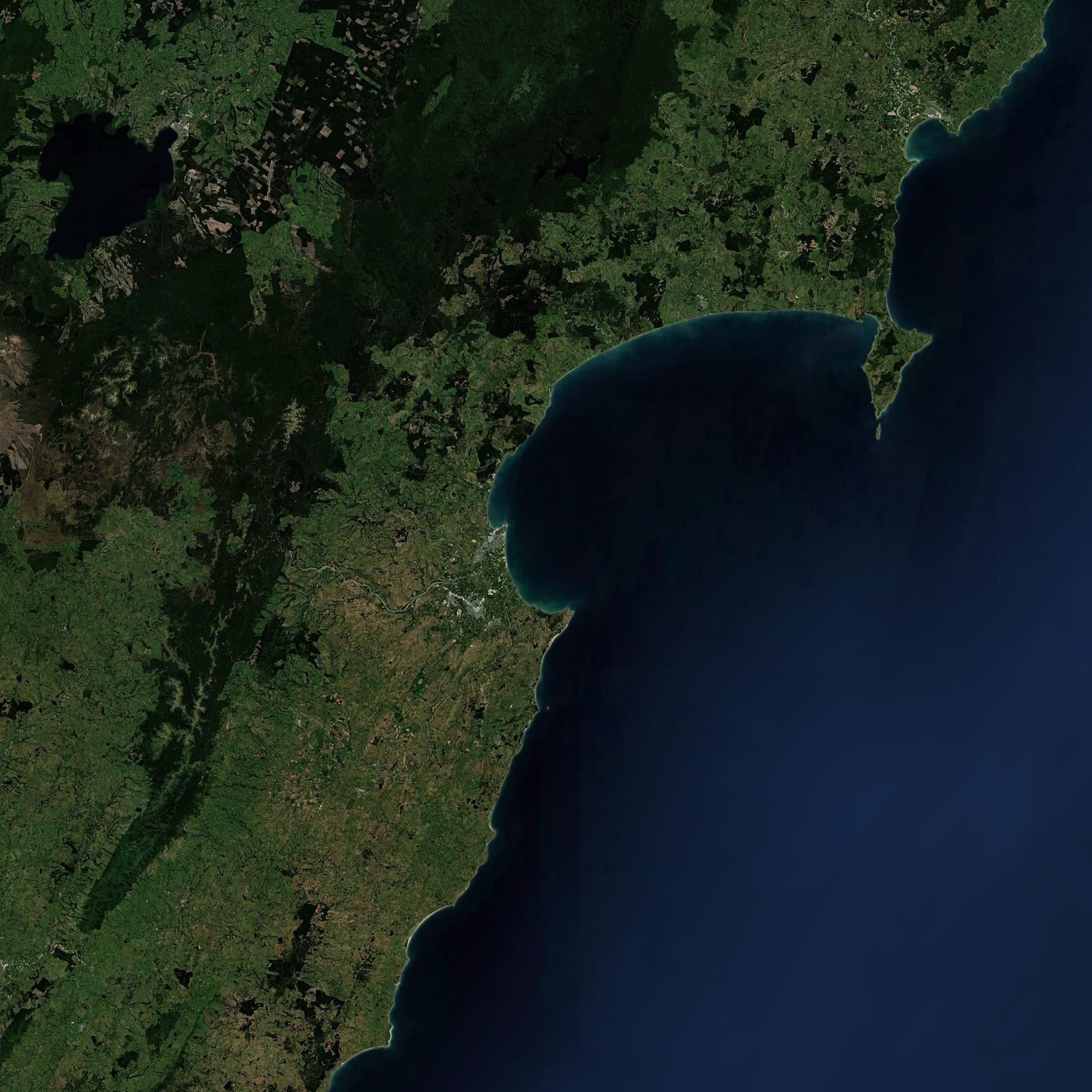
About Hawke's Bay
New Zealand wine regions
Vintages
36 · 1990–2025
Outstanding Hawke's Bay Vintages
The best recent vintages rated excellent or exceptional.
Red
GI & Districts
Classification System
New Zealand's GI (Wine and Spirits) Registration Act passed in 2006 and came into force in 2017. A registered GI on the label means at least 85 percent of the grapes grew in the named area. Famous district names like Gimblett Gravels are not GIs at all but privately held trademarks with their own, stricter rules.
Registered GI
Marlborough to Central Otago, 85 percent of the fruit from the named area
Nested GI
A registered area inside a larger one, like Bannockburn within Central Otago
Trademark district
Privately enforced names like Gimblett Gravels, which demands 95 percent from its gravel soils
What Hawke's Bay produces
Red
Peppery, violet-scented Syrah and polished Bordeaux-style blends from the Gimblett Gravels and Bridge Pa.
White
Full, fig-and-stone-fruit Chardonnay with a long local pedigree, plus rich Viognier and Pinot Gris.
Grapes of Hawke's Bay
Climate
Warm, dry maritime climate, often compared to Bordeaux in heat summation. Mountain ranges to the west shelter the bay from rain, sunshine hours are among New Zealand's highest, and sea breezes cool the afternoons. Nights stay mild inland on the gravels, which is exactly what the late-ripening reds need. Autumn rain is the gamble in cooler years.
Terroir
A patchwork of river country: the Ngaruroro river's old course left the Gimblett Gravels, 800 hectares of deep, stony, heat-soaking shingle, while the neighbouring Bridge Pa Triangle lays red-brown loam over the same gravels for plusher reds. Elsewhere there are limestone hills around Te Mata peak, coastal shingle, and fertile alluvial plains that feed the region's Chardonnay.
More in New Zealand
Frequently Asked Questions
What makes Hawke's Bay wine special?▼
What are the best Hawke's Bay vintages?▼
What grapes are grown in Hawke's Bay?▼
Is 2024 a good year for Hawke's Bay?▼
When should I drink Hawke's Bay 2024?▼
What food pairs well with Hawke's Bay wines?▼
How does Hawke's Bay compare to other major wine regions?▼
Map data: GI boundaries from the IPONZ Geographical Indications Register (Crown copyright, CC BY 4.0) · LINZ NZ Suburbs and Localities (CC BY 4.0) · District outlines © OpenStreetMap contributors (ODbL)