CorkCork
Tuscany

Tuscany

Italy

TuscanyTuscany

Italy wine regions

About Tuscany

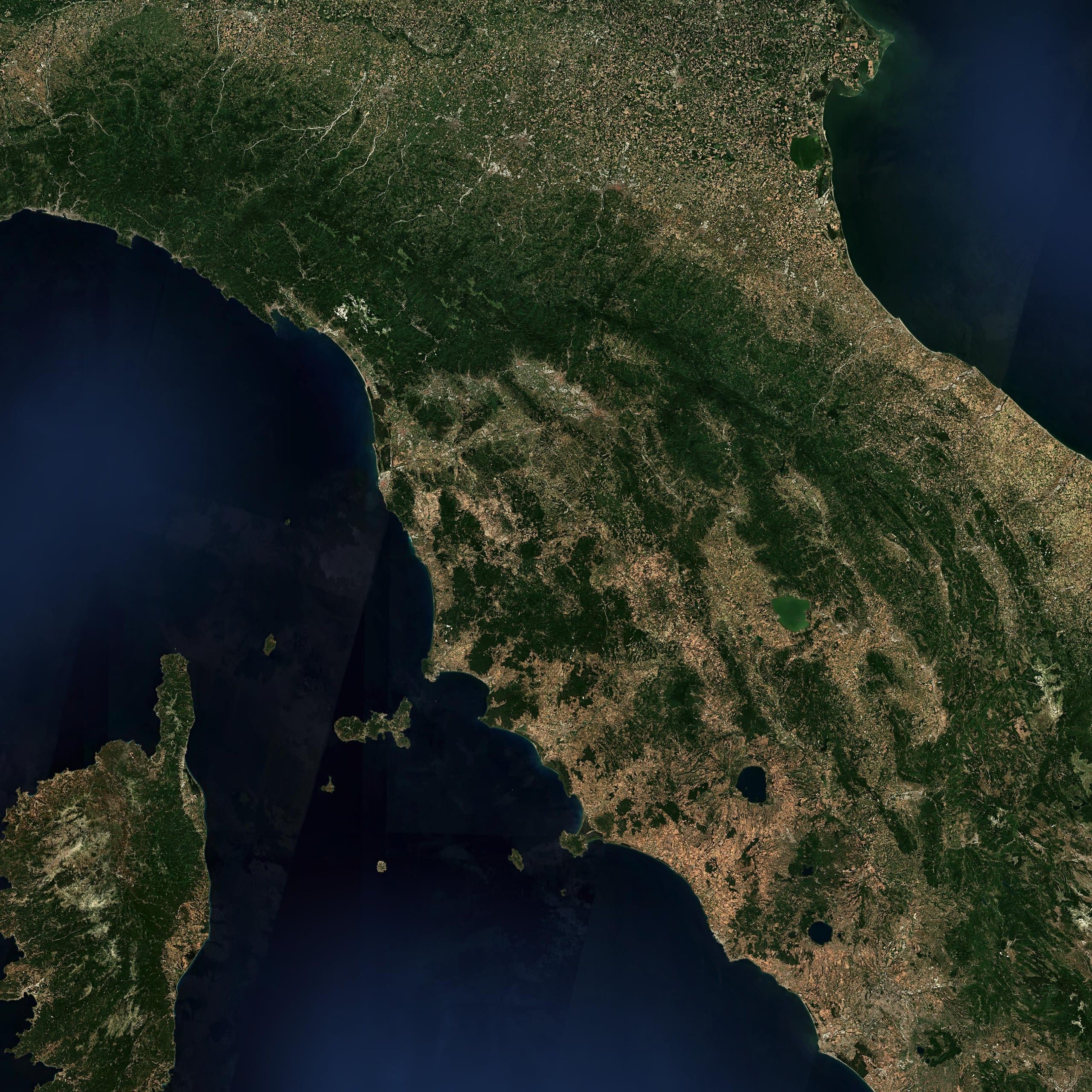
The heart of Italian wine culture, where Sangiovese reigns supreme across diverse terroirs. Brunello di Montalcino represents Sangiovese at its most powerful and age-worthy, requiring a decade or more to reveal its cherry, leather, and earthy complexity. Chianti Classico offers more immediate pleasure with its bright acidity and food-friendly character. The revolutionary Super Tuscans—blending Sangiovese with Cabernet and Merlot—created a new category of Italian fine wine. From medieval hilltop towns to sun-drenched slopes, Tuscany embodies the Italian philosophy of wine as an essential part of daily life.

-51518 m

Elevation range

redrosésparklingwhite

Wine styles

12 DOCGs

Avg. slope 8.2°

46 DOCs

Avg. slope 8.4°

Vintage Ratings

Rating:
95+
90-94
85-89
80-84
<80
PeakReadyHold
Year20242023202220212020201920182017201620152014201320122011201020092008200720062005200420032002200120001999199819971996199519941993199219911990
Red
White

Outstanding Tuscany Vintages

The best recent vintages rated excellent or exceptional.

Red

2023

Hold
92Excellent

Excellent vintage with concentration and elegance. Brunello shows classic dried cherry and spice.

2030Peak 203420432047

2022

Hold
93Excellent

Challenging heat and drought. Best sites with old vines maintained balance.

2028Peak 203220392042

2021

Almost ready
96Exceptional

Return to classic form. Elegant wines with fine tannins and vibrant acidity.

2027Peak 203320442055

2020

Almost ready
93Excellent

Very good vintage with ripe but balanced wines. Good concentration without excess.

2027Peak 203220422052

2019

Ready
97Exceptional

Outstanding vintage across all appellations. Perfect balance of power and finesse.

2026Peak 203420482052

2018

Ready
91Excellent

Excellent vintage with approachable tannins. Generous fruit balanced by good acidity.

2026Peak 203020402044

2017

Ready
90Excellent

Hot, dry vintage produced powerful but sometimes heavy wines. Best producers maintained freshness.

2024Peak 202820352038

2016

Ready
97Exceptional

Magnificent vintage, among the finest ever. Perfect ripeness with exceptional structure.

2025Peak 203220502055

2015

Ready
96Exceptional

Superb vintage with opulent, concentrated wines. Rich and powerful yet balanced.

2024Peak 203020462050

2013

Ready
92Excellent

Very good vintage with classical proportions. Firm structure and fine tannins.

2023Peak 202820402045

2012

Ready
93Excellent

Excellent vintage despite summer heat. Deep color and concentration.

2022Peak 202720382042

2011

At peak
91Excellent

Warm vintage with forward, approachable wines. Less structure than classic years.

2019Peak 202320302033

2010

Ready
97Exceptional

Outstanding vintage with perfect balance. Classical structure, fine tannins, exceptional longevity.

2020Peak 202820452050

White

2023

At peak
92Excellent

Very good vintage with excellent concentration. Fresh and expressive across varieties.

2024Peak 202420262027

2021

Past window
92Excellent

Classic vintage with excellent balance. Vernaccia shows typical almond notes.

2022Peak 202220242025

2020

Past window
92Excellent

Very good vintage with pure fruit expression. Drinking beautifully now.

2021Peak 202120232024

2019

Past window
92Excellent

Excellent whites with good structure. Some age-worthy Vernaccia.

2020Peak 202020222023

2016

Past window
92Excellent

Excellent whites, some still fresh. Top Vernaccia holding.

2017Peak 201720192020

2013

Past window
92Excellent

Very good vintage but drink by now.

2014Peak 201420162017

2010

Past window
92Excellent

Excellent vintage but past prime.

2011Peak 201120132014
Curious about Tuscany? Save it to your Discoveries and tick it off when you taste your first wine.

DOC & DOCG

Loading map...

Regional Appellations

Vin Santo

Traditional Tuscan dessert wine from dried Trebbiano and Malvasia grapes, aged in small sealed barrels for years. Made across the region.

Toscana IGT

The region-wide geographic indication used for wines outside DOC rules, including many acclaimed Super Tuscans.

Terroir & Character

Climate

continentaldrymediterranean

Mediterranean climate with warm, dry summers and mild winters. Significant diurnal temperature variation helps preserve acidity, while coastal areas benefit from maritime breezes and inland zones experience more continental influences.

Terroir

diverse soilsalberesegalestrowell-drainedclaylimestone

Diverse soils ranging from limestone-rich galestro and alberese in Chianti to volcanic clay in coastal areas. Rolling hills at 200-600 meters elevation provide excellent drainage and sun exposure, while ancient soils and varied microclimates create distinct expressions across different zones.

Typical Aromas

black cherrydried herbsleatherviolettobaccoearthy minerality
Explore the aroma wheel

Classification System

Tuscany blends the DOCG/DOC system with sub-classifications like Gran Selezione for Chianti Classico.

Gran Selezione

Top tier of Chianti Classico

Riserva

Extended aging requirements

DOCG

Controlled and guaranteed (Brunello, Chianti, etc.)

DOC

Controlled designation of origin

Notable Producers

Sassicaia (Tenuta San Guido)Original Super Tuscan
AntinoriHistoric house, Tignanello and Solaia
Biondi-SantiInvented Brunello di Montalcino
OrnellaiaBolgheri flagship
FontodiBenchmark Chianti Classico, Flaccianello
Isole e OlenaPure Sangiovese, Cepparello
Castello di AmaElegant Chianti Classico Gran Selezione
Le MacchioleBolgheri single-varietal wines

Grapes of Tuscany

Frequently Asked Questions

What makes Tuscany wine special?
Tuscany is the heart of Italian wine culture, where Sangiovese expresses itself across incredibly diverse terroirs. Brunello di Montalcino showcases Sangiovese at its most powerful and age-worthy, developing complex notes of cherry, leather, and earth over decades. The region perfectly balances tradition with innovation, creating wines that are both deeply rooted in history and exciting for modern palates.
What are the best Tuscany vintages?
Recent standouts include 2023, 2021, and 2020 - all rated 4/5 stars. The 2023 vintage shows excellent concentration and elegance, while 2021 returned to classic form with fine tannins and vibrant acidity. 2020 delivered very good balance with ripe fruit and good concentration without excess.
What grapes are grown in Tuscany?
Sangiovese absolutely dominates Tuscany and is the backbone of every major red wine there. You'll also find international varieties like Cabernet Sauvignon and Merlot in Super Tuscans, plus some Canaiolo and Colorino blended with Sangiovese. For whites, Vernaccia di San Gimignano and Trebbiano are the main players.
Is 2023 a good year for Tuscany?
Yes, 2023 was an excellent vintage rated 4/5 stars for both reds and whites. The reds show beautiful concentration and elegance, with Brunello displaying classic dried fruit characteristics. The whites are very good too, with excellent concentration and fresh, expressive profiles across the region.
When should I drink Tuscany 2023?
For Chianti Classico 2023, you can start enjoying them now through 2030-2032. Brunello di Montalcino 2023 needs much more time - wait until at least 2033-2035 and they'll age beautifully through the 2040s. The concentration and elegance of this vintage suggests they'll reward patience with incredible complexity.
What food pairs well with Tuscany wines?
Tuscan wines are made for the local cuisine - think grilled Florentine steak, wild boar ragu, and aged Pecorino cheese. Chianti Classico is perfect with tomato-based dishes and roasted meats, while powerful Brunello calls for game, braised short ribs, or truffle dishes. The high acidity in Sangiovese cuts through rich, fatty foods beautifully.
How does Tuscany compare to Bordeaux?
Tuscany's Sangiovese offers brighter acidity and more savory, earthy character compared to Bordeaux's richer Cabernet Sauvignon and Merlot blends. While Bordeaux focuses on power and structure, Tuscan wines emphasize elegance and food-friendliness. Both regions produce age-worthy wines, but Tuscany generally shows more immediate charm even when young.

Map data: vineyards.com, manually traced and edited