CorkCork
Piedmont

Italy

Piedmont

TuscanyTuscanyVenetoVenetoLombardyLombardyPugliaPugliaSicilySicilySardiniaSardiniaFriuliFriuliCampaniaCampaniaAbruzzoAbruzzoTrentinoTrentinoUmbriaUmbriaMarcheMarcheBasilicataBasilicataEmilia-RomagnaEmilia-RomagnaCalabriaCalabriaLiguriaLiguriaValle d'AostaValle d'AostaPiedmontPiedmont

Italy wine regions

About Piedmont

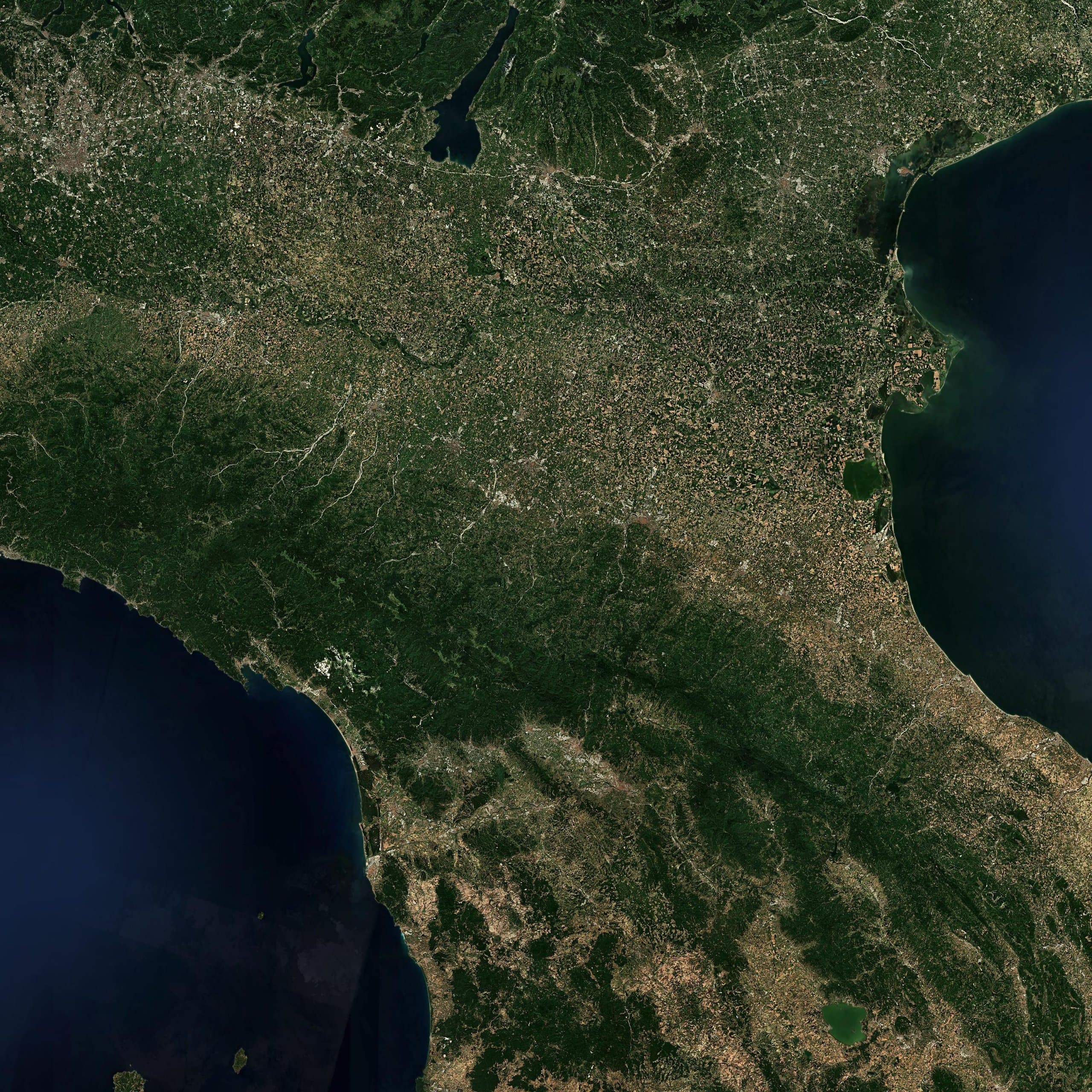
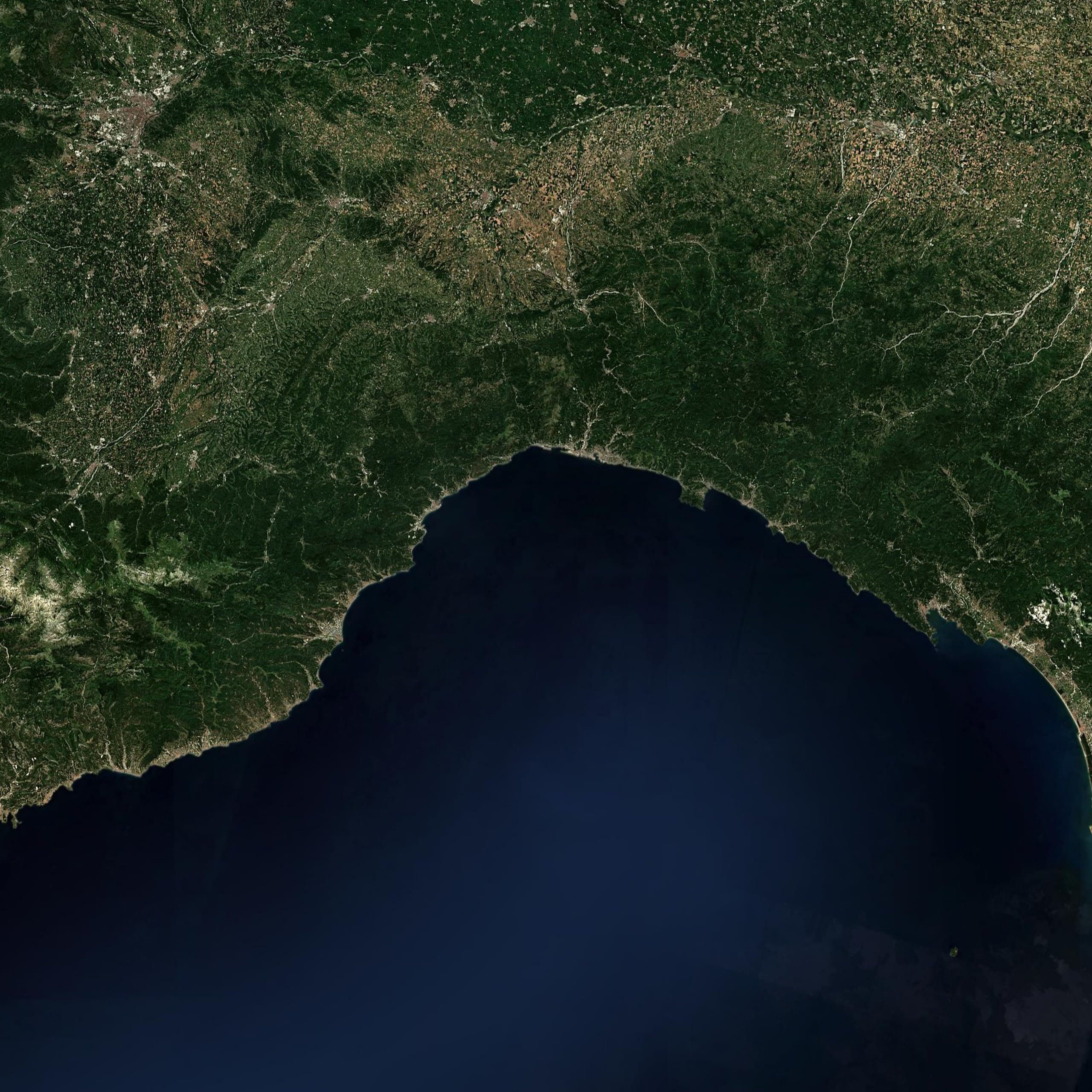
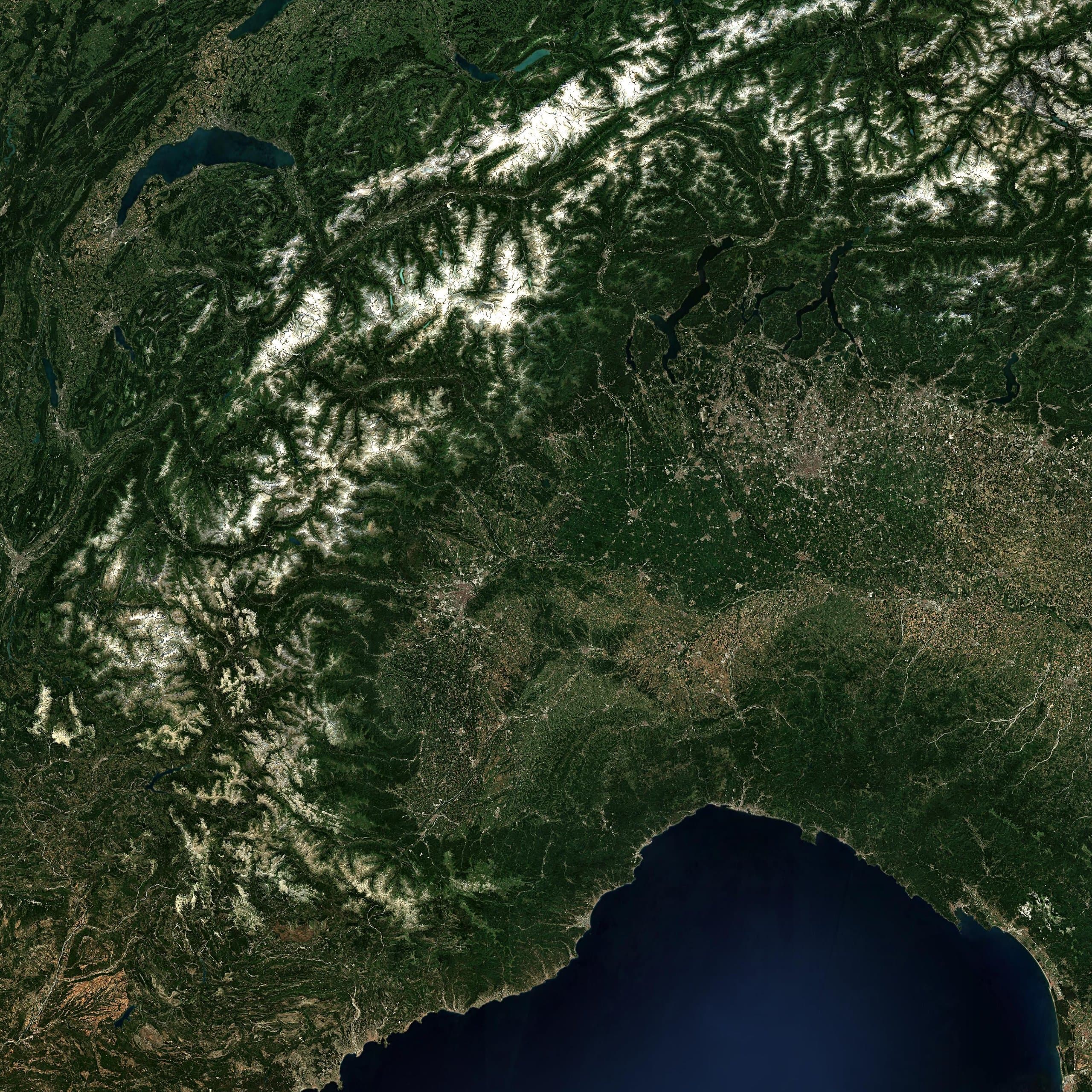
Northwestern Italy's premier wine region, home to the noble Nebbiolo grape. Barolo and Barbaresco stand as Italy's most celebrated reds, requiring decades to reveal their full complexity of tar, roses, and dried cherries. The Langhe hills provide the fog-shrouded terroir that gives Nebbiolo its tannic structure and aromatic intensity. White wines from Arneis, Cortese (Gavi), and Moscato d'Asti offer refreshing counterpoints, while Barbera and Dolcetto provide everyday drinking pleasures.

78–2848 m

Elevation range

redrosésparklingwhite

Wine styles

22 DOCGs

Avg. slope 8.5°

42 DOCs

Avg. slope 10.4°

Vintages

70 · 1990–2024

Rating:
95+
90-94
85-89
80-84
<80
PeakReadyHold
Year20242023202220212020201920182017201620152014201320122011201020092008200720062005200420032002200120001999199819971996199519941993199219911990
Red
White

Outstanding Piedmont Vintages

The best recent vintages rated excellent or exceptional.

Red

2023

Hold
92Excellent

Excellent vintage showing classic Nebbiolo aromatics with tar, rose, and dried herbs. Firm but refined tannins with great aging potential.

2031Peak 2037–20472053

2021

Hold
95Exceptional

Excellent vintage combining power with elegance. Classic Nebbiolo perfume with tar, roses, and menthol.

2029Peak 2035–20452051

2020

Hold
93Excellent

Outstanding vintage, potentially historic. Perfect balance of fruit, acidity, and tannin.

2028Peak 2038–20552060

2019

Almost ready
96Exceptional

Magnificent vintage rivaling 2016. Combines opulence with freshness.

2027Peak 2035–20522052

2018

Almost ready
90Excellent

Excellent vintage with classic proportions. Less exuberant than 2016 but beautifully balanced.

2027Peak 2033–20442048

2017

Ready
91Excellent

Hot, dry year produced ripe, forward wines. Drink earlier than typical.

2025Peak 2029–20372040

2016

Ready
98Exceptional

One of the greatest Piedmont vintages ever. Perfect weather created wines of extraordinary depth, complexity, and longevity.

2026Peak 2036–20582058

2015

Ready
93Excellent

Warm vintage produced rich, approachable wines. Less tannic than classic years but excellent concentration and balance.

2025Peak 2030–20452050

2013

Ready
96Exceptional

Classic vintage with exceptional structure and longevity. Traditional Nebbiolo character with firm tannins and complex aromatics.

2023Peak 2032–20502048

2012

Ready
94Excellent

Very good vintage despite summer heat. Concentrated wines with ripe tannins.

2023Peak 2028–20402045

2011

At peak
91Excellent

Uneven vintage, better in Barbaresco. Some heat stress but careful producers made balanced wines.

2020Peak 2024–20322035

2010

Ready
98Exceptional

Outstanding classic vintage. Benchmark wines with extraordinary structure, depth, and aging potential.

2022Peak 2030–20482055

2009

At peak
92Excellent

Excellent vintage with approachable, opulent style. Ripe tannins and generous fruit.

2020Peak 2025–20382042

White

2023

At peak
92Excellent

Excellent vintage with good concentration and fresh acidity. Expressive aromatics across all varieties.

2024Peak 2024–20262027

2021

Past window
92Excellent

Classic vintage with excellent balance. Gavi shows lovely minerality, Arneis offers floral elegance.

2022Peak 2022–20242025

2020

Past window
92Excellent

Very good vintage with pure fruit expression. Drinking beautifully now.

2021Peak 2021–20232024

2019

Past window
92Excellent

Excellent whites with good structure. Some age-worthy Gavi from top producers.

2020Peak 2020–20222023

2016

Past window
92Excellent

Excellent whites with great balance. Some top Gavi still drinking well.

2017Peak 2017–20192020

2013

Past window
92Excellent

Very good vintage but drink by now. Fresh and balanced when young.

2014Peak 2014–20162017

2010

Past window
92Excellent

Excellent vintage but past prime for most.

2011Peak 2011–20132014

DOC & DOCG

Explore Vineyards

Classification System

Piedmont uses Italy’s DOCG/DOC system, with recent vineyard-level designations for its top wines like Barolo and Barbaresco.

DOCG

Highest tier (Barolo, Barbaresco, etc.)

DOC

Controlled designation of origin

IGT

Regional indication

What Piedmont produces

Red

Nebbiolo in Barolo and Barbaresco, plus Barbera and Dolcetto across the hills.

White

Arneis in Roero, Cortese in Gavi, and aromatic Moscato d'Asti.

Sparkling

Sweet, gently fizzy Moscato d'Asti and dry Alta Langa metodo classico.

Regional appellations

Piemonte DOC

The region-wide umbrella appellation covering reds, whites, rosés, and sparkling wines from across all of Piedmont.

Langhe Nebbiolo

The everyday face of the king grape: Nebbiolo from the Langhe hills, often declassified Barolo or Barbaresco fruit or younger vines. Lighter extraction, earlier drinking, and the best value route into the perfume of the big two.

Moscato d'Asti

Gently fizzy, lightly sweet Moscato from the Asti zone, bottled at barely five percent alcohol. Peach, sage, and orange blossom in a glass that works at breakfast as well as after dinner.

Roero Arneis

The white designation of the Roero's sandy left bank, where Arneis gives pear and white-flower whites with a gently bitter almond finish. The classic local counterpoint to all that Nebbiolo.

Barolo Chinato

Barolo infused with quinine bark, spices, and herbs, a nineteenth-century pharmacist's digestif still made by a handful of houses. The traditional partner for dark chocolate.

Notable producers

Estates that shape how this region tastes.

Giacomo Conterno

Benchmark Barolo, Monfortino

Bruno Giacosa

Classic Barolo and Barbaresco

Gaja

Modernist icon, single-vineyard Barbaresco

Bartolo Mascarello

Traditional Barolo, no-barrique

Giuseppe Rinaldi

Purist Barolo from Cannubi

Vietti

Wide range of Langhe crus

Produttori del Barbaresco

Co-op producing benchmark single-cru Barbaresco

Roagna

Old-vine Barbaresco and Barolo

Elvio Cogno

Ravera cru specialist

Similar styles

Lands in the same glass.

Grapes of Piedmont

What it tastes like

Body

Medium

Acidity

Bright

Tannin

Firm

Oak

A touch of oak

Ripeness

Ripe

Concentration

Medium

Reds

Medium-bodied and bright, with firm tannin; red fruit, an earthy side and a floral lift, with a finish that goes on and on.

red fruit · earthy · floral · savoury · spicy

Body

Medium

Acidity

Fresh

Oak

A touch of oak

Ripeness

Ripe

Concentration

Medium

Whites

Medium-bodied and fresh; orchard fruit, stone fruit and a floral lift, with a taut finish.

apple and pear · stone fruit · floral · earthy · savoury

Drawn from its appellations.

Climate

continentalwarm summerscold winters

Continental climate with hot summers and cold winters, moderated by morning fogs from nearby rivers. These fogs help preserve acidity in grapes while extending the growing season, crucial for late-ripening Nebbiolo.

Terroir

well-drainedclaylimestone

Ancient soils of limestone, clay, and sand create distinct microclimates across rolling hills. The calcareous clay soils in Barolo and Barbaresco provide excellent drainage while retaining moisture, perfect for Nebbiolo's long growing needs.

Typical Aromas

tar and rosesdried herbstruffleleatherred cherryviolet
Explore the aroma wheel

More in Italy

Frequently Asked Questions

What makes Piedmont wine special?▼
Piedmont is home to the noble Nebbiolo grape, which produces Italy's most celebrated reds - Barolo and Barbaresco. The fog-shrouded Langhe hills create perfect terroir that gives these wines their signature complexity of tar, roses, and dried cherries. What's really special is how these wines require decades to fully develop, revealing layers of aromatics and tannins that few other regions can match.
What are the best Piedmont vintages?▼
2020 stands out as potentially historic - it's an outstanding 5/5 vintage with perfect balance of fruit, acidity, and tannins. 2021 and 2023 are both excellent 4/5 vintages, with 2021 combining power and elegance beautifully, while 2023 shows classic Nebbiolo aromatics. These are all vintages worth cellaring for the long term.
What grapes are grown in Piedmont?▼
The star is definitely Nebbiolo, which makes the legendary Barolo and Barbaresco wines. Barbera is the workhorse red grape that produces more accessible, food-friendly wines with bright acidity. For whites, Cortese makes the mineral-driven Gavi wines, and you'll also find Arneis producing aromatic, expressive whites.
Is 2023 a good year for Piedmont?▼
Yes, 2023 is an excellent vintage rated 4/5 for both reds and whites. The reds show classic Nebbiolo characteristics with tar, rose, and dried herb aromatics, while the whites have good concentration and fresh acidity. It's definitely a vintage worth buying and cellaring.
When should I drink Piedmont 2023?▼
For the whites like Gavi and Arneis, you can drink them now through the next 3-5 years while they're fresh and vibrant. The Nebbiolo-based reds from 2023 will need patience - start trying them around 2030-2035, but the best examples will continue improving for 20-30 years. Barbera can be enjoyed much earlier, within 5-10 years.
What food pairs well with Piedmont wines?▼
Piedmont wines are perfect with the region's rich cuisine - think truffle dishes, braised meats, and aged cheeses like Gorgonzola. Barolo and Barbaresco pair beautifully with osso buco, wild boar, or beef brasato. The crisp Gavi works wonderfully with seafood and light antipasti, while Barbera's acidity makes it great with tomato-based dishes and charcuterie.
How does Piedmont compare to Burgundy?▼
Both regions focus on single grape varieties and express terroir beautifully, but they're quite different in style. Burgundy's Pinot Noir is elegant and ethereal, while Piedmont's Nebbiolo is more powerful and structured with gripping tannins. Burgundy wines typically mature faster (10-15 years), whereas great Barolo and Barbaresco need 20-30 years to hit their stride.

Map data: Regione Piemonte