CorkCork

Champagne

France

About Champagne

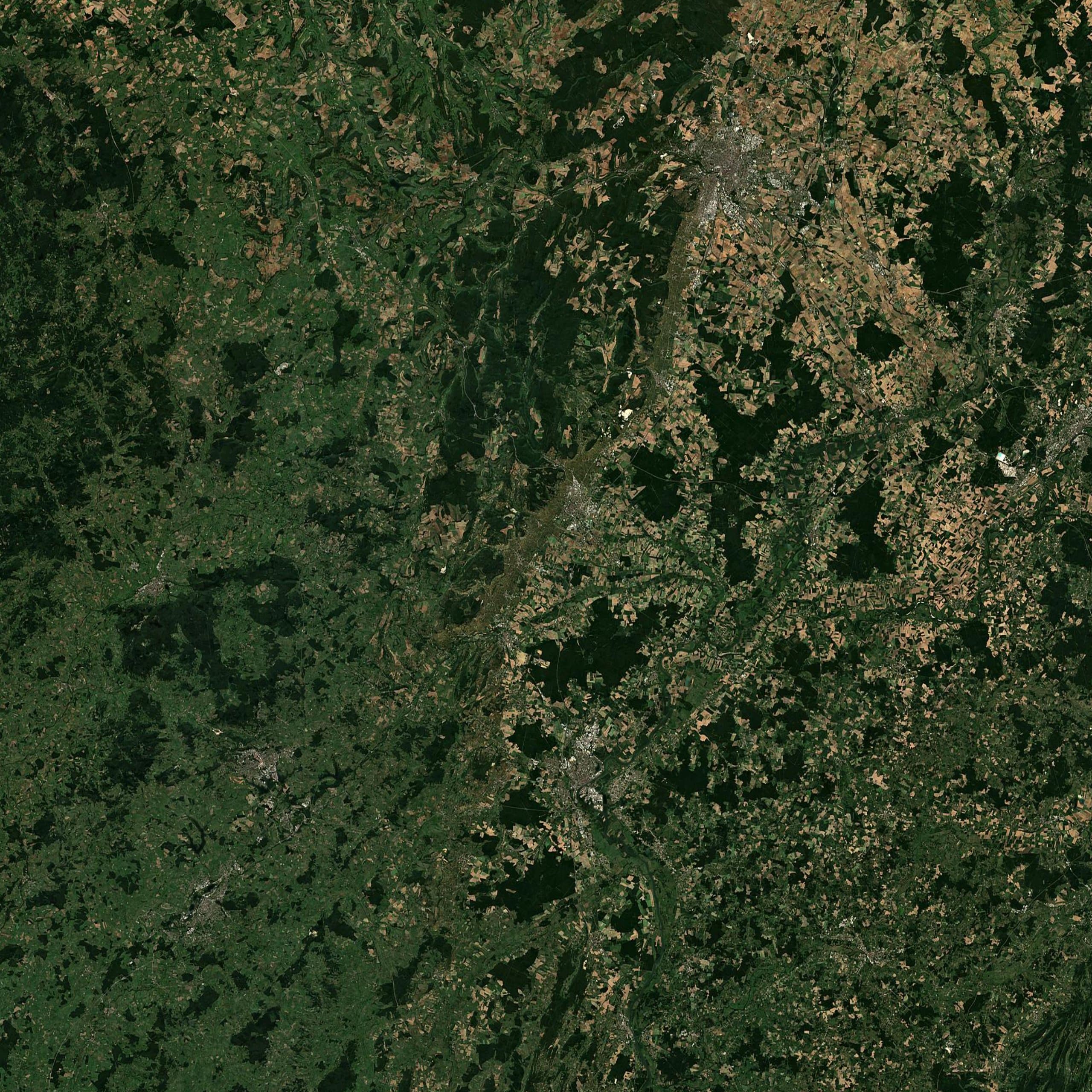
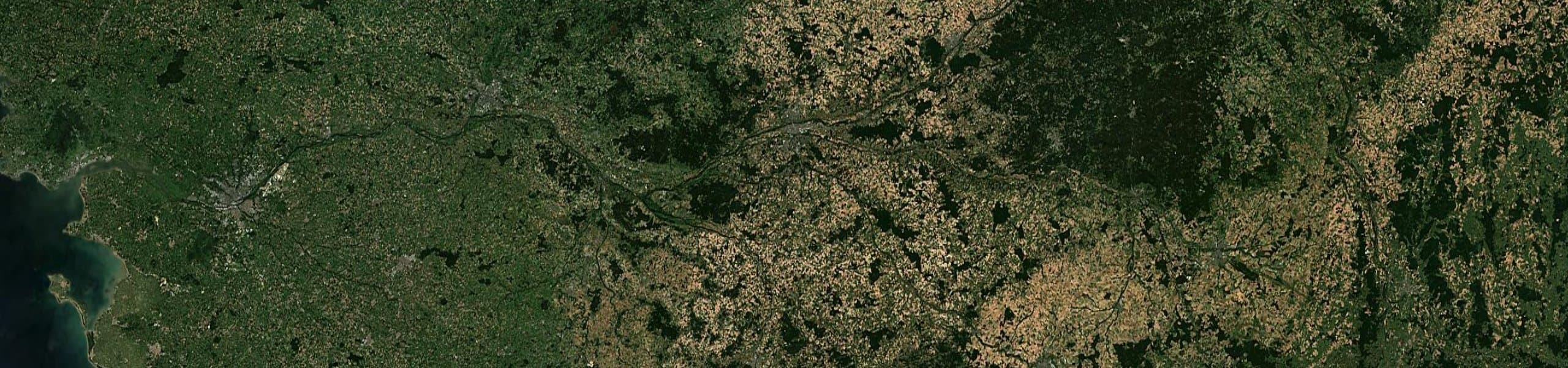
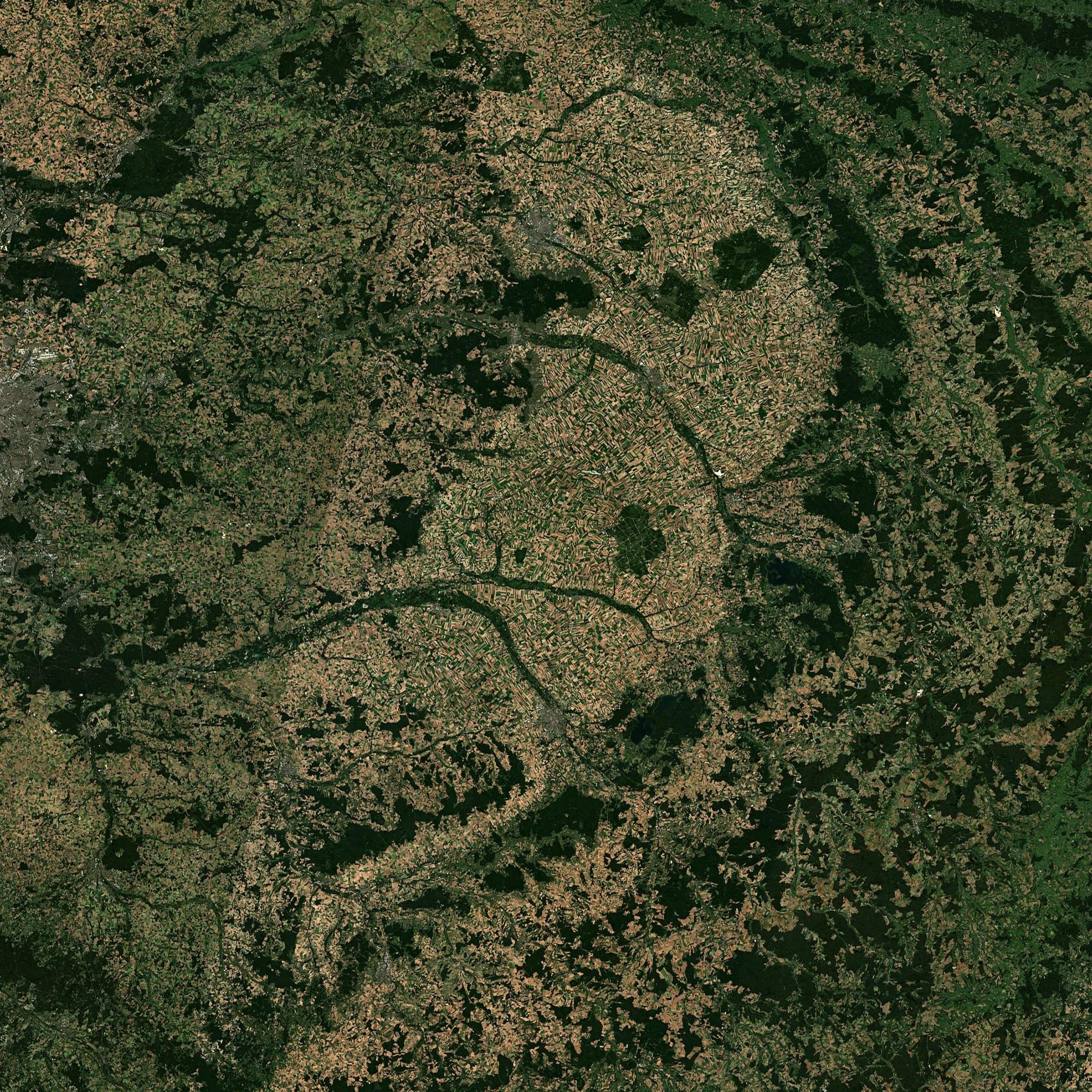
Champagne, the world's most celebrated sparkling wine region, lies at the northern edge of viable viticulture in northeastern France. The unique combination of chalk soils, cool climate, and centuries of winemaking expertise creates wines of unparalleled elegance and complexity. Three grape varieties dominate: Chardonnay brings finesse and aging potential, particularly from the Côte des Blancs; Pinot Noir contributes structure and depth, especially from the Montagne de Reims; and Pinot Meunier adds fruit and accessibility, thriving in the Vallée de la Marne. While most Champagne is non-vintage, blended across years to maintain house style, exceptional years are "declared" as vintage Champagnes, showcasing the character of a single harvest. Prestige cuvées represent the pinnacle, often released a decade or more after harvest. The méthode champenoise—secondary fermentation in bottle—creates the famous bubbles and contributes to the wine's complexity through extended lees aging.

Vintage Ratings

Rating:
5
4
3
2
1
PeakReadyHold
Year20242023202220212020201920182017201620152014201320122011201020092008200720062005200420032002200120001999199819971996199519941993199219911990
Sparkling

Cork tracks drinking windows for every Champagne vintage in your cellar. Sign up

Outstanding Champagne Vintages

The best recent vintages rated excellent or exceptional.

Sparkling

2022

Hold
Exceptional

An exceptional vintage of concentration and character. Hot, dry conditions produced ripe, powerful wines while the chalk subsoil preserved surprising freshness.

2029Peak 203420442048

2020

Hold
Exceptional

An exceptional vintage of power and finesse. Hot, dry summer concentrated the fruit remarkably, yet the wines retain brilliant acidity and mineral drive.

2028Peak 203520502055

2018

Ready
Excellent

An excellent vintage of concentration and structure. Despite challenging mildew pressure early on, the hot, dry summer produced wines of remarkable depth.

2026Peak 203220442048

2015

Ready
Excellent

A rich, ripe vintage of power and generosity. Warm conditions produced concentrated wines with lower acidity than cooler years.

2023Peak 202820382042

2014

At peak
Excellent

A classic Champagne vintage saved by Indian summer. Difficult conditions through August had producers worried, but glorious September and October weather rescued the harvest.

2022Peak 202620322036

2013

At peak
Excellent

An underrated vintage of purity and finesse. The cool growing season and late harvest produced wines of vibrant acidity and mineral precision.

2021Peak 202520302034

2012

At peak
Exceptional

A classic Champagne vintage of extraordinary energy and precision. After a challenging season, miraculous harvest conditions delivered wines of impeccable concentration, vibrant acidity, and exquisite mousse.

2020Peak 202520352040

2009

At peak
Excellent

A ripe, generous vintage of immediate appeal. Warm conditions produced rich, rounded wines with softer acidity.

2017Peak 202220332038

2008

At peak
Exceptional

One of the greatest Champagne vintages of the modern era. Cool, long growing season produced wines of extraordinary precision, minerality, and aging potential.

2018Peak 202520452050

2006

At peak
Excellent

An excellent vintage of richness and depth. Warm conditions produced concentrated wines with ripe fruit.

2015Peak 202020302035

2004

At peak
Excellent

An excellent vintage of freshness and elegance. A large, healthy crop produced wines of beautiful balance with lively acidity and fine aromatic intensity.

2013Peak 201820272032

2002

At peak
Exceptional

A legendary vintage of power and precision. Perfect conditions produced wines of extraordinary concentration and complexity.

2012Peak 202020382045

1998

Drink now
Excellent

An excellent vintage of structure and depth. Pinot Noir excelled.

2008Peak 201420252030

1996

At peak
Exceptional

One of the legendary Champagne vintages. Perfect acidity, remarkable concentration, and extraordinary aging potential.

2008Peak 201820352040

1995

Drink now
Excellent

An excellent vintage of power and richness. Hot, dry summer produced concentrated wines.

2005Peak 201220252030

1990

At peak
Exceptional

A legendary vintage of exceptional quality. Rich, powerful wines that have aged magnificently.

2002Peak 201220282035

Grand Cru & Premier Cru Villages

Loading map...

Terroir & Character

Climate

continentalmaritime

Cool continental climate with maritime influences creates long, gentle growing seasons. The marginal conditions stress vines just enough to produce grapes with bright acidity and delicate flavors—perfect for sparkling wine production.

Terroir

diverse soilschalkwell-drainedlimestone

Built on a foundation of ancient chalk and limestone soils that provide excellent drainage while retaining moisture. The porous chalk reflects sunlight back to ripening grapes and creates vast underground cellars perfect for aging. Rolling hills and varied exposures create distinct sub-regions, each contributing unique characteristics to final blends.

Typical Aromas

briochegreen applecitrus zestchalkalmondwhite flowers
Explore the aroma wheel

Classification System

Champagne classifies its villages by grape quality on a percentage scale that historically set grape prices.

Grand Cru

17 top-rated villages (100%)

Premier Cru

42 villages rated 90–99%

Other

Remaining villages

Grapes of Champagne

Frequently Asked Questions

What makes Champagne wine special?
Champagne is special because it's made in the world's most northerly wine region with unique chalk soils and a cool climate that creates incredible elegance. The traditional méthode champenoise process, where the second fermentation happens in the bottle, creates those fine, persistent bubbles. Plus, centuries of winemaking expertise in this specific region of northeastern France has perfected the art of blending Pinot Noir, Chardonnay, and Pinot Meunier into wines of unmatched complexity.
What are the best Champagne vintages?
The standout recent vintages are 2022 and 2020, both rated 5/5 for their exceptional concentration and character. 2022 benefited from hot, dry conditions, while 2020 combined power with finesse thanks to a hot, dry summer. 2018, 2015, and 2014 are also excellent choices, all rated 4/5, with 2014 being a classic vintage saved by an Indian summer.
What grapes are grown in Champagne?
The three main grapes in Champagne are Pinot Noir, Chardonnay, and Pinot Meunier. Pinot Noir brings structure and body, Chardonnay adds elegance and finesse, while Pinot Meunier contributes fruitiness and approachability. Most Champagnes are blends of these three, though you'll also find single-varietal bottles like Blanc de Blancs (100% Chardonnay) and Blanc de Noirs (Pinot Noir and/or Pinot Meunier).
Is 2022 a good year for Champagne?
2022 is an exceptional year for Champagne, rated 5/5. The hot, dry conditions that year produced wines with outstanding concentration and character. It's one of the top-rated recent vintages alongside 2020, so if you see 2022 vintage Champagne, it's definitely worth investing in.
When should I drink Champagne 2022?
While 2022 Champagnes are drinking beautifully now, the best vintage Champagnes typically benefit from 5-10 years of aging to develop their full complexity. Given that 2022 was such an exceptional year with great concentration, these wines should age gracefully and be at their peak around 2030-2035. That said, if you can't wait, they're already showing wonderfully!
What food pairs well with Champagne wines?
Champagne is incredibly food-friendly thanks to its acidity and bubbles. Classic pairings include oysters, caviar, and smoked salmon, but it also works beautifully with fried foods like tempura or fish and chips. The bubbles cut through rich, creamy dishes, and it's fantastic with aged cheeses, roasted chicken, or even sushi. Don't overlook it with desserts either - demi-sec Champagne pairs wonderfully with fruit tarts.
How does Champagne compare to Prosecco?
Champagne and Prosecco are completely different styles of sparkling wine. Champagne uses the traditional method with second fermentation in bottle, creating finer bubbles and more complex flavors, while Prosecco uses the tank method and is typically fresher and fruitier. Champagne comes from cool-climate France using Pinot Noir, Chardonnay, and Pinot Meunier, while Prosecco is from Italy's Veneto region using mainly Glera grapes. Champagne generally ages longer and costs more, but both have their place!

Map data: INAO