
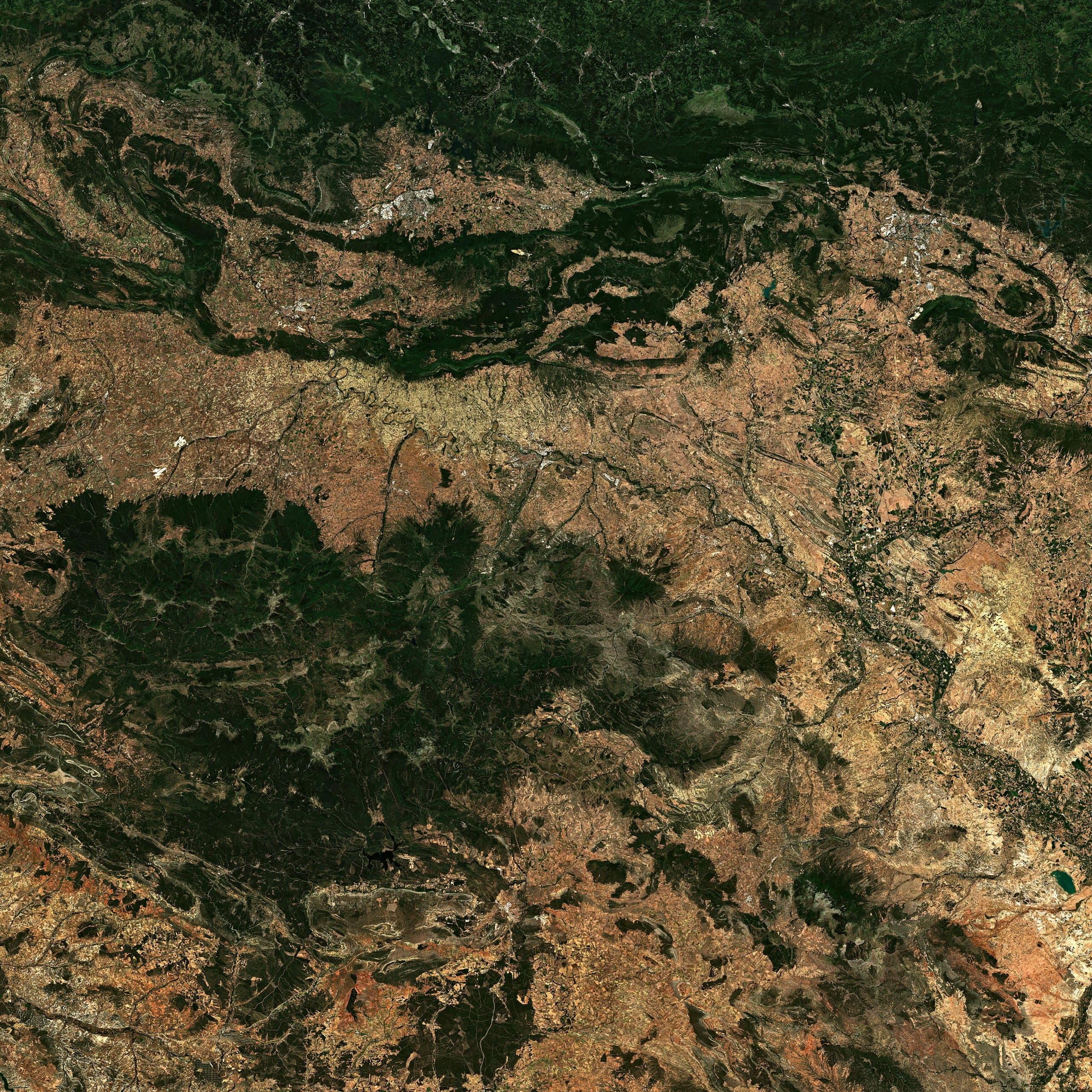
Spain
Rioja
Spain wine regions
About Rioja
260–1610 m
Elevation range
Wine styles
80 DOs
Avg. slope 6.3°
17 Communes
Avg. slope 8.3°
44 Communes
Avg. slope 8.3°
Spain wine regions
Vintages
70 · 1990–2024
Outstanding Rioja Vintages
The best recent vintages rated excellent or exceptional.
Red
White
Denominación de Origen
Classification System
Spanish Quality Hierarchy
Spain's wine-quality pyramid, administered under the EU Protected Designation of Origin (DOP) framework. The two top legal tiers — DOCa and DOQ — have only been awarded to two regions in the country. Every wine DO in Spain sits somewhere on this ladder.
DOCa / DOQ
Denominación de Origen Calificada (Castilian) / Denominació d'Origen Qualificada (Catalan). Spain's highest wine classification — awarded only to Rioja (1991) and Priorat (2009)
DO
Denominación de Origen — the main quality tier. Most Spanish wine regions (Bierzo, Rueda, Ribera del Duero, Rías Baixas, etc.) are DOs
Vinos de Pago (VP)
Single-estate designation for exceptional individual vineyards, outside the regional DO system. Currently around 20 properties nationwide (Dominio de Valdepusa, Pago de Otazu, etc.)
VC / Vino de Calidad
Vino de Calidad con Indicación Geográfica — a stepping-stone tier below DO, used by emerging regions building a track record toward full DO status
VT / Vino de la Tierra
Protected Geographical Indication (IGP) — a broader regional tier. Equivalent to France's IGP / Italy's IGT
Vino (without GI)
Basic table wine without a geographic designation
Origin Classification
Rioja classifies wines by geographic specificity, from the broad DOCa down to individual vineyard sites.
Viñedo Singular
Single vineyard wines from sites of special character, introduced in 2017
Vino de Municipio
Wines from one of Rioja's 144 municipalities
Vino de Zona
Wines from Rioja Alta, Rioja Alavesa, or Rioja Oriental
QDO Rioja
Wines from across the entire DOCa region
Aging Classification
One of the few designations that guarantees minimum aging time between barrel and bottle.
Gran Reserva
Minimum 5 years aging, 2 in oak, 2 in bottle
Reserva
Minimum 3 years aging, 1 in oak, 6 months in bottle
Crianza
Minimum 2 years aging, 1 in oak
Genérico
Young wines preserving freshness and fruit character
Sparkling Wine Classification
Rioja produces traditional method sparkling wines (Espumosos) from all 14 authorized grape varieties, with three tiers based on aging time on lees.
Gran Añada
Single vintage, minimum 36 months on lees, manual harvest, finest bubbles
Espumoso Reserva
Minimum 24 months on lees, manual or night harvest
Espumoso Genérico
Minimum 15 months on lees, traditional method
What Rioja produces
Red
Tempranillo-based, aged in oak from joven through Gran Reserva. Spain's most iconic reds.
White
Both modern barrel-fermented Viura and traditional oxidative whites are gaining recognition.
Rosé
Garnacha-based rosados, fresh and aromatic, a summer staple.
Sparkling
Rioja Espumoso, a DOCa tier added in 2019 — traditional-method sparkling in Crianza, Reserva, and Gran Añada aging levels.
Regional appellations
Rioja Espumoso
Traditional-method sparkling Rioja, added to the DOCa in 2019. Three tiers by lees aging: Crianza (15+ months), Reserva (24+ months), and Gran Añada (36+ months, vintage-only).
Notable producers
Estates that shape how this region tastes.
Lopez de Heredia
Traditional icon, Vina Tondonia
La Rioja Alta
Gran Reserva specialist, Rioja 904
CVNE
Historic house, Imperial Gran Reserva
Muga
Oak-aged Reserva and Prado Enea
Roda
Modern Rioja, Cirsion single-vineyard
Artadi
Single-vineyard, left DOCa for Vino de Mesa
Remelluri
Organic estate, Labastida terroir
Contador
Benjamin Romeo, cult garage wine
Grapes of Rioja
Climate
Continental climate with Mediterranean influences, featuring hot, dry summers and cold winters. The Cantabrian Mountains protect from Atlantic storms while the Ebro River moderates temperatures, creating ideal conditions for slow grape maturation.
Terroir
Diverse soils ranging from clay-limestone in Rioja Alta (producing elegant, age-worthy wines) to alluvial deposits near the Ebro River in Rioja Oriental (creating fuller-bodied wines), with iron-rich clay soils in Rioja Alavesa contributing to wines with exceptional finesse and aromatic complexity.
More in Spain
Frequently Asked Questions
What makes Rioja wine special?▼
What are the best Rioja vintages?▼
What grapes are grown in Rioja?▼
Is 2023 a good year for Rioja?▼
When should I drink Rioja 2023?▼
What food pairs well with Rioja wines?▼
How does Rioja compare to Bordeaux?▼
Map data: MAPA (Ministerio de Agricultura, Pesca y Alimentación) · Municipio boundaries © OpenStreetMap contributors (ODbL)