
Germany
Mosel
Germany wine regions
About Mosel
64–770 m
Elevation range
Wine styles
5 Einzellages
Avg. slope 9°
Germany wine regions
Vintages
54 · 1990–2024
Outstanding Mosel Vintages
The best recent vintages rated excellent or exceptional.
White
Dessert
Inside Mosel
Mosel appellations · tap an area
Subregions
Classification System
VDP Vineyard Classification
The VDP (top German wine estates association) classifies vineyards by quality, similar to Burgundy. Used primarily for dry wines.
Grosse Lage
Grand Cru equivalent, the finest vineyard sites
Erste Lage
Premier Cru equivalent, excellent sites
Ortswein
Village-level wines from a named commune
Gutswein
Estate-level, entry point from VDP members
Prädikat System (Ripeness)
Classifies wines by minimum grape ripeness at harvest. Ripeness level does not determine sweetness: wines at any Prädikat level can be made dry (trocken), off-dry (halbtrocken), or sweet.
Trockenbeerenauslese
Rarest, from individually selected dried berries
Eiswein
Pressed from naturally frozen grapes
Beerenauslese
From individually selected overripe berries
Auslese
From selected bunches of very ripe grapes
Spätlese
Late harvest, richer and riper
Kabinett
Lightest Prädikat, elegant and lower alcohol
What Mosel produces
White
Almost entirely Riesling, from bone-dry to lusciously sweet, shaped by steep slate slopes.
Regional appellations
Qualitätswein (QbA)
The regional quality wine tier. Grapes must come from one of the 13 Anbaugebiete and meet minimum ripeness levels. Most everyday German wine falls here.
Prädikatswein
Quality wine distinguished by ripeness at harvest, from light Kabinett through Spätlese, Auslese, and the rare sweet Beerenauslese, Trockenbeerenauslese, and Eiswein.
Notable producers
Estates that shape how this region tastes.
Egon Muller
Scharzhofberger, finest Riesling on earth
J.J. Prum
Benchmark Wehlener Sonnenuhr Riesling
Markus Molitor
Single-vineyard Riesling and Pinot Noir
Fritz Haag
Elegant Brauneberger Juffer Riesling
Willi Schaefer
Tiny estate, exquisite Graacher Riesling
Schloss Lieser
Thomas Haag, revived historic estate
Dr. Loosen
Old-vine Riesling across top sites
Similar styles
Lands in the same glass.
Grapes of Mosel
What it tastes like
Body
Light
Acidity
Zippy
Oak
No oak
Ripeness
Fresh
Concentration
Medium
Light-bodied and zippy; citrus, orchard fruit and stone fruit.
citrus · apple and pear · stone fruit · honeyed · floral
Cork's estimate.
Climate
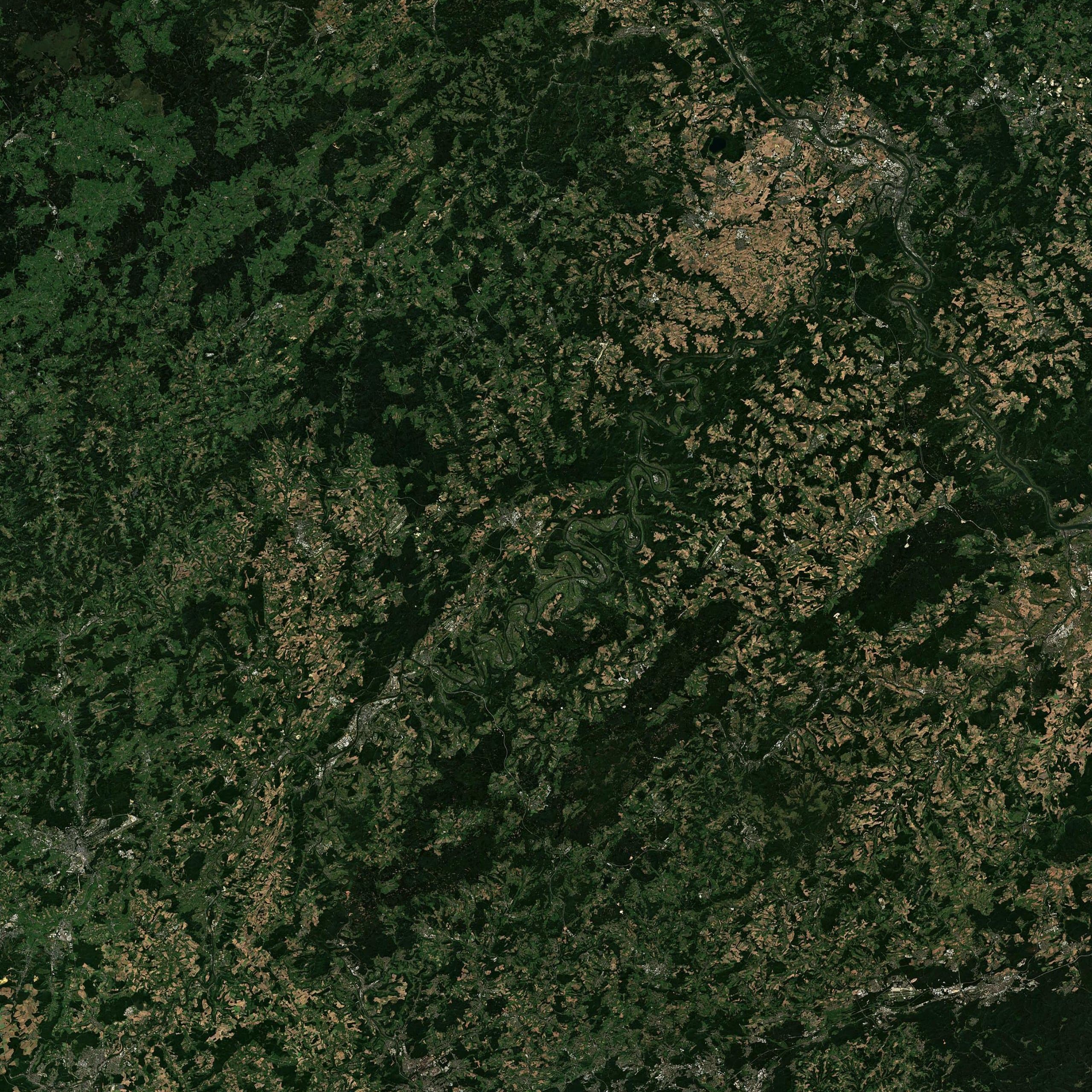
Cool continental climate moderated by the Mosel River, with warm summers and mild winters. The river acts as a heat reservoir, extending the growing season and preventing frost, while the steep slopes maximize sun exposure for optimal ripening.
Terroir
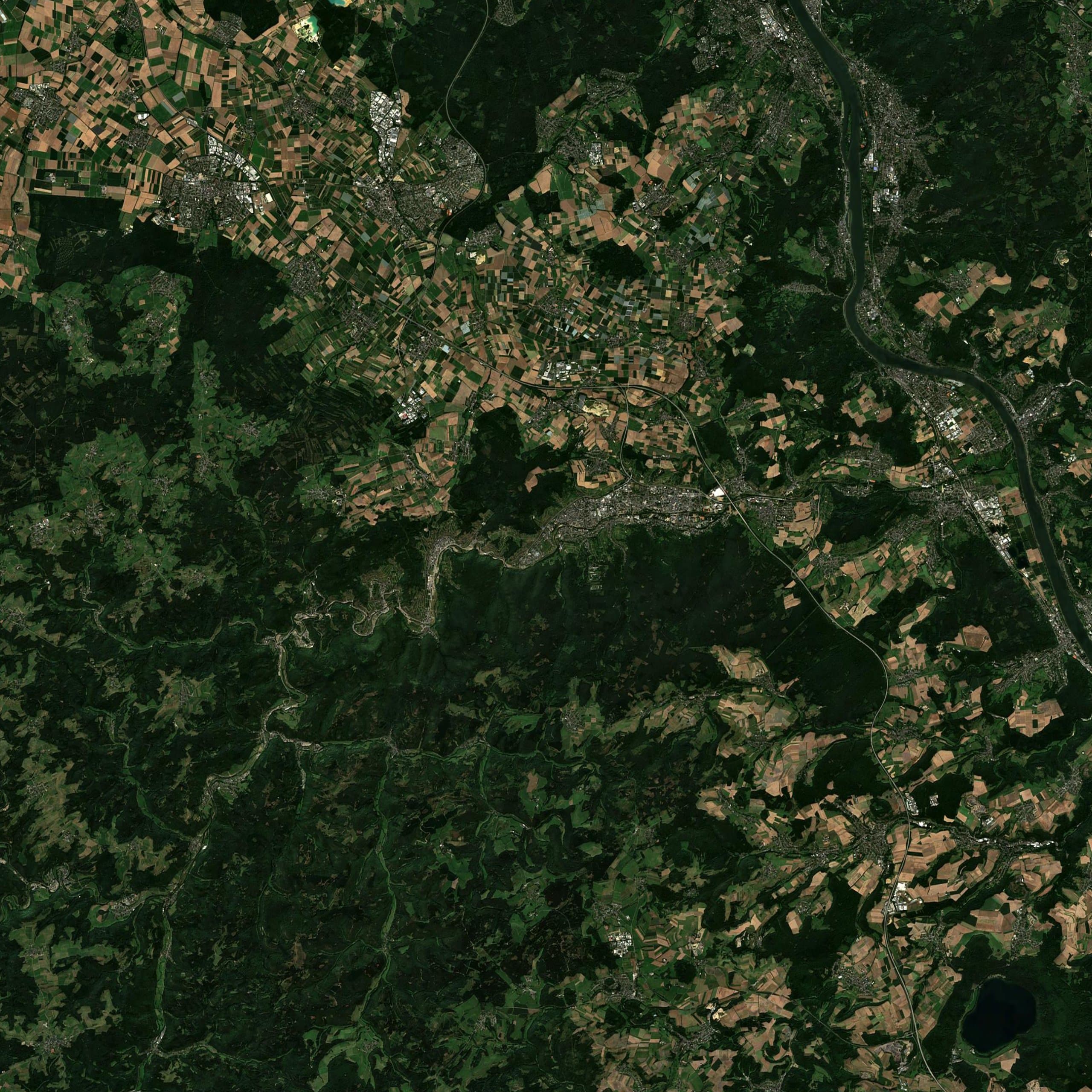
Predominantly blue and red Devonian slate soils that retain heat during the day and release it at night, promoting even ripening. The slate imparts a distinctive mineral backbone to wines, while the steep, south-facing slopes carved by the meandering river create perfect amphitheaters that capture and concentrate sunlight.
More in Germany
Frequently Asked Questions
What makes Mosel wine special?▼
What are the best Mosel vintages?▼
What grapes are grown in Mosel?▼
Is 2023 a good year for Mosel?▼
When should I drink Mosel 2023?▼
What food pairs well with Mosel wines?▼
How does Mosel compare to Alsace?▼
Map data: Landwirtschaftskammer Rheinland-Pfalz