CorkCork

Bordeaux

France

About Bordeaux

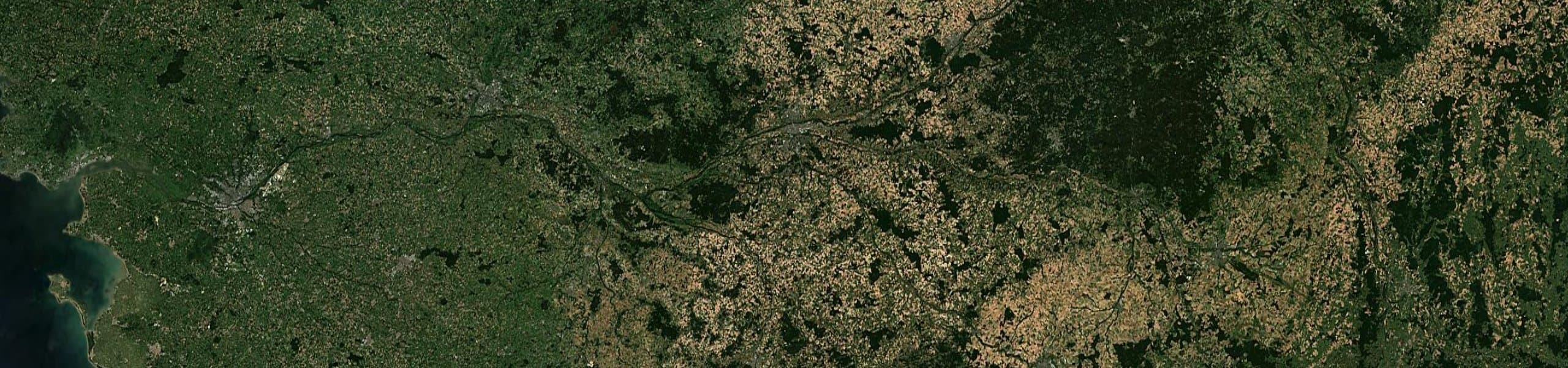
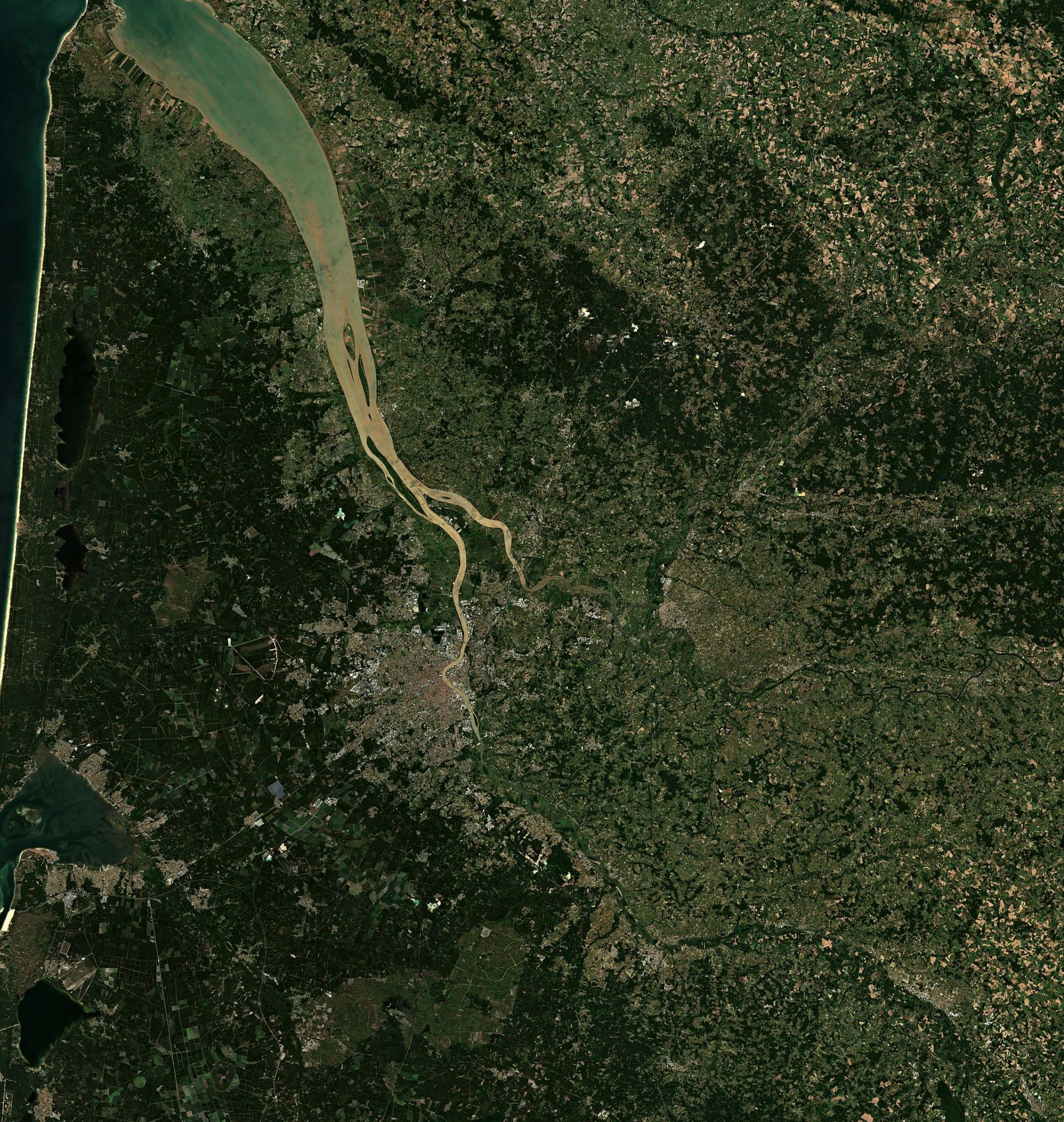
Bordeaux stands as the world's most celebrated wine region, producing more fine wine than any other. Situated in southwestern France along the Gironde estuary, the region is naturally divided by the Garonne and Dordogne rivers into distinct areas: the Left Bank (Médoc, Graves, Pessac-Léognan) where Cabernet Sauvignon dominates, and the Right Bank (Saint-Émilion, Pomerol) where Merlot takes the lead. The 1855 Classification remains the reference for Left Bank estates, while Saint-Émilion maintains its own evolving classification. White Bordeaux ranges from the crisp, dry wines of Entre-Deux-Mers and Pessac-Léognan to the legendary sweet wines of Sauternes and Barsac. The maritime climate, moderated by the Gulf Stream and protected by the Landes forest, creates ideal conditions for extended ripening, though vintage variation remains significant. Great Bordeaux rewards patience—the finest wines require decades to reveal their full complexity.

Vintage Ratings

Rating:
5
4
3
2
1
PeakReadyHold
Year20242023202220212020201920182017201620152014201320122011201020092008200720062005200420032002200120001999199819971996199519941993199219911990
Red
White

Cork tracks drinking windows for every Bordeaux vintage in your cellar. Sign up

Outstanding Bordeaux Vintages

The best recent vintages rated excellent or exceptional.

Red

2022

Hold
Exceptional

An exceptional vintage across both banks. Hot, dry conditions from spring through harvest produced deeply concentrated wines with remarkable purity.

2032Peak 204020602070

2020

Hold
Exceptional

A truly outstanding vintage of power and finesse. The summer heat concentrated the fruit remarkably, yet the wines possess surprising freshness and energy.

2030Peak 203820582065

2019

Hold
Excellent

An excellent vintage of charm and accessibility. Warm conditions produced ripe, generous wines with soft tannins and appealing fruit.

2028Peak 203420482055

2018

Hold
Exceptional

A great vintage of power and richness. Challenging mildew pressure in spring gave way to a glorious summer.

2028Peak 203520552060

2016

Hold
Exceptional

A legendary vintage of extraordinary quality. Perfect conditions from flowering through harvest produced wines of exceptional concentration, precision, and structure.

2028Peak 203620582065

2015

Ready
Exceptional

An exceptional vintage of harmony and depth. Warm, dry conditions produced powerful wines that retain remarkable elegance.

2026Peak 203220522060

2010

Ready
Exceptional

One of the greatest Bordeaux vintages ever produced. Near-perfect conditions created wines of extraordinary concentration, structure, and freshness.

2025Peak 203220552065

2009

Ready
Exceptional

A magnificent vintage of power and opulence. Warm conditions produced rich, voluptuous wines with sweet tannins.

2022Peak 202820482055

White

2022

Ready
Excellent

Rich, concentrated whites from the hot, dry vintage. Some lack the freshness of cooler years, but the best from Pessac-Léognan combine power with elegance.

2024Peak 202720322035

2021

Ready
Excellent

An excellent vintage of tension and minerality. The cool growing season preserved bright acidity, while late-season sun achieved ripeness.

2024Peak 202720332036

2020

At peak
Excellent

Generous, ripe whites from the warm vintage. Early harvest preserved freshness.

2023Peak 202620312034

2019

At peak
Excellent

Ripe, generous whites with immediate appeal. Warm conditions produced rich wines with soft acidity.

2022Peak 202420292032

2018

At peak
Excellent

Outstanding dry whites despite the challenging spring. The hot, dry summer concentrated flavors beautifully.

2021Peak 202320282030

2016

At peak
Excellent

Excellent dry whites with purity and precision. The ideal vintage for reds also produced outstanding whites.

2019Peak 202220272030

2015

Drink now
Excellent

Rich, concentrated whites from the warm vintage. Power balanced by sufficient acidity.

2018Peak 202020252028

2014

Drink now
Excellent

A superb vintage for dry whites. The challenging summer that hampered reds actually benefited whites, preserving freshness and acidity.

2017Peak 202020252028

2011

Past window
Excellent

Excellent dry whites from the warm vintage. Rich and concentrated with good balance.

2014Peak 201720222025

2010

At peak
Exceptional

Outstanding dry whites of purity and minerality. The cool, dry conditions produced wines of extraordinary precision.

2014Peak 201820262030

2009

Past window
Excellent

Rich, generous whites from the warm vintage. Opulent fruit with softer acidity than 2010.

2012Peak 201520202024

2008

Past window
Excellent

Fresh, elegant whites from the cool vintage. Excellent acidity and mineral character.

2011Peak 201420202023

Subregions & Appellations

Regional Appellations

Bordeaux AOC

The regional appellation for everyday red, white, and rosé wines from anywhere in Bordeaux.

Bordeaux Supérieur

A step above Bordeaux AOC with stricter yield limits and higher minimum alcohol. Often better value than the name suggests.

Crémant de Bordeaux

Traditional method sparkling wines, increasingly popular. Made from the same grapes as still Bordeaux.

Terroir & Character

Climate

botrytis-friendlywarm summersfog & mistmaritime

Maritime climate moderated by the Atlantic Ocean and Gironde estuary, providing mild winters and warm summers. The Gulf Stream influence helps extend the growing season, while morning mists from the rivers create perfect conditions for noble rot in sweet wine areas.

Terroir

diverse soilsgravelclaylimestone

Incredibly diverse soils ranging from well-draining gravel beds on the Left Bank (perfect for Cabernet Sauvignon) to clay and limestone on the Right Bank (ideal for Merlot). The Gironde estuary and its tributaries create a complex patchwork of microclimates and soil types within relatively small areas.

Typical Aromas

blackcurrantcedargraphitetobacco leafdark plumviolet
Explore the aroma wheel

Classification System

Bordeaux has no single classification system. Each subregion has its own approach. The Médoc’s 1855 Classification is the most famous, ranking estates into five growths and essentially frozen in time. Saint-Émilion reviews its classification every decade, making it the only one that evolves. Graves has a separate 1959 classification for reds and whites. Sauternes was classified alongside the Médoc in 1855, with Château d’Yquem in a class of its own. Pomerol, despite producing some of Bordeaux’s most expensive wines, has never had a formal classification.

1855 Classification (Médoc)

The most famous classification in wine, ranking estates (châteaux) rather than vineyards. Created for the Paris Exposition and only amended once, when Mouton Rothschild was promoted to First Growth in 1973.

Premiers Crus

Lafite Rothschild, Latour, Margaux, Mouton Rothschild, Haut-Brion

Deuxièmes Crus

14 estates including Léoville Las Cases, Pichon Longueville, Cos d’Estournel

Troisièmes Crus

14 estates including Palmer, Calon-Ségur, d’Issan

Quatrièmes Crus

10 estates including Beychevelle, Talbot, Saint-Pierre

Cinquièmes Crus

18 estates including Lynch-Bages, Pontet-Canet, Grand-Puy-Lacoste

Saint-Émilion Classification

Unlike the 1855 Classification, Saint-Émilion’s classification is reviewed roughly every ten years. The most recent revision was in 2022. This makes it the only major Bordeaux classification that evolves with the quality of its estates.

Premier Grand Cru Classé A

Currently Château Figeac and Château Pavie

Premier Grand Cru Classé B

12 estates including Canon, Bélair-Monange, Troplong-Mondot

Grand Cru Classé

Over 70 estates, the backbone of quality Saint-Émilion

Grapes of Bordeaux

Frequently Asked Questions

What makes Bordeaux wine special?
Bordeaux is the world's most celebrated wine region, producing more fine wine than anywhere else on earth. The region's unique terroir comes from its location in southwestern France along the Gironde estuary, where the maritime climate and diverse soils create perfect conditions for both Cabernet Sauvignon and Merlot. What really sets Bordeaux apart is its mastery of blending - they've been perfecting the art of combining different grape varieties for centuries to create wines of incredible complexity and longevity.
What are the best Bordeaux vintages?
Recent standout vintages include 2022 and 2020, both rated 5/5 for reds - truly exceptional years with perfect balance of power and finesse. The 2022 vintage benefited from hot, dry conditions that produced concentrated, exceptional wines across both banks. For whites, 2021 was particularly excellent with great tension and minerality thanks to the cooler growing season, while 2020 and 2022 whites are also very strong at 4/5.
What grapes are grown in Bordeaux?
The key red grapes are Cabernet Sauvignon and Merlot, which form the backbone of most Bordeaux blends. For whites, it's primarily Sémillon and Sauvignon Blanc that dominate. Cabernet Sauvignon tends to perform best on the Left Bank's gravelly soils, while Merlot thrives on the Right Bank's clay-limestone terrain.
Is 2022 a good year for Bordeaux?
2022 is absolutely exceptional - it's rated 5/5 for reds, making it one of the best vintages in recent memory. The hot, dry conditions from spring through harvest created concentrated, powerful wines across both the Left and Right Bank. The whites are also very strong at 4/5, though they're rich and concentrated rather than having the bright freshness of cooler years.
When should I drink Bordeaux 2022?
Given that 2022 is such a concentrated, powerful vintage, most reds will benefit from at least 8-15 years of aging to reach their peak, with top estates potentially drinking well for 20-30 years. The whites will be more approachable in 3-5 years and should drink beautifully for 10-15 years. Of course, this varies significantly depending on the specific château and your personal taste preferences.
What food pairs well with Bordeaux wines?
Bordeaux reds are classic partners for red meat - think roast lamb, beef bourguignon, or grilled steaks where the wine's tannins complement the protein beautifully. Game birds, duck confit, and aged cheeses like Roquefort also work wonderfully. For Bordeaux whites, try them with seafood, particularly oysters from nearby Arcachon Bay, or rich dishes like lobster thermidor.
How does Bordeaux compare to Burgundy?
Bordeaux and Burgundy represent two completely different philosophies - Bordeaux is all about blending (mainly Cabernet Sauvignon and Merlot) while Burgundy focuses on single varietals (Pinot Noir and Chardonnay). Bordeaux tends to produce more powerful, structured wines that age for decades, whereas Burgundy offers more elegance and terroir expression. Bordeaux is also much larger and produces significantly more wine, making it generally more accessible than Burgundy's tiny vineyard plots.

Map data: INAO