CorkCork

Maipo Valley

Chile

About Maipo Valley

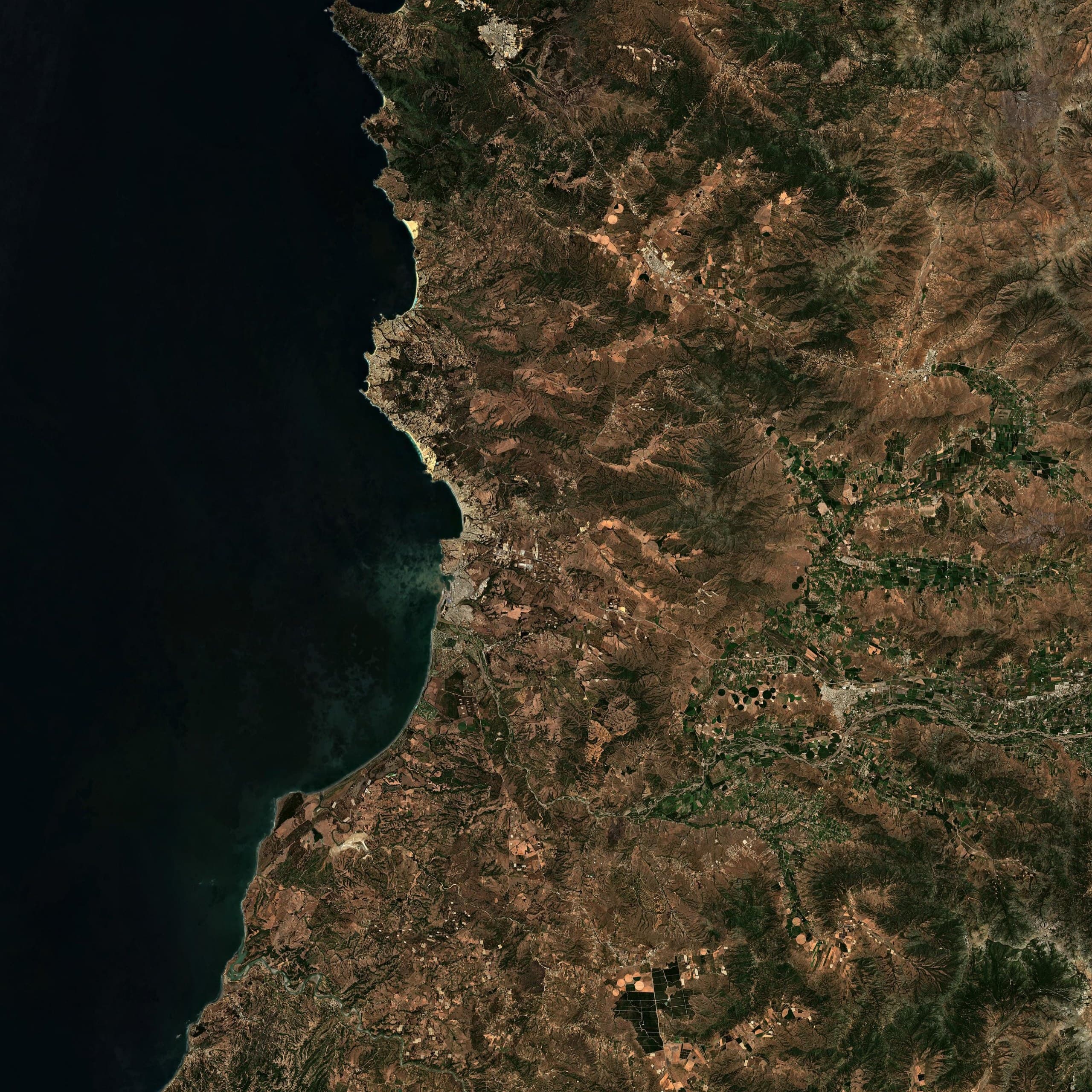
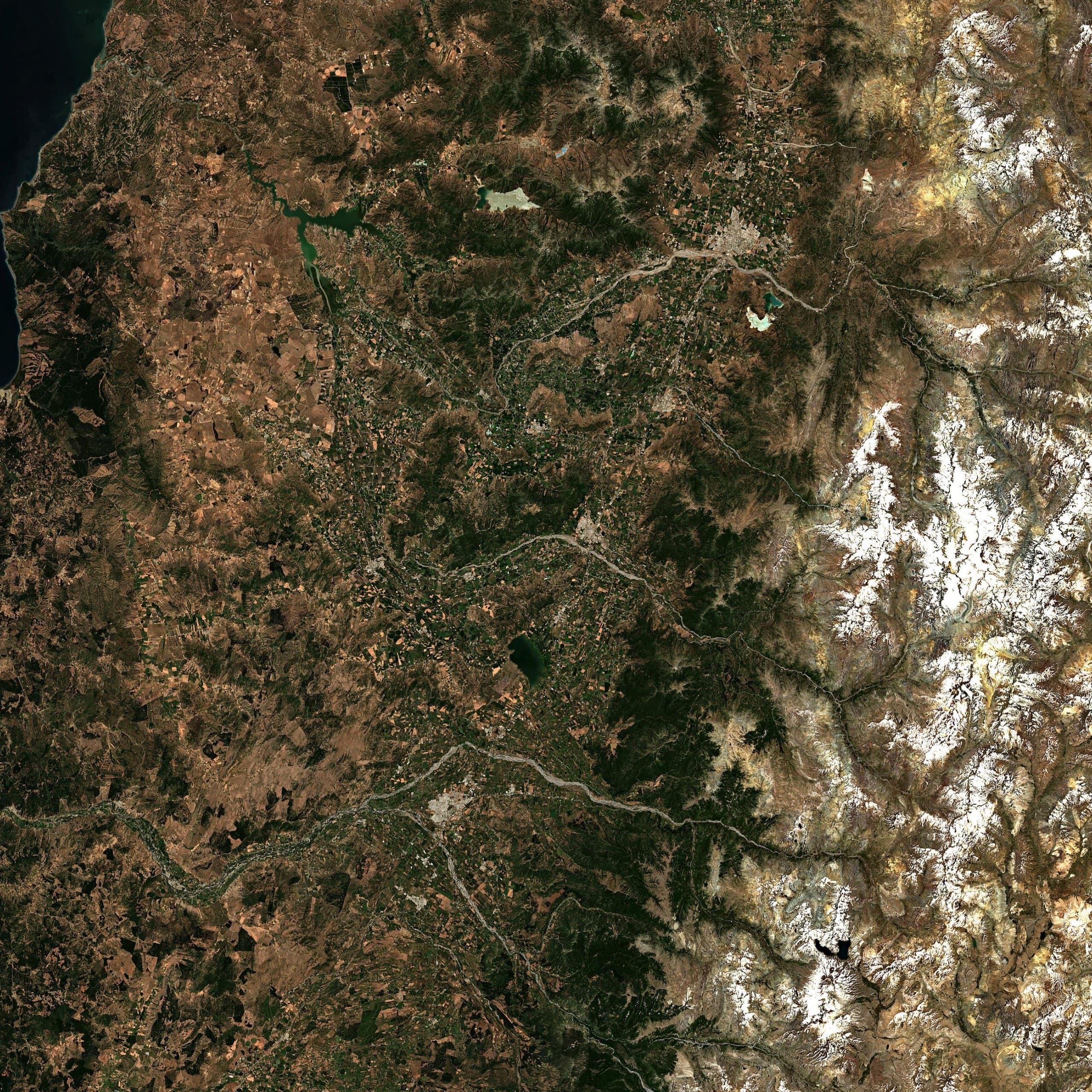
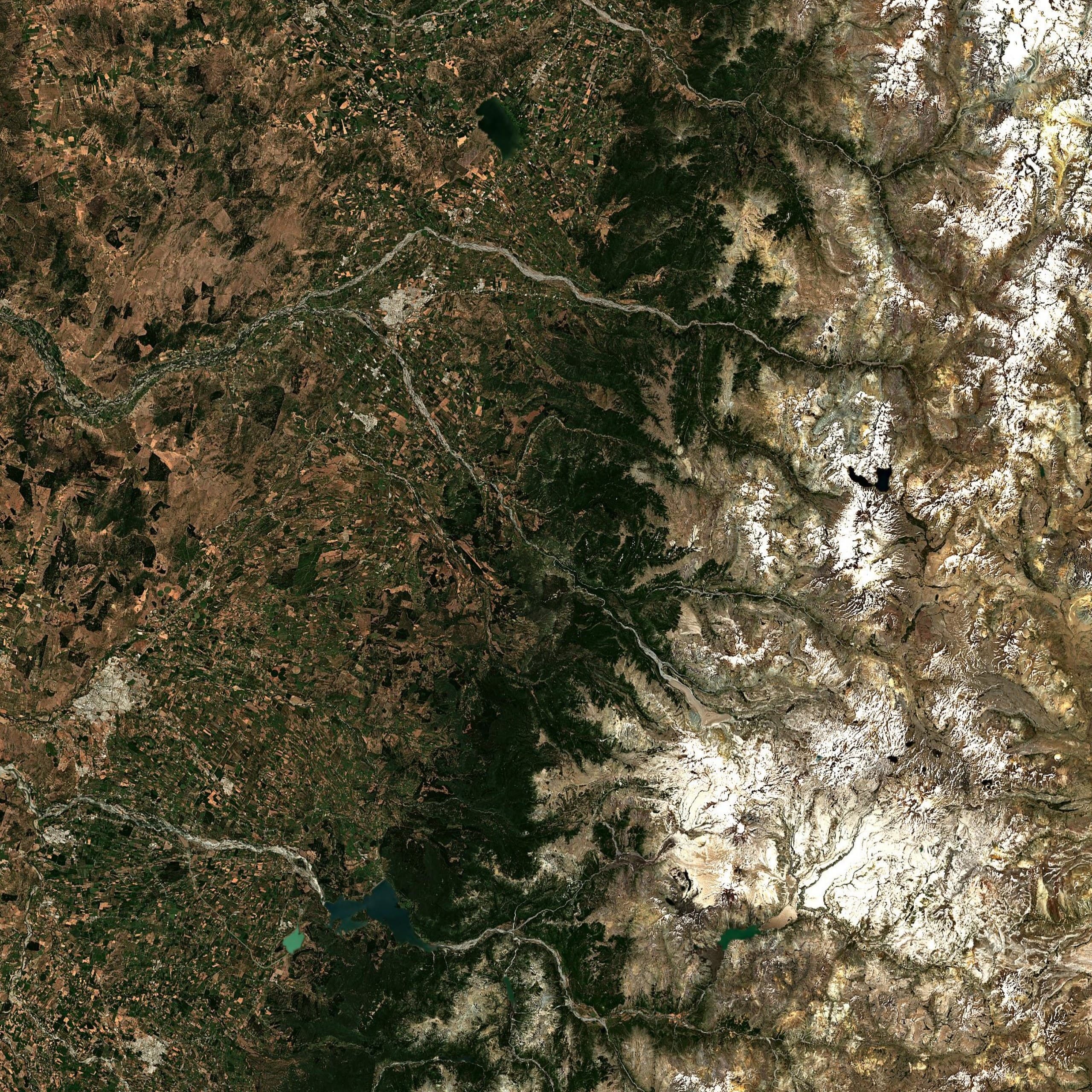
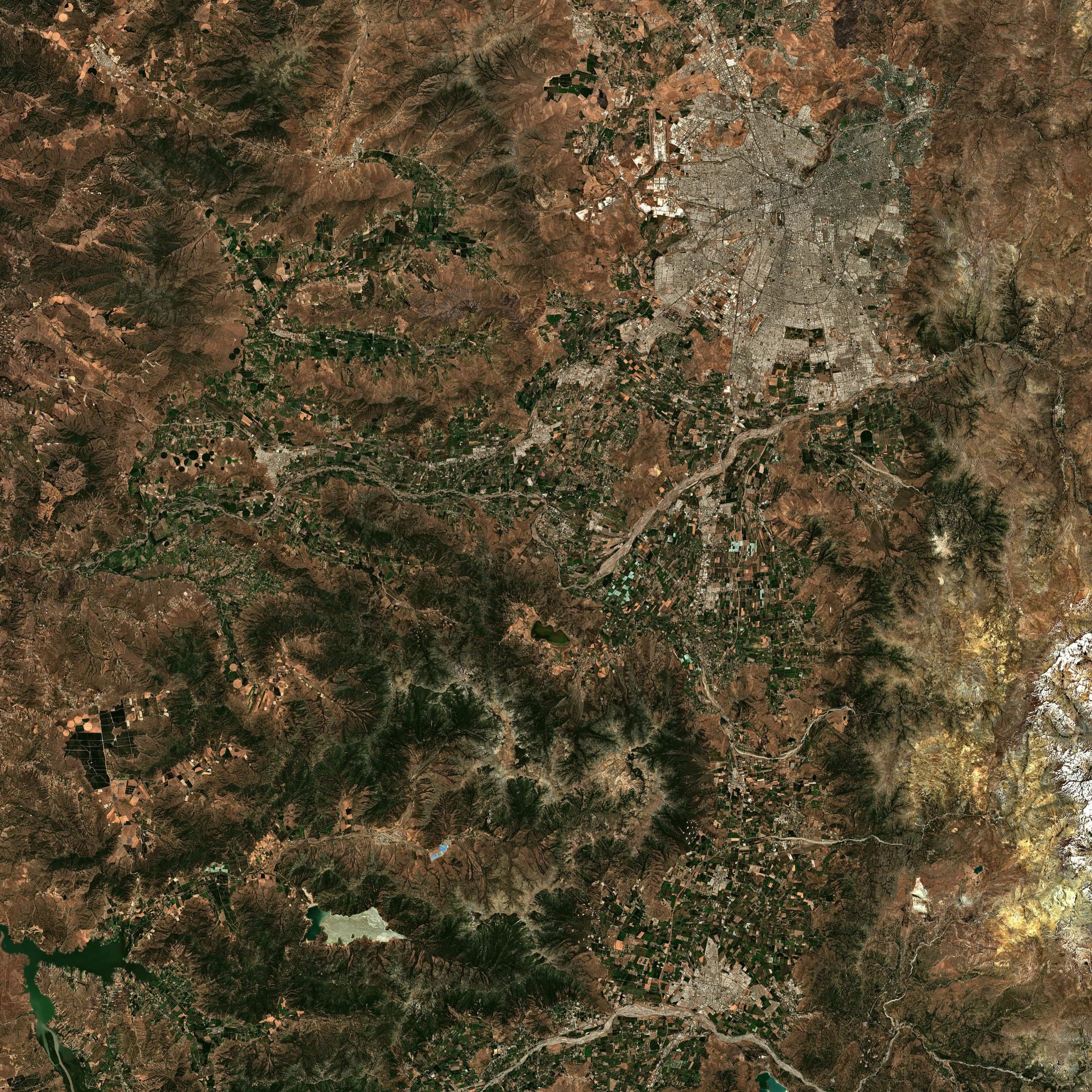
Chile's most prestigious red wine region, the Maipo Valley surrounds Santiago and extends from the Andes foothills to the coastal range. Alto Maipo, at higher elevations in the Andes foothills, produces Chile's most celebrated Cabernet Sauvignon with structure, depth, and elegance that rivals Bordeaux. The region's Mediterranean climate, with virtually no summer rainfall and irrigation from Andean snowmelt, creates predictable growing conditions. Warm days and cool Andean nights preserve acidity, while alluvial and volcanic soils add mineral complexity.

Vintage Ratings

Rating:
95+
90-94
85-89
80-84
<80
PeakReadyHold
Year20242023202220212020201920182017201620152014201320122011201020092008200720062005200420032002200120001999199819971996199519941993199219911990
Red

Outstanding Maipo Valley Vintages

The best recent vintages rated excellent or exceptional.

Red

2024

Almost ready
93Excellent

High natural acidity and strong varietal character. Longer growing cycle after drought years recharged soils.

2027Peak 203020382042

2023

Ready
91Excellent

Challenging vintage that required careful management. Warm conditions produced wines with fruit expression and roundness, though preserving acidity was key.

2026Peak 202920362040

2022

Ready
90Excellent

Excellent concentration, balance, purity, and structure. An extremely dry vintage alleviated by a moderate season that allowed optimal development.

2025Peak 202820382042

2021

Ready
93Excellent

Exceptional vintage for Maipo Cabernet Sauvignon. Fresh yet concentrated wines with lower alcohol and great acidity.

2024Peak 202820402045

2020

At peak
92Excellent

A demanding, hot, and dry vintage with an early, condensed harvest and lower yields. Reds show good concentration but slightly higher alcohol levels.

2023Peak 202620332036

2019

At peak
91Excellent

Balanced and cool, with good thermal amplitude yielding aromatically expressive Cabernet Sauvignon with balanced acidity. One of the top recent vintages for Maipo reds.

2022Peak 202620382042

2018

At peak
94Excellent

Slightly cooler-than-average temperatures produced structured, concentrated Cabernet Sauvignon with good freshness, acidity, and colour. Precise and age-worthy.

2021Peak 202520362040

2017

At peak
93Excellent

Hot summer temperatures delivered ripe wines with silky tannins and full flavours. An early harvest with low yields.

2020Peak 202420312034

2016

At peak
91Excellent

Untimely rains in Maipo cut yields and led to less concentrated flavours. A challenging year, though some producers made good wines through careful selection.

2019Peak 202220282030

2015

At peak
96Exceptional

A warm growing season and good harvest weather delivered powerful Cabernet Sauvignons from Maipo. One of the strongest regions in this vintage.

2018Peak 202320342038

2014

At peak
93Excellent

Spring frost cut crop size but good quality fruit was harvested. Crisp reds with moderate concentration.

2017Peak 202120292032

2012

At peak
90Excellent

Warm summer weather resulted in an early harvest with clean, disease-free fruit. Yields 15% above average.

2015Peak 201920292033

2011

At peak
93Excellent

Markedly cool and cloudy conditions with low yields led to a harvest of clean fruit. Fresh, elegant profiles rather than power.

2014Peak 201820272030

2010

Drink now
91Excellent

A cool spring delayed ripening for Cabernet Sauvignon. Lower yields but bright acidity and elegant fruit flavours.

2013Peak 201720252028

2008

Drink now
90Excellent

Long, very dry growing season resulted in reduced yields but greater concentration. Sometimes rugged tannin structures required balance.

2011Peak 201520232026

2007

At peak
92Excellent

Cooler temperatures through the growing season resulted in a late harvest and reduced yields. Maipo Cabernet shows supple textures and excellent length.

2010Peak 201520262030

2006

Drink now
90Excellent

Very consistent through all valleys. Late-ripening Cabernet Sauvignon was excellent.

2009Peak 201420242028

2005

At peak
91Excellent

Long, moderate growing season consistent through all valleys. Cabernet Sauvignon excelled with lots of ripe, soft tannins.

2008Peak 201320272032

2003

Past window
92Excellent

Cool start followed by a long season of warm days and cool nights. Wines show power and structure from all major valleys.

2006Peak 201120222025

2001

Past window
92Excellent

Dry, hot summer and low yields produced many solid wines. Maipo excelled alongside Aconcagua and Rapel.

2004Peak 200920202024
Curious about Maipo Valley? Save it to your Discoveries and tick it off when you taste your first wine.

Subregions

Alto Maipo

Terroir & Character

Climate

drymediterranean

Mediterranean climate with hot, dry summers and mild, wet winters. The Andes create cooling influences and significant diurnal temperature variation, allowing grapes to ripen fully while retaining natural acidity and developing complex flavors.

Terroir

diverse soilsalluvialclaylimestone

Diverse soils ranging from alluvial deposits near the Maipo River to rocky, well-draining clay and limestone soils in the foothills. The higher elevation Alto Maipo sub-region features particularly poor, stony soils that stress vines positively, concentrating flavors and producing more structured, age-worthy wines.

Typical Aromas

cassiseucalyptusdark chocolatetobacco leafred bell peppercedar
Explore the aroma wheel

Grapes of Maipo Valley

Frequently Asked Questions

What makes Maipo Valley wine special?
Maipo Valley is Chile's most prestigious red wine region, and what makes it special is its incredible terroir - it sits right in the Andes foothills around Santiago with amazing elevation differences. The Alto Maipo subregion produces Cabernet Sauvignon that's so structured and elegant it rivals the best Bordeaux wines. The combination of mountain slopes, diverse microclimates, and that dramatic temperature variation between day and night creates wines with serious depth and complexity.
What are the best Maipo Valley vintages?
The standout vintages are 2021 and 2019, both rated 5/5 - these were exceptional years that produced fresh yet concentrated Cabernet Sauvignon with incredible aromatics. 2024, 2022, and 2018 are also excellent at 4/5, with 2022 showing amazing concentration and balance from an extremely dry year. 2024 is looking great with high natural acidity and strong varietal character from a longer growing season.
What grapes are grown in Maipo Valley?
Cabernet Sauvignon is the king here - it's what Maipo Valley is famous for, especially from the Alto Maipo area. Carmenère is the other key grape, which is actually Chile's signature variety that was originally from Bordeaux but thrives in Chilean conditions. These two reds dominate the plantings and produce the region's most celebrated wines.
Is 2024 a good year for Maipo Valley?
Yes, 2024 is definitely a good year - it's rated 4/5 for reds in Maipo Valley. The wines show high natural acidity and strong varietal character, thanks to a longer growing cycle. While it's not quite at the exceptional level of 2021 or 2019, it's still a very solid vintage that should produce well-structured wines.
When should I drink Maipo Valley 2024?
Since 2024 Maipo wines are just being released, I'd suggest giving them at least 2-3 years to settle down and develop more complexity. The high natural acidity and strong structure from this vintage means they'll age beautifully - you could drink them from 2027 through the mid-2030s. If you want to try them young, decant them for an hour or two to help them open up.
What food pairs well with Maipo Valley wines?
Maipo Cabernet Sauvignon is perfect with red meat - think grilled steaks, lamb, or traditional Chilean asado barbecue. The structured, elegant style also works beautifully with roasted game, aged cheeses, and rich stews. For Carmenère, try it with spicier dishes like empanadas, grilled sausages, or anything with herbs and pepper - it loves those bold, earthy flavors.
How does Maipo Valley compare to other major wine regions?
Maipo Valley punches well above its weight - the best Alto Maipo Cabernet Sauvignon genuinely rivals Bordeaux in terms of structure and elegance, but with a distinctly Chilean character. It's more approachable than Napa Valley Cabernet when young, but ages just as gracefully. Compared to other South American regions like Mendoza, Maipo tends to be more refined and less powerful, focusing on finesse over pure concentration.