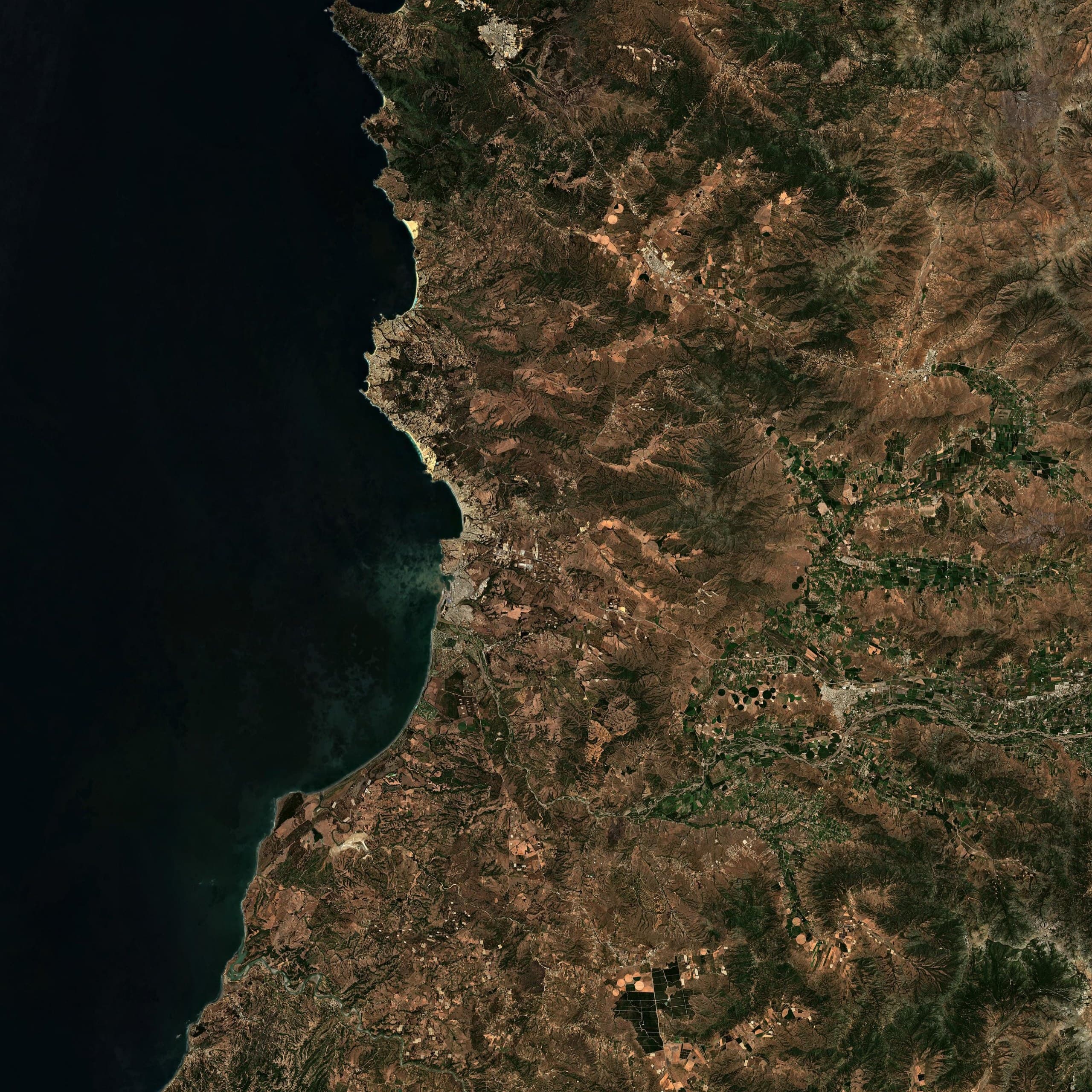
Casablanca Valley
Chile
About Casablanca Valley
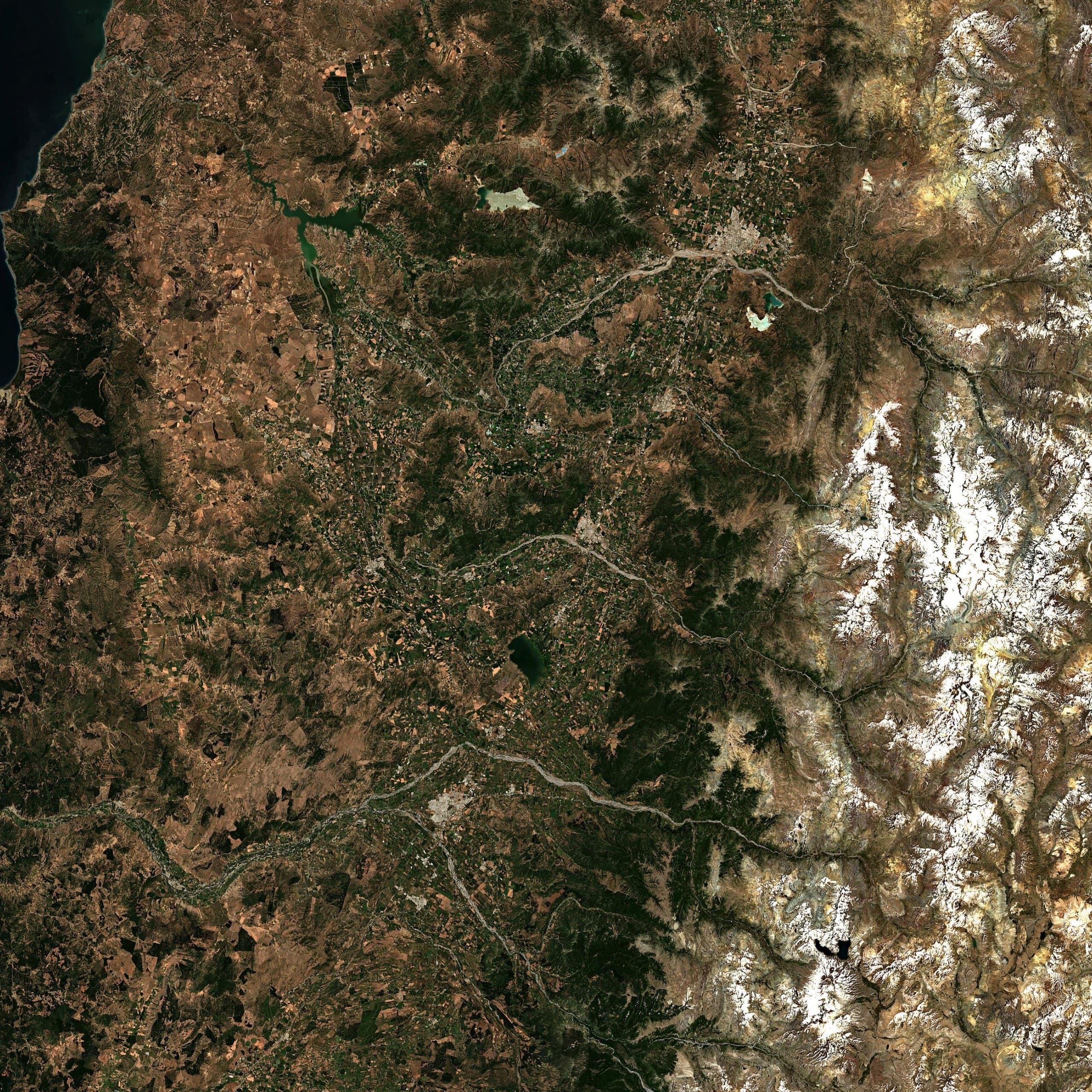
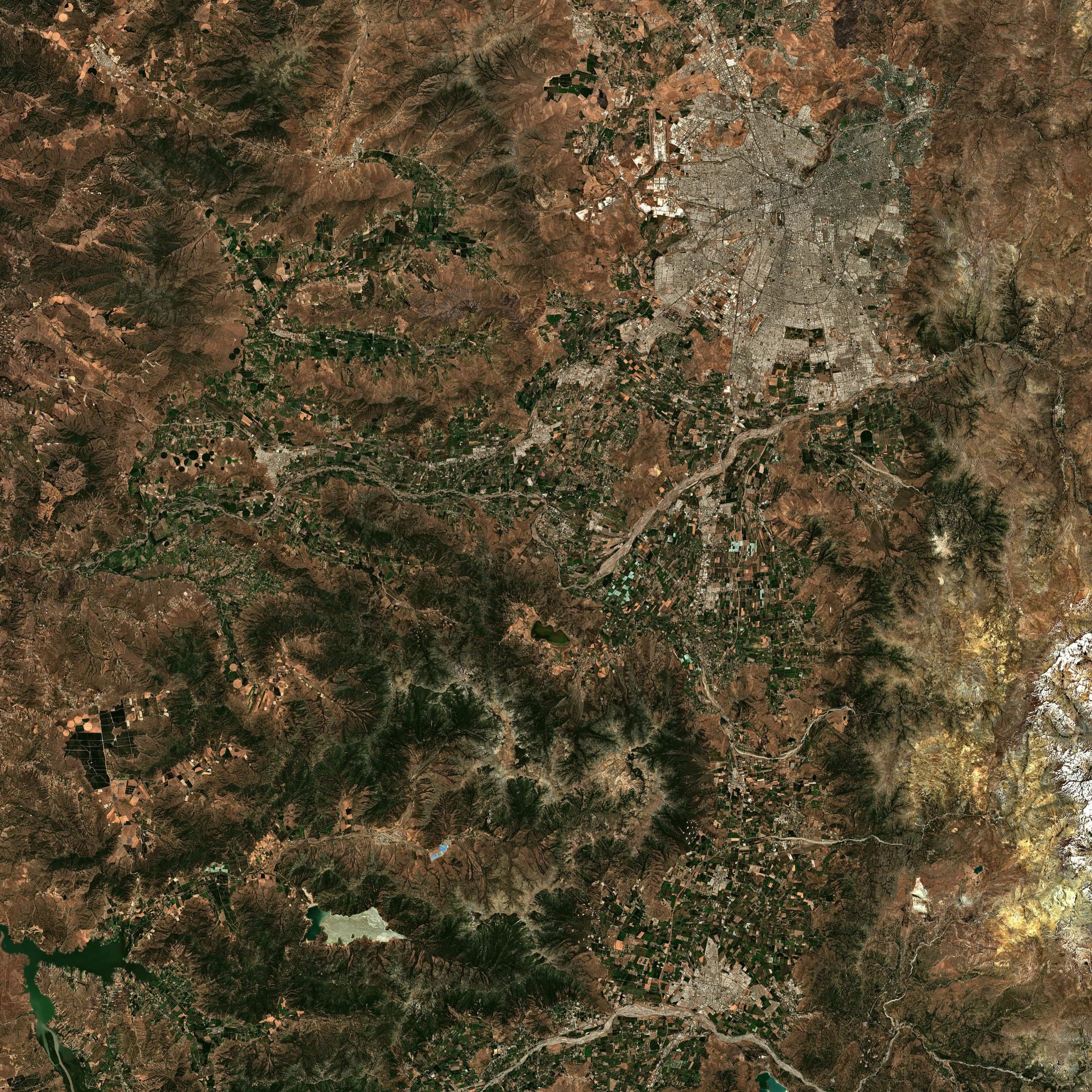
A pioneering cool-climate region that transformed Chilean wine in the 1990s, the Casablanca Valley sits between Santiago and the Pacific coast. Morning fog from the ocean moderates temperatures, creating ideal conditions for Sauvignon Blanc, Chardonnay, and Pinot Noir. Before its development, Chile was known primarily for warm-climate reds. Casablanca proved that the country could produce world-class whites and cool-climate varieties. The granite and clay soils, combined with the maritime influence, give the wines a mineral freshness that distinguishes them from warmer Chilean regions.
Vintage Ratings
Rating:
95+
90-94
85-89
80-84
<80
PeakReadyHold
Outstanding Casablanca Valley Vintages
The best recent vintages rated excellent or exceptional.
White
Terroir & Character
Climate
fog & mist
Cool, maritime-influenced climate with morning fog from the Pacific Ocean, afternoon sea breezes, and significant day-night temperature variation that preserves acidity and enhances aromatic complexity in the wines.
Terroir
chalkmineral-richwell-drainedclaylimestone
Predominantly clay and limestone soils with excellent drainage, sitting in a valley floor formation surrounded by coastal hills. The white, chalky clay retains moisture while allowing roots to penetrate deeply, creating ideal conditions for elegant, mineral-driven wines.
Typical Aromas
lime zestwet granitegreen appleocean breezewhite peppergooseberry
Explore the aroma wheelGrapes of Casablanca Valley
Frequently Asked Questions
What makes Casablanca Valley wine special?▼
Casablanca Valley revolutionized Chilean wine in the 1990s by proving Chile could make world-class cool-climate wines. The secret is its location between Santiago and the Pacific - morning fog rolls in from the ocean, keeping temperatures moderate and creating perfect conditions for elegant whites and Pinot Noir. Before this valley was developed, Chile was mainly known for heavy reds from hot inland areas.
What are the best Casablanca Valley vintages?▼
2021 was absolutely exceptional for Casablanca whites - a perfect 5/5 vintage with mild, cool conditions and extended ripening. Other standout years include 2022, 2018, 2013, and 2011, all rated 4/5. These cooler vintages produced fresh, well-structured Sauvignon Blancs and Chardonnays with excellent acidity.
What grapes are grown in Casablanca Valley?▼
The three kings of Casablanca are Sauvignon Blanc, Chardonnay, and Pinot Noir. The cool, foggy conditions are absolutely ideal for these varieties, allowing them to retain bright acidity and develop complex flavors. Sauvignon Blanc tends to be the star here, producing some of Chile's most elegant expressions of the grape.
Is 2022 a good year for Casablanca Valley?▼
Yes, 2022 was a very good vintage for Casablanca whites, rated 4/5. The moderate season temperatures allowed the white varieties to develop optimally, creating well-balanced wines with good structure. It's not quite at the exceptional level of 2021, but definitely a vintage worth seeking out.
When should I drink Casablanca Valley 2022?▼
Casablanca Valley whites are generally meant to be enjoyed young and fresh, typically within 2-5 years of vintage. For 2022, you can drink them now through around 2027. The Sauvignon Blancs are at their peak freshness now, while the Chardonnays might benefit from another year or two to develop more complexity.
What food pairs well with Casablanca Valley wines?▼
The crisp Sauvignon Blancs are perfect with seafood, goat cheese, and fresh herbs - think ceviche or grilled fish. Casablanca Chardonnays pair beautifully with roasted chicken, creamy pasta, or lobster. The elegant Pinot Noirs work great with salmon, duck, or mushroom dishes - anything that won't overpower their delicate fruit character.
How does Casablanca Valley compare to other major wine regions?▼
Think of Casablanca as Chile's answer to Marlborough or Sancerre - it's all about that cool-climate precision and bright acidity. The ocean influence is similar to California's Sonoma Coast, but Casablanca tends to be more restrained and food-friendly. It really put Chile on the map for premium whites, showing the world that Chile could do elegance, not just power.