
France
Beaujolais
France wine regions
About Beaujolais
193–544 m
Elevation range
Wine styles
11 Appellations
Avg. slope 2.4°
France wine regions
Vintages
15 · 2009–2023
Outstanding Beaujolais Vintages
The best recent vintages rated excellent or exceptional.
Red
Crus & Appellations
Classification System
Beaujolais uses a three-tier system based on geography. The 10 named crus in the north produce the most complex and age-worthy Gamay.
Cru
10 named villages: Moulin-à-Vent, Morgon, Fleurie, and 7 others
Beaujolais-Villages
38 communes in the northern hills with better terroir
Beaujolais AOC
Regional appellation, mostly from the flatter south
What Beaujolais produces
Red
100% Gamay, from joyful Nouveau to serious cru villages like Morgon and Fleurie.
Regional appellations
Beaujolais AOC
The regional appellation covering the whole area. Light, fruity Gamay from the southern plains.
Beaujolais-Villages
A step up from regional Beaujolais, from 38 named communes in the northern hills.
Beaujolais Nouveau
Released on the third Thursday of November, just weeks after harvest. Made by carbonic maceration.
Coteaux Bourguignons
A cross-regional AOC shared with Burgundy, allowing blends of Gamay with Pinot Noir.
Grapes of Beaujolais
Climate
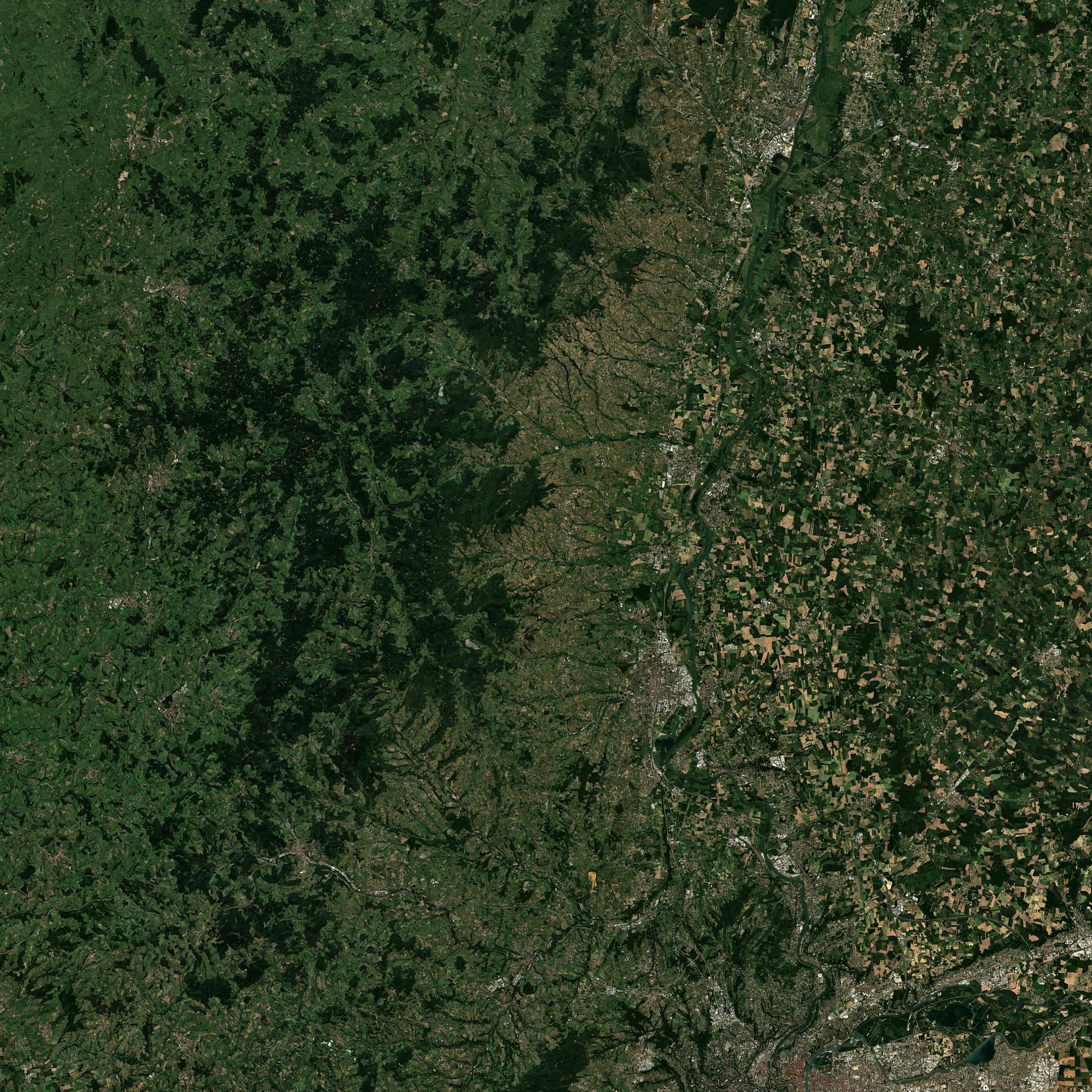
Continental climate with warm summers and cold winters, moderated by the Saône River valley. The climate creates ideal conditions for Gamay, allowing the grapes to ripen fully while maintaining the bright acidity that makes these wines so food-friendly and refreshing.
Terroir
The region splits into two distinct zones: the northern granite hills of the crus with thin, poor soils that stress vines into producing concentrated fruit, and the southern plains with richer clay-limestone soils perfect for lighter, everyday wines. This granite foundation is crucial – it drains well and reflects heat, helping Gamay develop its signature bright fruit character.
More in France
Frequently Asked Questions
What makes Beaujolais wine special?▼
What are the best Beaujolais vintages?▼
What grapes are grown in Beaujolais?▼
What food pairs well with Beaujolais wines?▼
How does Beaujolais compare to other major wine regions?▼
Map data: INAO