
Country
France
The grammar of fine wine
France is where most of the world's wine vocabulary was written. Twelve regions, hundreds of appellations, and a single shared idea: the place comes first.
12
Wine regions
360+
Appellations
42–51° N
Latitude band
Merlot
Top grape
AOP, since 1935
Classification
~45 M hL
Annual production
The country
Why France matters
France did not invent wine, but it did invent the way we talk about it. Burgundy taught the world to think in sites. Bordeaux taught it to think in blends. Champagne turned a chilly mistake into the most-celebrated bottle on earth.
The rules came from this: the AOC system in 1935 was the first national attempt to tie a wine's name to a specific village, set of grapes, and method. Most of Europe followed.
What keeps the country in the conversation today is not the rule book but the range. France grows wine on Atlantic limestone, Alpine slate, Mediterranean garrigue, and chalk so deep it cellars itself.
What grows here
The signature grapes
The varieties that define France. Tap any card to drill into the grape's profile.
The land
Terroir at a glance
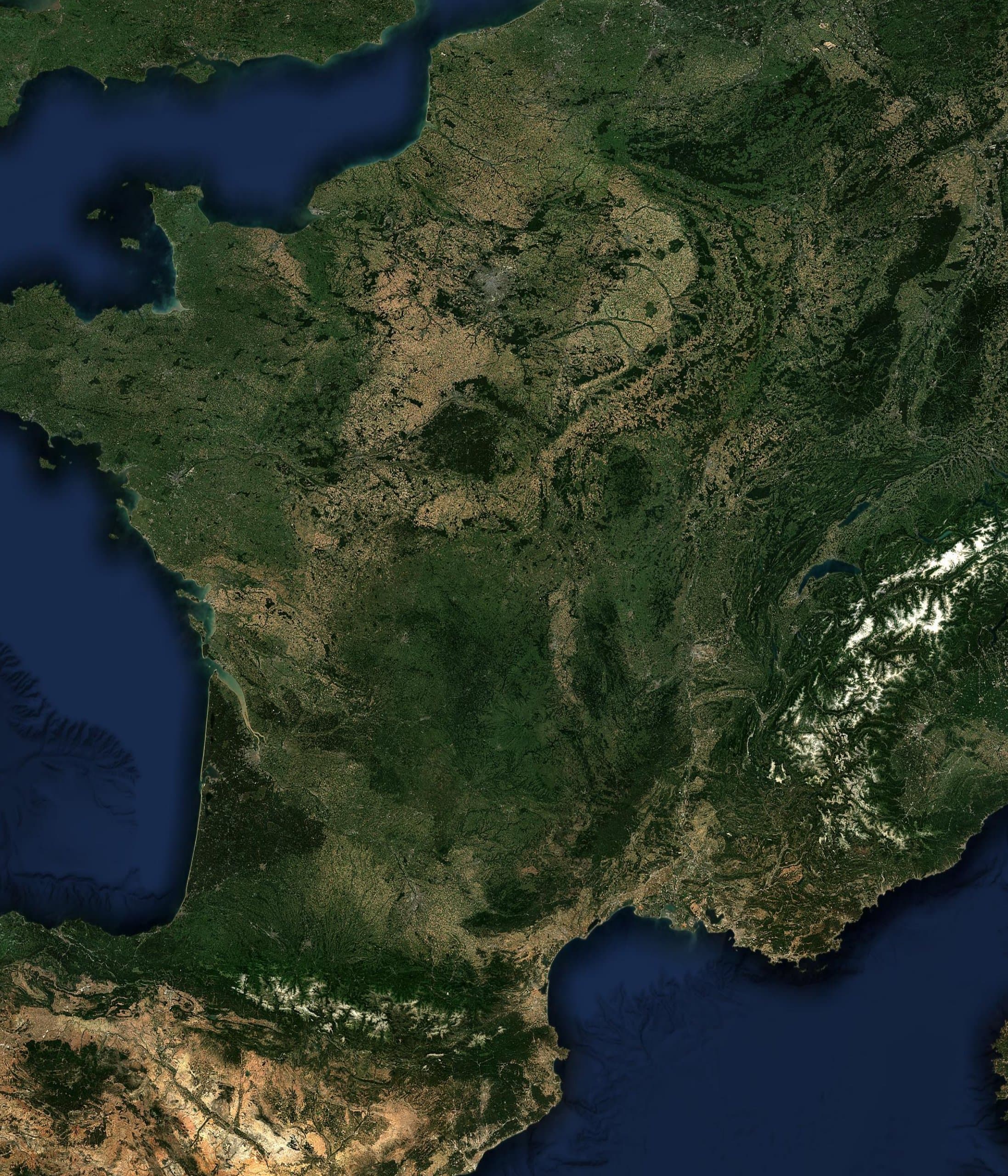
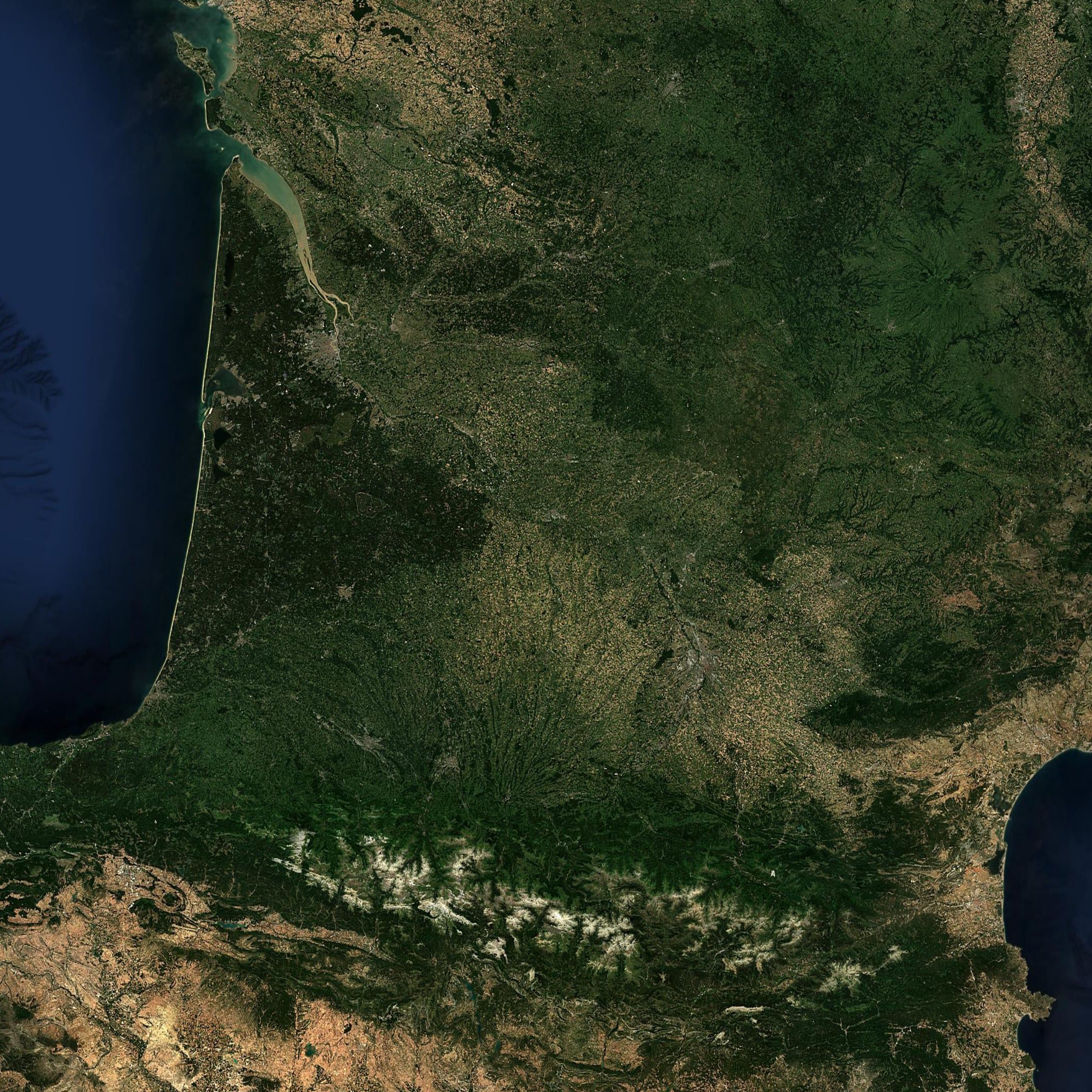
France makes serious wine across four very different climates, all in one country. What binds them is geography: the Gulf Stream, the Alps and Massif Central, and a network of rivers that carve out warm slopes facing the sun.
The Atlantic west
From Bordeaux up through the Loire and into Champagne, the climate is mild, damp, unpredictable. Vintage variation is real. Bordeaux's habit of blending several grape varieties is partly insurance against a wet September.
The continental east
Burgundy, Alsace, Beaujolais. Warmer summers, colder winters, and limestone subsoils that hold heat into the night. Pinot Noir and Chardonnay's home, plus the only French region that genuinely competes with Germany on Riesling.
The mountain heart
The Northern Rhône and the upper Loire run on steep granite and schist slopes facing the river. Yields are tiny and the wines bracing. Syrah and Viognier reach an intensity here they rarely match elsewhere.
The Mediterranean south
Provence, Languedoc-Roussillon, Southern Rhône. Sun, Mistral wind, and garrigue scrub of thyme and rosemary that perfumes everything that grows. Grenache, Mourvèdre, and Cinsault thrive on stones too poor for any other crop.
On the map
The regions worth visiting
Only regions with mapped vineyards and full guides are shown. Each tile leads to its appellations and vintages.
France wine regions. Select a region to learn more.
The classics
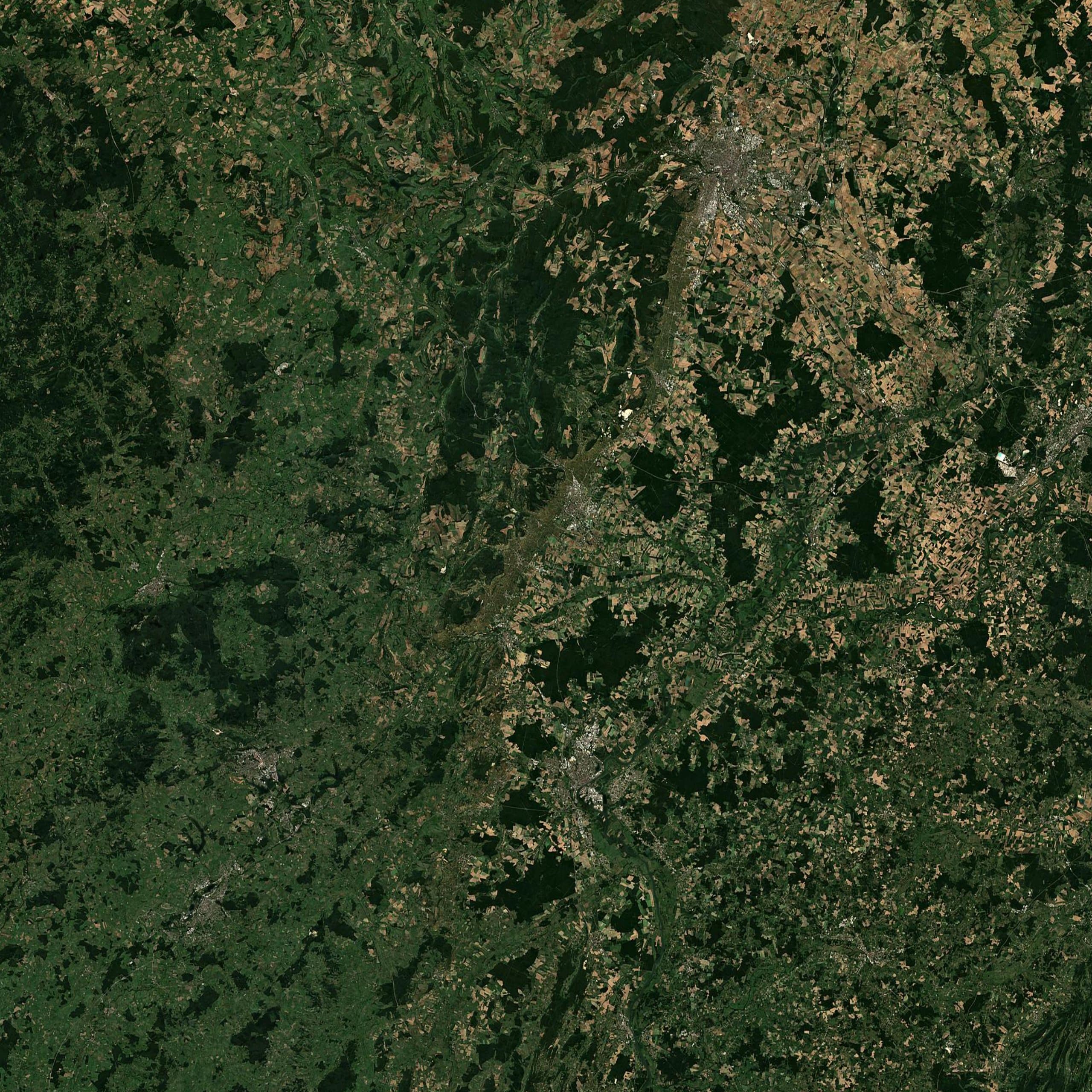
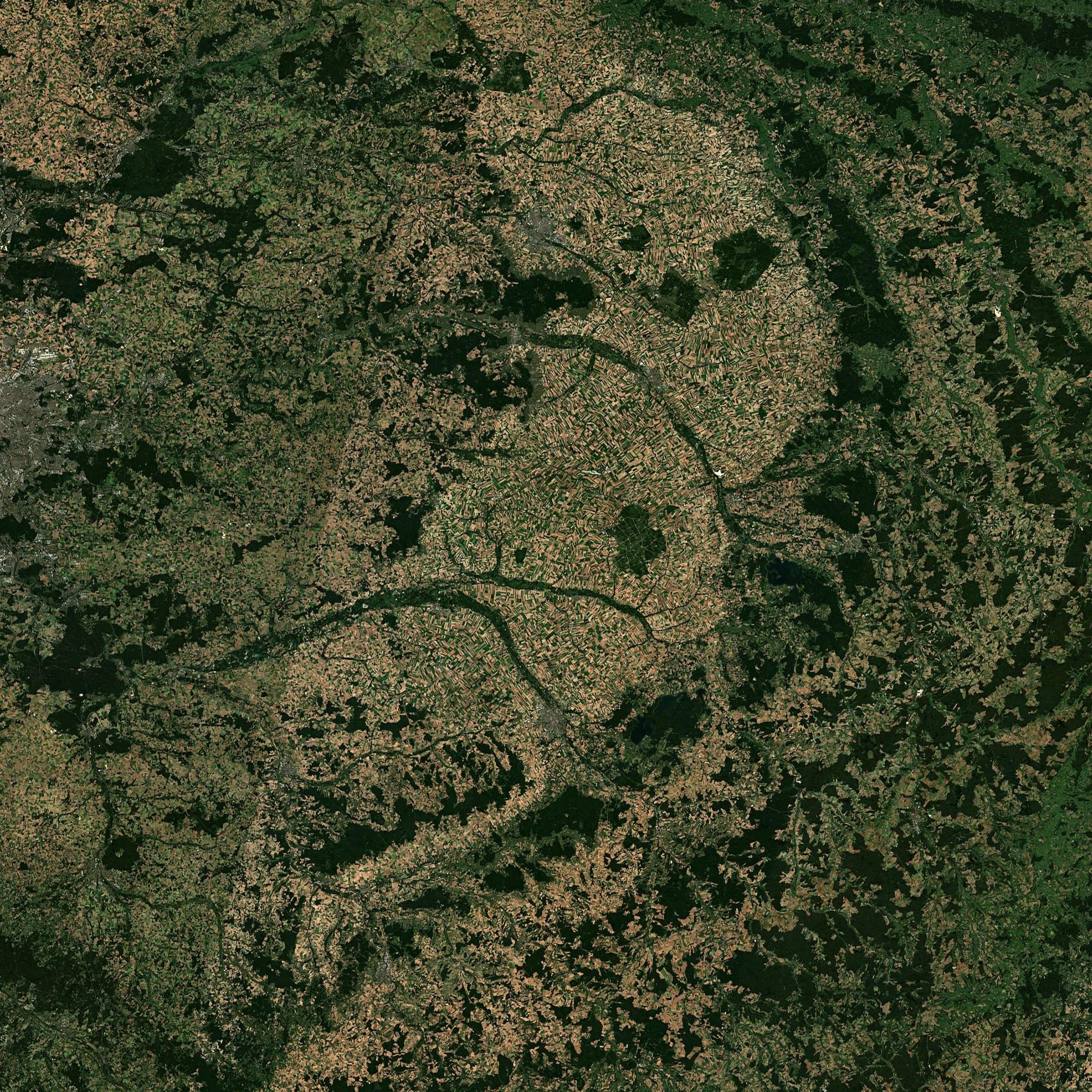
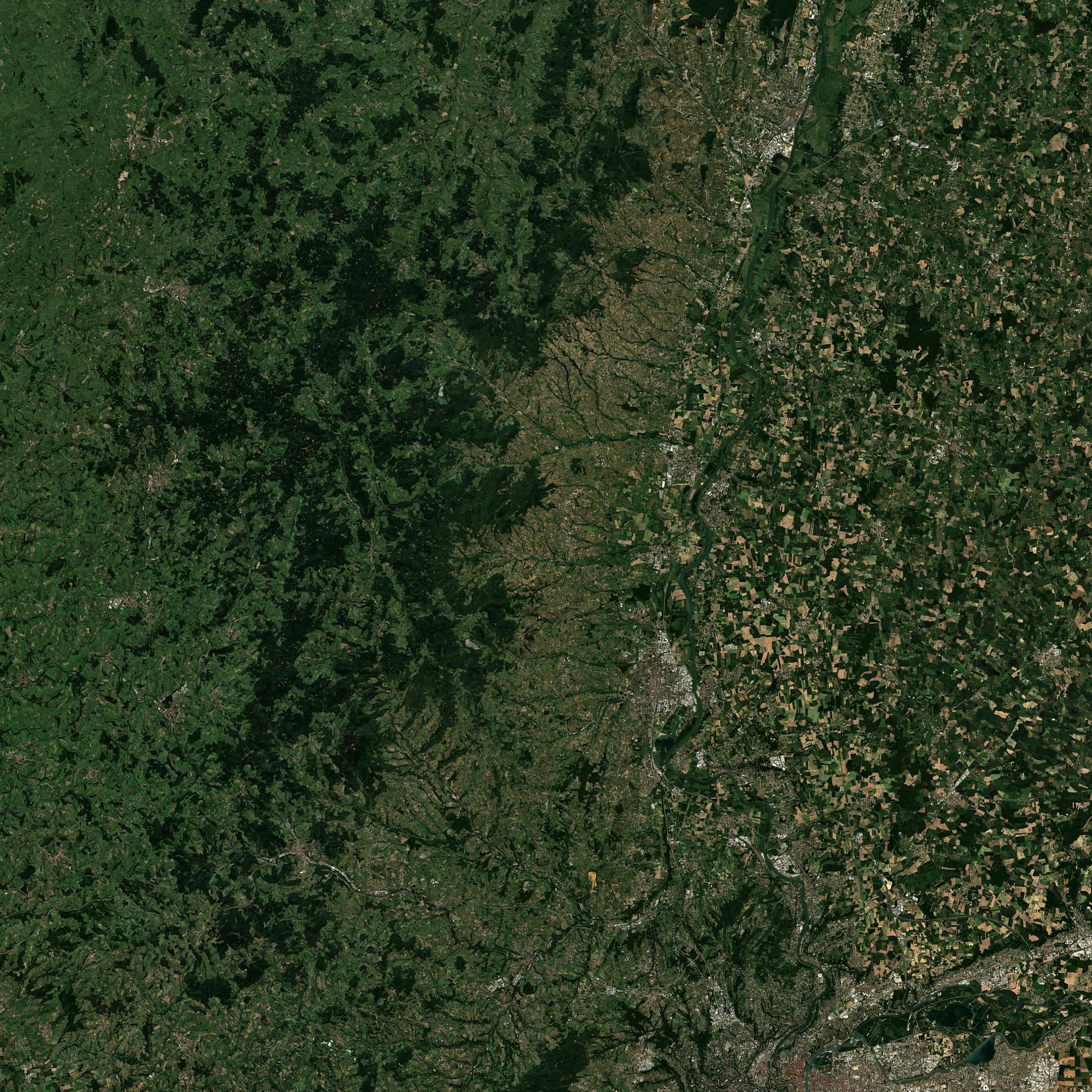
The three regions every wine list eventually references. Different grapes, different climates, one shared obsession with site.
The river valleys
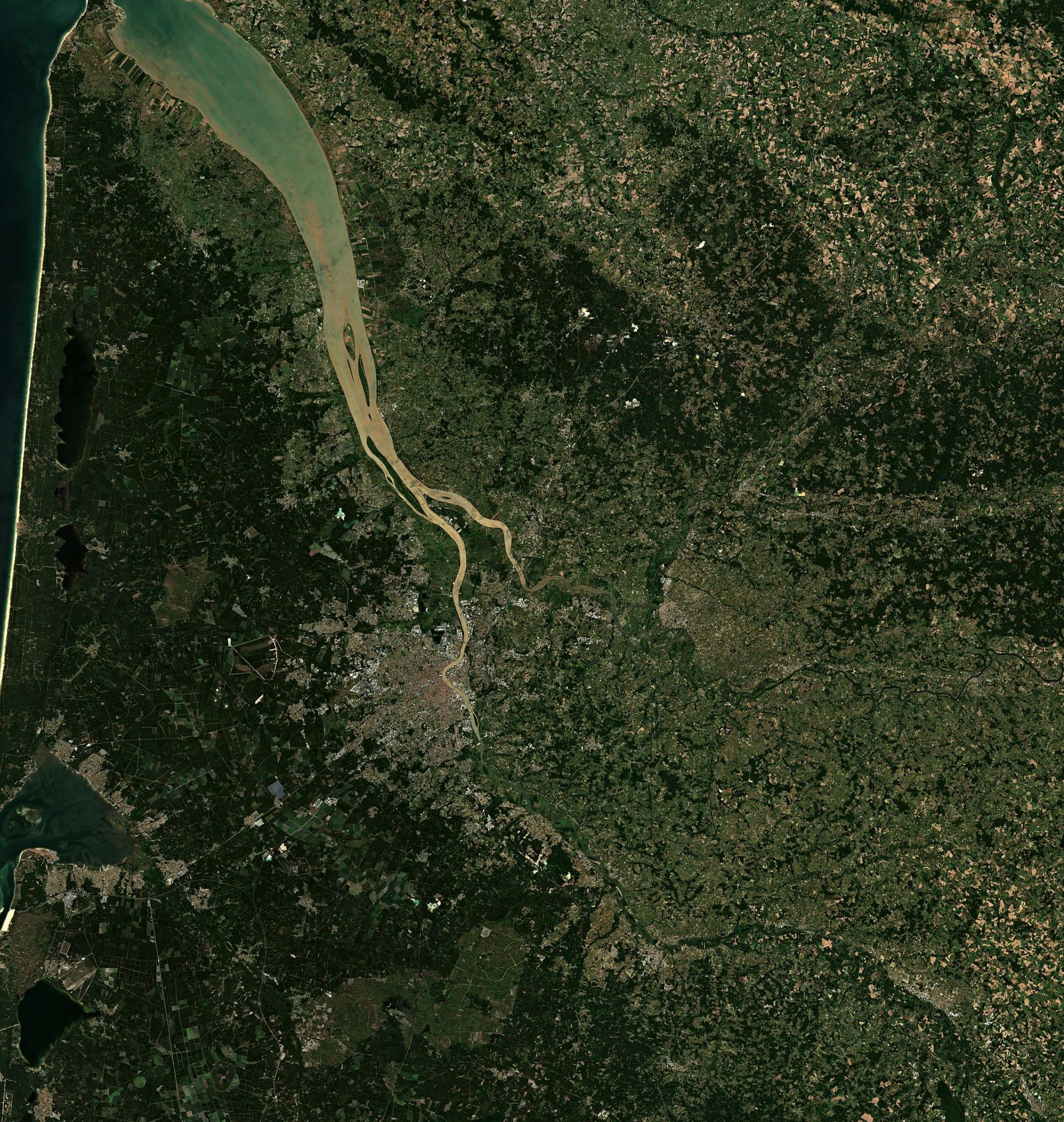
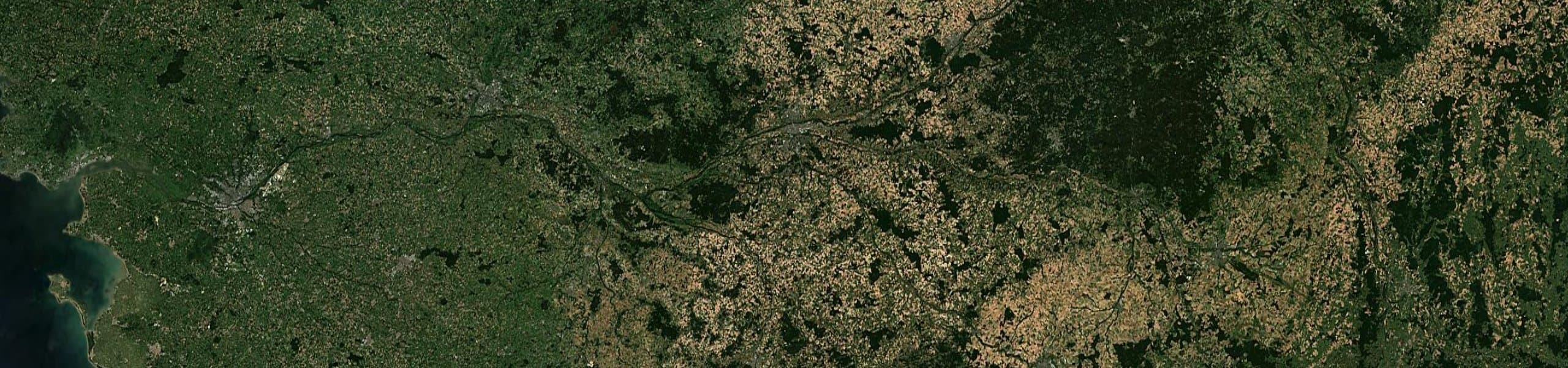
Long corridors that move from cool Atlantic to warm Mediterranean as you travel south.
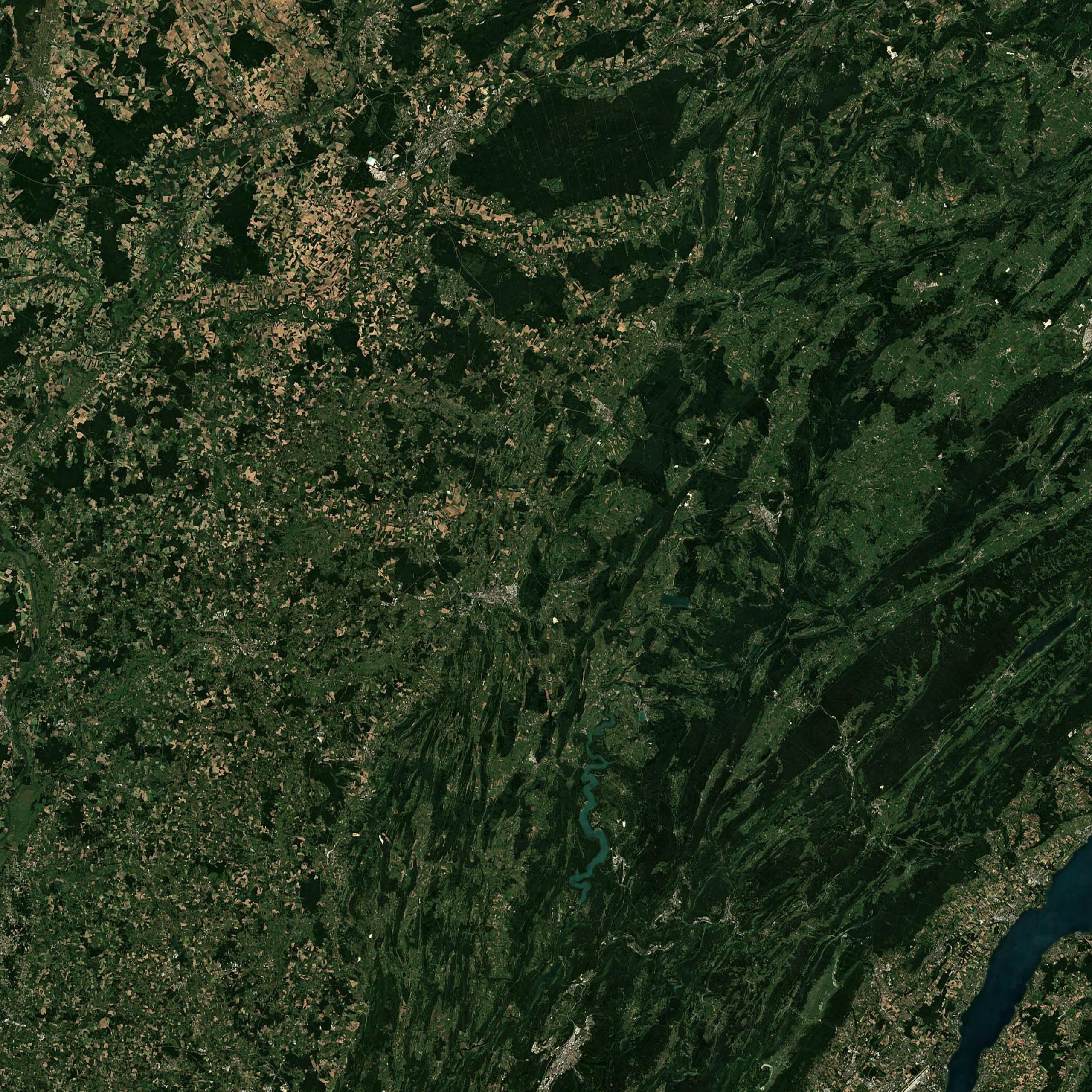
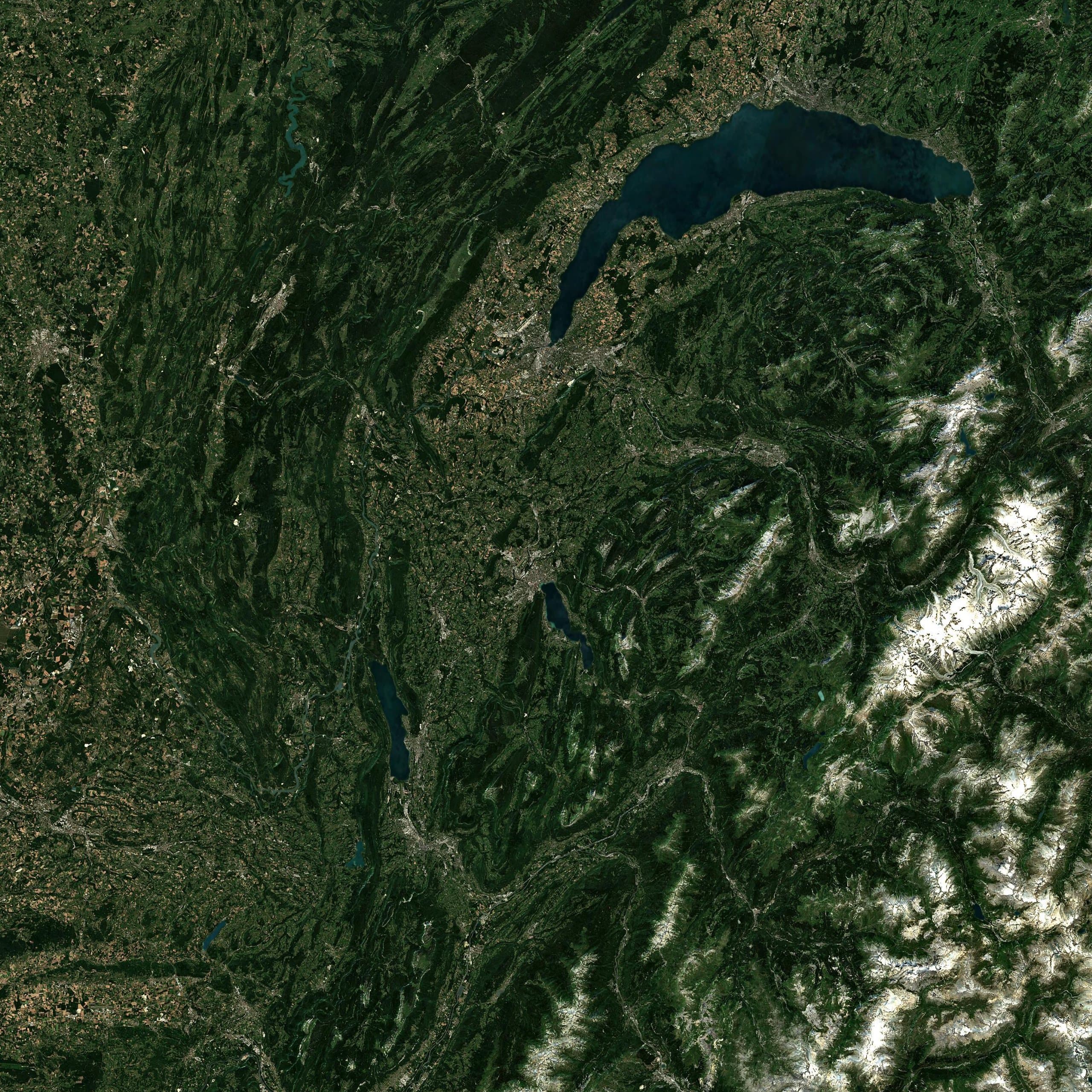
Eastern France
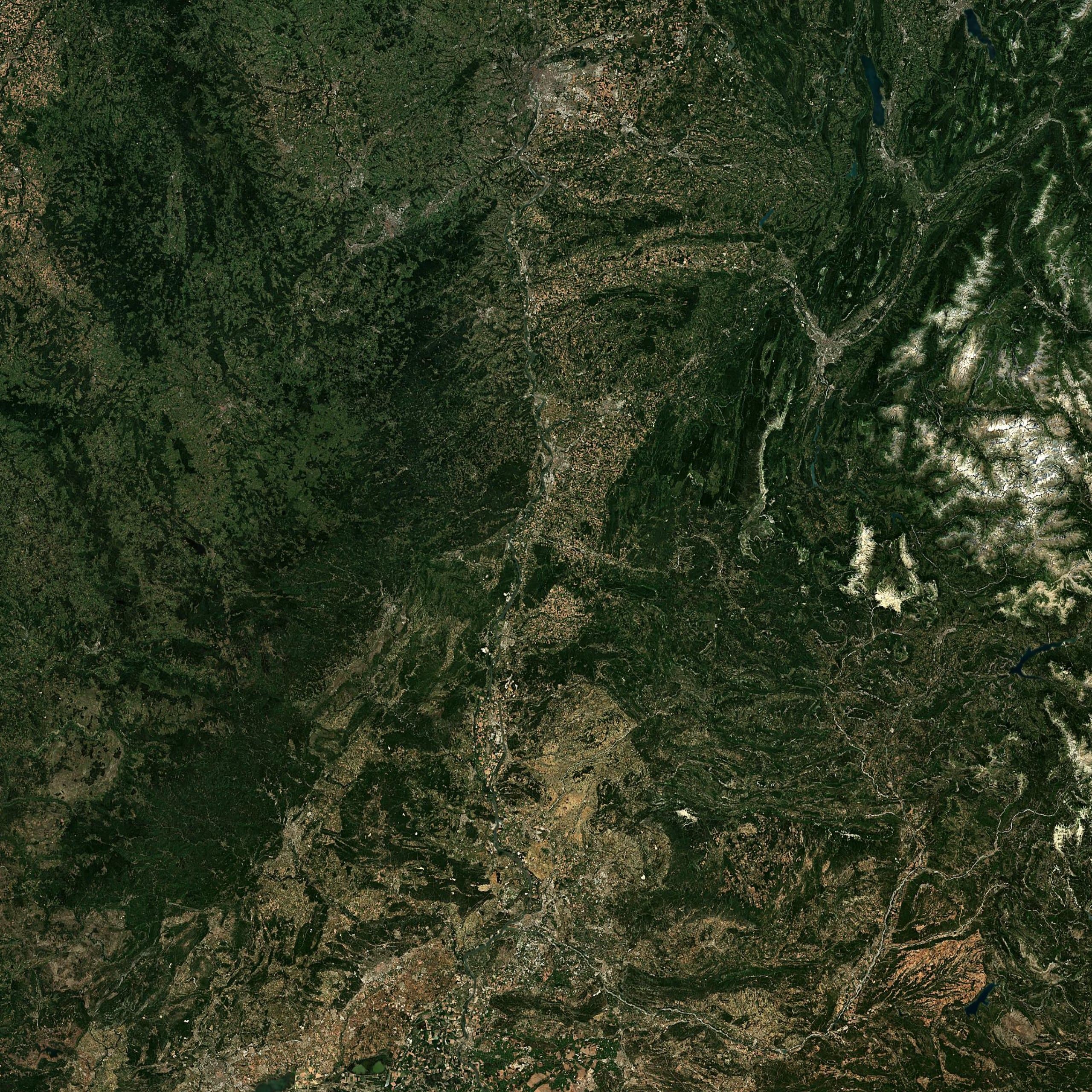
Mountain and border country. Aromatic whites, oxidative reds, and styles you will not find anywhere else.
The south
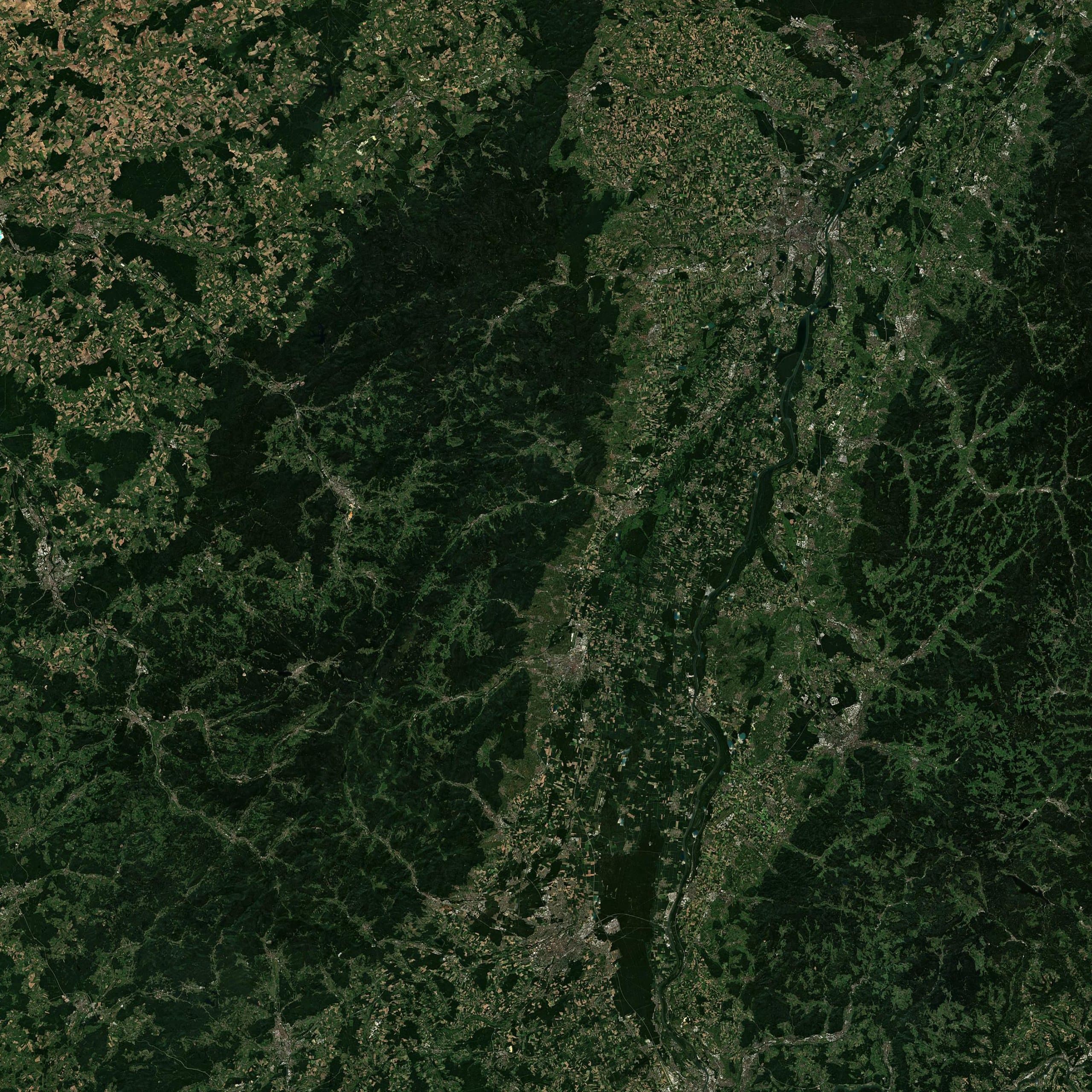
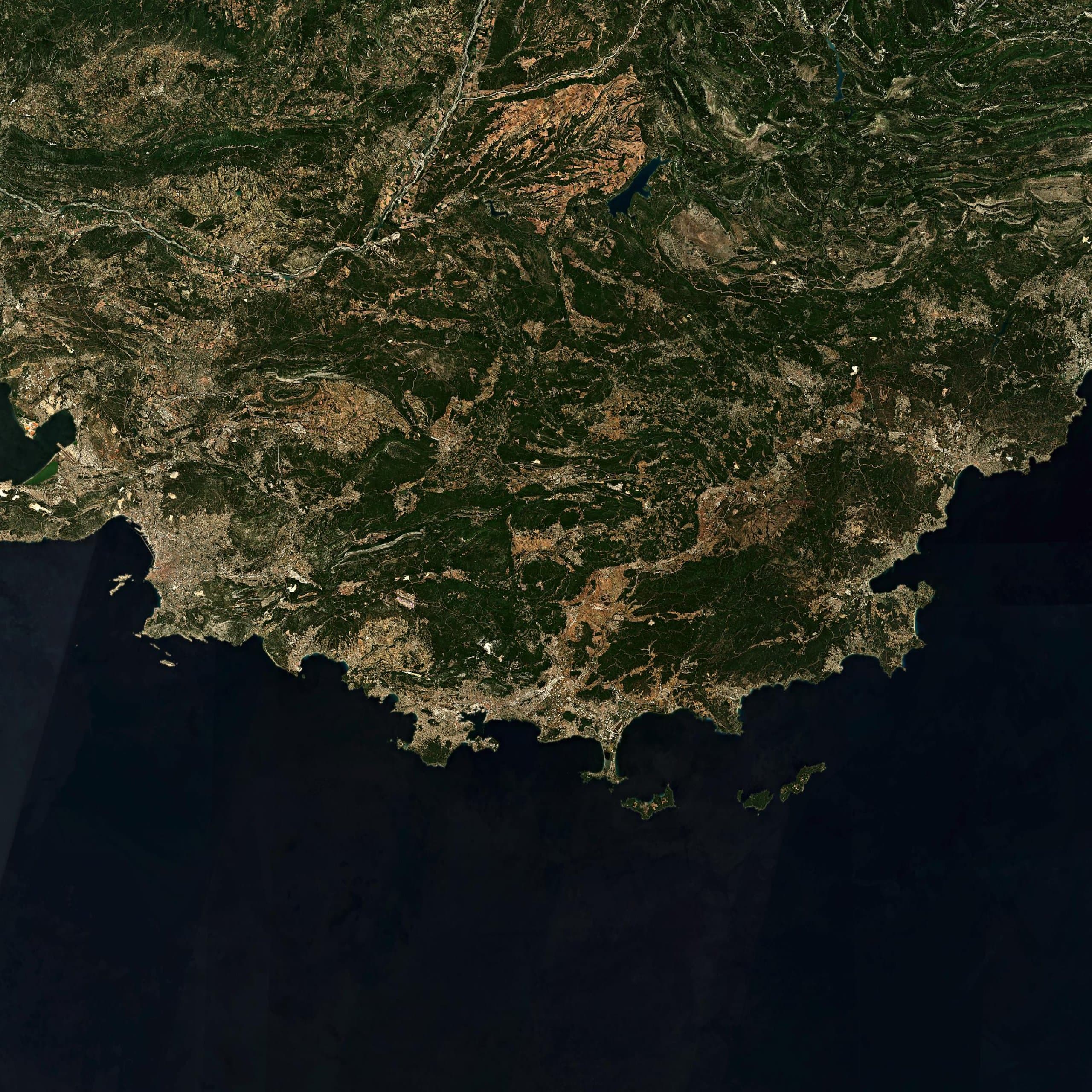
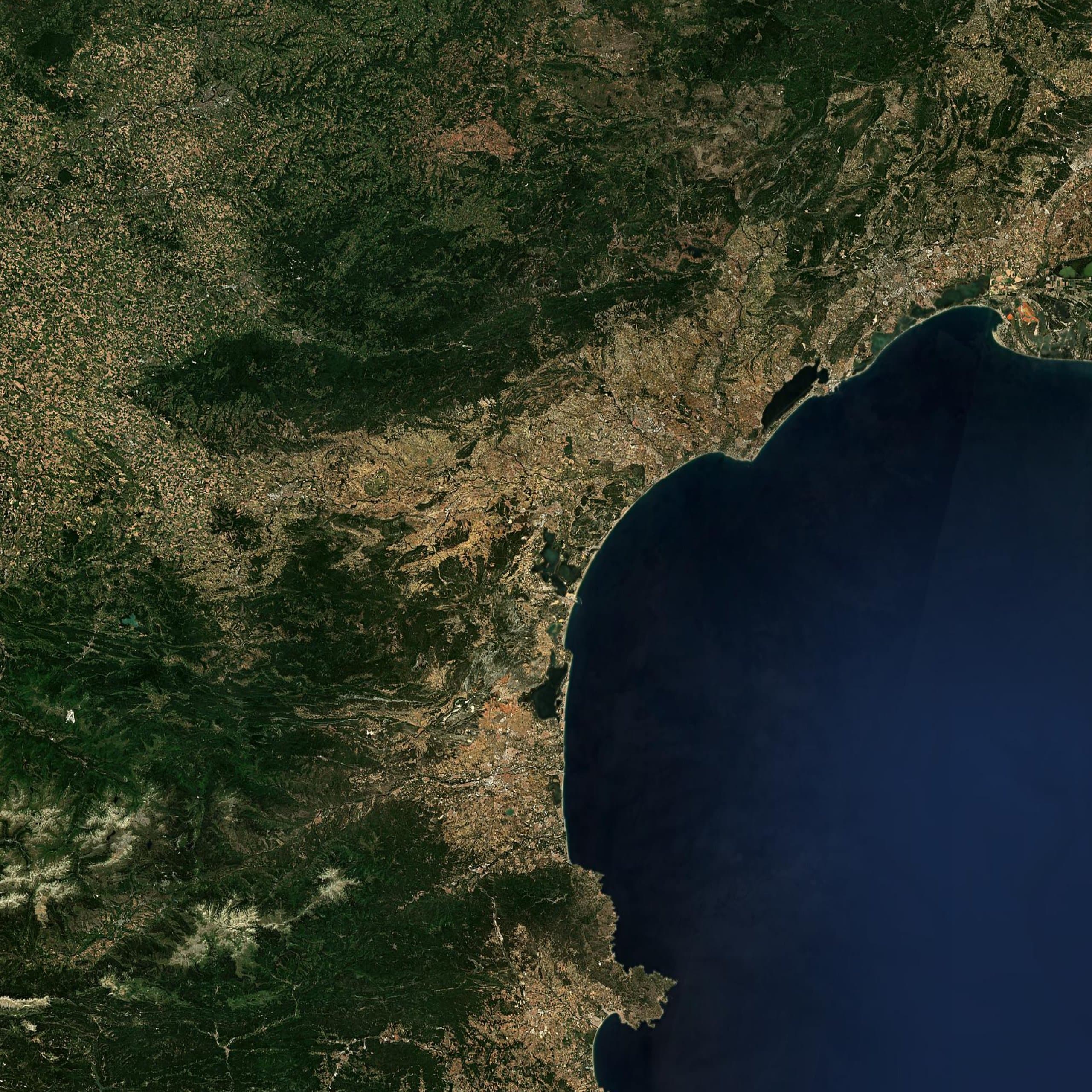
Mediterranean light, garrigue, and the most dynamic value wines in France right now.
The system
How wine is classified in France
French wine is sorted into a three-tier pyramid. The principle is simple: the more specific the place on the label, the stricter the rules.
- 01
AOP / AOC
Appellation d'Origine Protégée (or its older national name AOC) names a specific village, district, or region and dictates which grapes can be grown, how vines are pruned, and how wine is made. About half of all French wine.
- 02
IGP
Indication Géographique Protégée covers wider regions like Pays d'Oc or Vallée de la Loire. Looser rules, more grapes allowed, and producers have room to experiment. A great hunting ground for value.
- 03
Vin de France
The base tier. No regional claim, no grape restrictions. Mostly supermarket wine, but a small group of ambitious producers use it deliberately to bypass appellation rules.
A tasting plan
Where to start
France is best learned through three doorways: an everyday food wine, a serious villager, and one bottle that takes the country seriously. You can do the whole arc in a single weekend.
Start here
Friendly, food-friendly, and unmistakably French. Three under-twenty bottles that show what the country does well at the everyday tier.
Beaujolais Villages
Beaujolais · Gamay
Light, juicy, served slightly chilled. Soft tannins and bright cherry fruit make it the friendliest French red and a great way to learn what light, food-friendly reds can do.
Muscadet Sèvre-et-Maine sur lie
Loire Valley · Melon de Bourgogne
A briny, salty Loire white made for shellfish. 'Sur lie' on the label means the wine was aged on its spent yeast cells, which adds a creamy depth under the bright citrus. Rarely expensive.
Côtes du Rhône Villages
Rhône Valley · Grenache blend
Warm, peppery, generous. Tells you most of what you need to know about Mediterranean France.
Go deeper
Step up one tier from the headline names. Same DNA, sharper focus, prices that still make sense.
Sancerre
Loire Valley · Sauvignon Blanc
Flint, citrus, the cool side of Sauvignon. A textbook for what limestone does to a white grape.
Chablis Premier Cru
Burgundy · Chardonnay
Oyster-shell, lemon zest, no oak. The bottle that explains why Burgundians take Chardonnay so seriously.
Saint-Joseph
Rhône Valley · Syrah
Syrah grown on steep granite slopes along the Northern Rhône river. Black pepper, smoked meat, bright acidity. The most affordable way to taste serious Northern Rhône Syrah.
For the curious
When you're ready to spend more, these are the bottles that pay back the time and the money.
Volnay or Pommard, village level
Burgundy · Pinot Noir
Where red Burgundy starts to repay the spend. Look for a 'domaine' bottling (the producer grows their own grapes) rather than a 'négociant' (a house that buys grapes from other growers) — the difference shows up clearly in the glass.
Saint-Julien classed-growth
Bordeaux · Cabernet blend
A 'classed-growth' is one of the historic top châteaux ranked in 1855. Saint-Julien sits in the middle of Bordeaux's Médoc peninsula, between powerful Pauillac and silkier Margaux — the most balanced introduction to serious Bordeaux. Cellar at least five years.
Grower Champagne
Champagne · Chardonnay or Pinot Noir
A Champagne made by the family that farms the vines, usually from a single village (look for 'RM' on the label). More terroir character than the big houses, and a different drink entirely.
At the table
Wine and food in France
Wine in France is a table fixture, not an event. A weeknight dinner in Lyon assumes a bottle of Beaujolais on the table the way a London pub assumes a pint. The pairings track regional cooking with quiet precision: drink local where you can, because the wine and the food evolved together.
Frequently Asked Questions
Is French wine always expensive?▼
What is the difference between AOC and AOP?▼
Why are French wines named after places, not grapes?▼
Should I age every French wine?▼
What is a 'Grand Cru' and is it always better?▼
Why do French wine vintages get so much attention?▼
Keep exploring