What makes Galicia wine special?▼
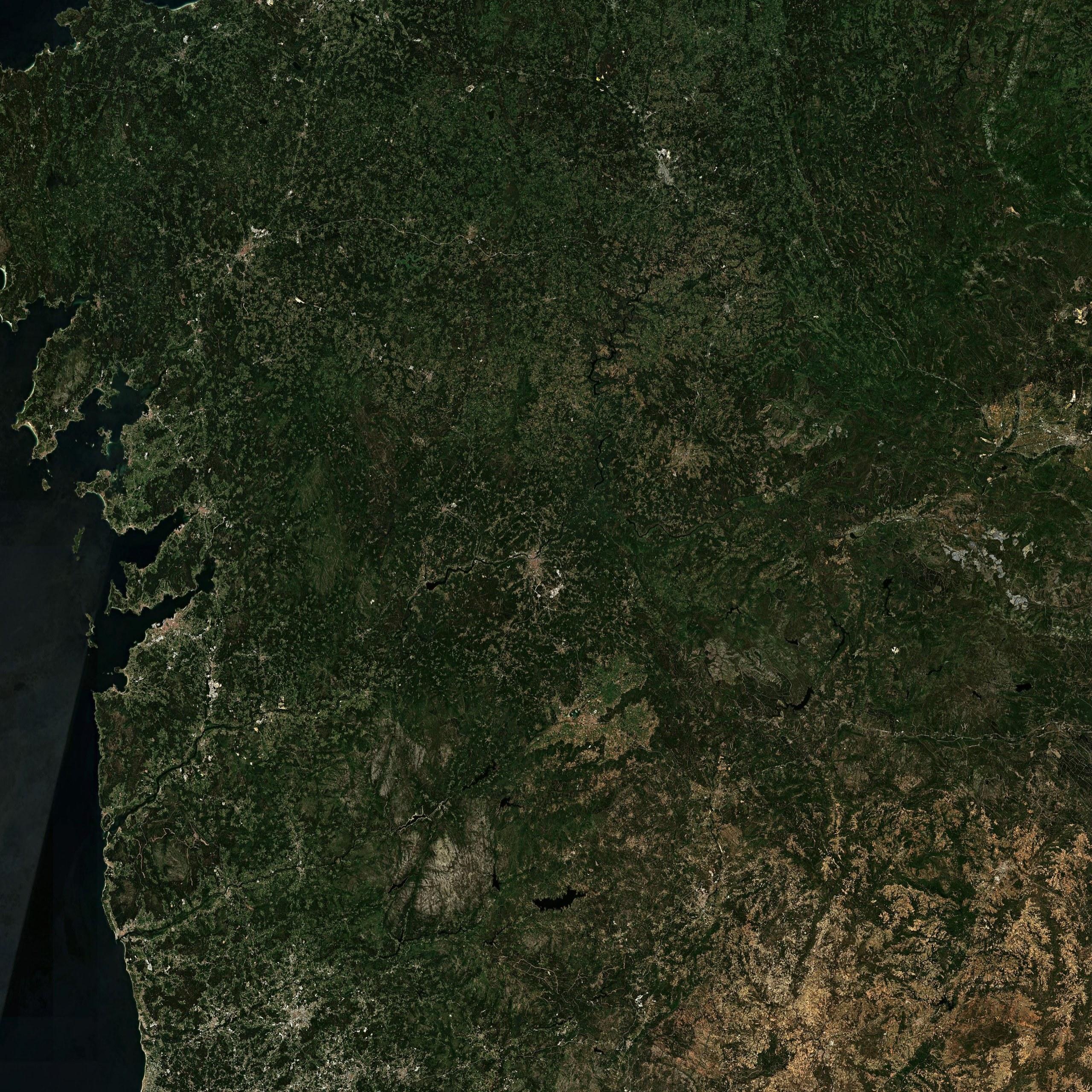
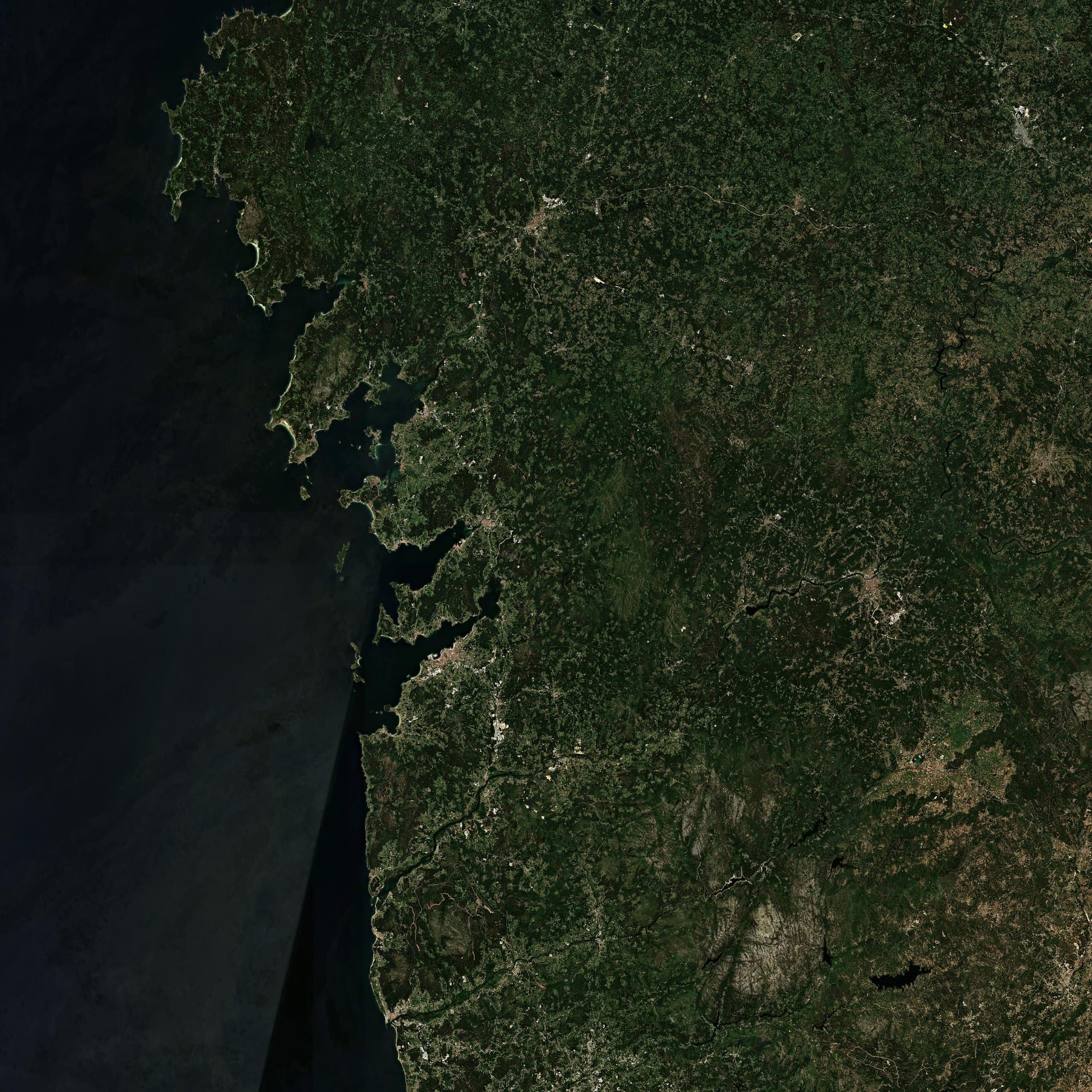
Galicia's unique Atlantic climate and granite soils create incredibly mineral-driven, fresh wines that are totally different from the rest of Spain. The region specializes in crisp, aromatic whites like Albariño that have this amazing saline quality from the ocean influence. You're getting wines with incredible acidity and elegance that pair beautifully with seafood - which makes perfect sense given Galicia's coastal location.
What are the best Galicia vintages?▼
For Albariño, 2018, 2019, and 2021 were exceptional years with great balance of ripeness and acidity. The 2020 vintage was also solid, though some producers struggled with rain during harvest. Generally, Galician whites are meant to be enjoyed young and fresh, so I'd focus on wines from the last 3-4 years rather than hunting for older bottles.
What grapes are grown in Galicia?▼
Albariño is the star white grape, especially in Rías Baixas, producing those famous mineral-driven wines. You'll also find Godello (making more structured, age-worthy whites), Treixadura, and Loureira for whites. For reds, Mencía dominates in places like Ribeira Sacra and Valdeorras, creating light, elegant wines with great freshness.
What food pairs well with Galicia wines?▼
Galician wines are absolutely perfect with seafood - think oysters, grilled octopus, or any shellfish with that classic Albariño pairing. The Mencía reds work beautifully with lighter meats like pork or game birds. These wines have such great acidity that they cut through rich, creamy sauces and complement the region's famous empanadas and cheese like Tetilla.
How does Galicia compare to other major wine regions?▼
Galicia is like Spain's answer to Loire Valley or northern Portugal - it's all about freshness and minerality rather than power and concentration. While Rioja and Ribera del Duero focus on structured reds, Galicia excels at elegant whites and light reds that reflect their cool, Atlantic climate. The region produces some of Spain's most food-friendly wines with a completely different personality from the country's more famous regions.