
Country
Spain
Old vines, new quiet revolution
More land under vine than any country on earth, some of the oldest vineyards still in production, and a generation of growers rewriting what Spanish wine sounds like.
70+ DO
Wine regions
Rioja, Priorat
DOCa / DOQ
Tempranillo
Top grape
~960,000 ha
Vineyard area
36–43° N
Latitude band
3,000+ years
Sherry tradition
The country
Why Spain matters
For decades Spain was thought of as a value source. The last twenty-five years have rewritten that. Rioja's modernist reds, Priorat's stony intensity, Galicia's salty whites, Bierzo's fresh-faced Mencía, and Sherry's long-overdue comeback are happening at the same time.
The country's edge is altitude. The Meseta plateau sits at 600–1,000 metres, which is why Spanish reds feel sun-drenched but keep their freshness.
And Sherry is its own argument. Nowhere else can flor — the layer of native yeast that protects Fino and Manzanilla — survive. It is the most under-appreciated category in serious wine.
What grows here
The signature grapes
The varieties that define Spain. Tap any card to drill into the grape's profile.
The land
Terroir at a glance
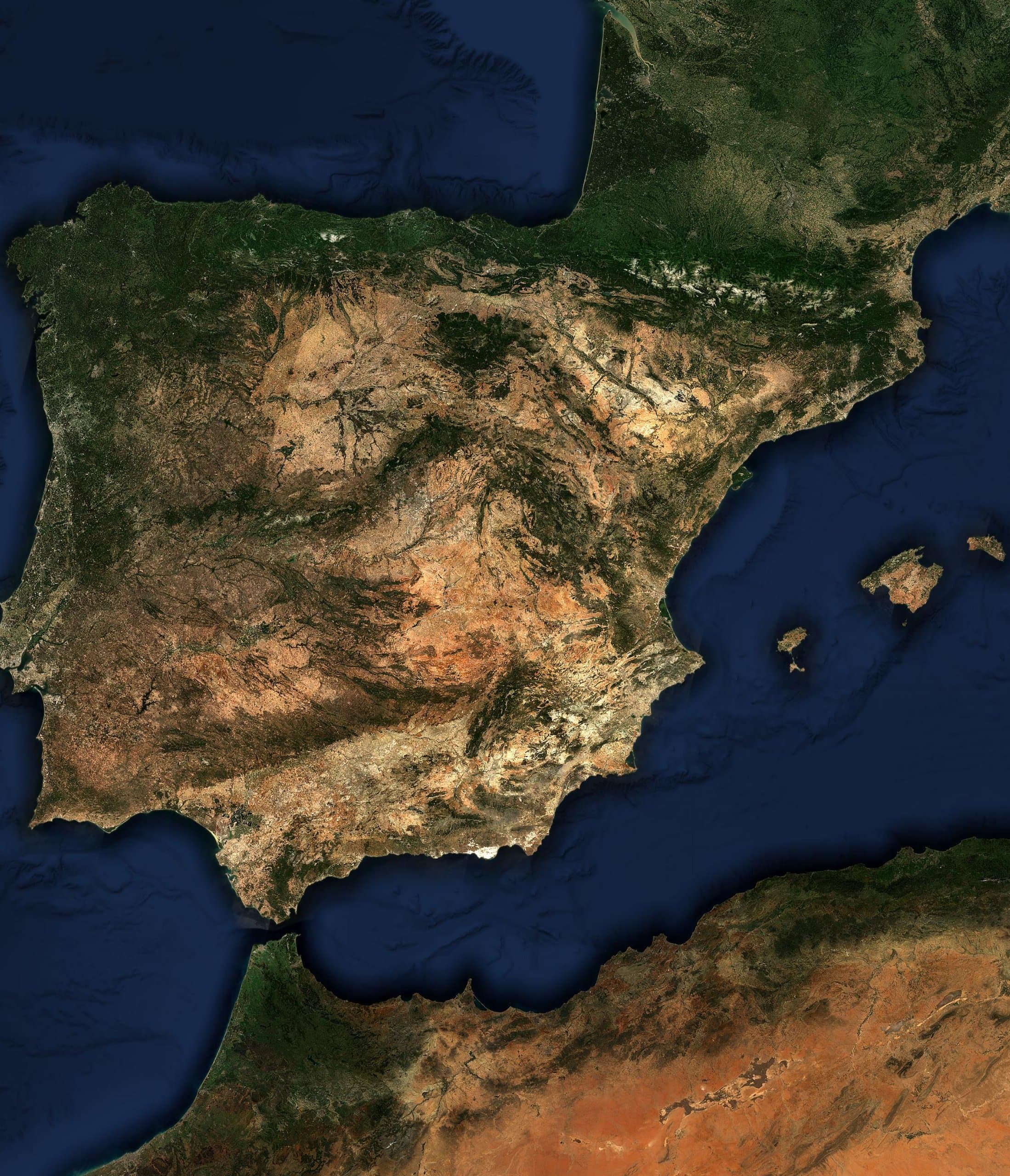
Spain's geography is split between the wet Atlantic northwest and the dry continental interior, with Mediterranean heat on the coast. That contrast, compressed into one country, gives Spanish wine an unusual range for its size.
The Atlantic northwest
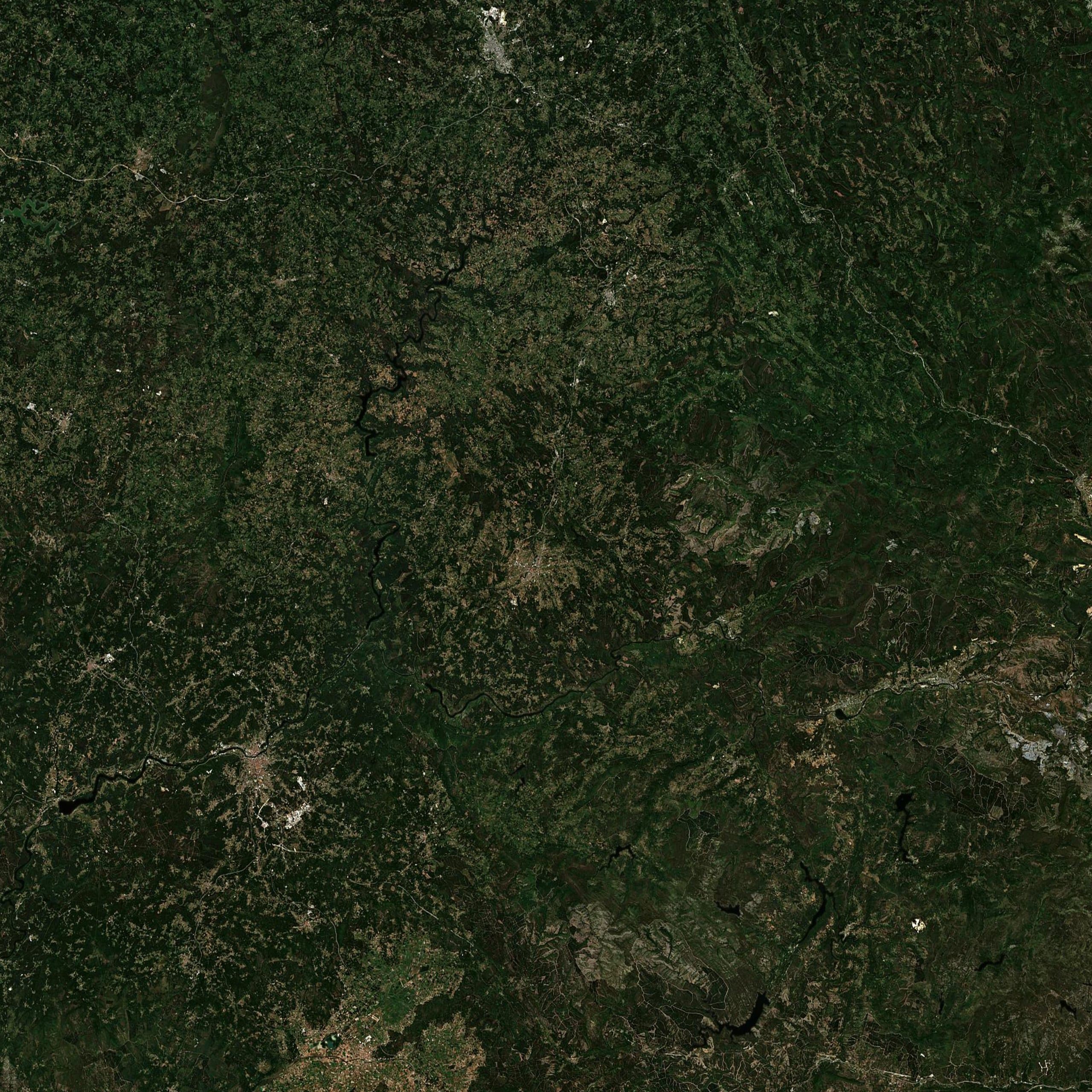
Galicia gets more rain than London. Granite under foot, ocean on three sides. Albariño from Rías Baixas tastes oceanic; Bierzo's Mencía smells like fresh earth. The cool side of Spanish wine.
The classic north
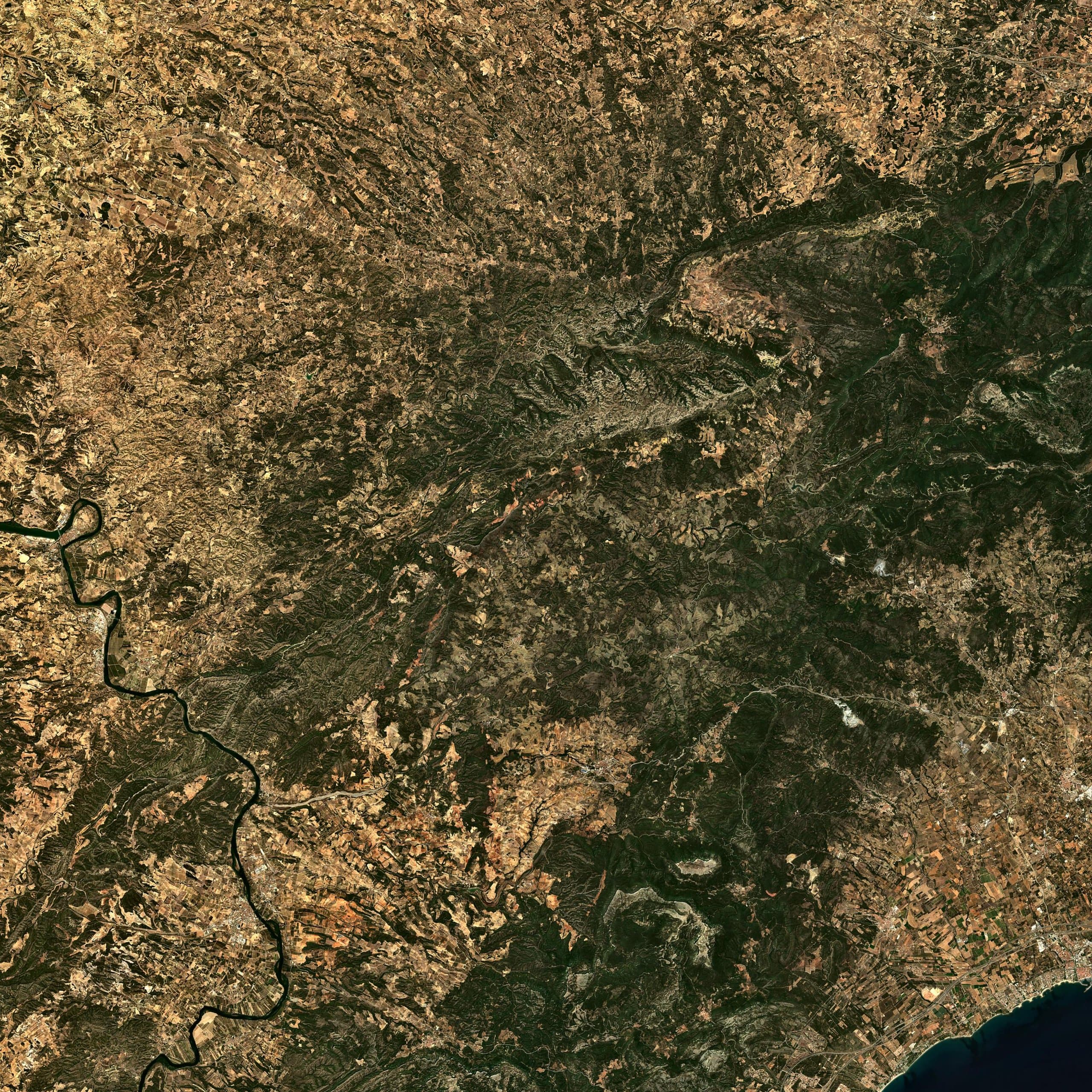
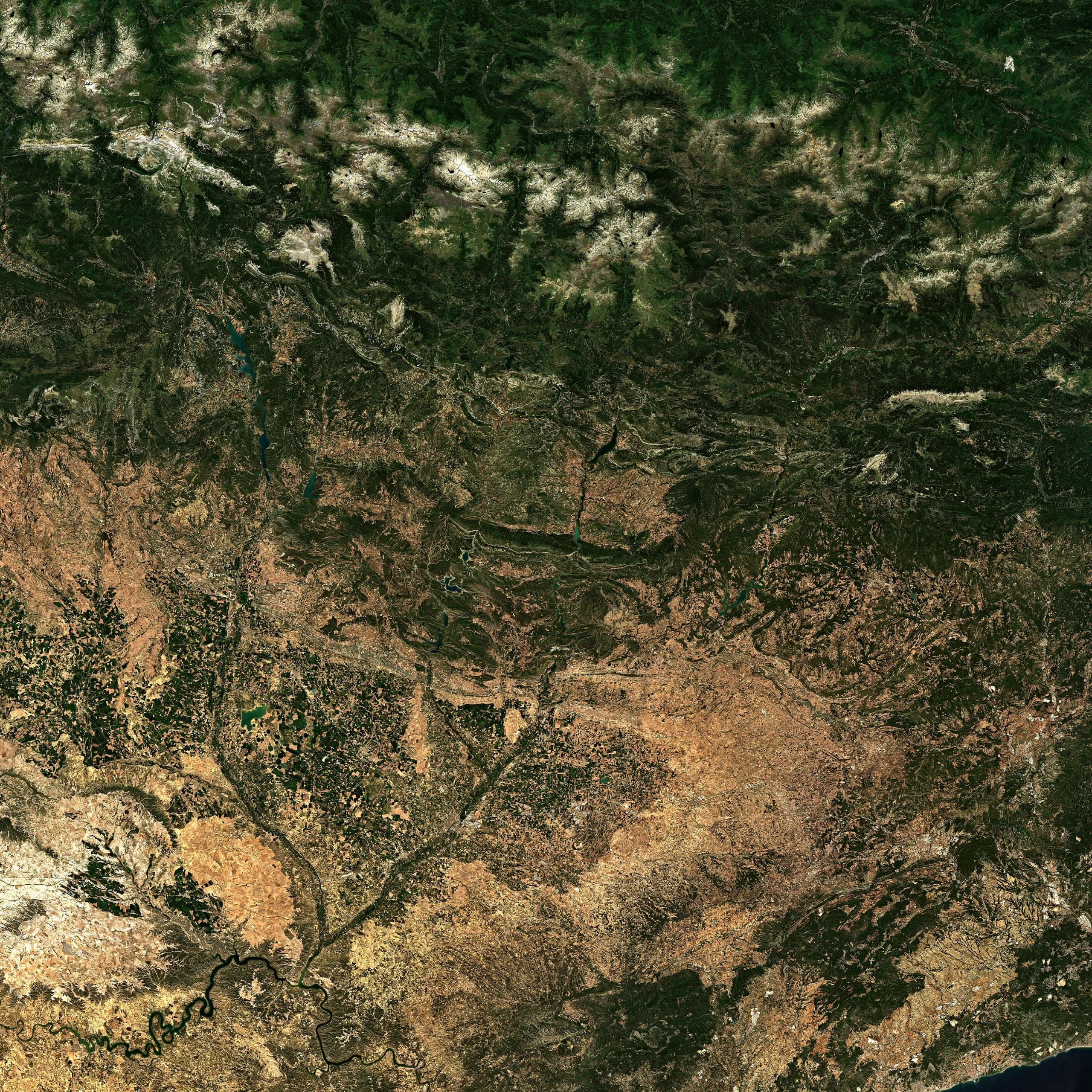
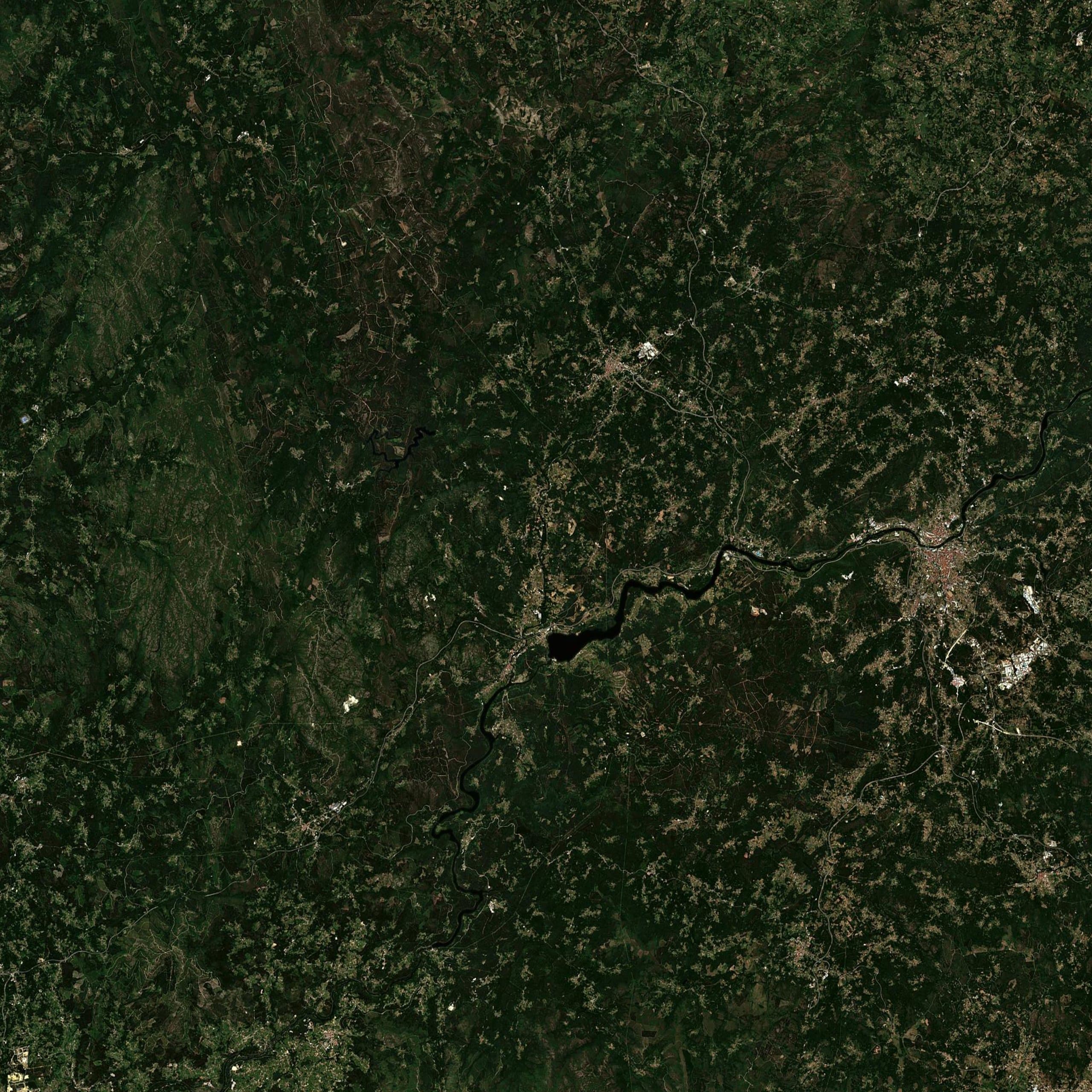
Rioja, Ribera del Duero, Rueda. Continental: hot summers, cold winters, chalk and clay underneath. Tempranillo ripens fully on long autumn days; Verdejo from Rueda keeps its lift through the heat.
Catalonia and the slate
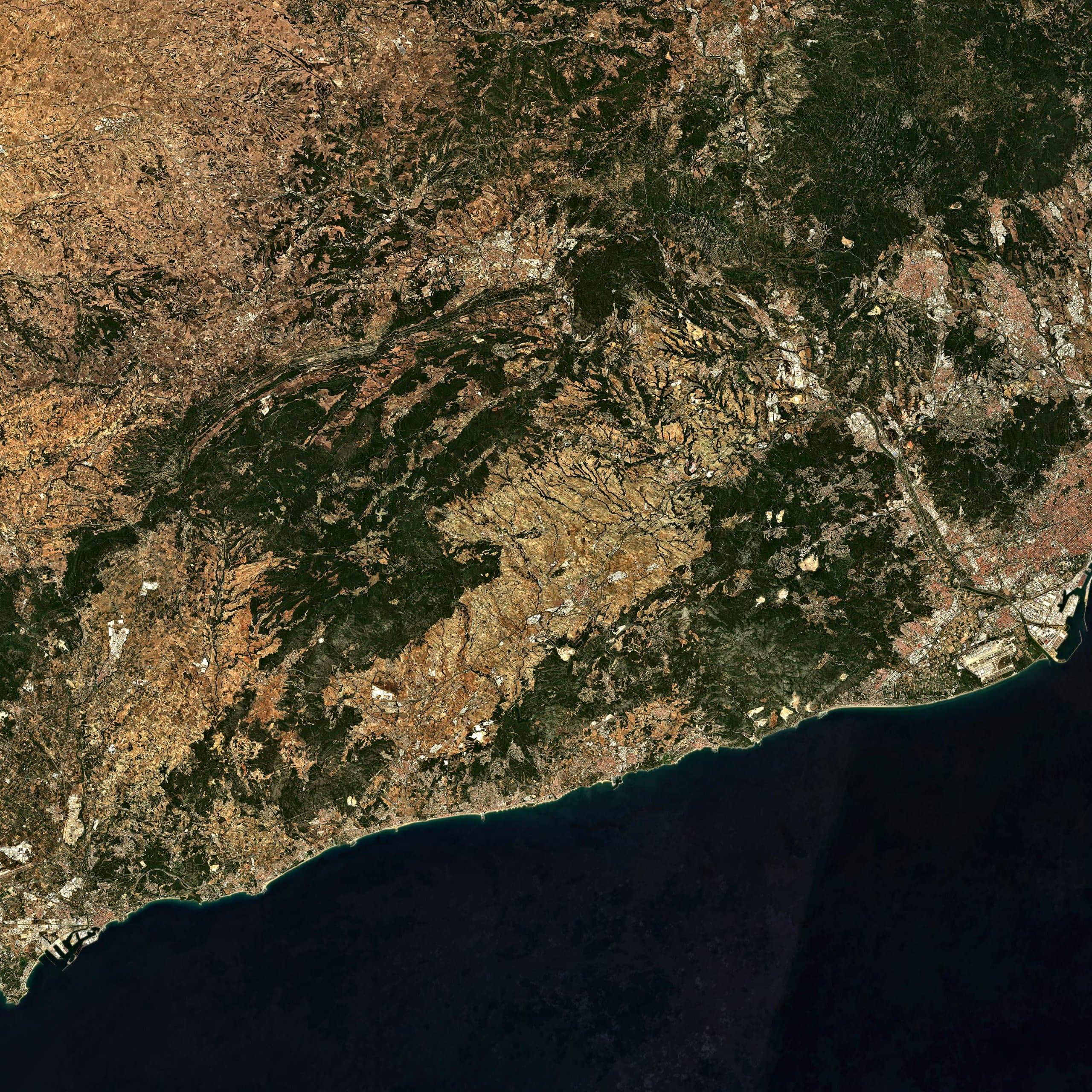
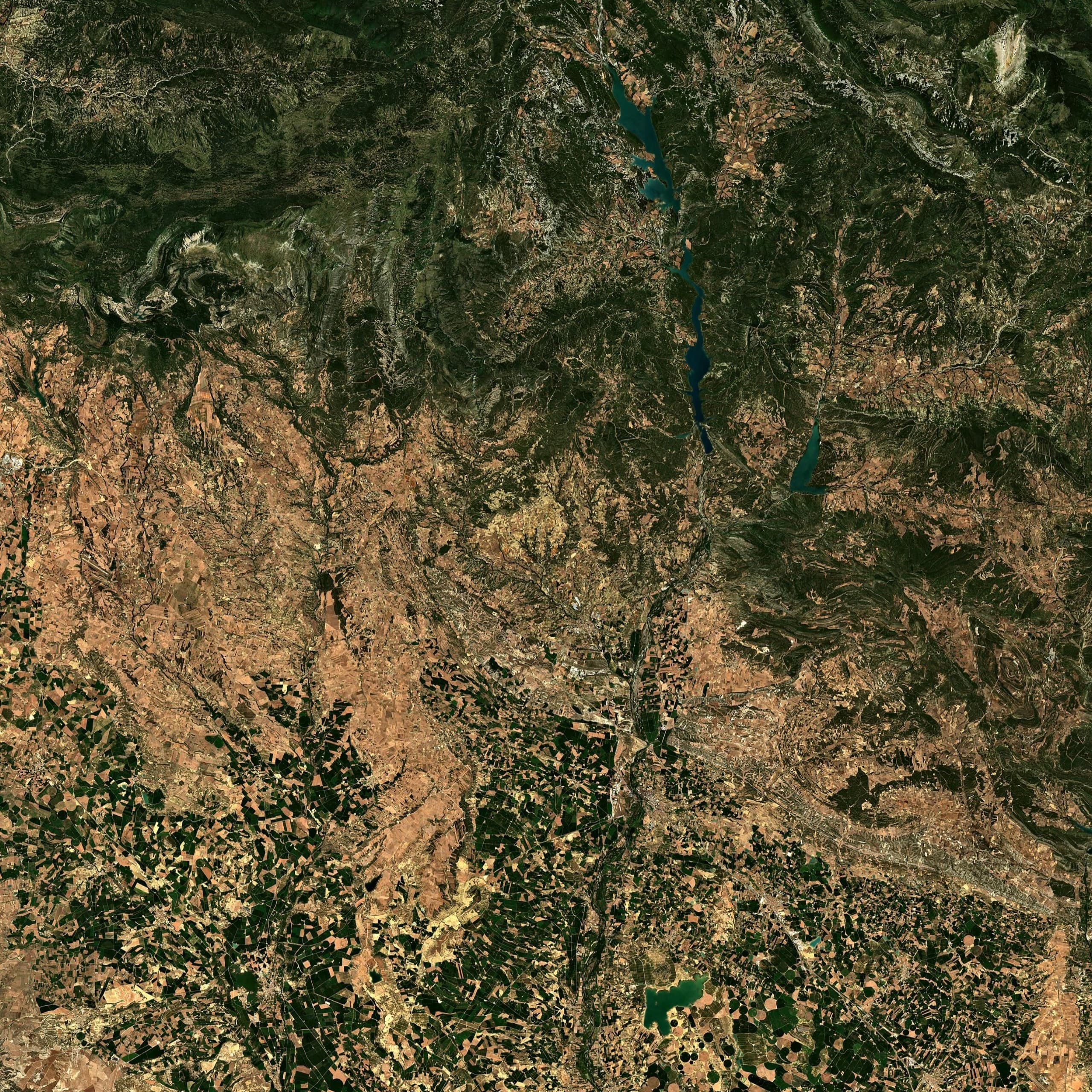
Priorat's licorella — black slate that holds heat and forces vines deep for water — is one of the great soils in the world. Old Garnacha and Cariñena bush vines give tiny, intense crops. Penedès on limestone is Cava's home.
Andalusia's chalk
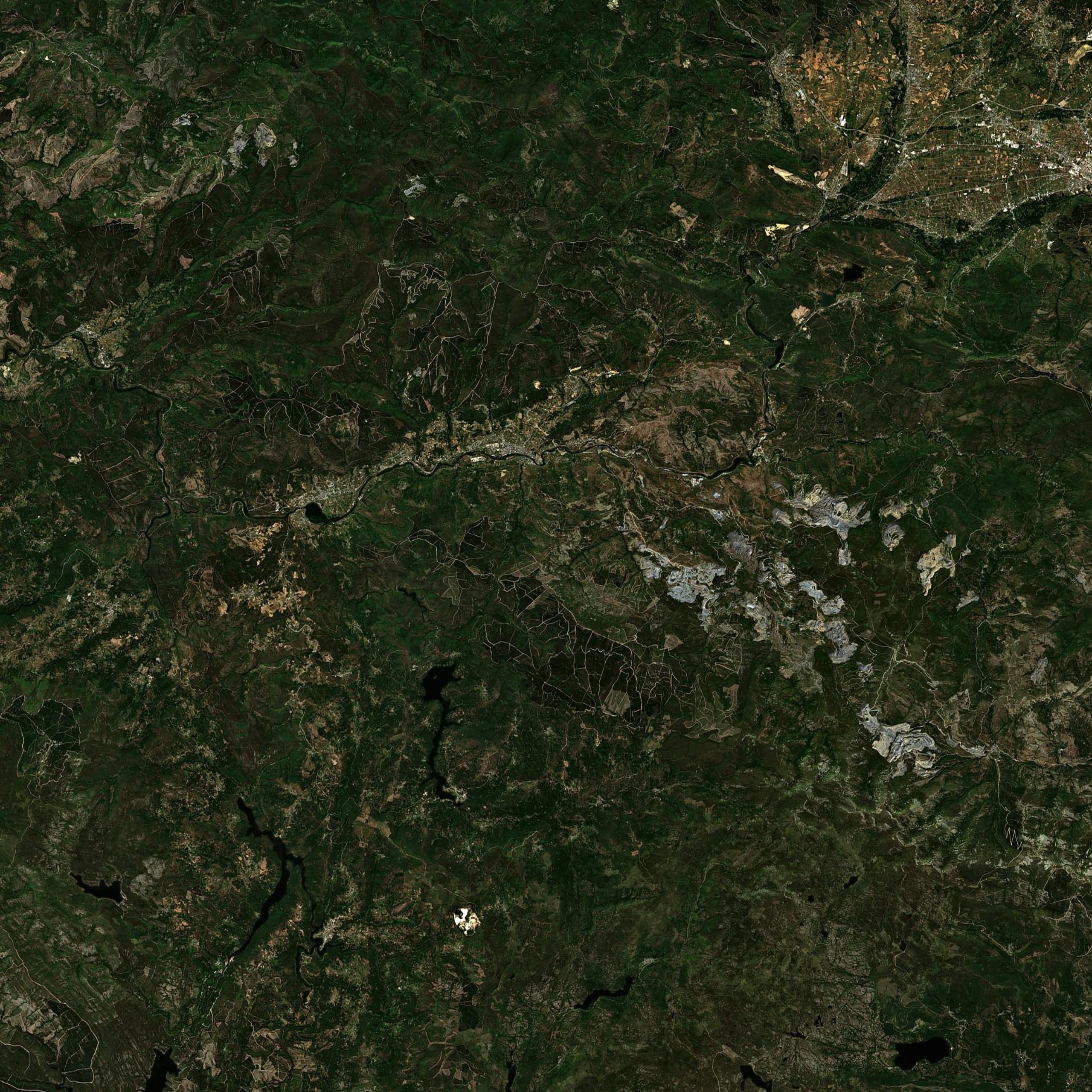
The albariza soil of Jerez is white chalk that reflects sun and stores winter rain. Combined with Atlantic humidity, it creates the only place on earth where flor — Sherry's protective yeast layer — can live.
On the map
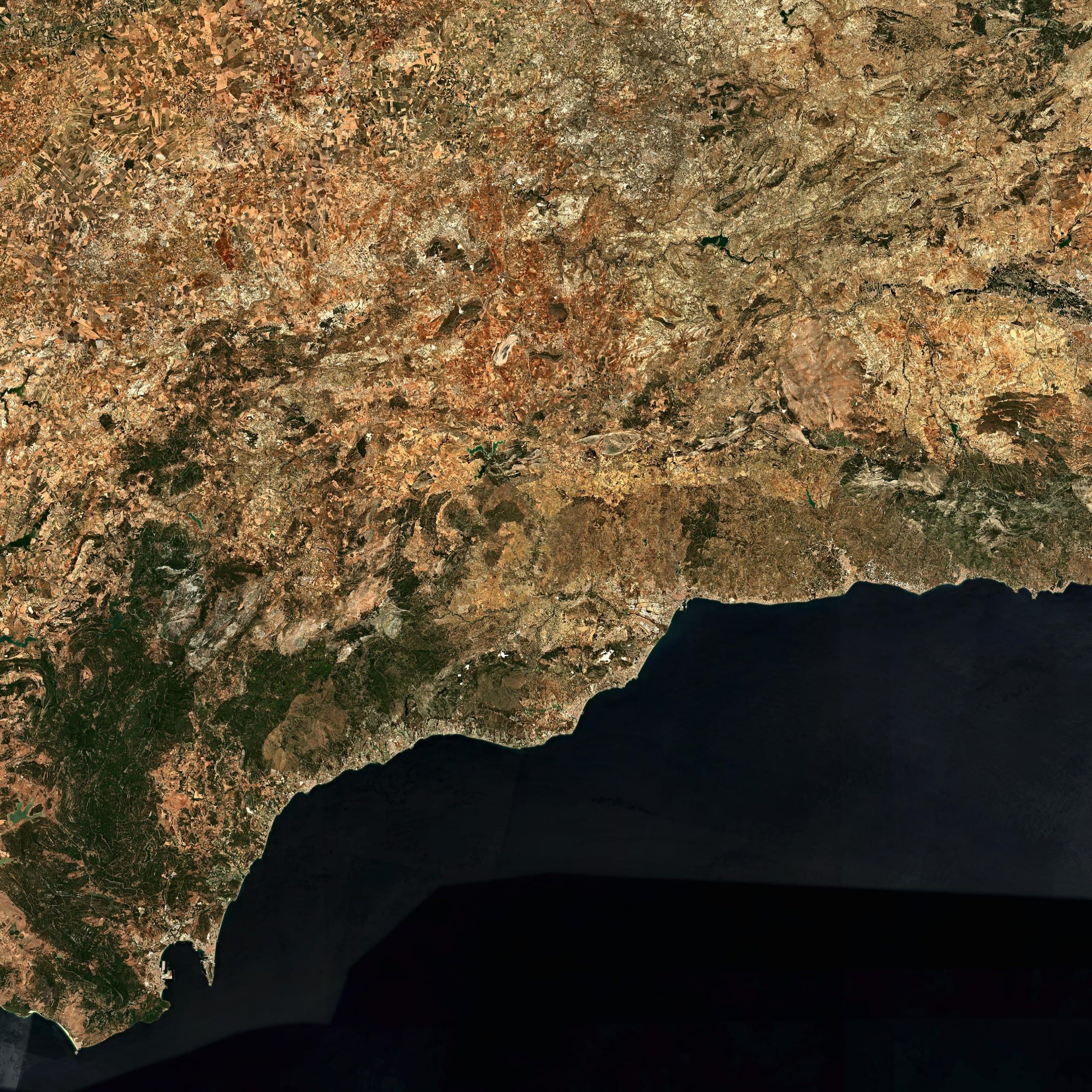
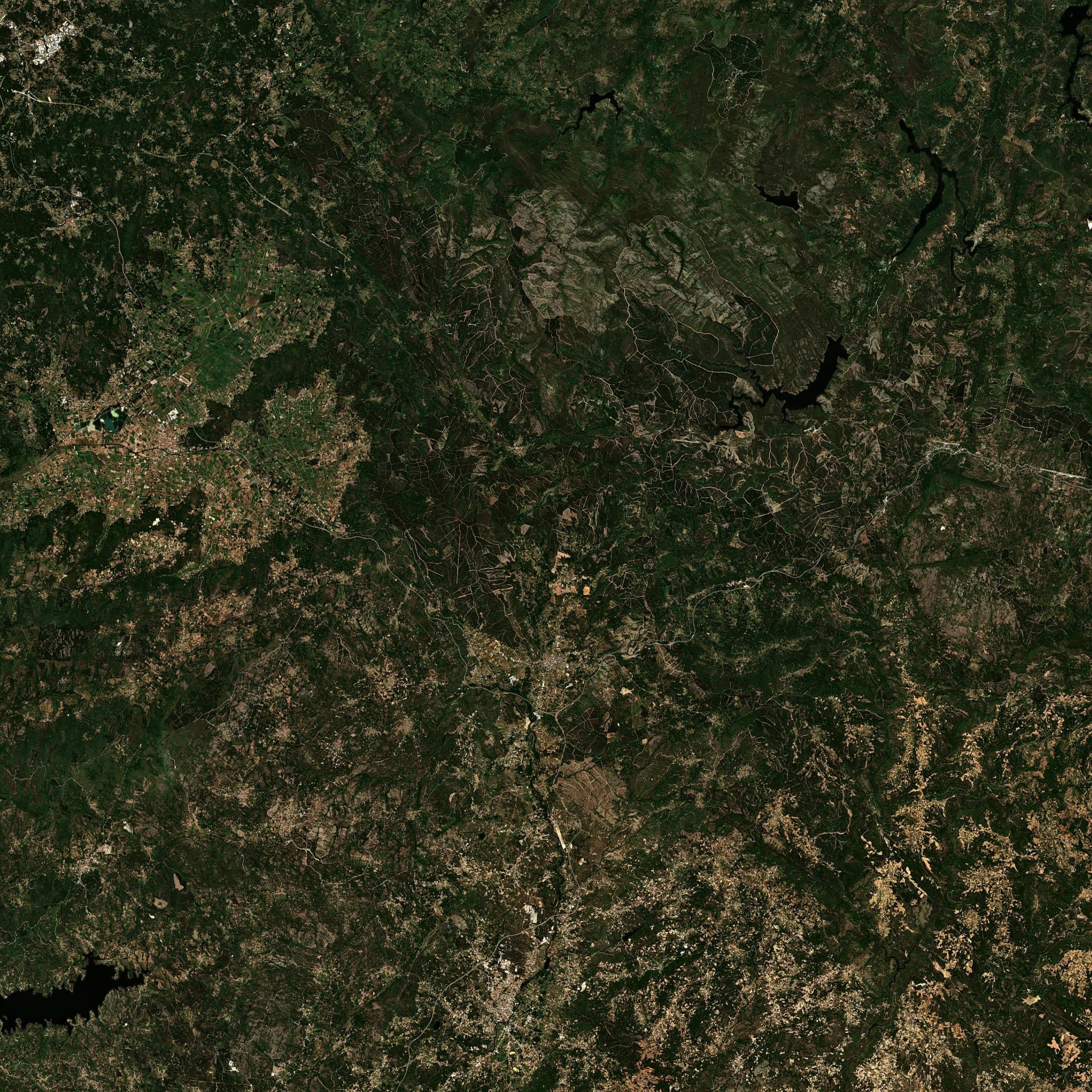
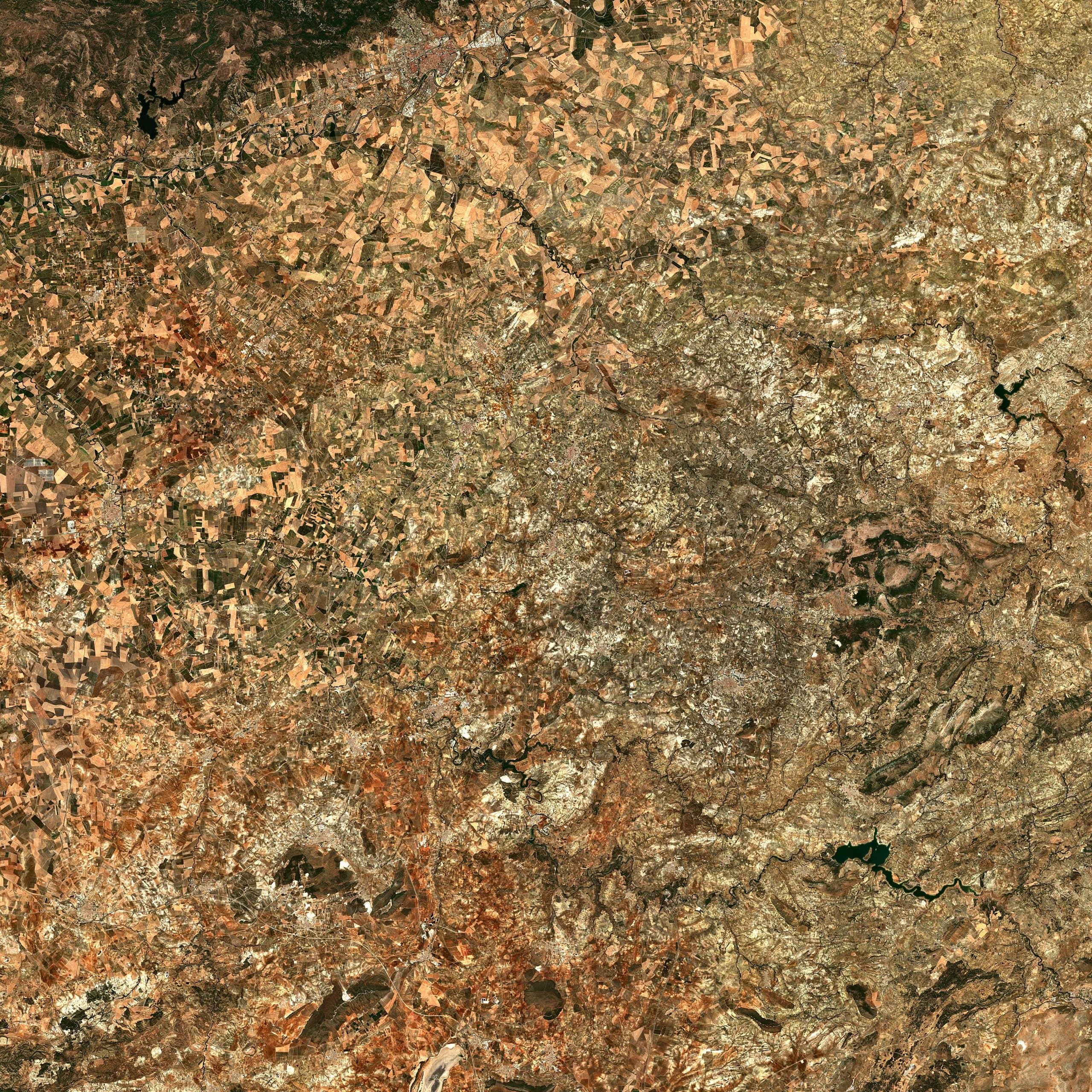
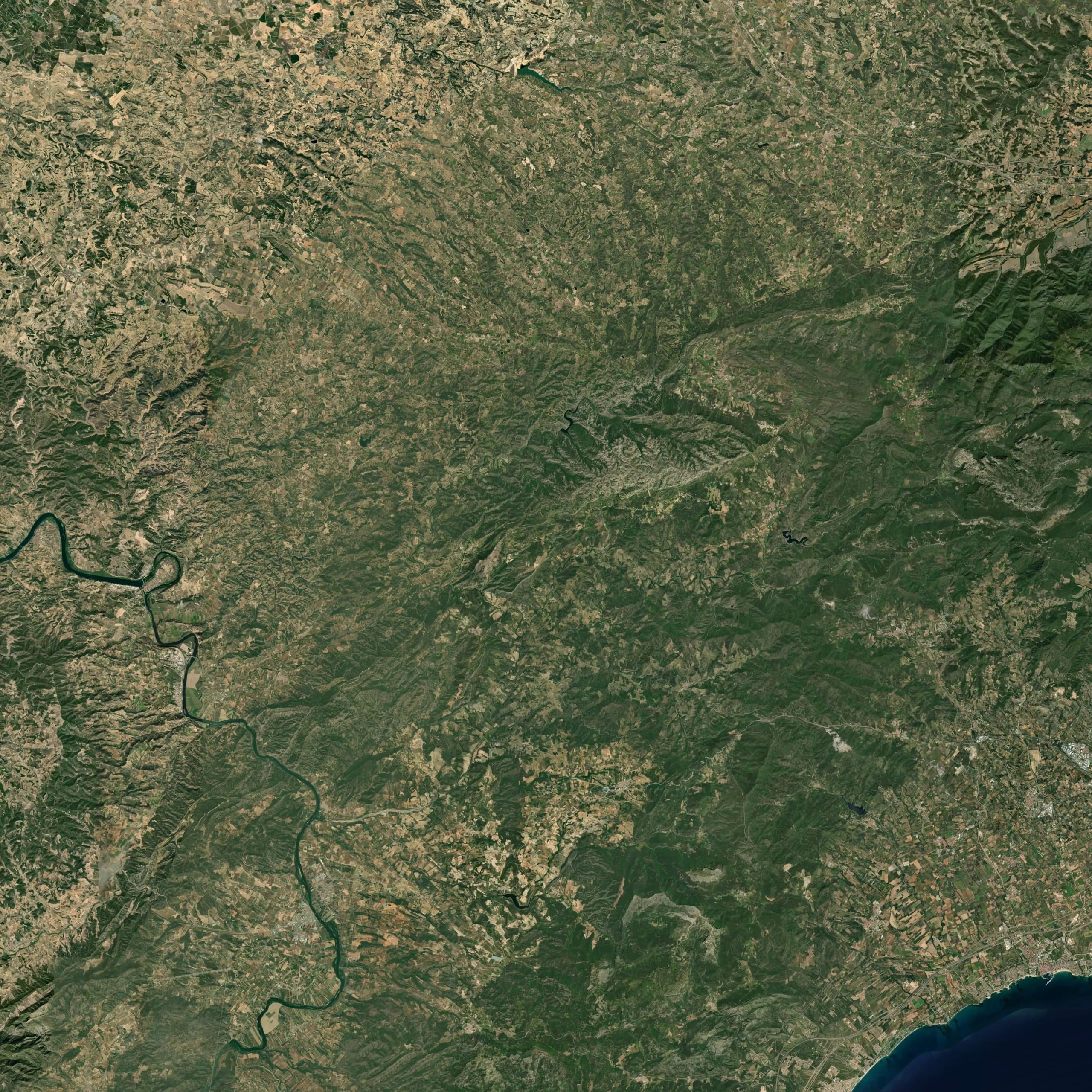
The regions worth visiting
Only regions with mapped vineyards and full guides are shown. Each tile leads to its appellations and vintages.
Spain wine regions. Select a region to learn more.
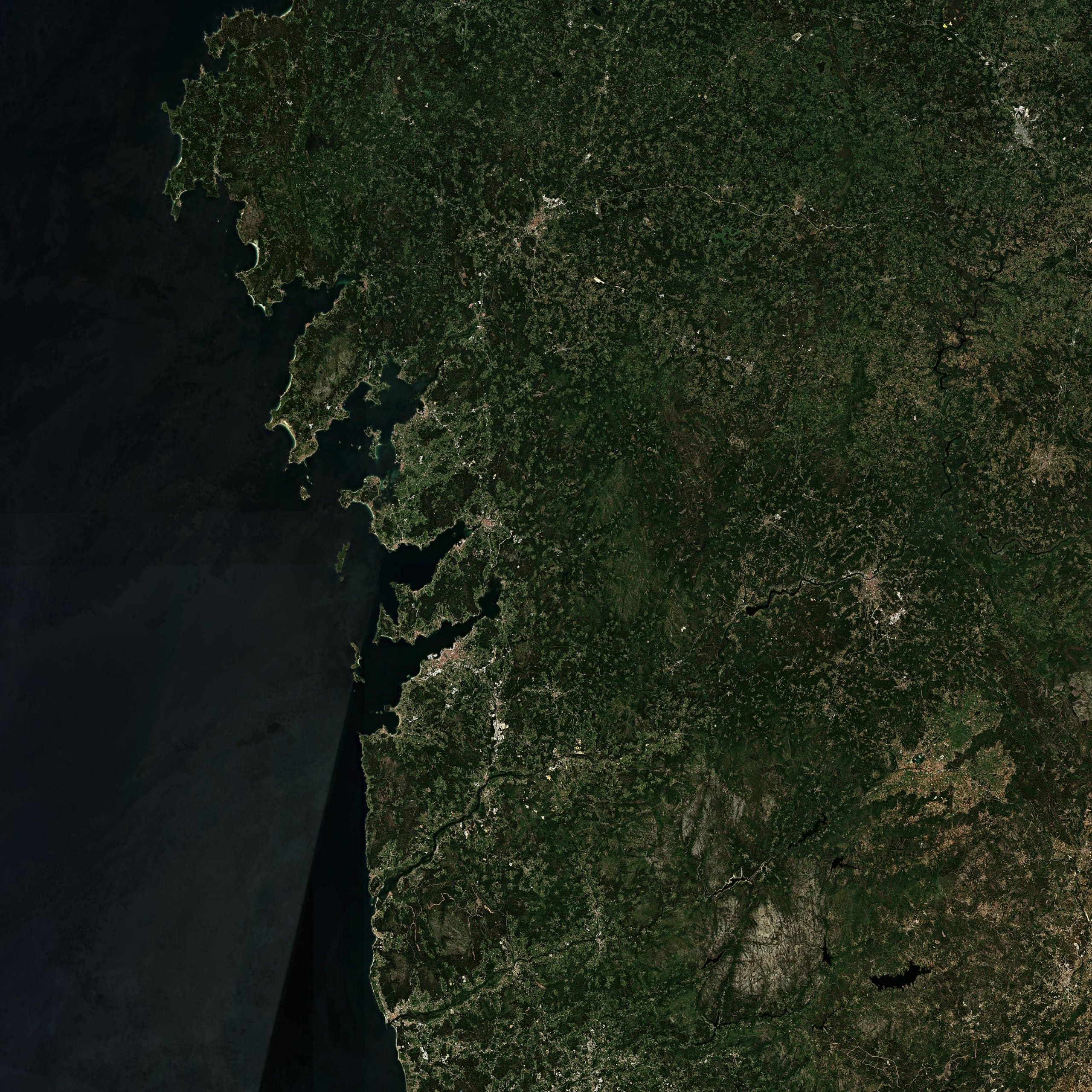
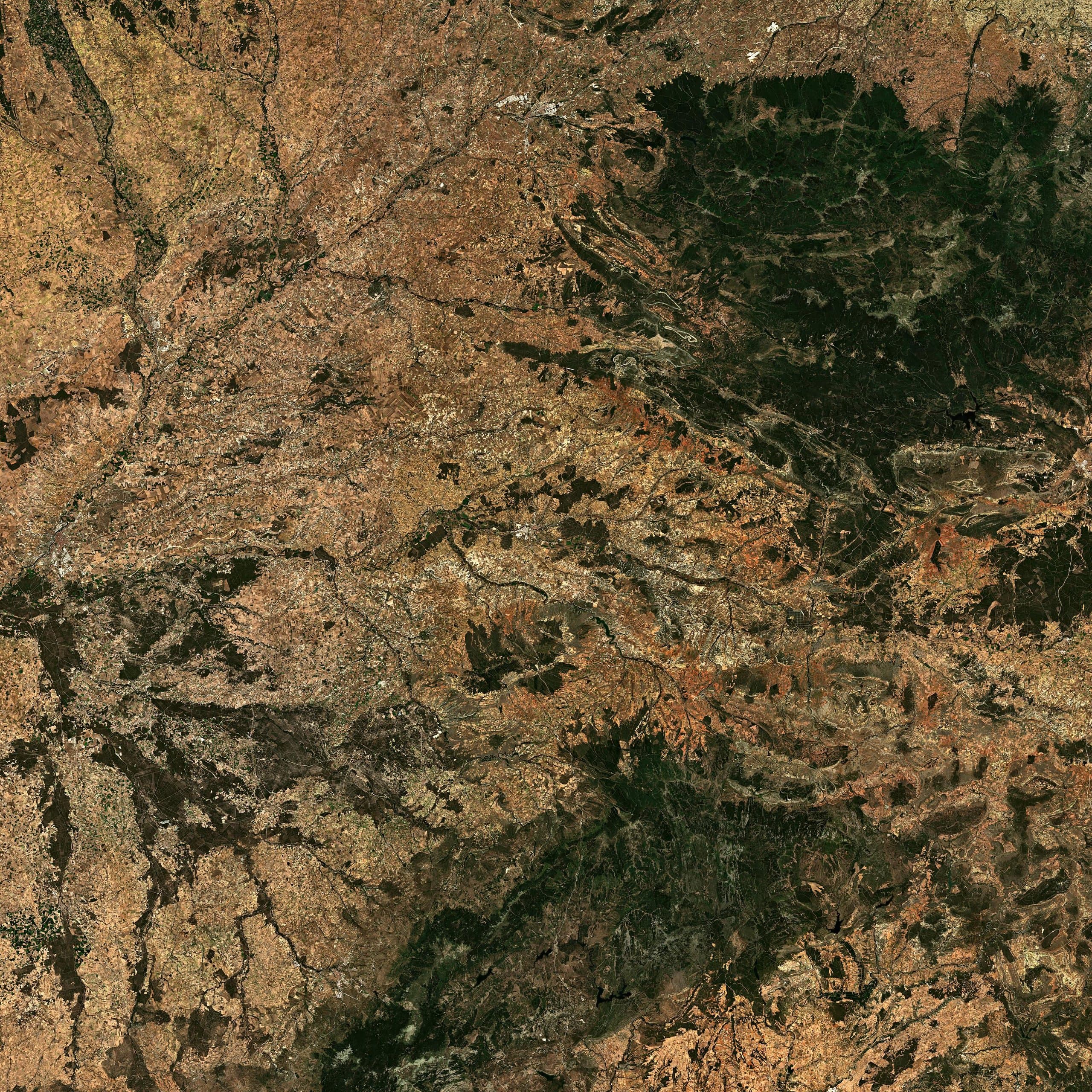
The Atlantic northwest
Cool, wet, granite. Albariño country, plus Bierzo and Ribeira Sacra's elegant Mencía.
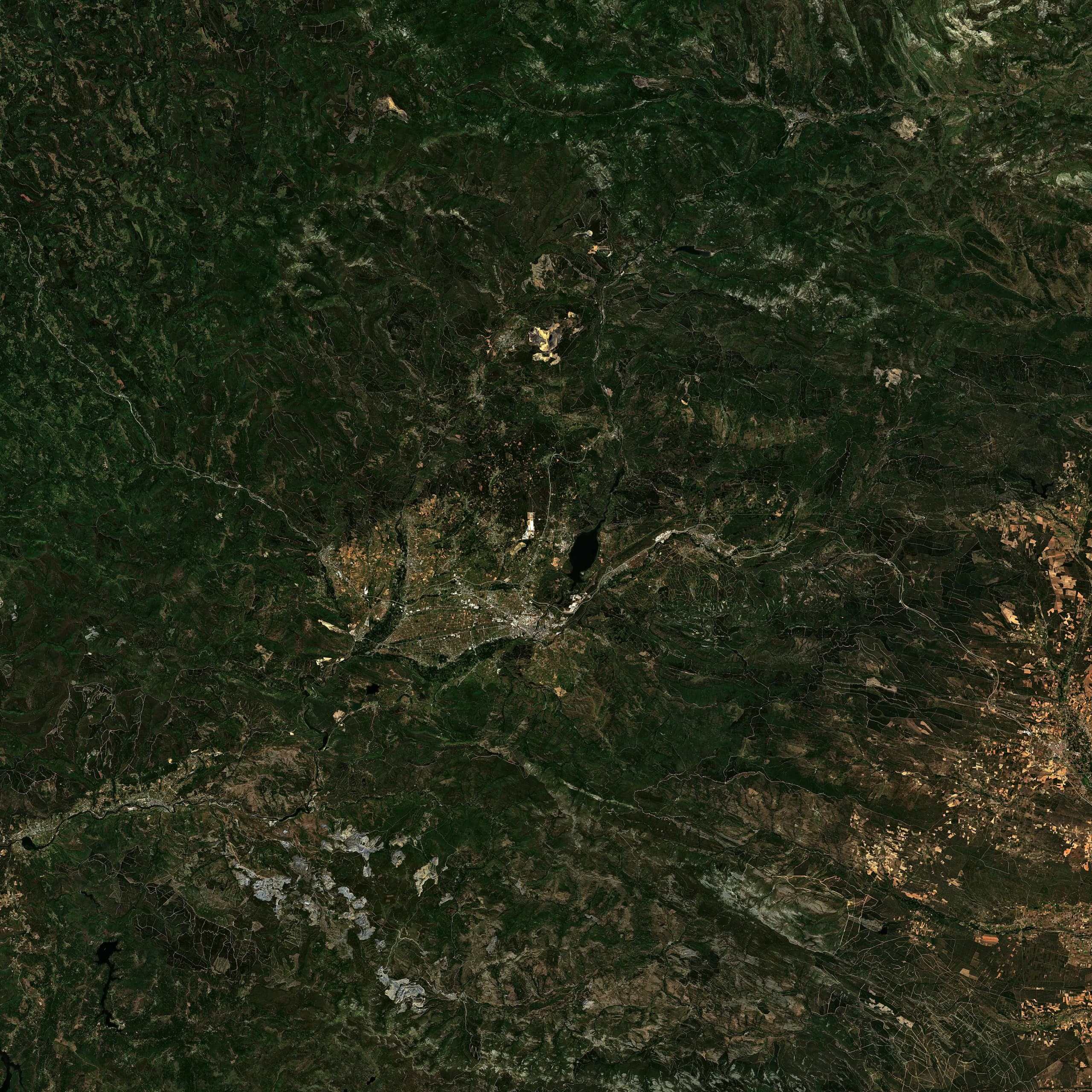
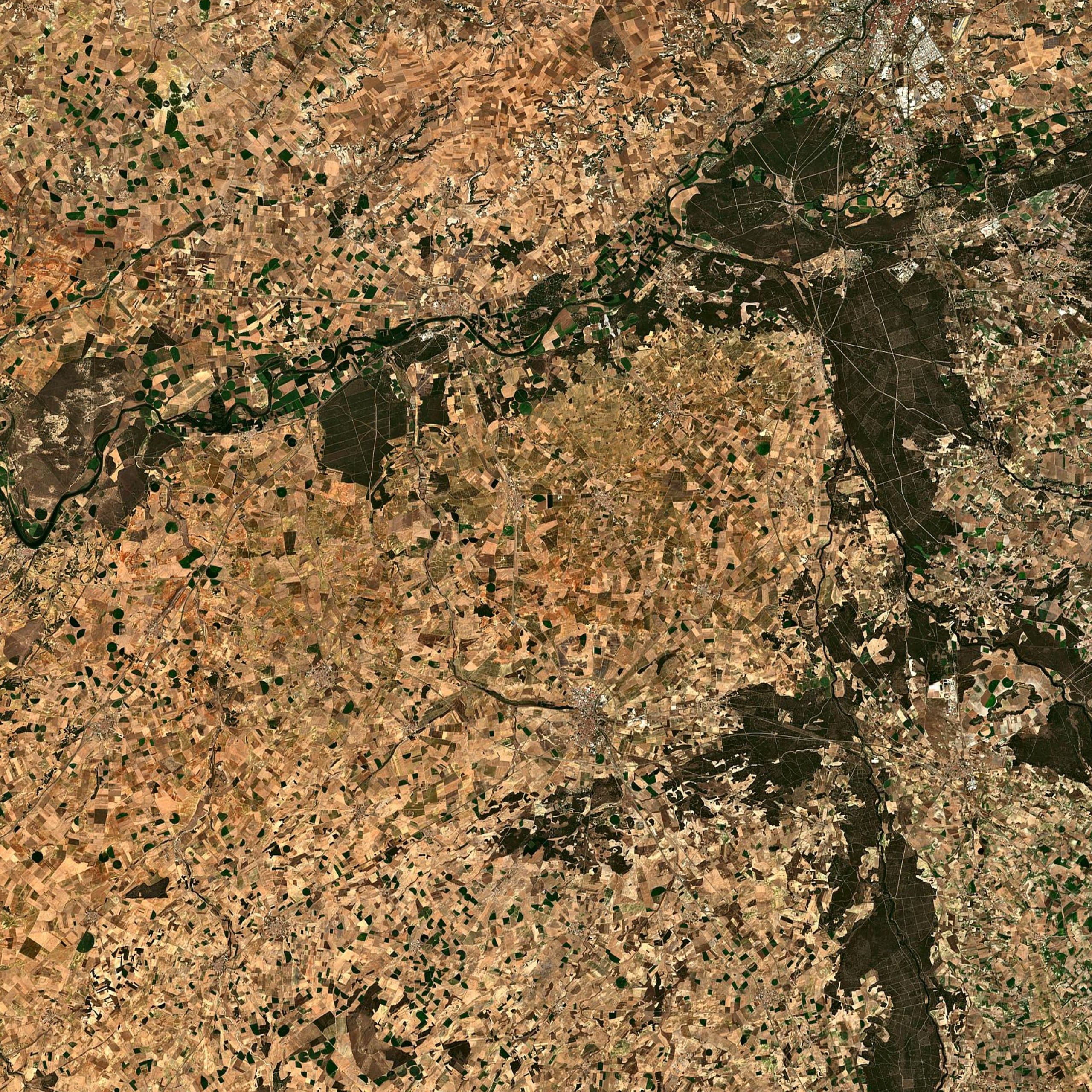
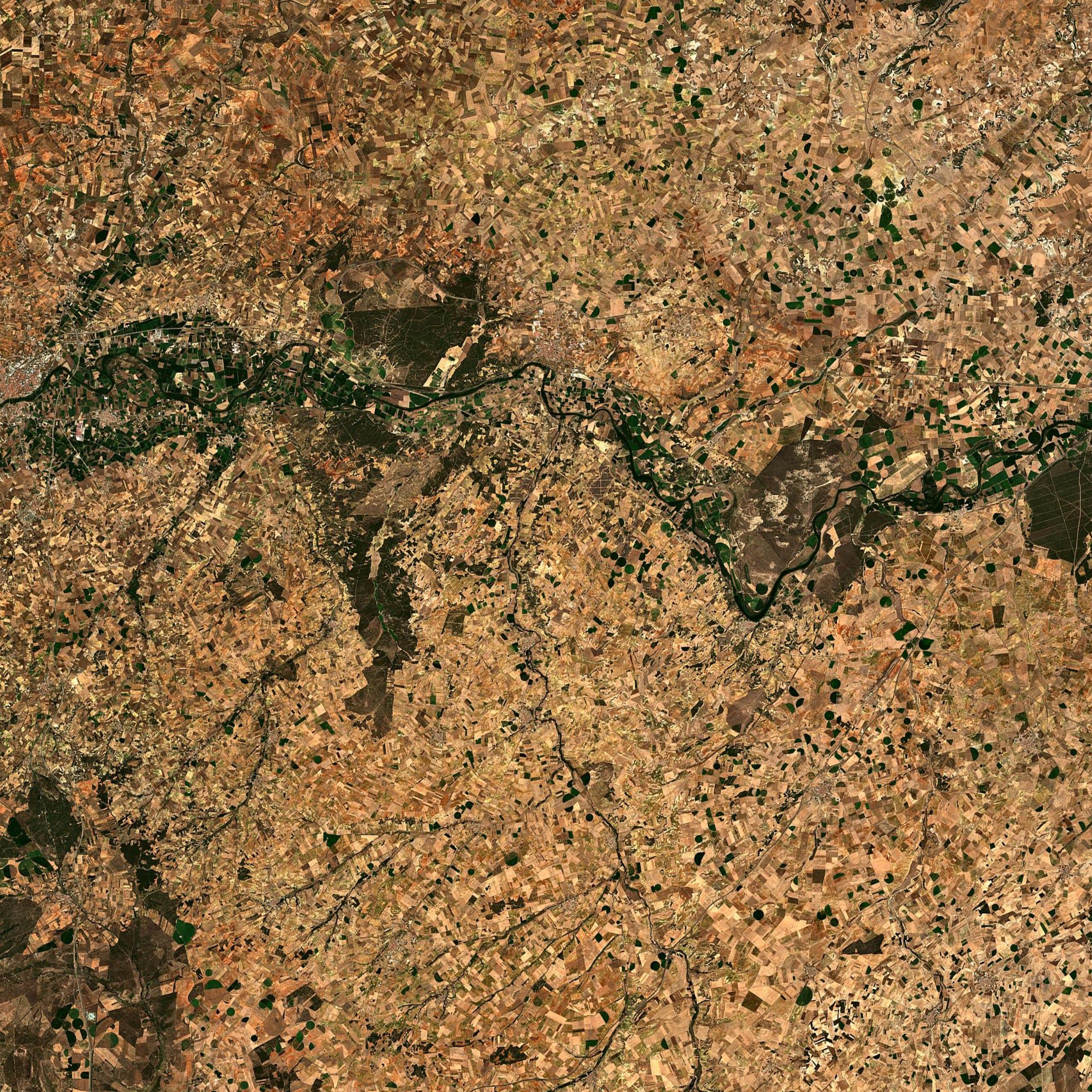
The classic north
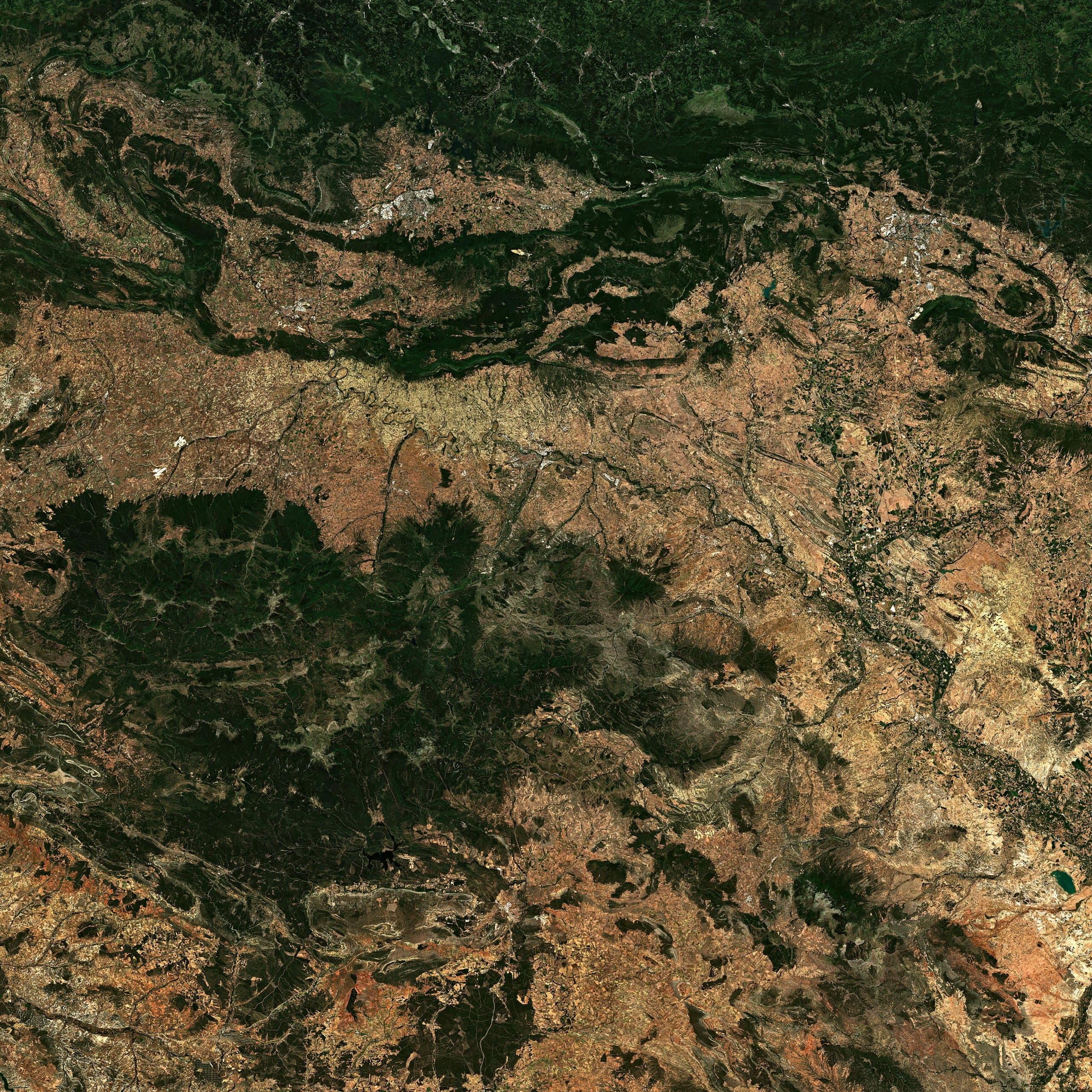
Tempranillo's heartland and Spain's most internationally famous reds, plus Rueda's bright whites.
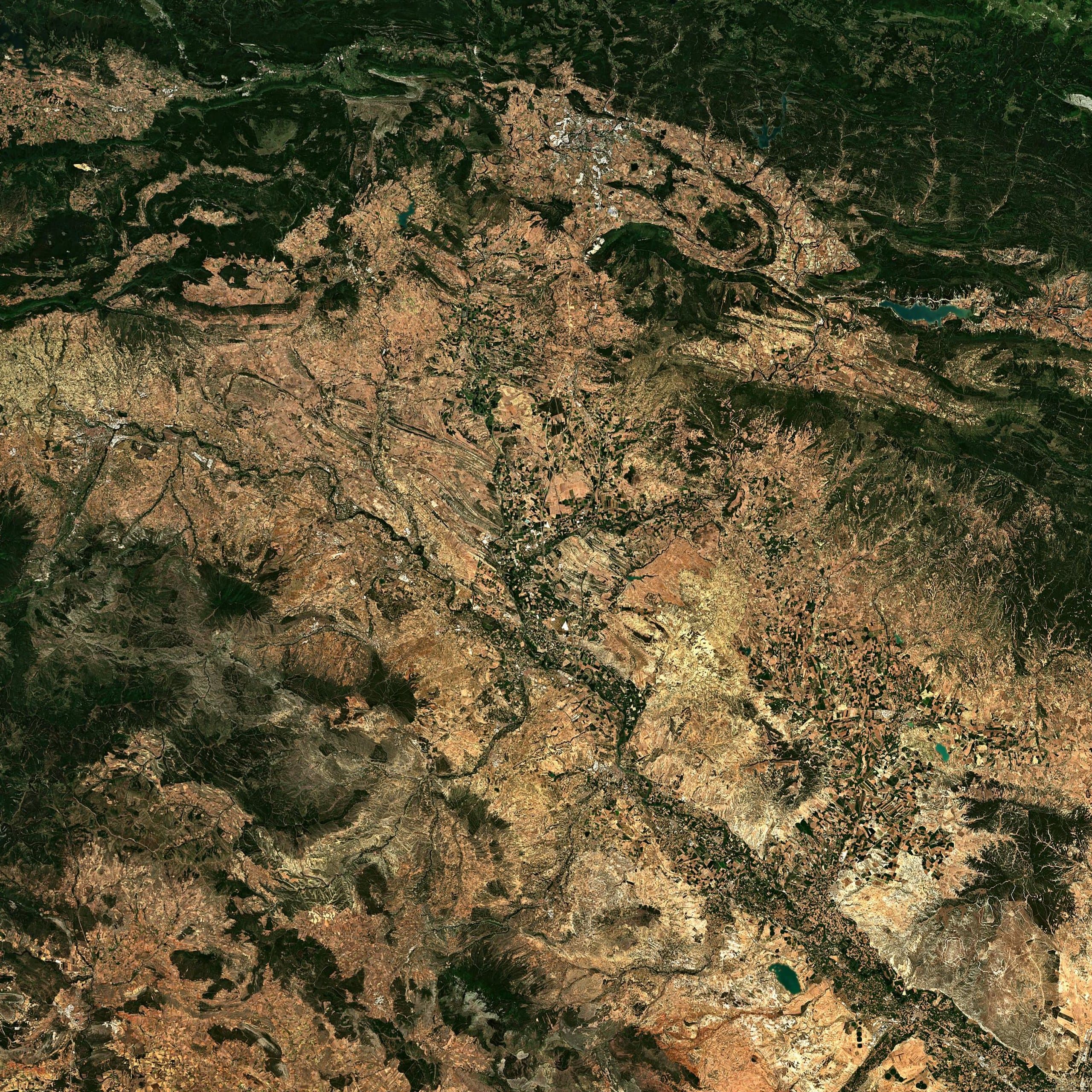
Catalonia and the Mediterranean
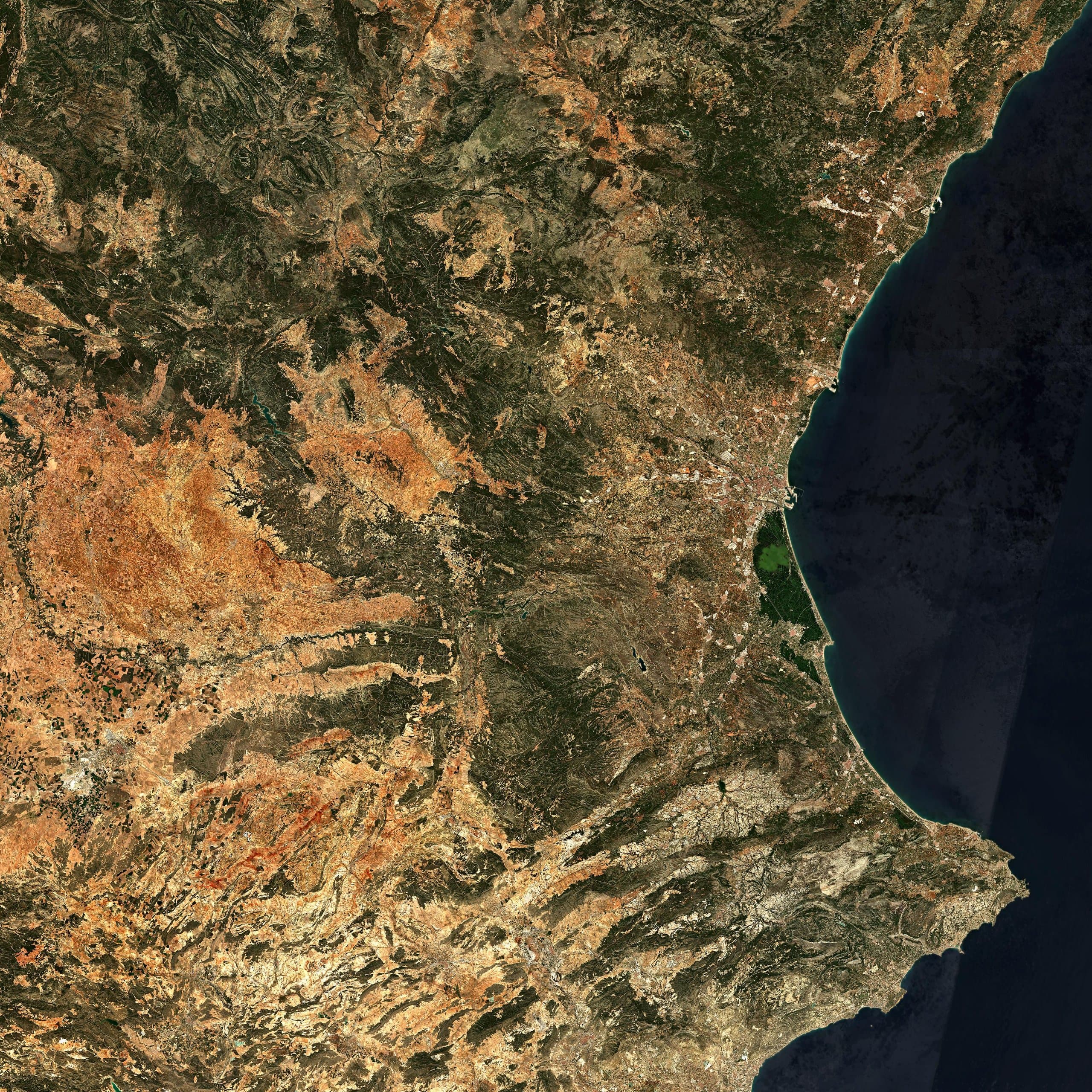
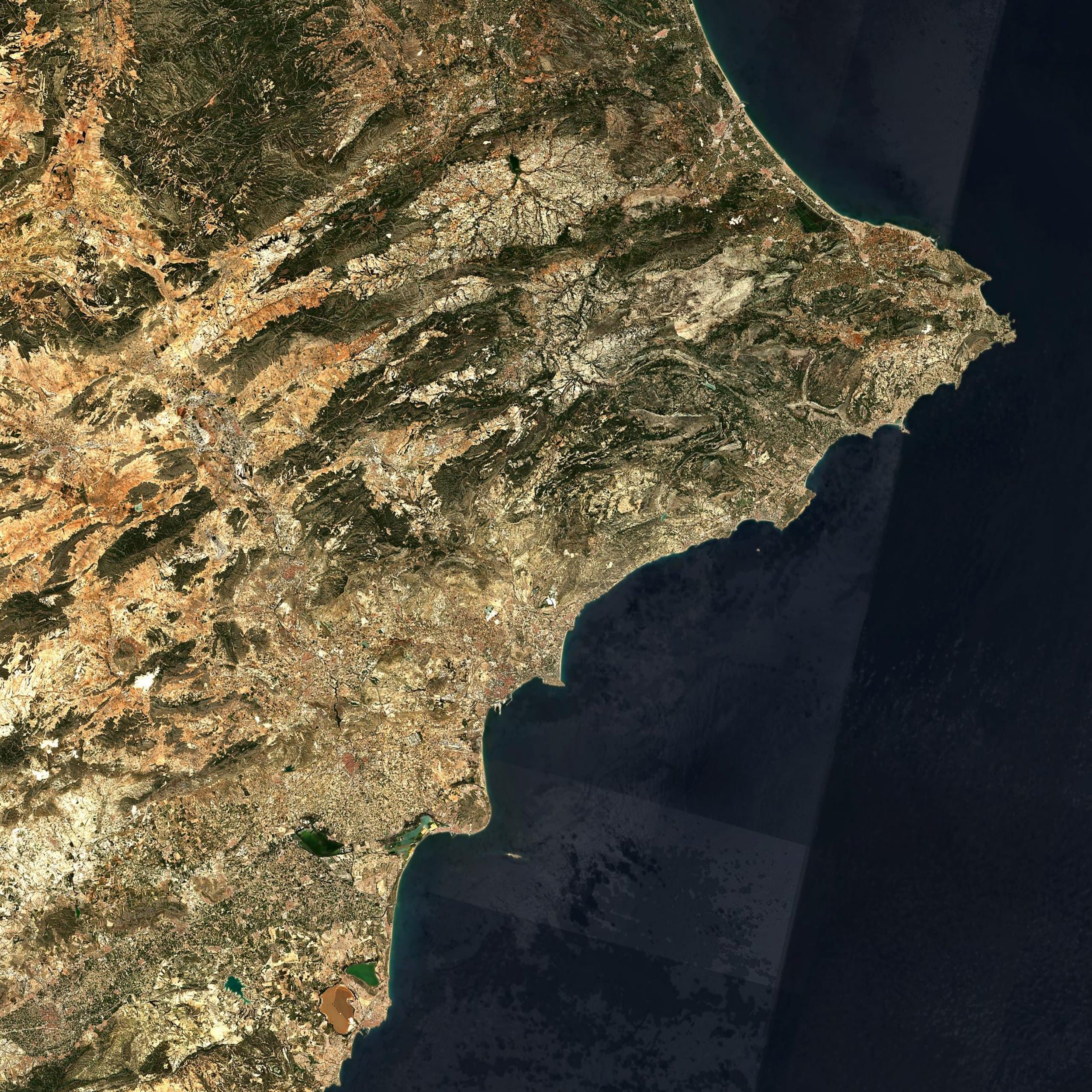
Slate, limestone, sea breeze. Cava country, Priorat's Garnacha, Costers del Segre's experimental Lleida sub-zones, Valencia's Bobal and Moscatel, and Alicante's Monastrell and Fondillón.
The south and the islands
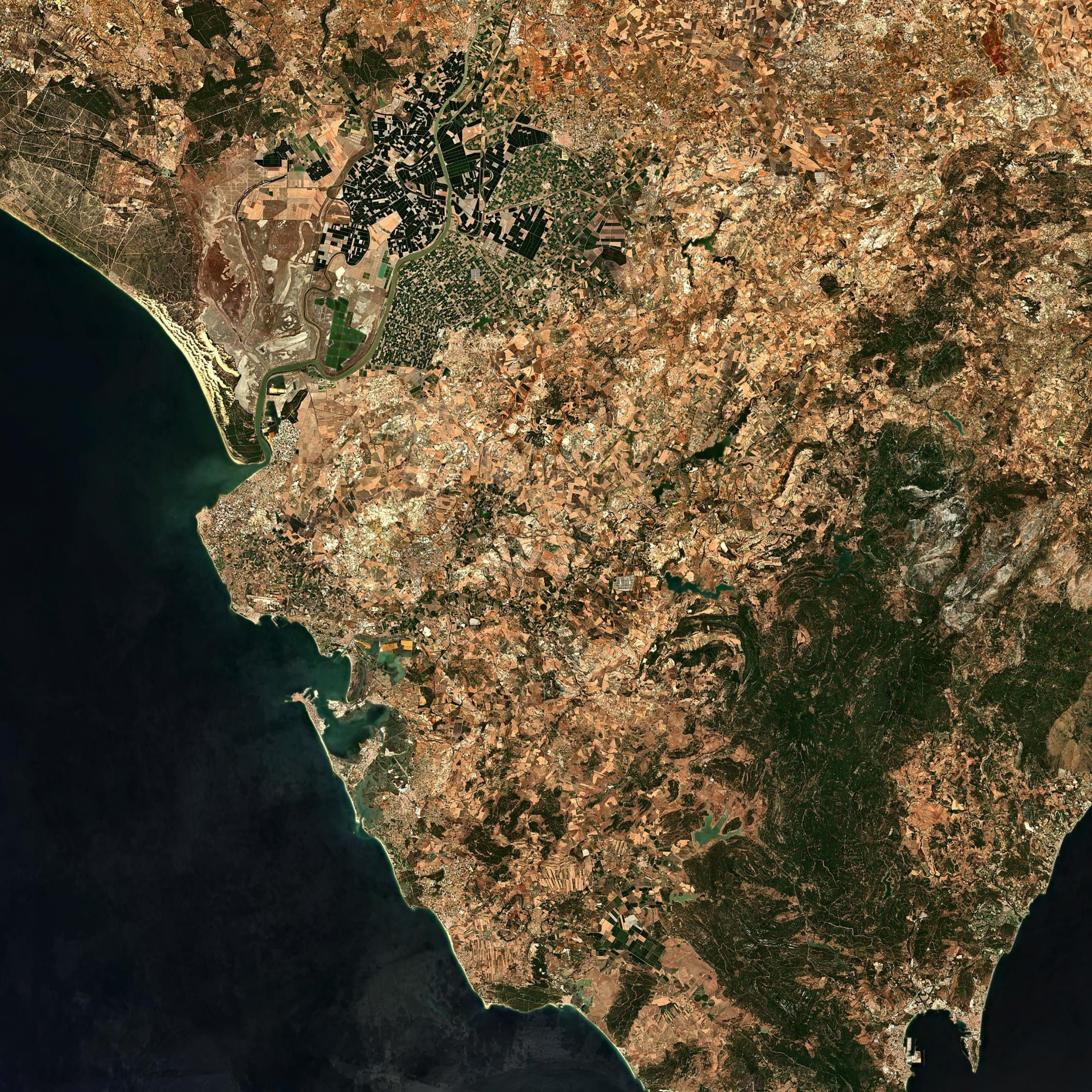
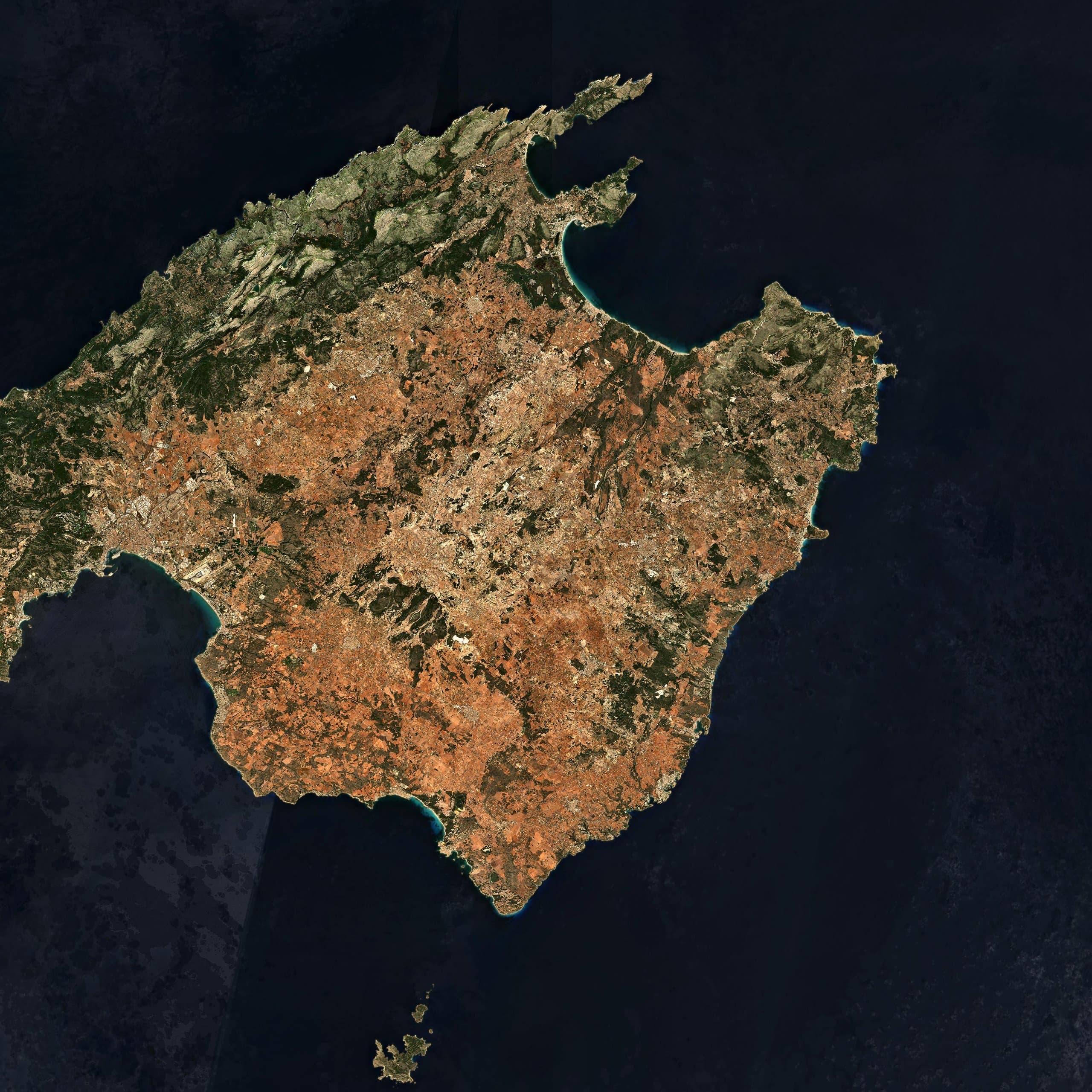
Sherry's chalk in Andalusia, Monastrell's bold reds in Murcia, and the islands' indigenous revival.
More regions
The system
How wine is classified in Spain
Spanish wine law sorts bottles by both origin and ageing. Origin works like France's pyramid; ageing is the rare twist that tells you, on the label, exactly how long a wine has spent in oak and bottle before release.
- 01
DOCa / DOQ
Denominación de Origen Calificada (DOQ in Catalan). The top tier — held only by Rioja and Priorat. Stricter yields, a tasting commission, and stronger oversight than a regular DO.
- 02
DO
Denominación de Origen. The working tier of Spanish wine, covering around 70 named regions from Rías Baixas in the northwest to Jerez in the south.
- 03
Vino de Pago
A separate, single-estate category for individual properties of exceptional quality. About 20 today, mostly in central Spain. Spain's grand-cru shortcut.
- 04
Crianza / Reserva / Gran Reserva
Ageing categories layered on top of origin. Crianza = 2 years (1 in oak), Reserva = 3 years (1 in oak), Gran Reserva = 5 years (2 in oak). Tells you how long the producer aged the wine before release.
A tasting plan
Where to start
Spain rewards a comparative tasting. One Rioja, one Albariño, one Sherry — and you have heard the country's three most distinct voices in a single afternoon.
Start here
Three textbook bottles, each from a different corner of the country. Easy to find, hard to mess up.
Rioja Crianza
Rioja · Tempranillo
A year in oak, two in bottle. Soft, savoury, and a textbook for what aged Tempranillo tastes like.
Rías Baixas Albariño
Rías Baixas · Albariño
Stone-fruit, salt, and a green twist. The most reliable serious-but-affordable Spanish white.
Manzanilla en rama
Jerez · Palomino
A bone-dry, briny Sherry from Sanlúcar de Barrameda, the seaside town where Manzanilla is made. 'En rama' means lightly filtered — closer to how the wine tastes straight from the cask. Serve cold with olives or shellfish.
Go deeper
These bottles take Spain seriously without leaving everyday price tiers behind.
Bierzo Mencía, single-village
Bierzo · Mencía
Fresh, mineral, floral. The cool-climate Spain that has been quietly rewriting the country's image.
Ribera del Duero Reserva
Ribera del Duero · Tempranillo
Tempranillo at its most powerful. Darker and denser than Rioja, with longer cellar potential.
Amontillado Sherry
Jerez · Palomino
A Sherry that started life under 'flor' (a protective yeast layer that keeps it pale and fresh) and then aged exposed to air. The result is bone-dry, nutty, and savoury — sitting between the light Fino style and the richer Oloroso.
For the curious
Where Spain's modern fine-wine ambitions live. Worth the spend, worth the wait.
Priorat from old vines
Priorat · Garnacha / Cariñena
Wines from steep slopes of licorella, a black slate that traps heat and forces vines to grow deep roots. Old Garnacha and Cariñena bush vines give tiny crops of intensely concentrated fruit. Try Álvaro Palacios or René Barbier.
Rioja Gran Reserva, traditional
Rioja · Tempranillo blend
The top of Rioja's ageing pyramid — at least five years before release, two of them in oak. Savoury, leathery, with tea-leaf and dried-cherry depth. López de Heredia and La Rioja Alta are the benchmark traditionalist producers.
Vino de Pago single estate
Central Spain · Various
'Vino de Pago' is Spain's top single-estate category — around 20 properties given their own legal status thanks to exceptional quality. Most are in central Spain and lean Bordeaux-style. Dominio de Valdepusa and Pago de Carraovejas are the easiest doorways in.
At the table
Wine and food in Spain
Spain drinks wine across the day. A glass of Fino with olives at midday, a cold caña of Verdejo with tapas in the afternoon, a bottle of Rioja with the long evening dinner. The country's pairings are built for sharing — loud, salty, generous, with wines that keep up.
Frequently Asked Questions
What is the difference between Crianza, Reserva, and Gran Reserva?▼
Is Rioja still relevant?▼
What's the deal with Sherry?▼
Why is Priorat so expensive?▼
Are Spanish whites just Albariño?▼
How do I read a Spanish wine label?▼
Keep exploring