
Spain
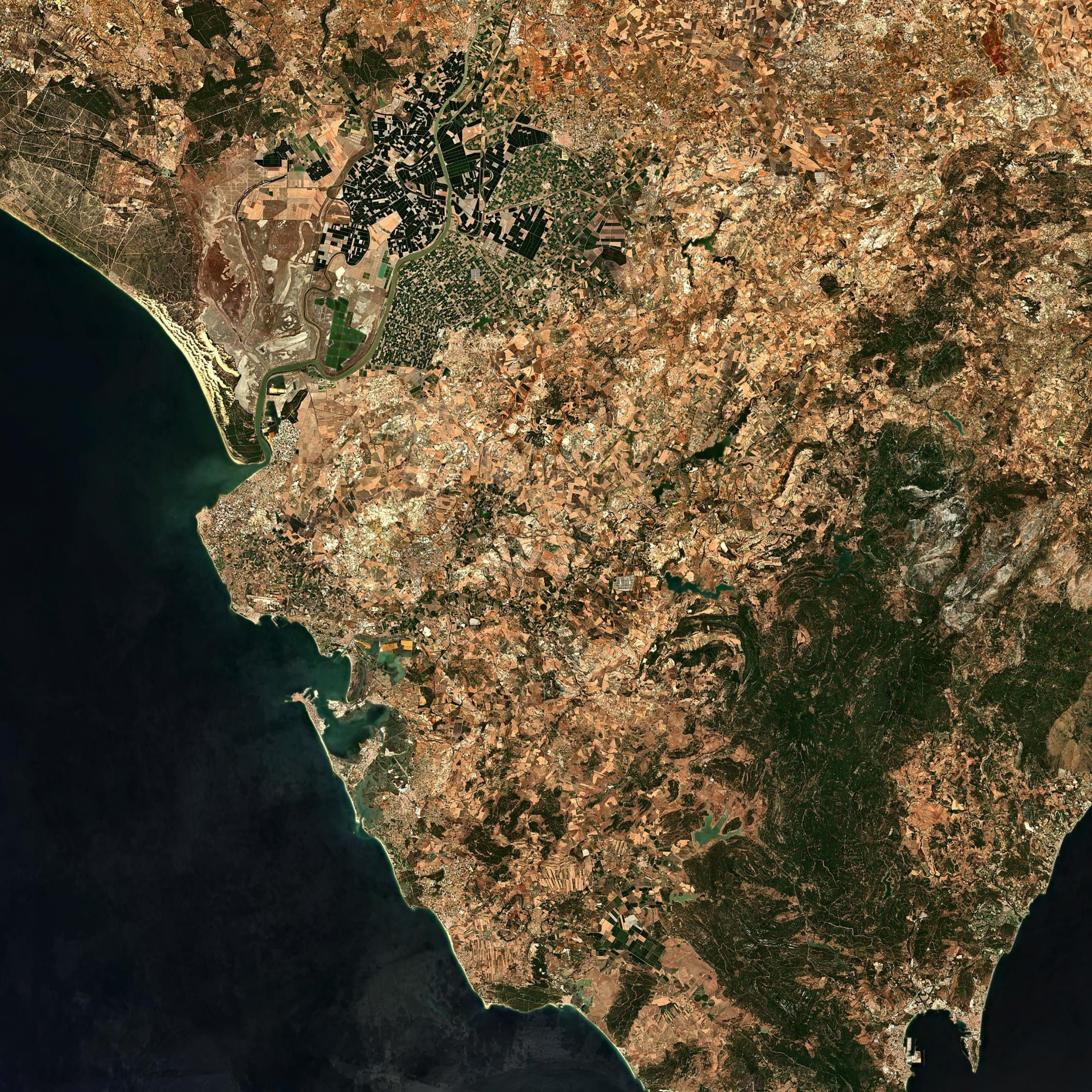
Jerez
Spain wine regions
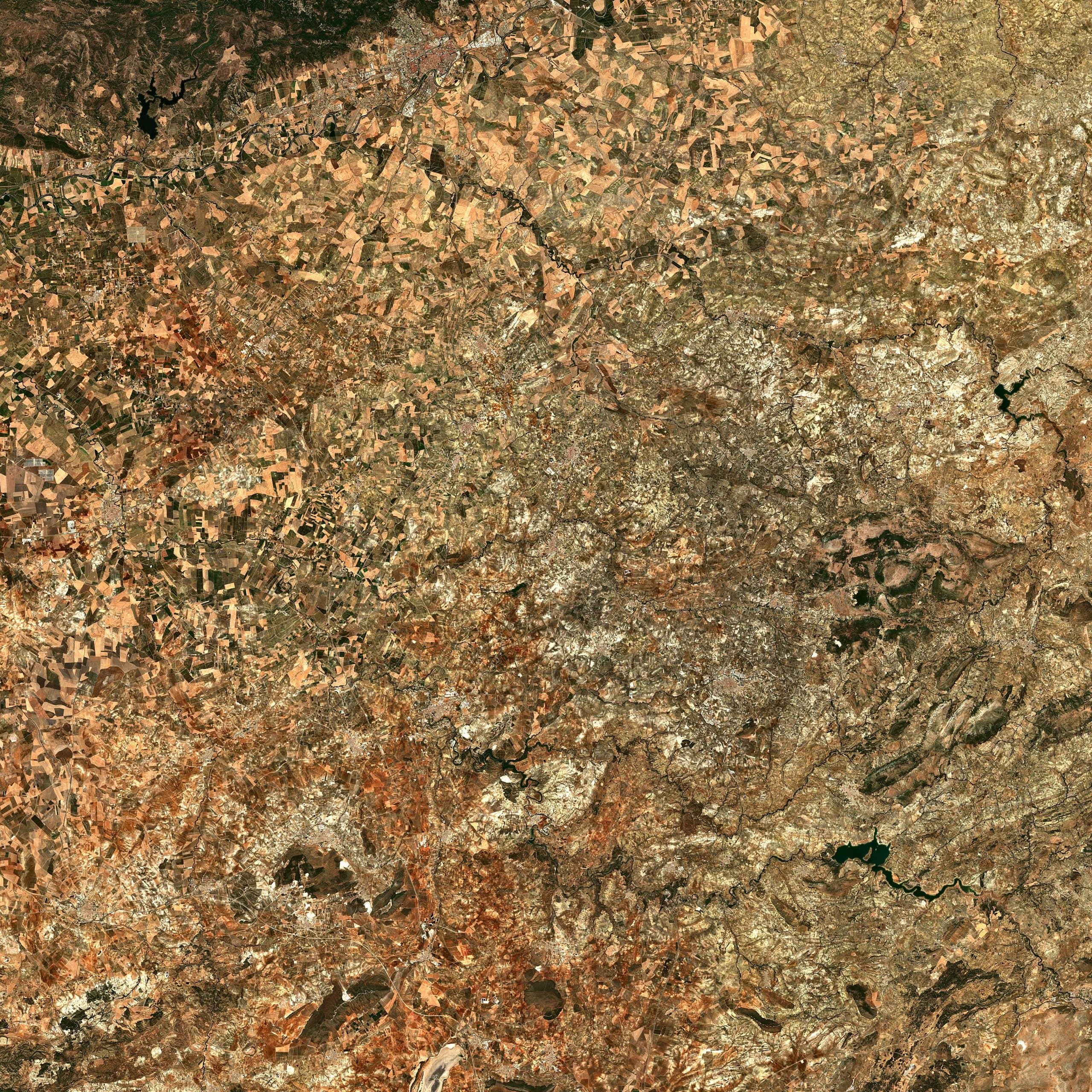
About Jerez
-1–699 m
Elevation range
1 Appellation
Avg. slope 4.7°
Spain wine regions
Denominación de Origen
Classification System
Spanish Quality Hierarchy
Spain's wine-quality pyramid, administered under the EU Protected Designation of Origin (DOP) framework. The two top legal tiers — DOCa and DOQ — have only been awarded to two regions in the country. Every wine DO in Spain sits somewhere on this ladder.
DOCa / DOQ
Denominación de Origen Calificada (Castilian) / Denominació d'Origen Qualificada (Catalan). Spain's highest wine classification — awarded only to Rioja (1991) and Priorat (2009)
DO
Denominación de Origen — the main quality tier. Most Spanish wine regions (Bierzo, Rueda, Ribera del Duero, Rías Baixas, etc.) are DOs
Vinos de Pago (VP)
Single-estate designation for exceptional individual vineyards, outside the regional DO system. Currently around 20 properties nationwide (Dominio de Valdepusa, Pago de Otazu, etc.)
VC / Vino de Calidad
Vino de Calidad con Indicación Geográfica — a stepping-stone tier below DO, used by emerging regions building a track record toward full DO status
VT / Vino de la Tierra
Protected Geographical Indication (IGP) — a broader regional tier. Equivalent to France's IGP / Italy's IGT
Vino (without GI)
Basic table wine without a geographic designation
Sherry Styles
Sherry is classified by style, not vintage. Each style reflects a different combination of base wine, aging environment (biological under flor, oxidative, or both), and sweetness level.
Fino
Bone-dry, aged biologically under flor yeast in Jerez and El Puerto
Manzanilla
Fino's coastal cousin, aged exclusively in Sanlúcar de Barrameda — saline, tangier
Amontillado
Starts under flor then aged oxidatively — amber, nutty, with hazelnut and caramel
Oloroso
Fully oxidative aging, no flor — dark, rich, walnut and tobacco
Palo Cortado
Rare intermediate style: Amontillado aromatics with Oloroso body
Pedro Ximénez (PX)
Sweet wine from sun-dried PX grapes — near-black, viscous, raisin and molasses
Moscatel
Sweet aromatic wine from Muscat of Alexandria
Cream / Medium
Blended sweetened styles for the traditional export market
Age Classification
Because Sherry is aged via the solera system (blending many vintages), the DO recognises two age-dated categories for exceptionally old soleras. A separate Añada tier covers the rare single-vintage wines.
VORS
Very Old Rare Sherry — solera average age of 30+ years, verified by carbon-14 dating
VOS
Very Old Sherry — solera average age of 20+ years
12/15 Años
Soleras with an average age of 12 or 15 years
Añada
Rare single-vintage Sherry, typically Oloroso or Palo Cortado, dated by year
What Jerez produces
White
Fino and Manzanilla under flor, Amontillado and Oloroso oxidatively aged, Palo Cortado.
Grapes of Jerez
Climate
Hot, dry Mediterranean climate with Atlantic influence providing cooling breezes. The poniente wind brings humidity that encourages flor development, while the levante brings dry heat perfect for concentrating grapes.
Terroir
Dominated by albariza soil – brilliant white chalk that reflects sunlight, retains moisture, and provides excellent drainage. This limestone-rich soil with fossilized marine organisms gives sherry its distinctive mineral backbone and enables the region's signature bone-dry styles.
Typical Aromas
More in Spain
Frequently Asked Questions
What makes Jerez wine special?▼
What are the best Jerez vintages?▼
What grapes are grown in Jerez?▼
What food pairs well with Jerez wines?▼
How does Jerez compare to other major wine regions?▼
Map data: MAPA (Ministerio de Agricultura, Pesca y Alimentación)