
Argentina
Mendoza
Argentina wine regions
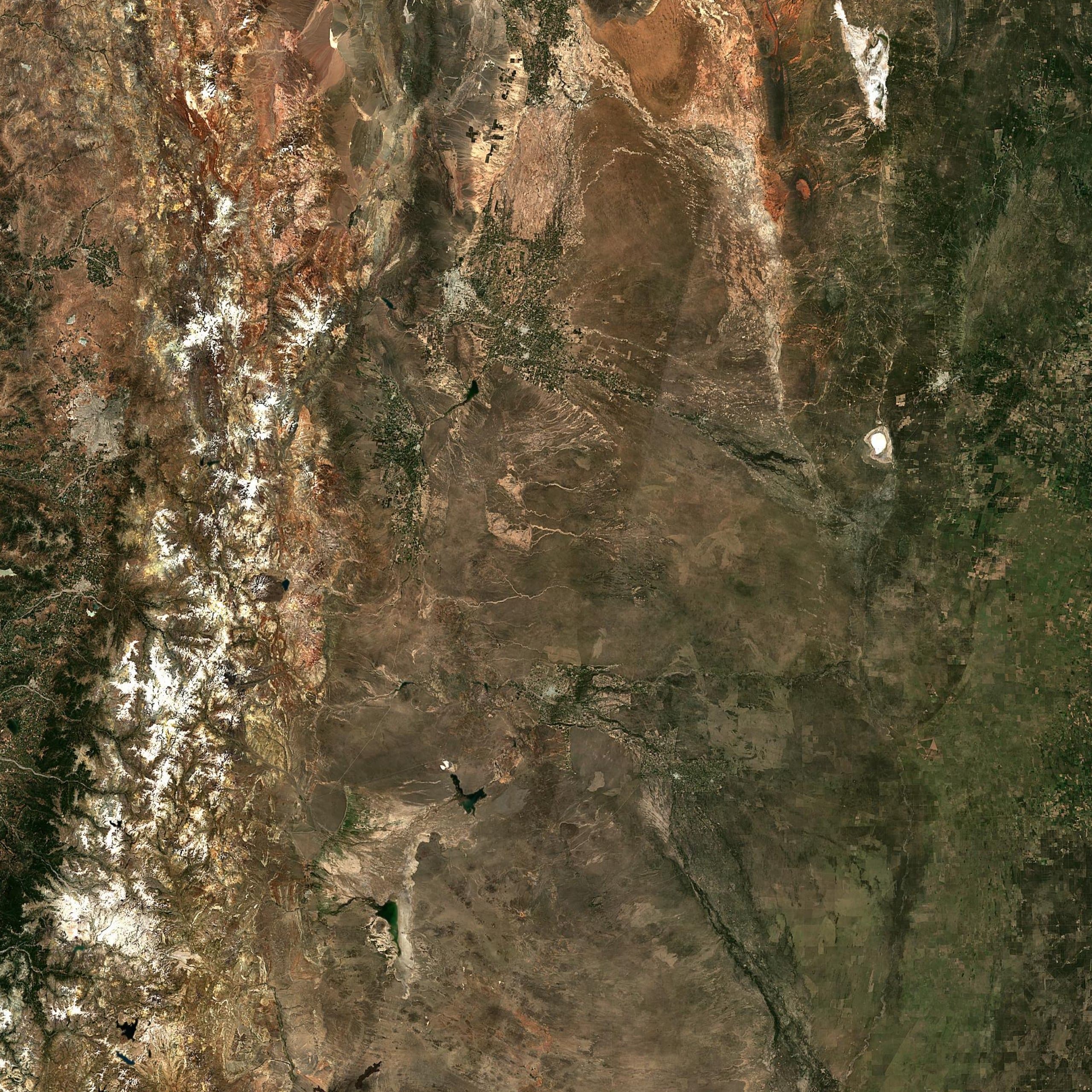
About Mendoza
Argentina wine regions
Vintages
36 · 1990–2025
Outstanding Mendoza Vintages
The best recent vintages rated excellent or exceptional.
Red
Zones, Departments & GIs
Classification System
Argentina uses a DOC and GI system, with Mendoza pioneering altitude-based classification. High-elevation vineyards (above 1,000m) produce the most concentrated wines.
Single Vineyard
Named vineyard site, often high altitude
Sub-region
Specific area like Luján de Cuyo or Uco Valley
DOC / GI
Controlled designation of origin
What Mendoza produces
Red
Malbec at altitude, from juicy and generous to profound and age-worthy.
White
High-altitude Chardonnay and Semillon with real tension from the Uco Valley's cooler sites.
Regional appellations
IG Mendoza
The province-wide designation behind roughly seven of every ten Argentine wines. It lets producers blend across zones, from warm Este fruit to high Uco structure, and is the workhorse label of Malbec worldwide.
Grapes of Mendoza
Climate
High-desert continental climate moderated entirely by altitude. Over 300 days of sunshine, less than 250 mm of rain a year, and day-night temperature swings of 15C or more that ripen fruit fully while keeping acidity fresh. Summer hail is the grower's main fear, and dry years depend on Andean snowpack for irrigation.
Terroir
Alluvial fans washed down from the Andes: sand and gravel over clay in the older zones near the city, and poorer, stonier ground higher up. The Uco Valley's soils are laced with caliche, a calcium carbonate crust that gives wines from Gualtallary and Paraje Altamira their chalky, saline grip. Rivers born in the mountains, the Mendoza and the Tunuyán, water the whole system.
More in Argentina
Frequently Asked Questions
What makes Mendoza wine special?▼
What are the best Mendoza vintages?▼
What grapes are grown in Mendoza?▼
Is 2024 a good year for Mendoza?▼
When should I drink Mendoza 2024?▼
What food pairs well with Mendoza wines?▼
How does Mendoza compare to other major wine regions?▼
Map data: Instituto Geográfico Nacional de la República Argentina (IGN) · GI boundaries © OpenStreetMap contributors (ODbL)