CorkCork
Oregon

United States

Oregon

Pinot Noir country, cool, green and stubbornly small-scale.

About Oregon

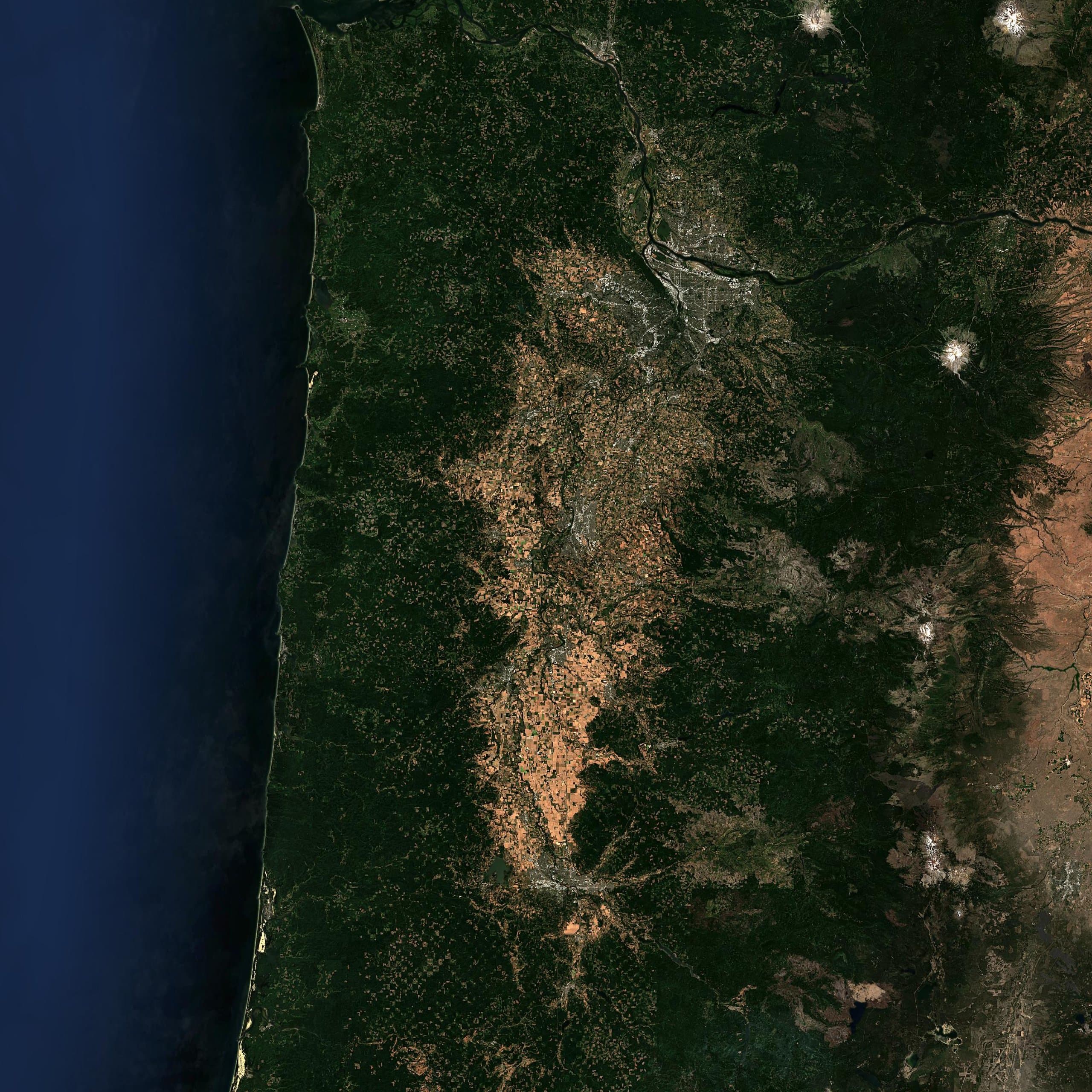
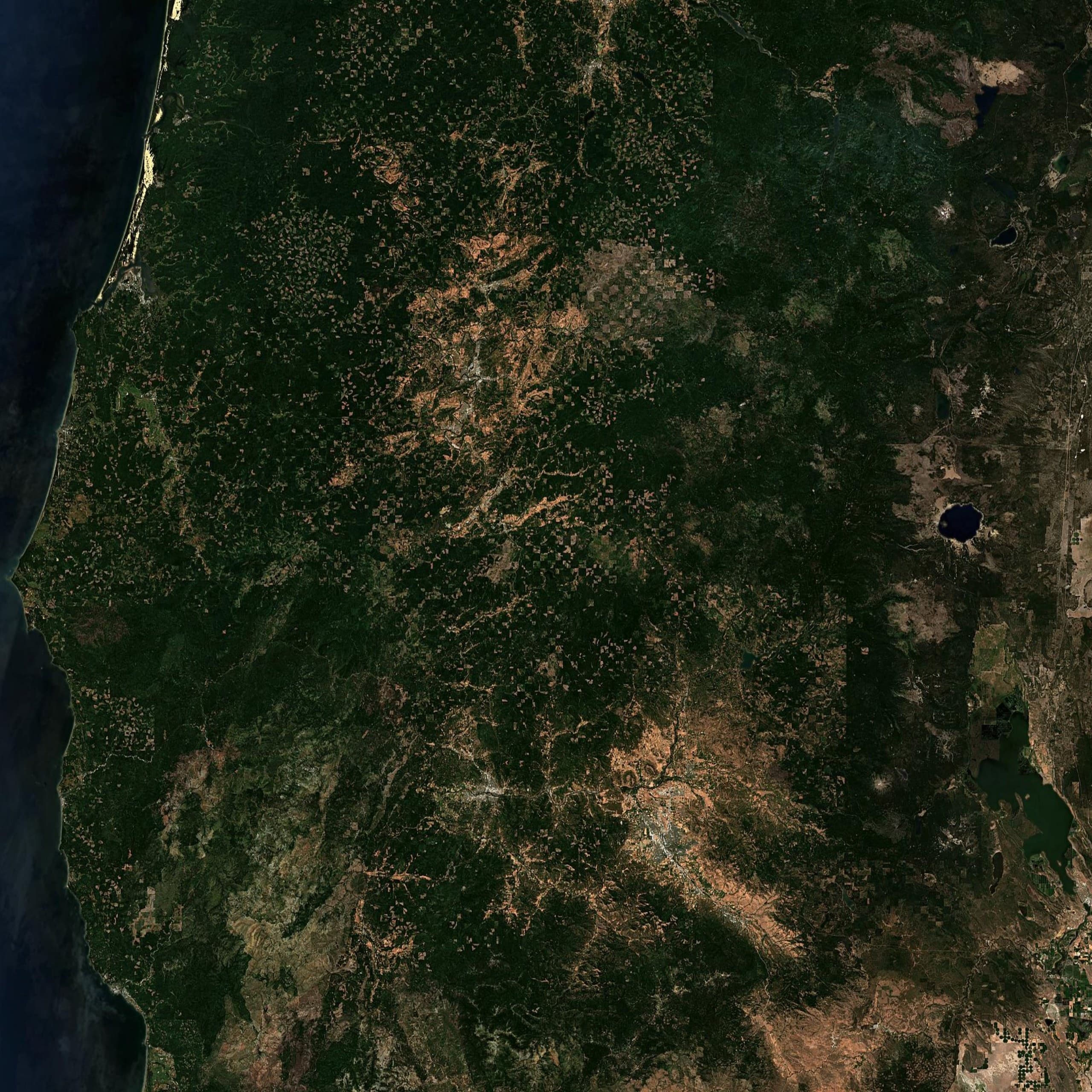
Oregon built its name on one grape. In the 1960s a handful of growers planted Pinot Noir in the Willamette Valley against the advice of nearly everyone, and it now covers well over half the state's vineyards. The Willamette Valley, south of Portland, is the heart of it, and its hillside districts such as Dundee Hills, Eola-Amity Hills and Yamhill-Carlton are names worth knowing. Further south, the Umpqua and Rogue valleys are warmer and drier, and grow Tempranillo, Syrah and Cabernet alongside Pinot. In the east, Oregon shares the Columbia Gorge and Walla Walla Valley with Washington. Estates are mostly small and family-run, and the state's labelling rules are among the strictest in the country: a wine named for Pinot Noir must be at least 90 percent that grape.

Wine regions

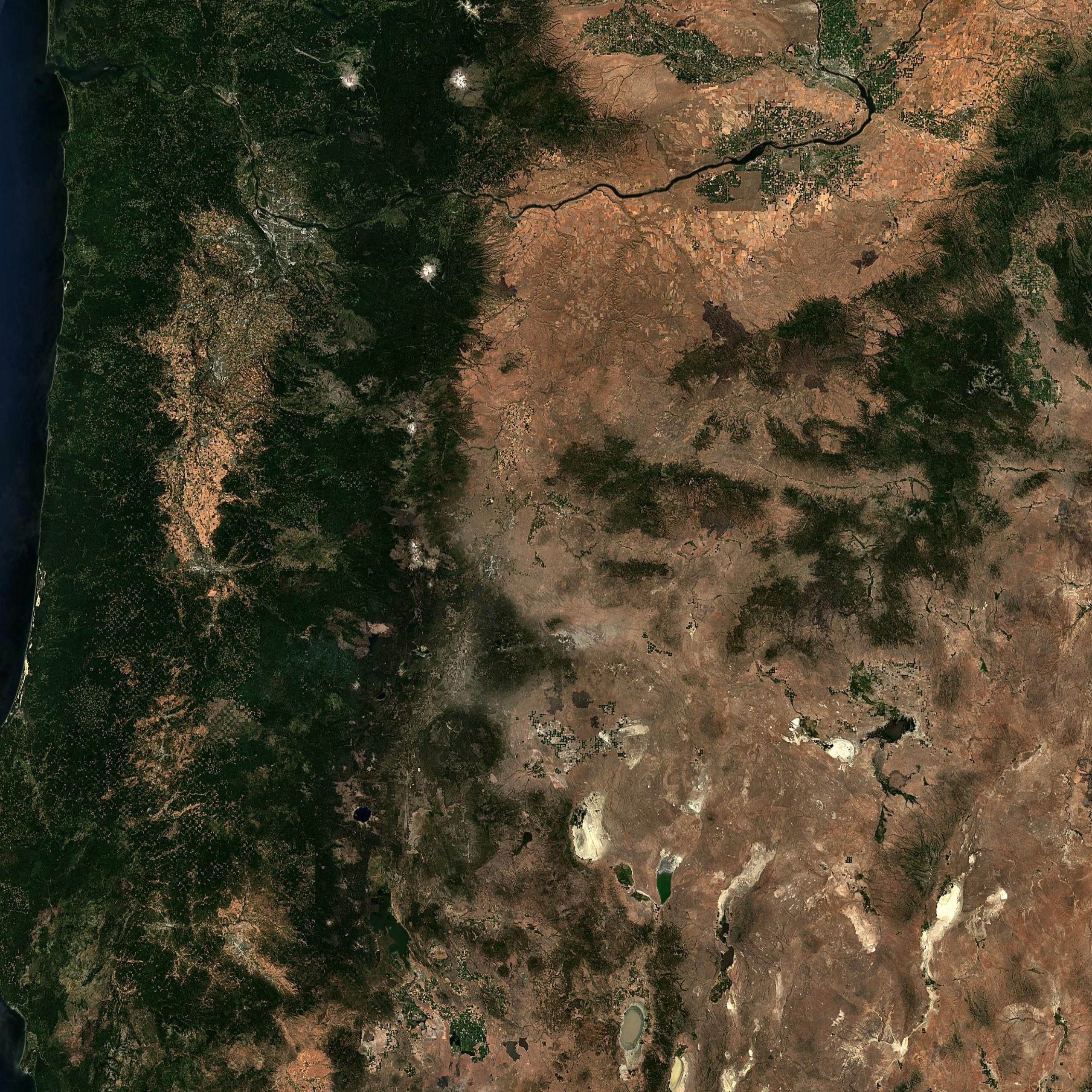
The regions of Oregon

Classification System

Oregon follows the AVA system but with stricter labeling laws than most US states. Wines must contain at least 90% of the named grape variety (vs. 75% federally).

Sub-AVA

Nested areas like Dundee Hills within Willamette Valley

AVA

Federally recognized viticultural area

State

Oregon state-level designation

What Oregon produces

Red

Pinot Noir above all: red fruit, earth and lift, with Syrah and Tempranillo from the warmer south.

White

Pinot Gris and Chardonnay, fresh and bright, with a little Riesling.

Grapes of Oregon

Climate

Cool maritimeWet wintersDry summersLong growing season

Cool and marine in the Willamette Valley, where the Coast Range softens the Pacific but lets cool air through gaps such as the Van Duzer Corridor. Winters are wet, summers are dry and mild, and autumn rain is the yearly gamble at harvest. Southern Oregon is warmer and sunnier, with a wide swing between day and night. East of the Cascades the climate turns dry and continental.

Terroir

Volcanic clayMarine sedimentLoessHillside sites

In the Willamette Valley three families of soil shape the wines: red volcanic clay known as Jory, older marine sediments, and windblown loess on the higher slopes. The best vineyards sit on hillsides above the fertile valley floor, between about 60 and 300 metres. Southern Oregon is a patchwork of river terraces, granite and volcanic rock across steep, enclosed valleys.

Typical Aromas
red cherryraspberrycranberryforest floorrose petalbaking spices
Explore the aroma wheel

More in United States

Frequently Asked Questions

What makes Oregon wine special?▼
Oregon's cool, wet climate is perfect for Pinot Noir and other delicate varieties that struggle in hotter regions. The Willamette Valley especially has similar conditions to Burgundy, allowing for elegant, food-friendly wines with great acidity and complexity. Plus, Oregon winemakers tend to focus on sustainable practices and letting the terroir speak through their wines.
What are the best Oregon vintages?▼
Recent standouts include 2024, 2023, 2022, and 2021 - all rated 4/5 stars. 2024 was excellent for both reds and whites, with warm but balanced conditions perfect for Willamette Valley Pinot Noir. 2023 was particularly outstanding for whites like Chardonnay, while 2022 gave us ripe, concentrated Pinot Noirs with more richness than usual.
What grapes are grown in Oregon?▼
Pinot Noir is the star here, making up the majority of Oregon's plantings and reputation. Chardonnay is the main white, producing some really elegant wines. You'll also find excellent Pinot Gris (which had a stellar 2024), plus smaller amounts of Riesling, Pinot Blanc, and some Syrah in warmer sites.
Is 2024 a good year for Oregon?▼
Absolutely! 2024 was excellent for both reds and whites, earning 4/5 ratings across the board. The vintage brought warm but not excessive conditions that were ideal for Willamette Valley Pinot Noir, plus clean, vibrant Pinot Gris and Chardonnay. It's shaping up to be one of the better recent vintages.
When should I drink Oregon 2024?▼
Oregon 2024 whites like Pinot Gris and Chardonnay are drinking beautifully now through the next 3-5 years. The Pinot Noirs will be approachable young but will really shine with 5-10 years of aging - the warm vintage gave them good structure and concentration for cellaring.
What food pairs well with Oregon wines?▼
Oregon Pinot Noir is incredibly food-friendly - think salmon, duck, mushroom dishes, and anything with earthy flavors. The high acidity makes it great with tomato-based dishes too. Oregon Chardonnay pairs beautifully with shellfish, roasted chicken, and creamy pasta dishes, while Pinot Gris is perfect with lighter seafood and Asian cuisine.
How does Oregon compare to Burgundy?▼
Oregon's Willamette Valley has a remarkably similar climate to Burgundy, which is why Pinot Noir thrives in both regions. Oregon tends to be a bit more fruit-forward and approachable when young, while Burgundy is often more mineral-driven and structured. Both make elegant, food-friendly wines, but Oregon offers much better value for money.