
Country
United States
From volcanic Oregon to the Finger Lakes
Wine in all fifty states, but the story belongs to a handful of climates that learned to grow Old World grapes in New World soils. Three coastlines, three very different houses.
270+
AVAs
Cabernet Sauvignon
Top grape
~80%
California's share
33–47° N
Latitude band
Since 1976
Modern era
~24 M hL
Annual production
The country
Why United States matters
The 1976 Judgment of Paris flipped the global wine map overnight. California Cabernets and Chardonnays beat first-growth Bordeaux and Burgundy in a blind tasting in Paris. Within a decade, Napa was a global fine-wine name.
The story has expanded since. Oregon's Willamette Valley emerged as the country's serious Pinot Noir region. Washington's Columbia Valley turned a desert plateau into a Cabernet-and-Syrah powerhouse. New York's Finger Lakes built a cool-climate Riesling tradition that quietly competes with Mosel.
What ties it together: American wine law gives producers room to make whatever they want. The result is the most stylistically diverse wine country in the world.
What grows here
The signature grapes
The varieties that define United States. Tap any card to drill into the grape's profile.
The land
Terroir at a glance
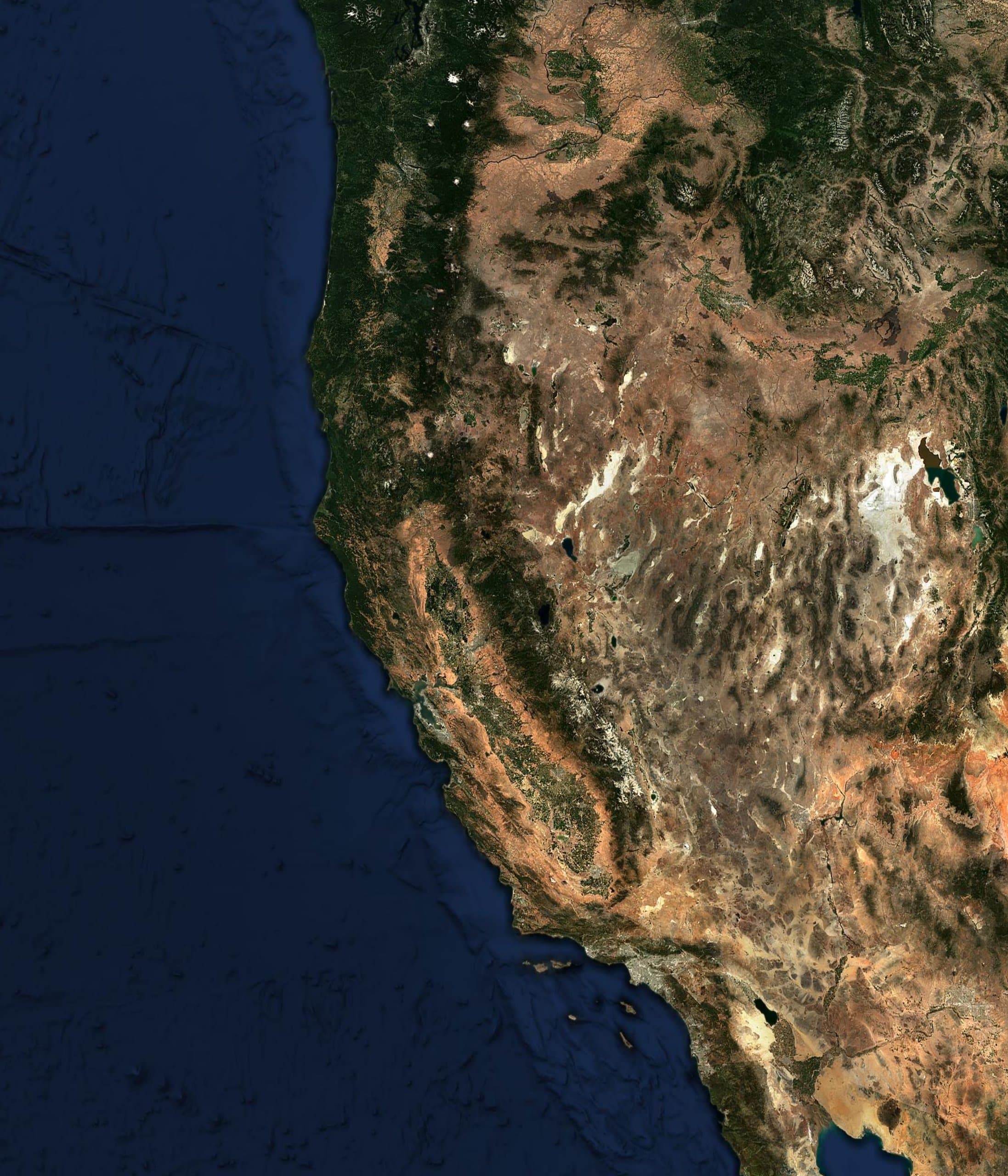
The American wine map is huge — vines from coastal California (38° N) up to the Finger Lakes (42° N), and from sea level to 700 metres. Three big growing zones do most of the serious work, with very different relationships to ocean and altitude.
The California coast
Napa, Sonoma, Central Coast (Paso, Santa Barbara), Mendocino. Warmed by latitude but cooled by Pacific fog and wind. Cool sites within reach of fog or coastal wind; warm sites bake under intense sun and grow muscular Cabernet, Zinfandel, and Rhône varieties.
Oregon's Willamette
West of the Cascades, marine-influenced, Burgundy-like climate: long cool growing seasons, autumn rain. Volcanic Jory and sedimentary Willakenzie soils. The country's most refined Pinot Noir, Pinot Gris, and Chardonnay.
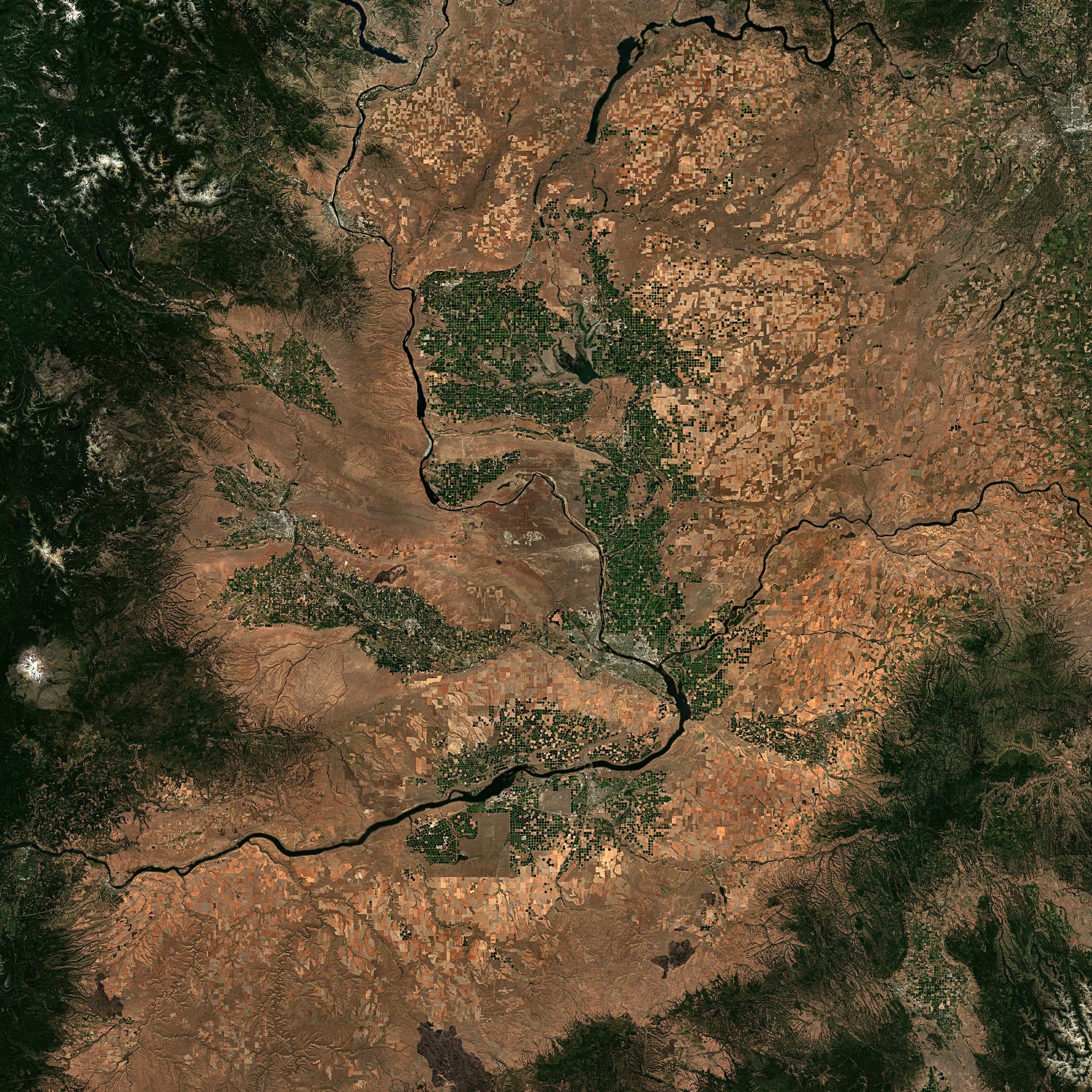
Washington's high desert
Columbia Valley sits on the rain-shadow side of the Cascades — a near-desert where vineyards depend on irrigation. Basalt and loess soils produce dense, structured Cabernet, Merlot, and Syrah at the level of top Bordeaux.
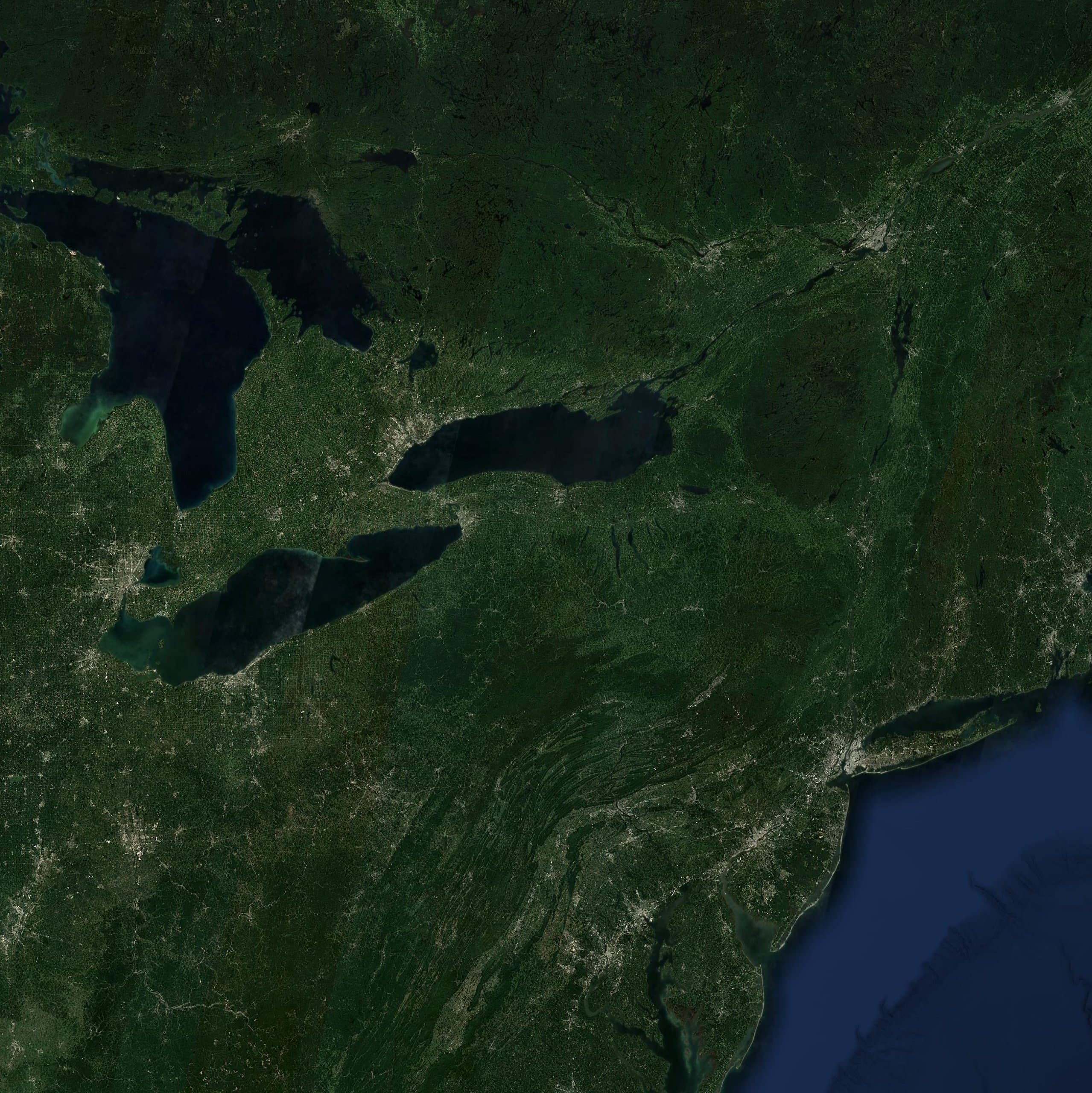
New York's slate slopes
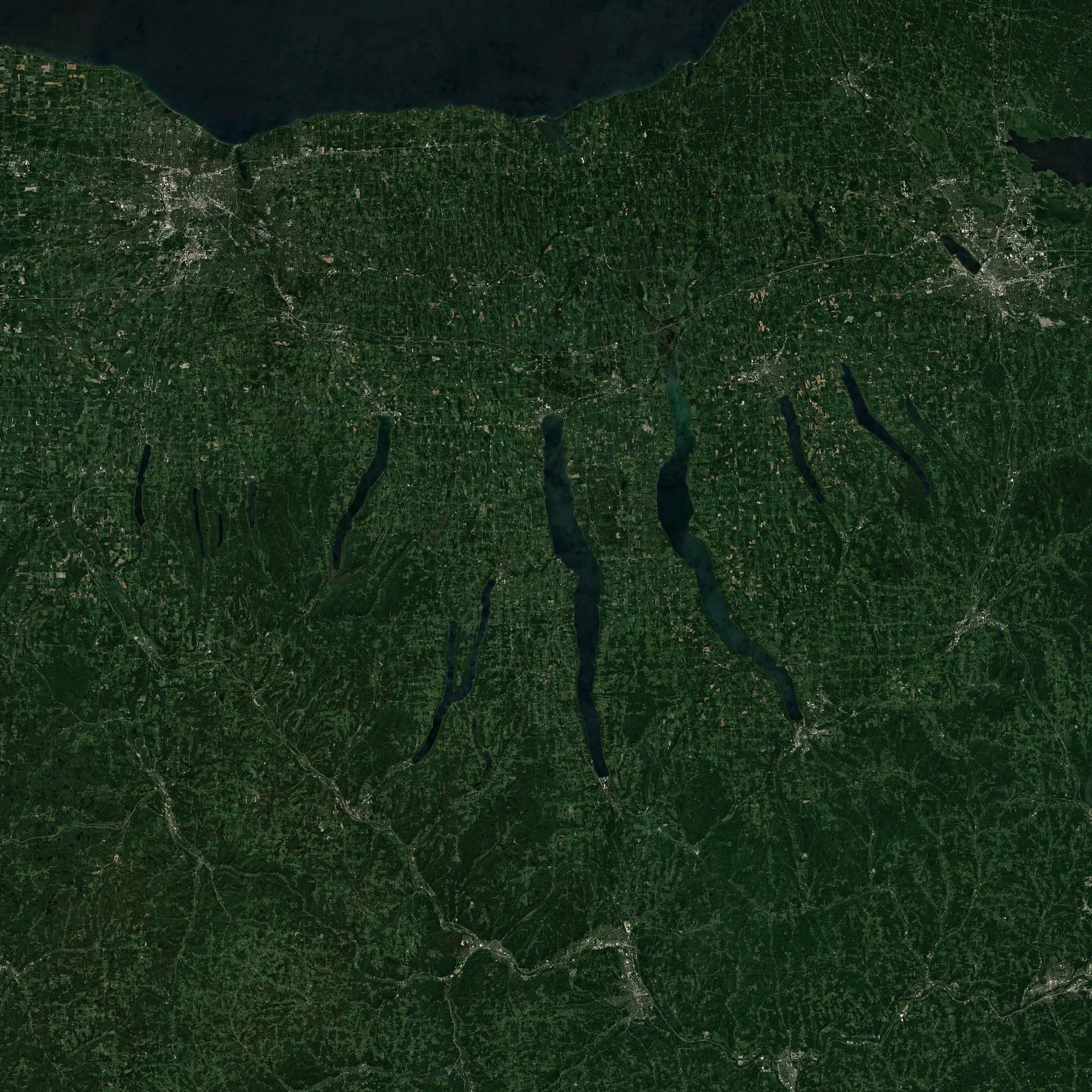
The Finger Lakes were carved by glaciers between Lake Erie and the Hudson. Slate slopes radiate the lakes' moderating heat. Riesling, Cabernet Franc, and increasingly serious Chardonnay and Pinot Noir.
On the map
The regions worth visiting
Only regions with mapped vineyards and full guides are shown. Each tile leads to its appellations and vintages.
United States wine regions. Select a region to learn more.
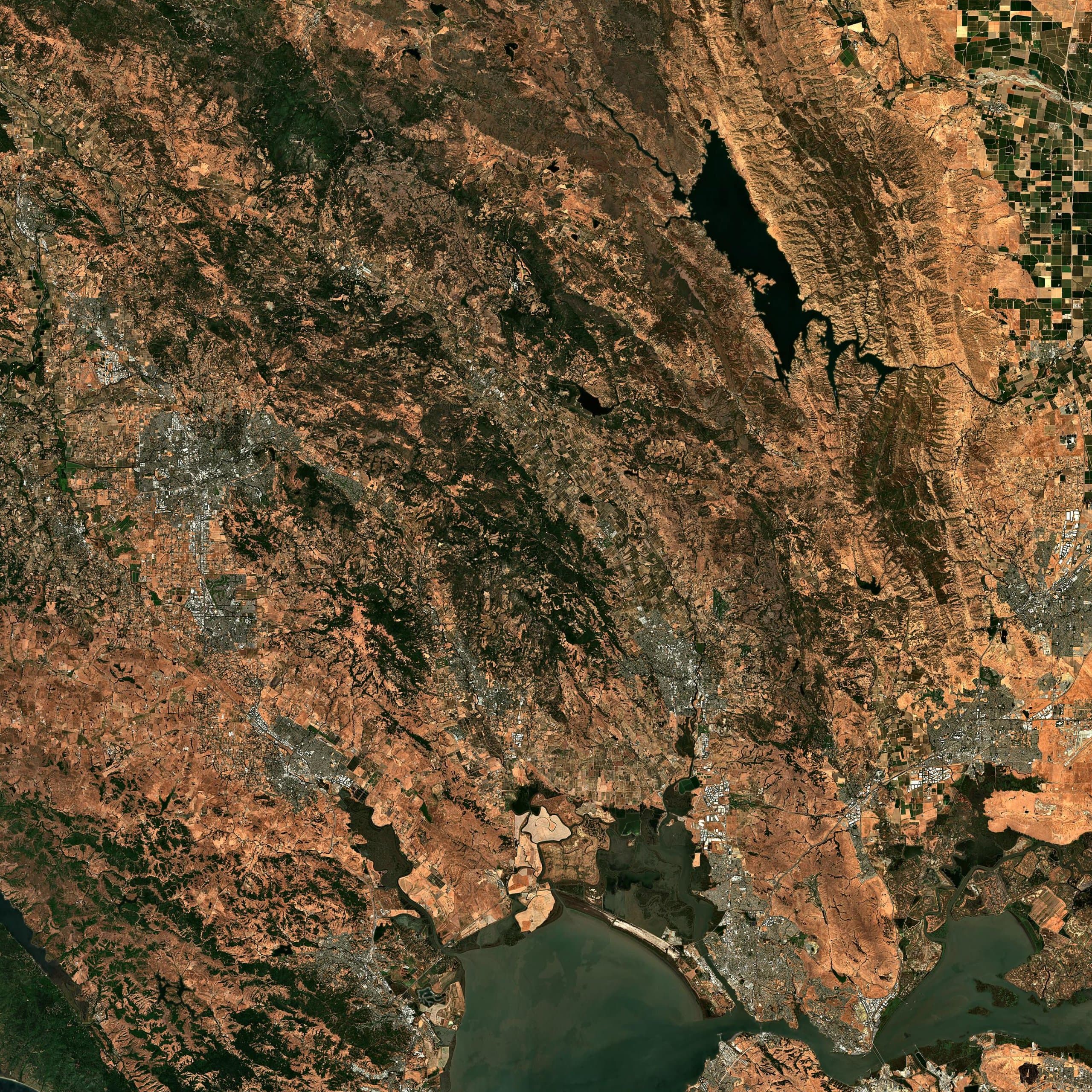
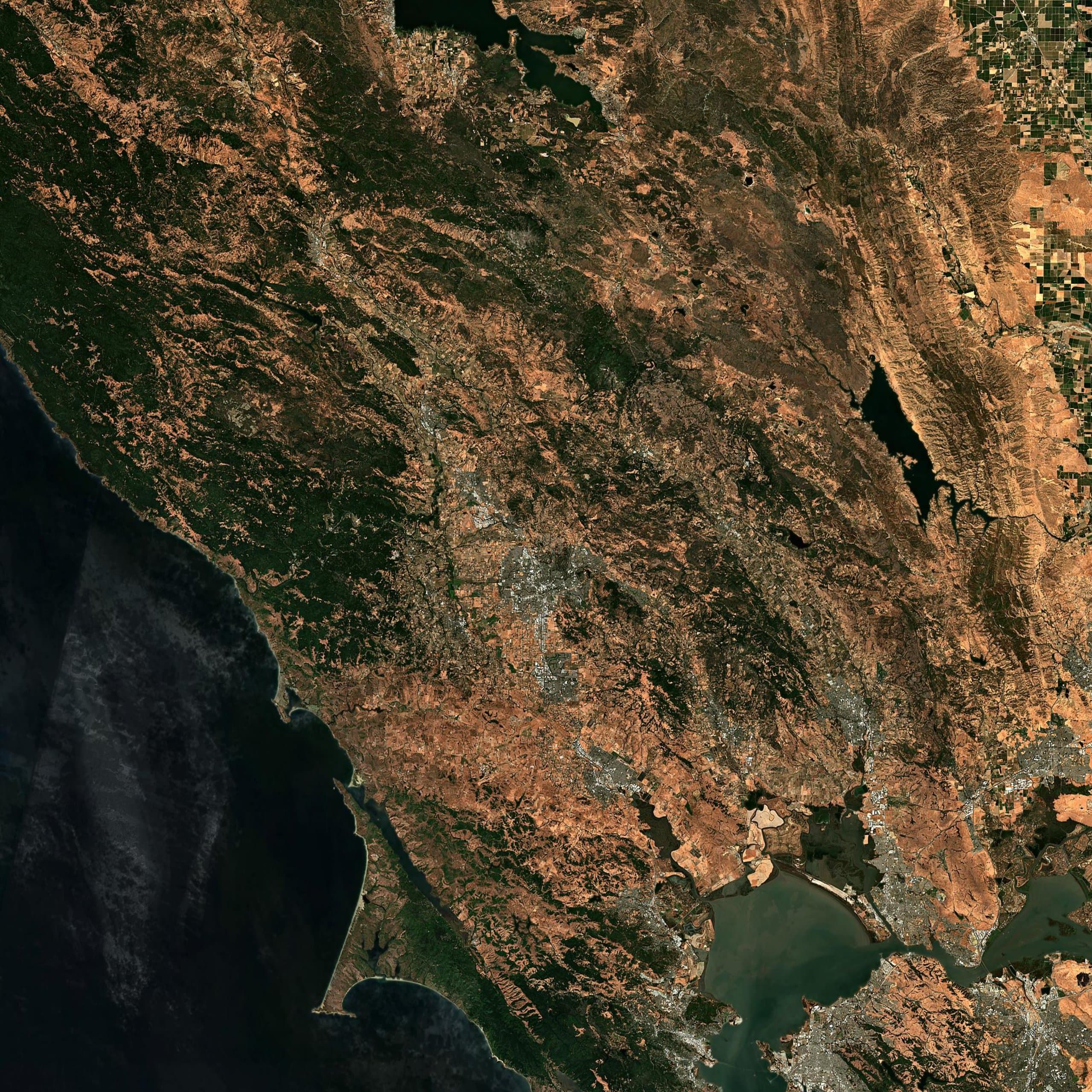
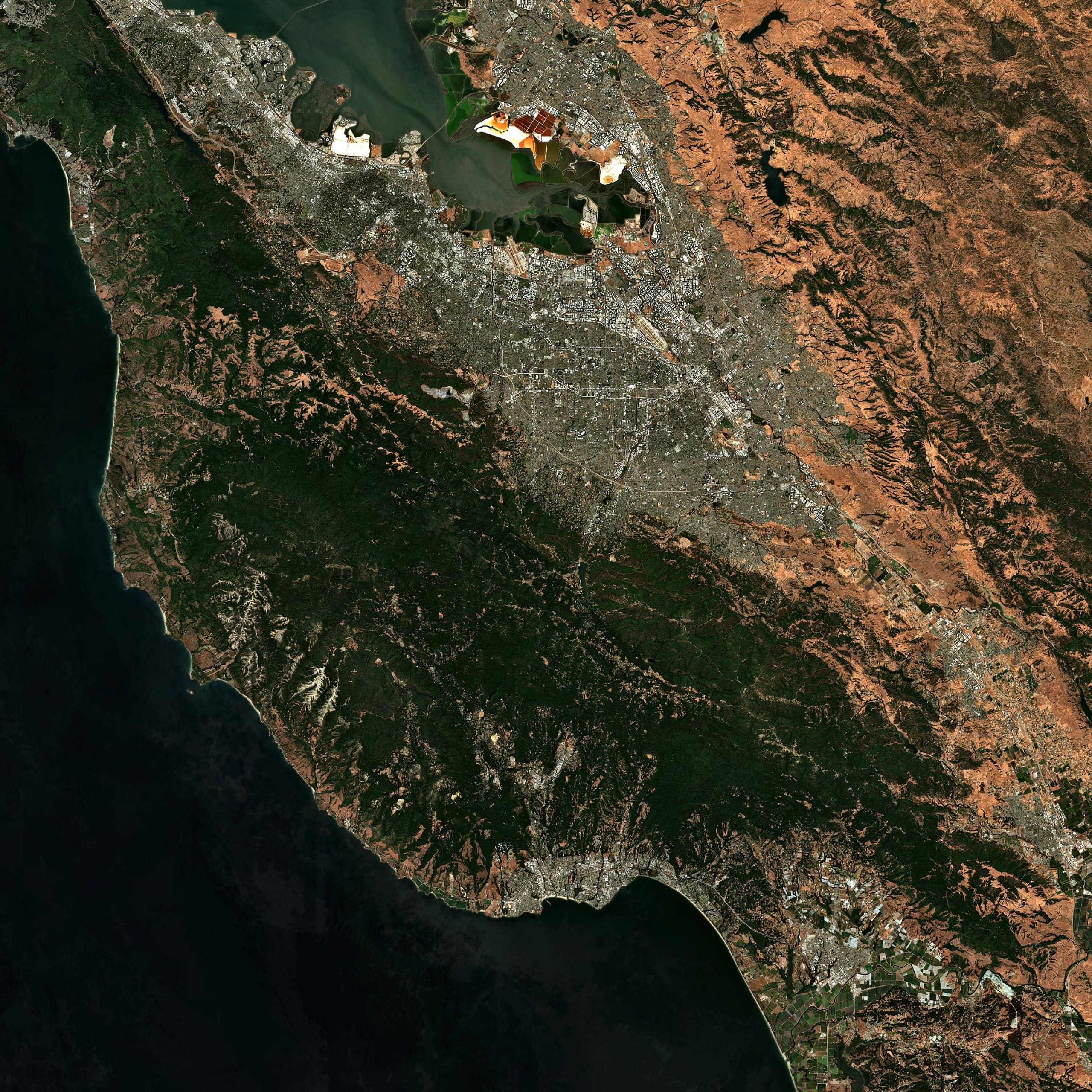
Napa and Sonoma
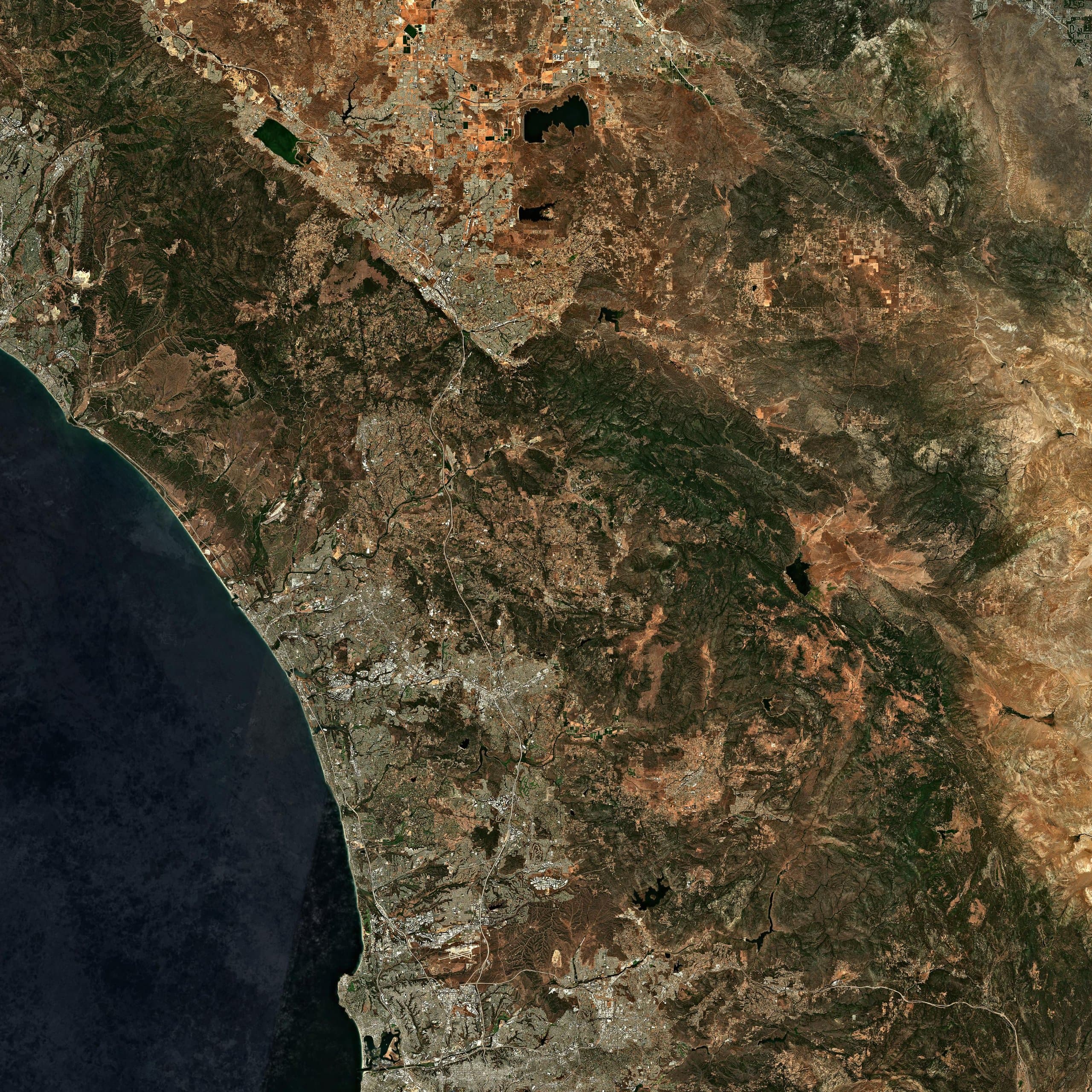
California's wine heartland. Cabernet on Napa's gravel benches, Pinot and Chardonnay on Sonoma's foggy coast.
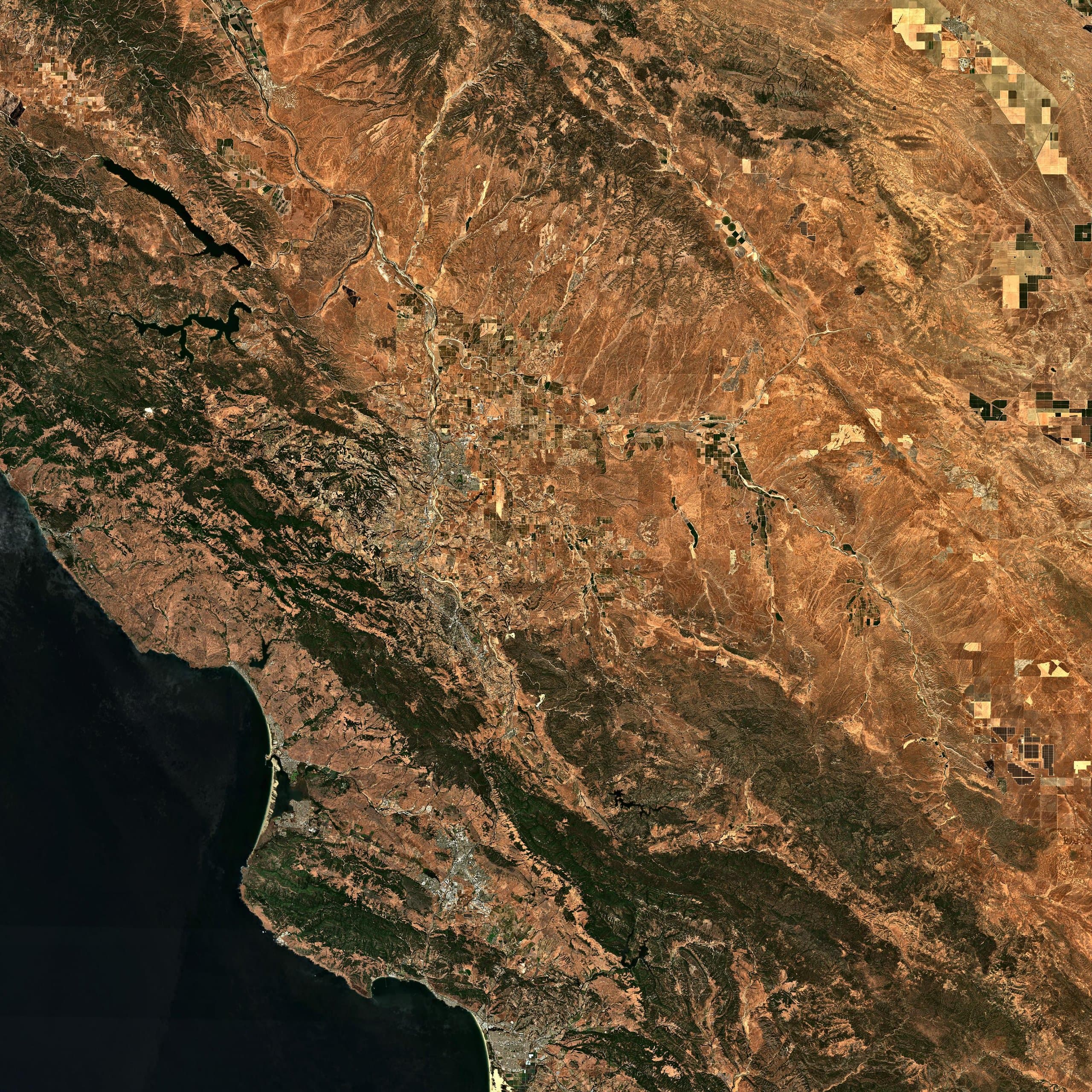
The California Central Coast
From the cool Sta. Rita Hills to the warm Paso Robles plateau. Some of the most stylistically diverse wines in the country.
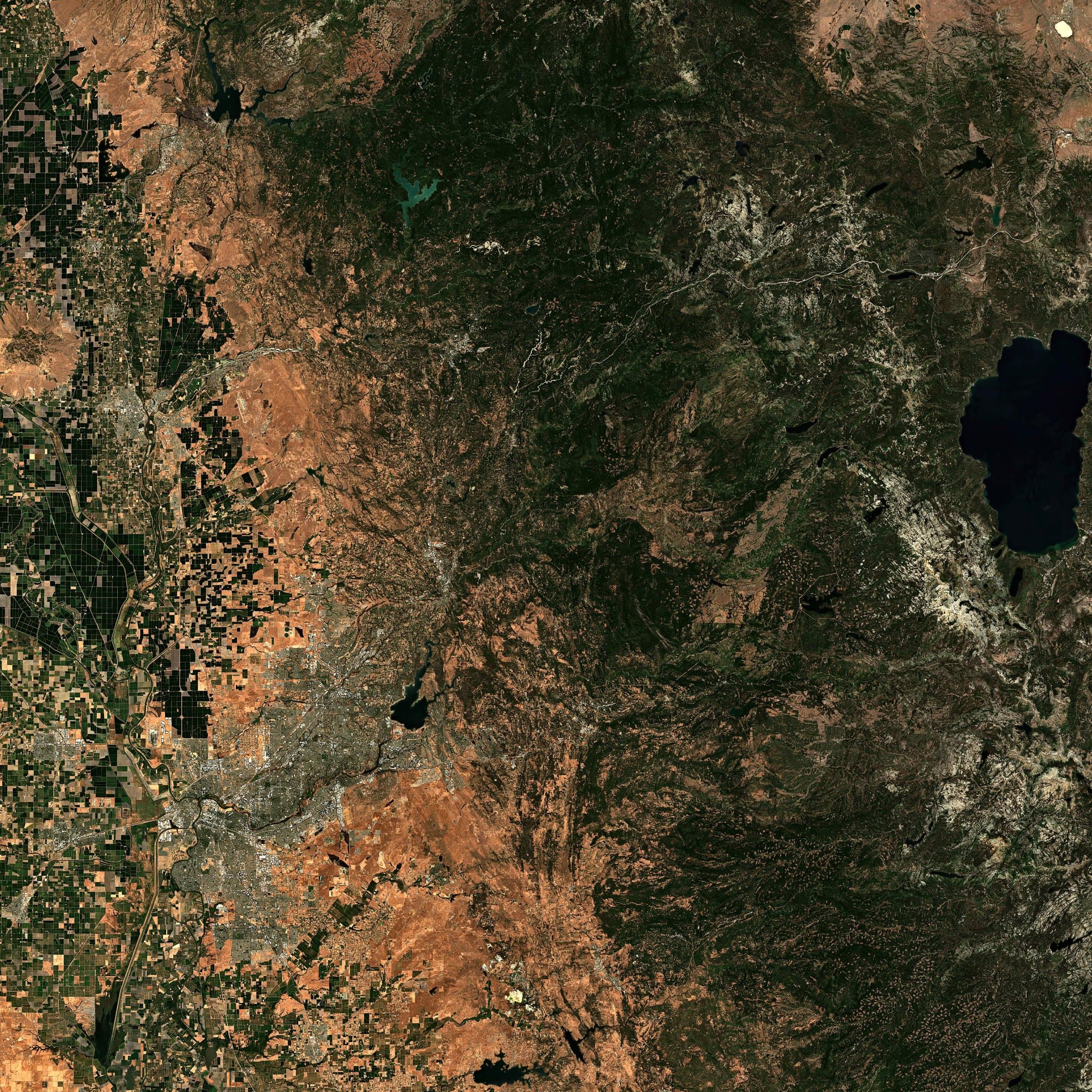
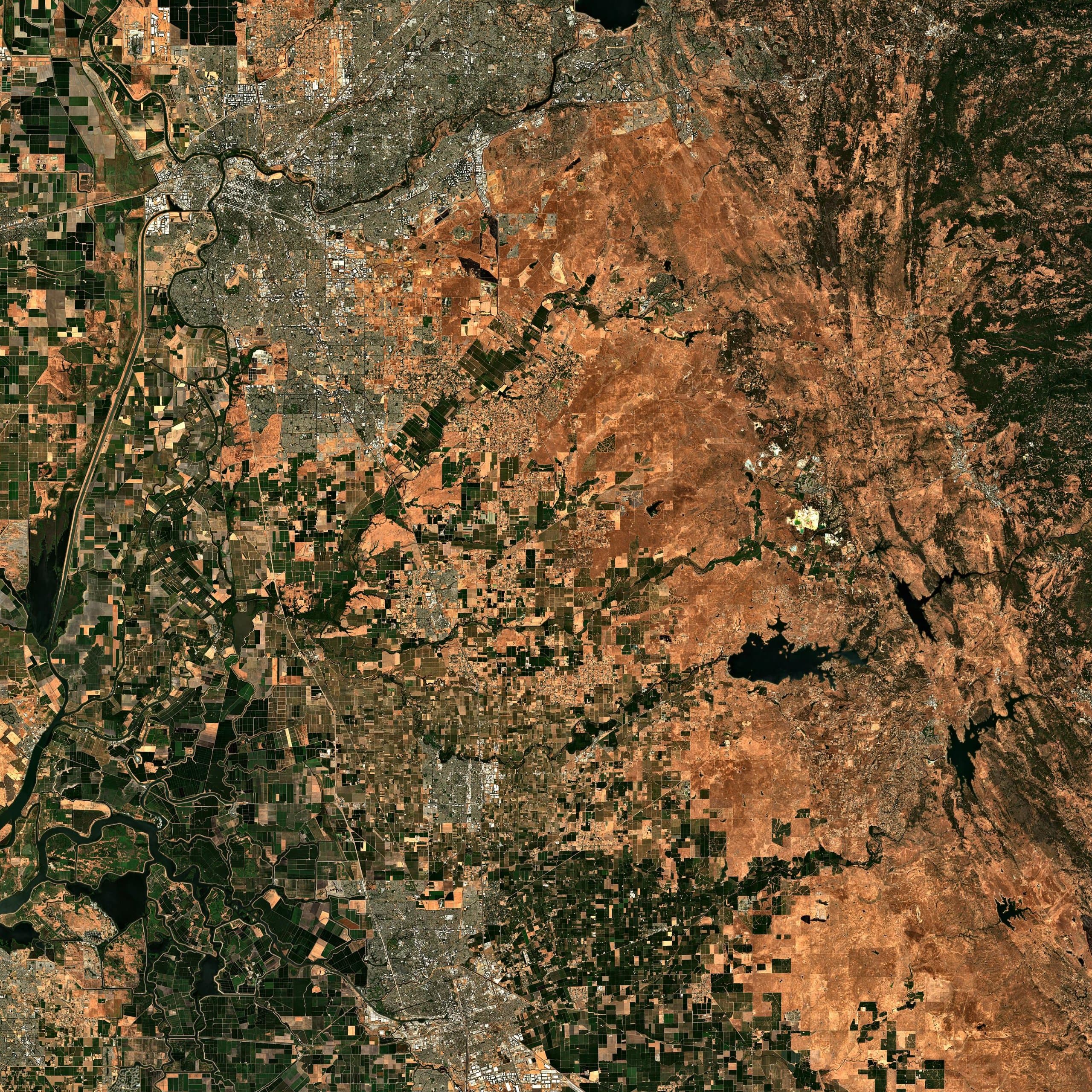
Inland California
The Sierra Foothills' old-vine Zinfandel country and Lodi's century-old vineyards on Mokelumne River soils.
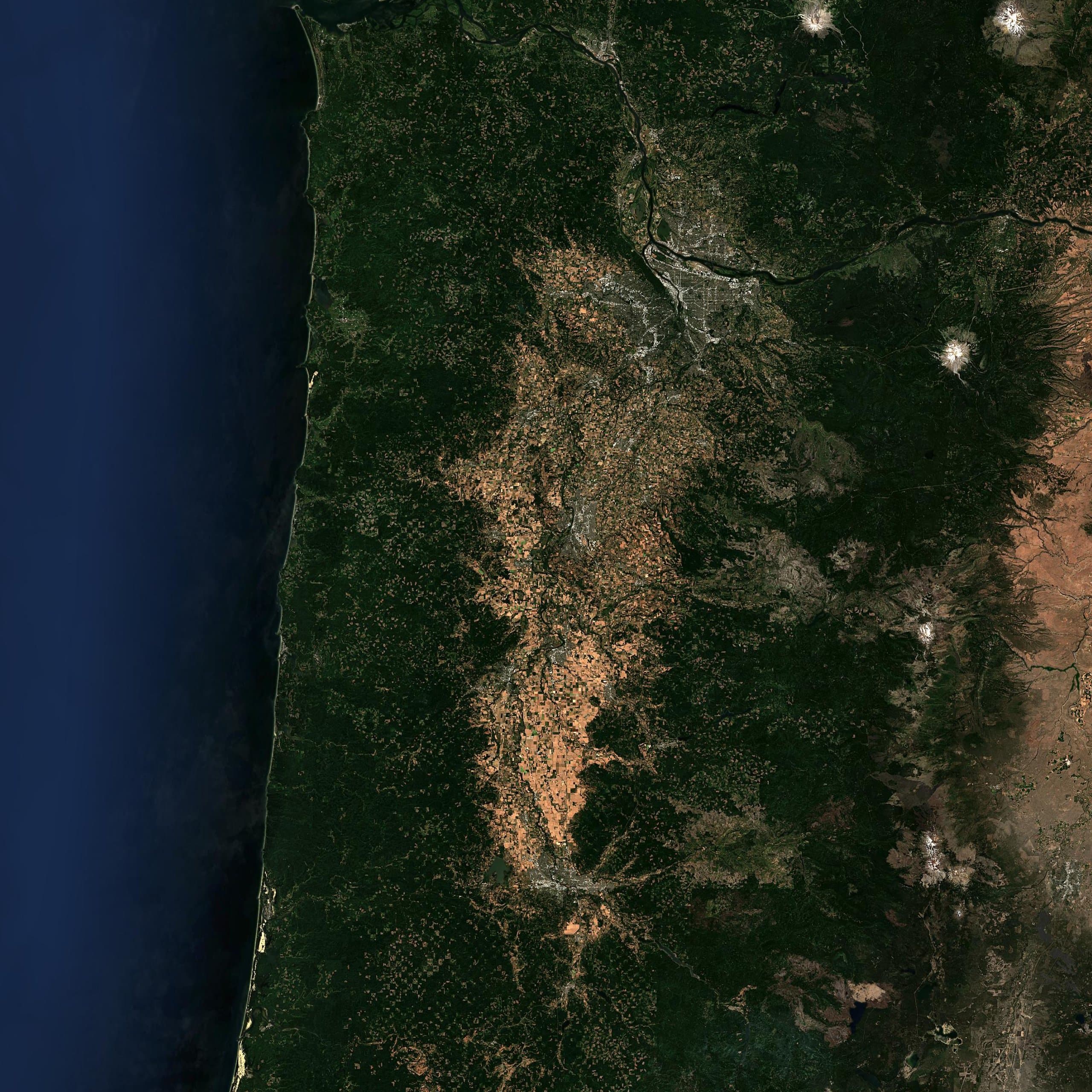
The Pacific Northwest
Marine-cooled Pinot Noir on volcanic soil in Oregon, plus Washington's high-desert Cabernet and Syrah.
The cool East
Slate-and-glacier country in the Finger Lakes. Riesling, Cabernet Franc, and an increasingly serious Pinot Noir scene.
More regions
The system
How wine is classified in United States
American wine law is loose by European standards. The country uses the AVA system to identify origin, but it does not regulate grapes, yields, or winemaking decisions. What you get on the label is mostly a producer's choice.
- 01
AVA
American Viticultural Area. A federal designation for a delimited grape-growing region. There are more than 270 AVAs, ranging from huge ones (Columbia Valley) to tiny single-hill ones (Cole Ranch). At least 85% of the grapes must come from inside the AVA on the label.
- 02
Single-vineyard
A vineyard name on the label means at least 95% of the grapes came from that single site. Not regulated for quality, but regulated for honesty.
- 03
Reserve and proprietary names
Words like Reserve, Estate, and Old Vines are not legally defined and mean only what the producer chooses. Look at the producer's track record and tier structure rather than the words themselves.
A tasting plan
Where to start
Three bottles, three coasts. The American wine map is too big for one tasting, but you can hear its three loudest voices in a single weekend.
Start here
The American wines that most reliably pay off — well-known categories where the price-to-quality ratio is excellent.
Willamette Valley Pinot Noir
Willamette Valley · Pinot Noir
Bright cherry, forest floor, grippy tannins. The American Pinot that drinks closest to Burgundy.
Sonoma Coast Chardonnay
Sonoma Coast · Chardonnay
Cool-climate, fog-driven, oyster-shell minerality. Proof that California Chardonnay has moved past the buttery cliché.
Finger Lakes Dry Riesling
New York · Riesling
Bone-dry, slate-driven Riesling from upstate New York. The glacier-carved Finger Lakes have soils and a climate surprisingly close to Germany's Mosel — and the wines sell for a third of the price.
Go deeper
Step into the regions that define the next tier of American wine — bigger spends, sharper focus.
Walla Walla or Red Mountain Cabernet
Washington · Cabernet Sauvignon
Washington's Bordeaux blends are some of the most ambitious in the country and cost a fraction of Napa peers.
Sta. Rita Hills Pinot Noir
Santa Barbara · Pinot Noir
California Pinot from a cool-climate pocket in Santa Barbara County. The valley runs east-to-west (unusual on the West Coast) so it pulls ocean fog straight inland. Riper and more red-fruited than Oregon Pinot.
Old-vine Zinfandel from Sonoma
Sonoma County · Zinfandel
Zinfandel from vineyards 80–130 years old, planted by Italian and Croatian immigrants and still farmed as un-trellised bush vines. Bedrock, Carlisle, Ridge, and Turley are the producers who built the modern revival.
For the curious
America's most serious wines. Each rewards patience and tells a story you cannot get from Europe.
Howell Mountain or Diamond Mountain Cabernet
Napa Valley · Cabernet Sauvignon
Volcanic-soil Napa Cabernet from the mountains rather than the valley floor. Structured, age-worthy, intense.
Single-vineyard Willamette Pinot
Willamette Valley · Pinot Noir
Oregon Pinot Noir from a single named vineyard, made by a serious producer. Eyrie, Domaine Drouhin Oregon, Cristom, and Beaux Frères are good starting points. Cellar at least seven years.
Finger Lakes late-harvest Riesling
New York · Riesling
Made from grapes left on the vine into late autumn, sometimes touched by botrytis (the 'noble rot' that makes Sauternes). Sweet but kept balanced by Riesling's acidity. Drinks like a young German Auslese at a fraction of the price.
At the table
Wine and food in United States
American wine drinking has shifted from special-occasion bottles to everyday-with-dinner in less than a generation. The pairings track regional cooking: Sonoma Pinot with grilled salmon, Napa Cab with the country's beef culture, Willamette Pinot with mushrooms and roast chicken, Washington Syrah with smoke-and-spice barbecue.
Frequently Asked Questions
Is American wine just California wine?▼
What's the difference between an AVA and a French AOC?▼
Why is Napa Cabernet so expensive?▼
Are American Pinot Noirs really comparable to Burgundy?▼
What's so special about old-vine Zinfandel?▼
Is Washington wine really a thing?▼
Keep exploring