
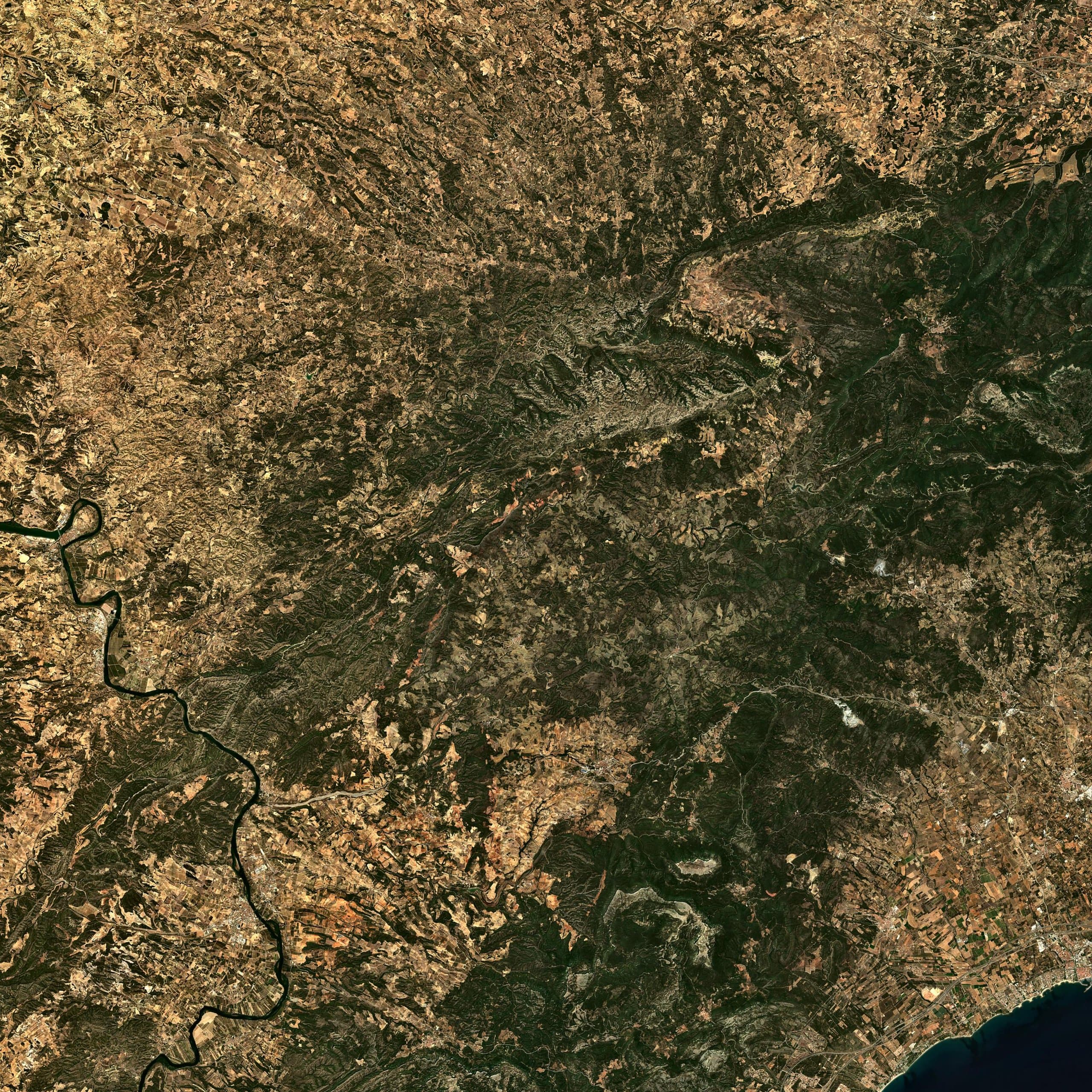
Spain
Priorat
Spain wine regions
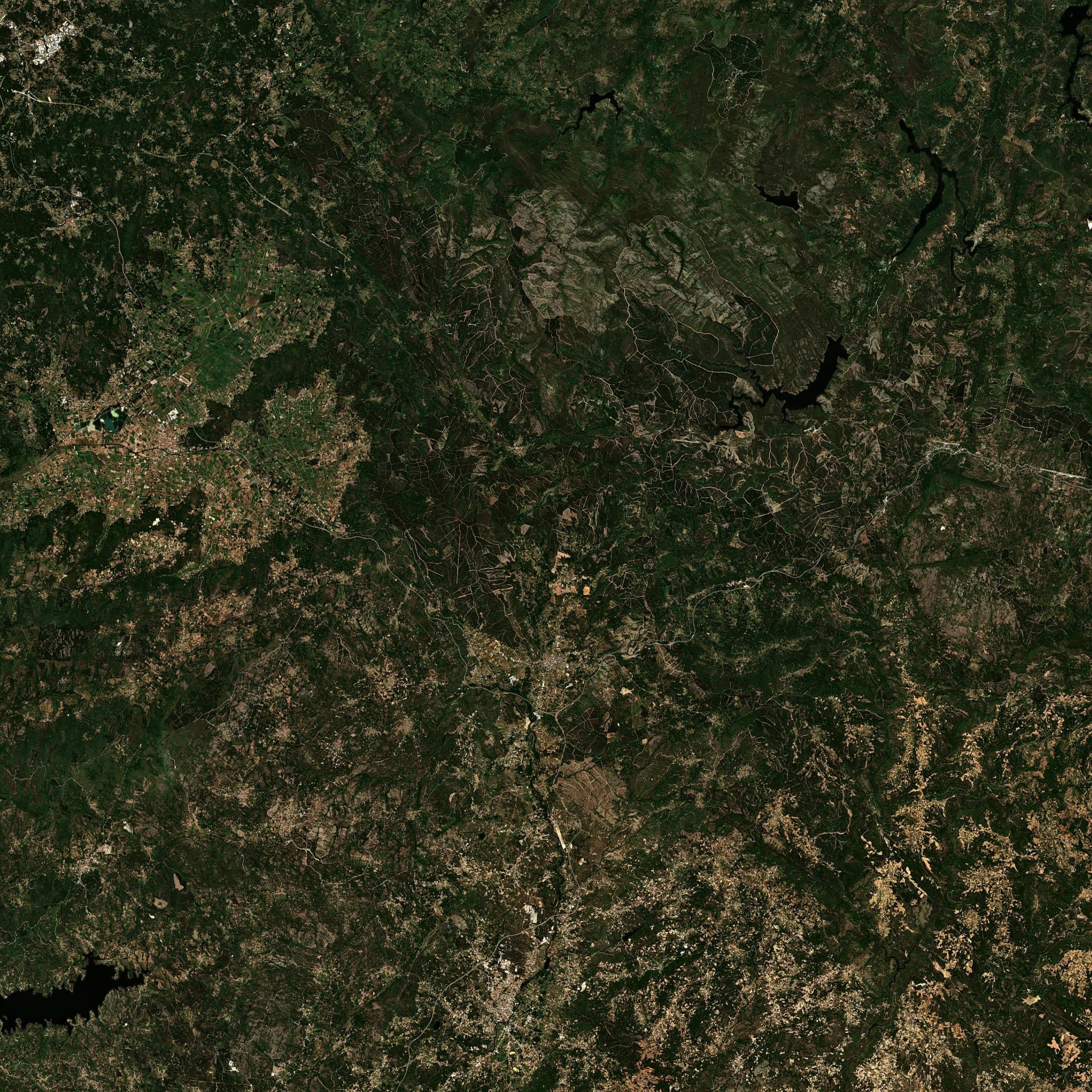
About Priorat
48–1130 m
Elevation range
Wine styles
12 Communes
Avg. slope 15.2°
Spain wine regions
Vintages
27 · 1998–2024
Outstanding Priorat Vintages
The best recent vintages rated excellent or exceptional.
Red
DOCa
Classification System
Spanish Quality Hierarchy
Spain's wine-quality pyramid, administered under the EU Protected Designation of Origin (DOP) framework. The two top legal tiers — DOCa and DOQ — have only been awarded to two regions in the country. Every wine DO in Spain sits somewhere on this ladder.
DOCa / DOQ
Denominación de Origen Calificada (Castilian) / Denominació d'Origen Qualificada (Catalan). Spain's highest wine classification — awarded only to Rioja (1991) and Priorat (2009)
DO
Denominación de Origen — the main quality tier. Most Spanish wine regions (Bierzo, Rueda, Ribera del Duero, Rías Baixas, etc.) are DOs
Vinos de Pago (VP)
Single-estate designation for exceptional individual vineyards, outside the regional DO system. Currently around 20 properties nationwide (Dominio de Valdepusa, Pago de Otazu, etc.)
VC / Vino de Calidad
Vino de Calidad con Indicación Geográfica — a stepping-stone tier below DO, used by emerging regions building a track record toward full DO status
VT / Vino de la Tierra
Protected Geographical Indication (IGP) — a broader regional tier. Equivalent to France's IGP / Italy's IGT
Vino (without GI)
Basic table wine without a geographic designation
Village & Vineyard Classification
Priorat (DOQ) uses a Burgundy-inspired pyramid introduced in 2009, recognising 12 villages (vilas) and, at the top, individually classified vineyards. One of the most ambitious origin-based classifications in Spain.
Vi de Gran Vinya Classificada
Top tier: individual vineyards of exceptional and consistent character (only a handful approved)
Vi de Vinya Classificada
Single-vineyard wines from formally classified plots
Vi de Paratge
Wines from a named paraje (lieu-dit), recognising smaller geographic units within a village
Vi de Vila
Village wines from one of 12 Priorat villages (Gratallops, Porrera, Scala Dei, Torroja, Bellmunt, Poboleda, and others)
DOQ Priorat
The broad regional designation covering the entire DOQ
Aging Classification
Priorat also uses Spain's standard aging tiers, though its concentrated old-vine wines often rest in bottle far longer than the minimums require.
Gran Reserva
Minimum 5 years aging (2 in oak)
Reserva
Minimum 3 years aging (1 in oak)
Crianza
Minimum 2 years aging (1 in oak)
What Priorat produces
Red
Garnacha and Cariñena from ancient llicorella slate soils, concentrated and mineral.
White
Priorat Blanc — an ambitious small category from Garnacha Blanca, Macabeo, and Pedro Ximénez on the same llicorella. Rich, age-worthy whites.
Regional appellations
Priorat Blanc
The region's small but ambitious white-wine category from Garnacha Blanca, Macabeo, and Pedro Ximénez on the same llicorella slate soils. Rich, textured whites with real aging potential.
Notable producers
Estates that shape how this region tastes.
Alvaro Palacios
L'Ermita, revived Priorat with old Garnacha
Clos Mogador
Rene Barbier, Priorat pioneer
Clos Erasmus
Cult micro-production Priorat
Mas Doix
Old-vine Garnacha and Carignan
Terroir al Limit
Burgundian approach to Priorat
Grapes of Priorat
Climate
Continental Mediterranean with extreme diurnal temperature variation - scorching hot days (up to 40°C) followed by dramatically cool nights, plus very low rainfall that stresses vines and concentrates flavors intensely.
Terroir
Dominated by 'llicorella' - a unique reddish slate and quartz soil that reflects heat, retains warmth, and forces vine roots deep into cracks for water. The slate-rich soils are poor in organic matter but rich in minerals, creating wines with distinctive smoky, mineral character and incredible concentration.
Typical Aromas
More in Spain
Frequently Asked Questions
What makes Priorat wine special?▼
What are the best Priorat vintages?▼
What grapes are grown in Priorat?▼
Is 2024 a good year for Priorat?▼
When should I drink Priorat 2024?▼
What food pairs well with Priorat wines?▼
How does Priorat compare to other major wine regions?▼
Map data: MAPA (Ministerio de Agricultura, Pesca y Alimentación)