
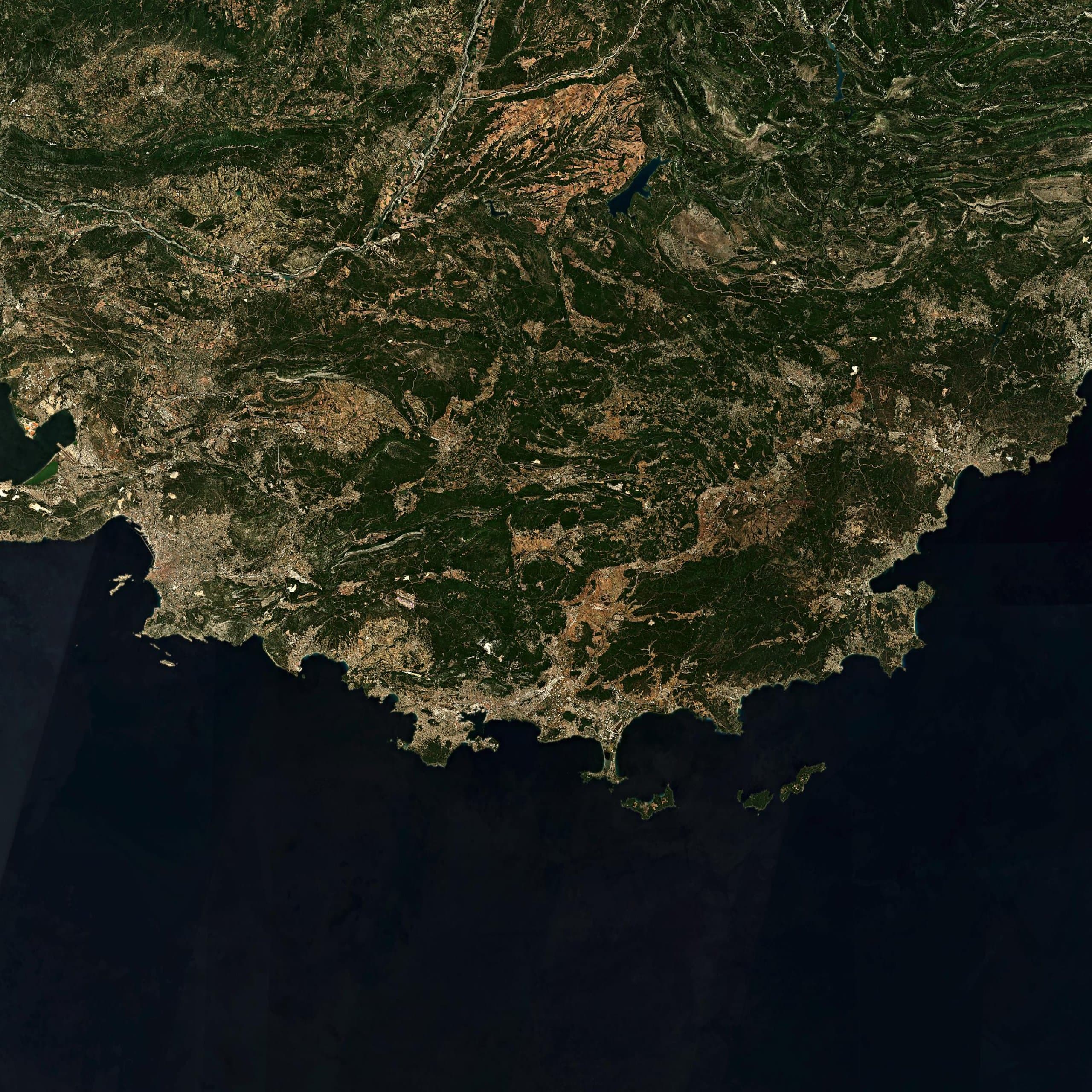
France
Provence
France wine regions
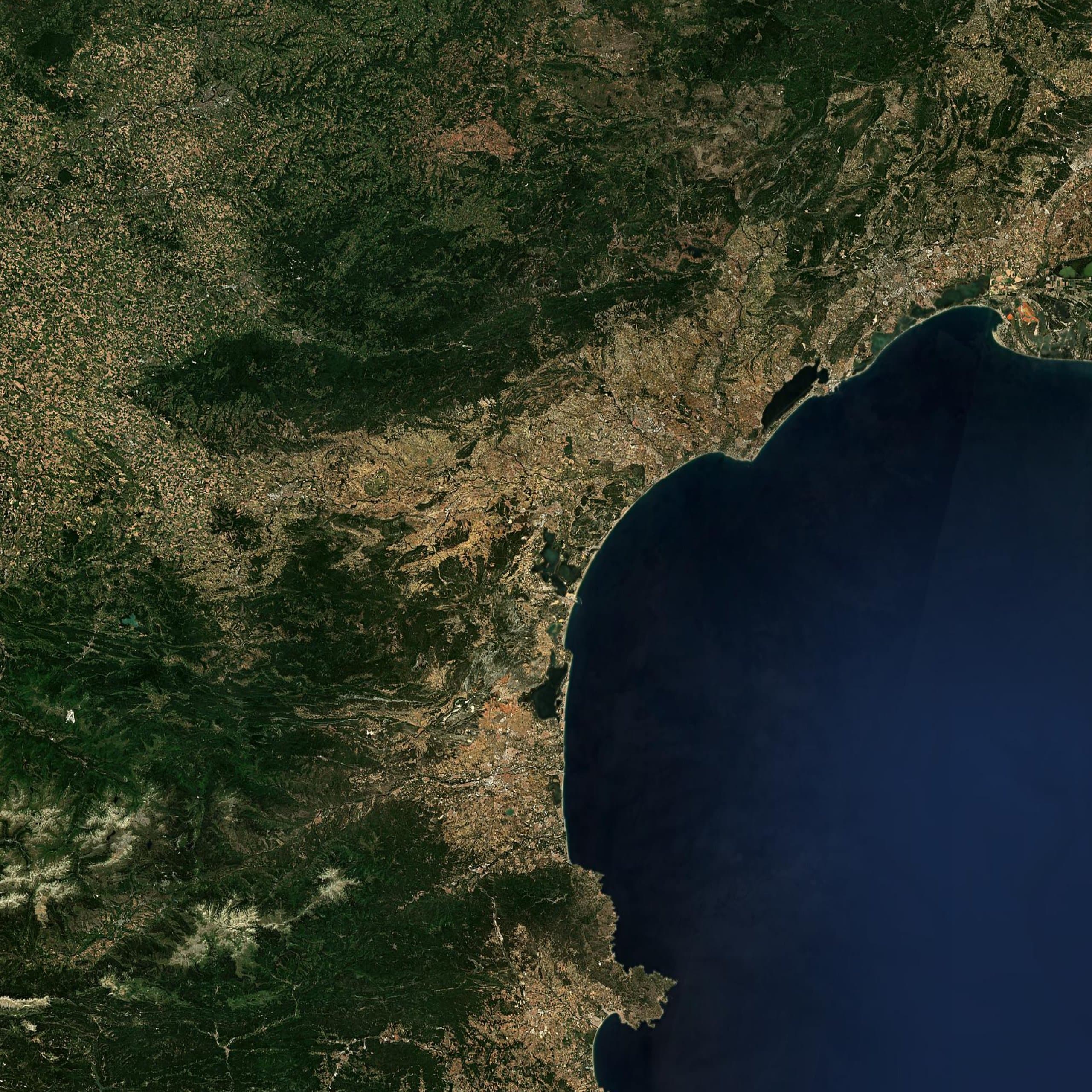
About Provence
0–434 m
Elevation range
Wine styles
3 Appellations
Avg. slope 1.6°
France wine regions
Appellations
Classification System
Provence organizes its wines into broad and specific appellations. Bandol stands out as the region's most prestigious red wine appellation.
Commune AOC
Bandol, Cassis, Bellet, Palette: small, prestigious appellations
Sub-regional AOC
Coteaux d'Aix-en-Provence, Coteaux Varois en Provence
Côtes de Provence
The dominant regional AOC, covering most of Provence
What Provence produces
Rosé
The world's rosé capital, pale and dry, from Grenache, Cinsault, and Mourvèdre.
Red
Bandol's structured Mourvèdre reds, Provence's serious side.
Grapes of Provence
Climate
Classic Mediterranean climate with hot, dry summers cooled by the mistral winds, mild winters, and over 300 days of sunshine yearly. The constant mistral wind helps prevent disease and concentrates flavors while maintaining crucial acidity.
Terroir
Incredibly diverse soils ranging from limestone and clay in inland areas to schist and sandy soils near the coast. Ancient crystalline rocks, red clay, and garrigue-covered hillsides create perfect drainage while the proximity to the Mediterranean moderates temperatures and adds mineral complexity.
Typical Aromas
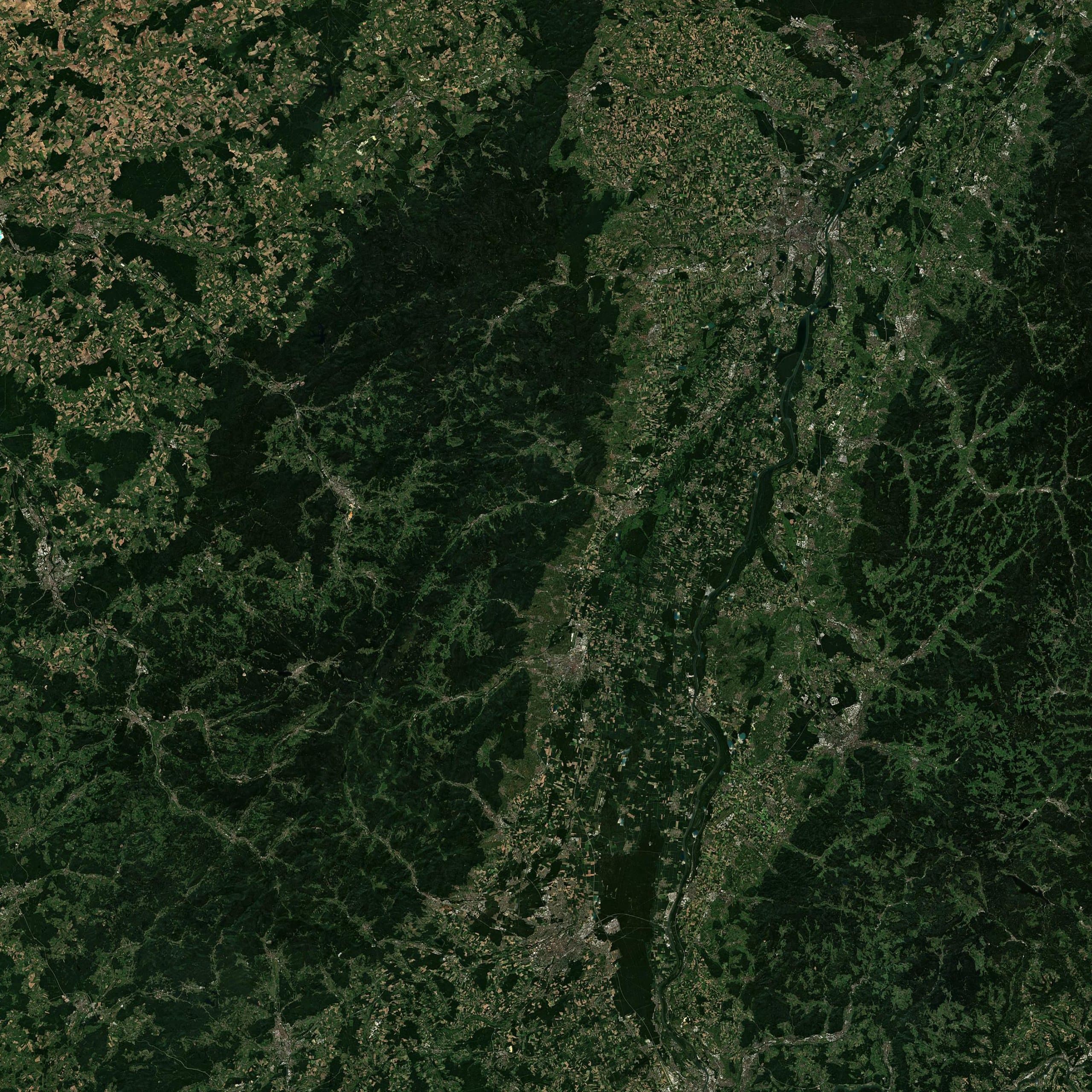
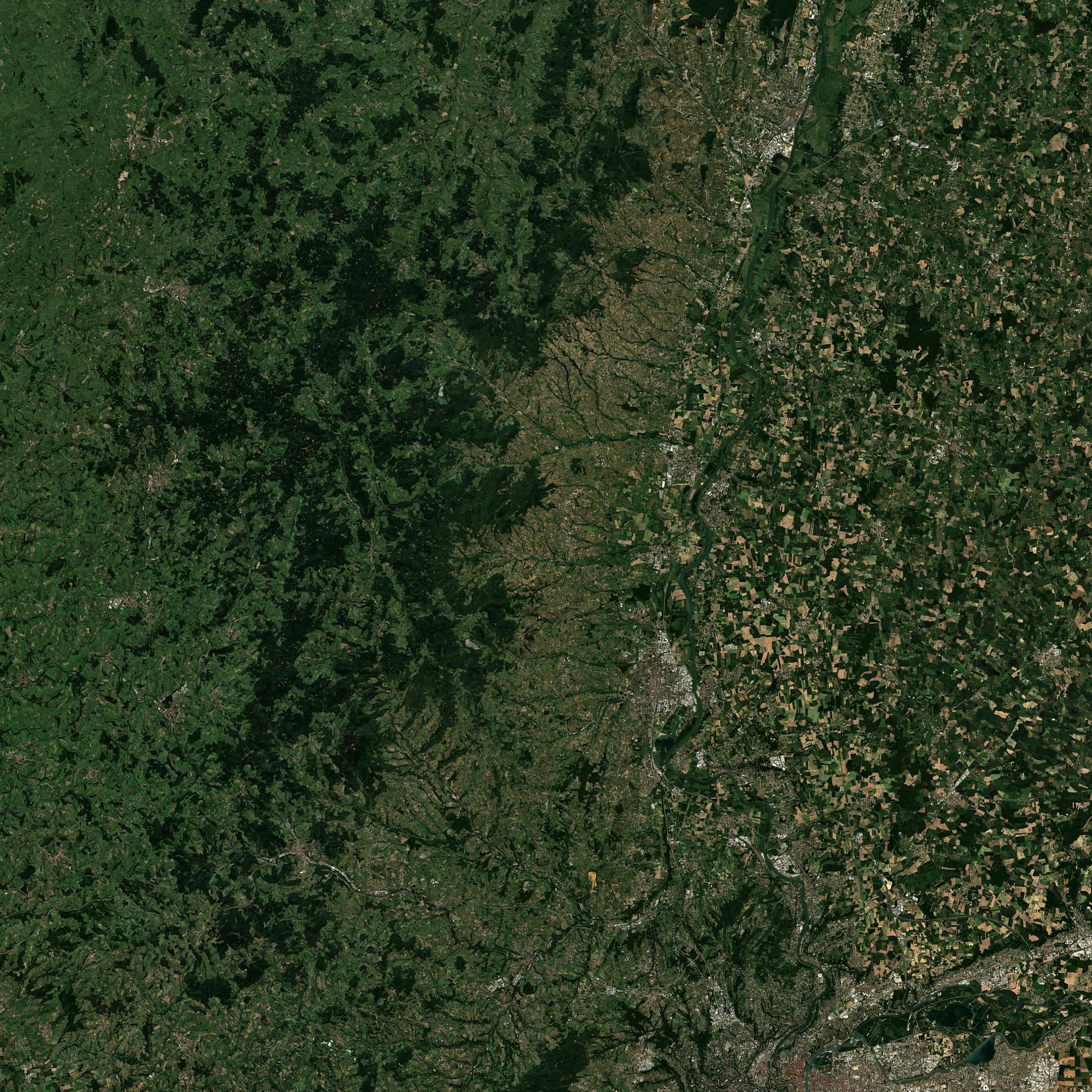
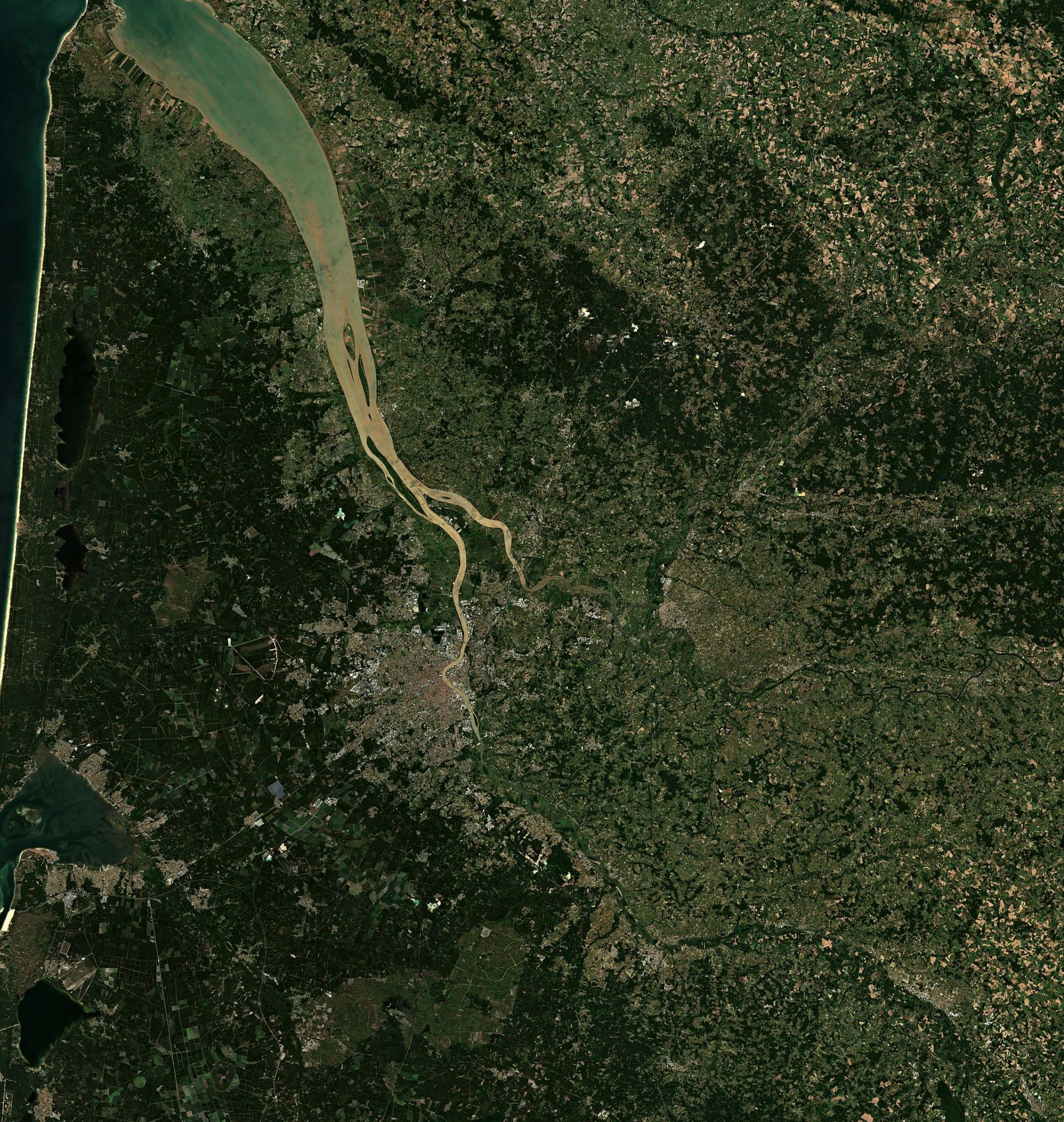
More in France
Frequently Asked Questions
What makes Provence wine special?▼
What are the best Provence vintages?▼
What grapes are grown in Provence?▼
What food pairs well with Provence wines?▼
How does Provence compare to other major wine regions?▼
Map data: INAO