
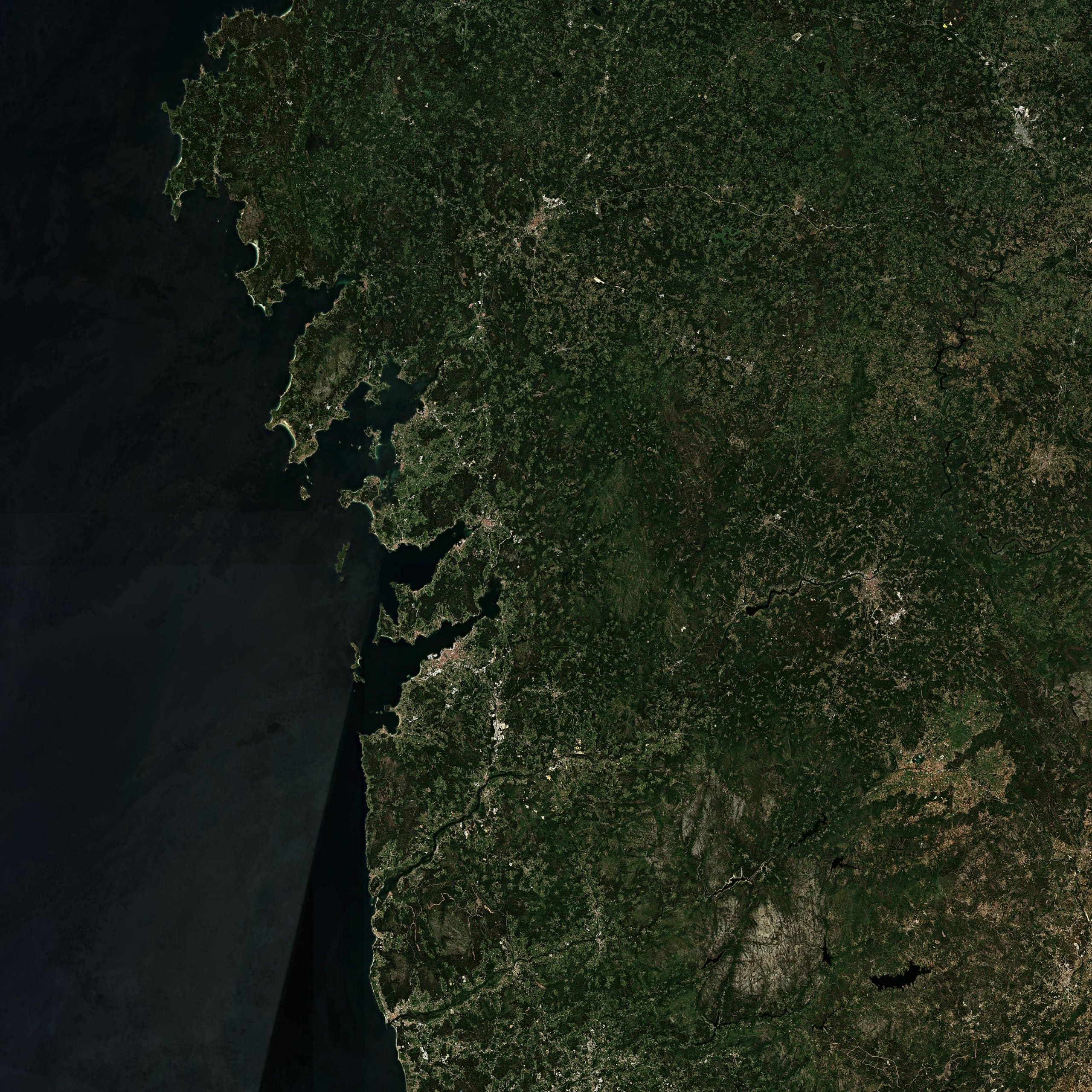
Spain
Rías Baixas
Spain wine regions
About Rías Baixas
-4–1045 m
Elevation range
Wine styles
11 DOs
Avg. slope 6.6°
13 Communes
Avg. slope 9.6°
9 Communes
Avg. slope 8.8°
Spain wine regions
Vintages
20 · 2005–2024
Outstanding Rías Baixas Vintages
The best recent vintages rated excellent or exceptional.
White
Denominación de Origen
Classification System
Spanish Quality Hierarchy
Spain's wine-quality pyramid, administered under the EU Protected Designation of Origin (DOP) framework. The two top legal tiers — DOCa and DOQ — have only been awarded to two regions in the country. Every wine DO in Spain sits somewhere on this ladder.
DOCa / DOQ
Denominación de Origen Calificada (Castilian) / Denominació d'Origen Qualificada (Catalan). Spain's highest wine classification — awarded only to Rioja (1991) and Priorat (2009)
DO
Denominación de Origen — the main quality tier. Most Spanish wine regions (Bierzo, Rueda, Ribera del Duero, Rías Baixas, etc.) are DOs
Vinos de Pago (VP)
Single-estate designation for exceptional individual vineyards, outside the regional DO system. Currently around 20 properties nationwide (Dominio de Valdepusa, Pago de Otazu, etc.)
VC / Vino de Calidad
Vino de Calidad con Indicación Geográfica — a stepping-stone tier below DO, used by emerging regions building a track record toward full DO status
VT / Vino de la Tierra
Protected Geographical Indication (IGP) — a broader regional tier. Equivalent to France's IGP / Italy's IGT
Vino (without GI)
Basic table wine without a geographic designation
Varietal Classification
Rías Baixas wines are labelled by grape composition, with Albariño dominant but other indigenous whites permitted. Barrica and Tinto mark quality sub-categories outside the mainstream fresh Albariño style.
Rías Baixas Albariño
100% Albariño — the region's flagship style
Rías Baixas Barrica
Oak-aged Albariño with minimum 3 months in cask — a premium age-worthy style
Rías Baixas (blend)
Blend of preferred white varieties (Albariño, Loureira, Treixadura, Godello, Caíño Blanco)
Rías Baixas Tinto
A small category from indigenous reds (Caíño, Sousón, Espadeiro, Loureiro Tinto)
What Rías Baixas produces
White
Albariño, Spain's most prized white grape, crisp, aromatic, and Atlantic-influenced.
Red
A small but growing category from indigenous varieties — Caíño, Sousón, Espadeiro, Loureiro Tinto. Light, aromatic reds from granite terraces.
Regional appellations
Rías Baixas Tinto
A small but growing red-wine category from indigenous varieties — Caíño, Sousón, Espadeiro, Loureiro Tinto. Light, aromatic reds from granite terraces, quietly attracting attention.
Rías Baixas Barrica
Oak-aged Albariño (minimum 3 months in cask). A serious, age-worthy style distinct from the region's typical fresh whites.
Notable producers
Estates that shape how this region tastes.
Pazo de Senorans
Benchmark aged Albarino
Martin Codax
Leading Albarino co-op, consistent quality
Do Ferreiro
Old-vine Albarino, complex and mineral
Zarate
Historic estate, precise Albarino
Grapes of Rías Baixas
Climate
Maritime Atlantic climate with mild temperatures, high humidity, and significant rainfall (up to 67 inches annually). Constant ocean breezes and morning fogs moderate temperatures, creating long, gentle growing seasons that preserve acidity while allowing full flavor development.
Terroir
Predominantly granite and slate soils with excellent drainage, often mixed with alluvial deposits near rivers. The sandy granite soils are rich in minerals, contributing to the wines' distinctive salinity and mineral complexity, while the ría estuaries create unique microclimates in each sub-zone.
Typical Aromas
More in Spain
Frequently Asked Questions
What makes Rías Baixas wine special?▼
What are the best Rías Baixas vintages?▼
What grapes are grown in Rías Baixas?▼
Is 2023 a good year for Rías Baixas?▼
When should I drink Rías Baixas 2023?▼
What food pairs well with Rías Baixas wines?▼
How does Rías Baixas compare to other major wine regions?▼
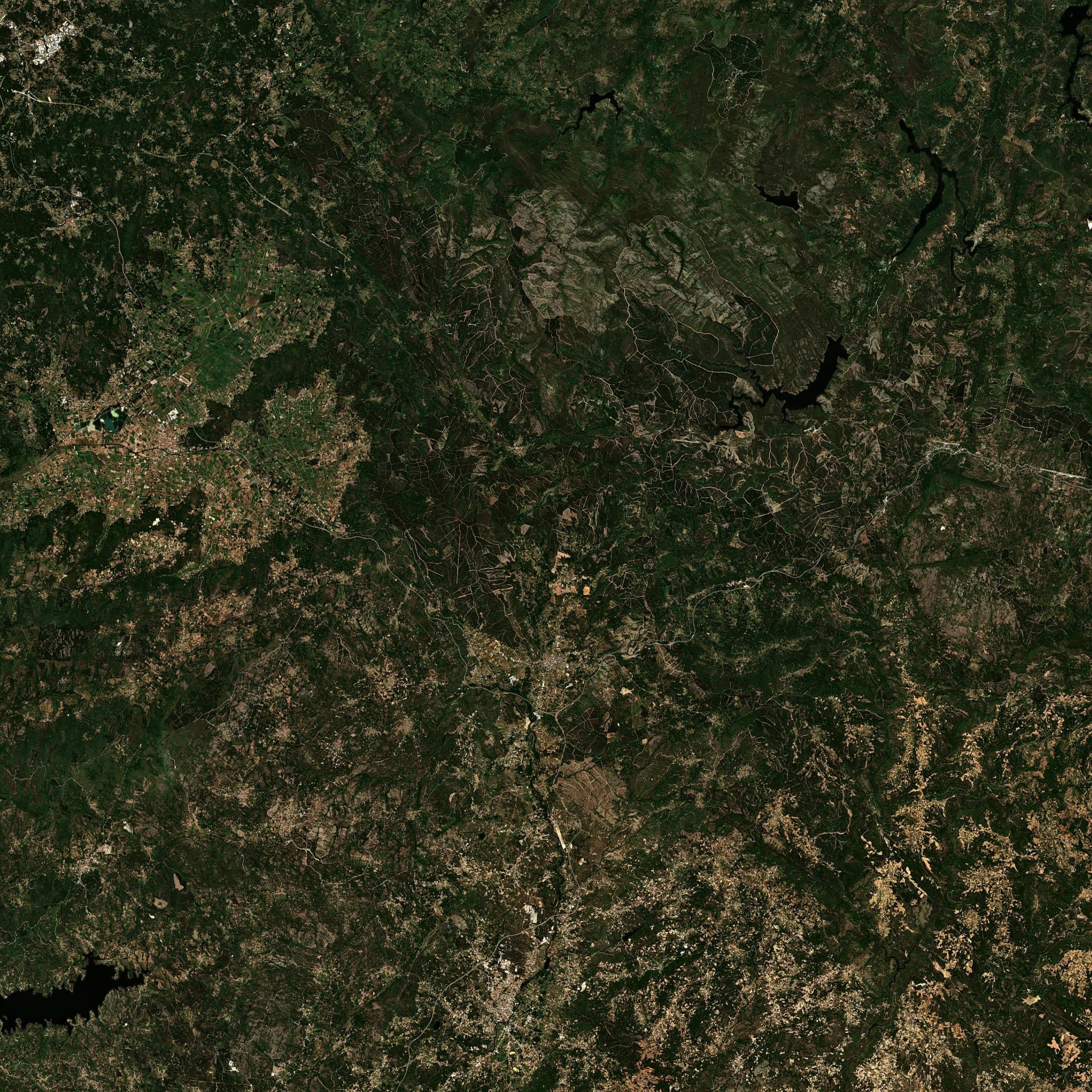
Map data: MAPA (Ministerio de Agricultura, Pesca y Alimentación)