CorkCork

Santa Cruz Mountains

United States

Santa Cruz MountainsSanta Cruz Mountains

United States wine regions

About Santa Cruz Mountains

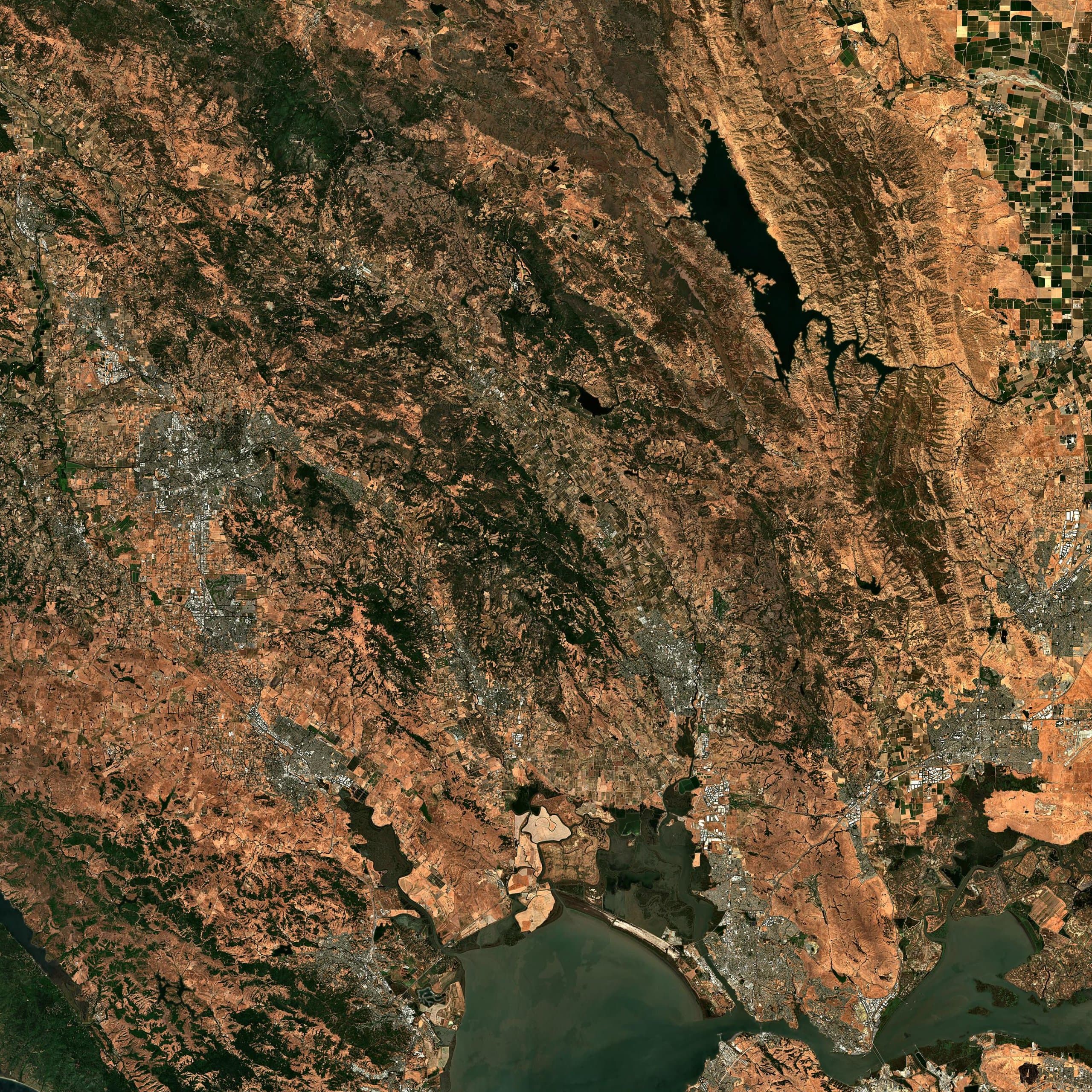
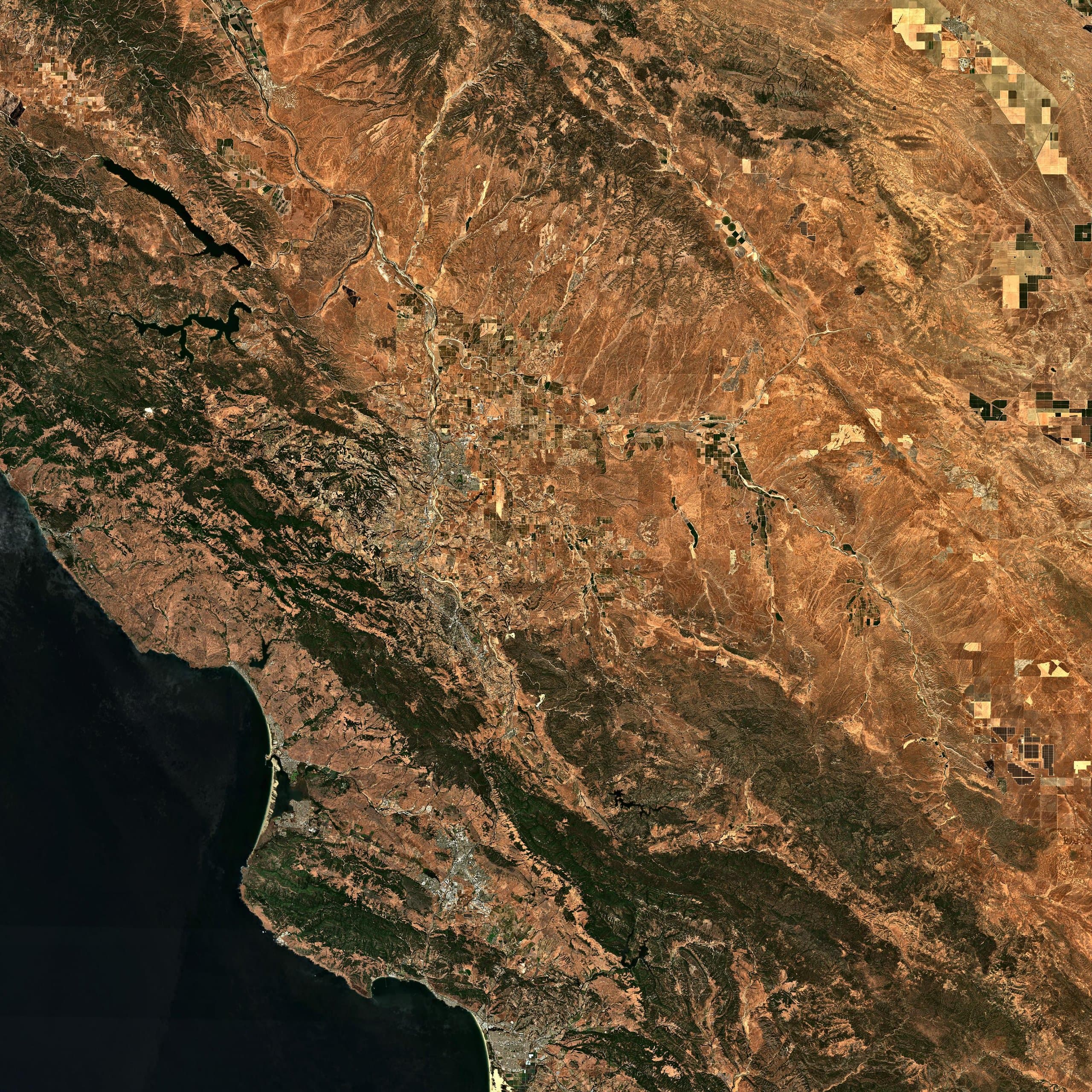
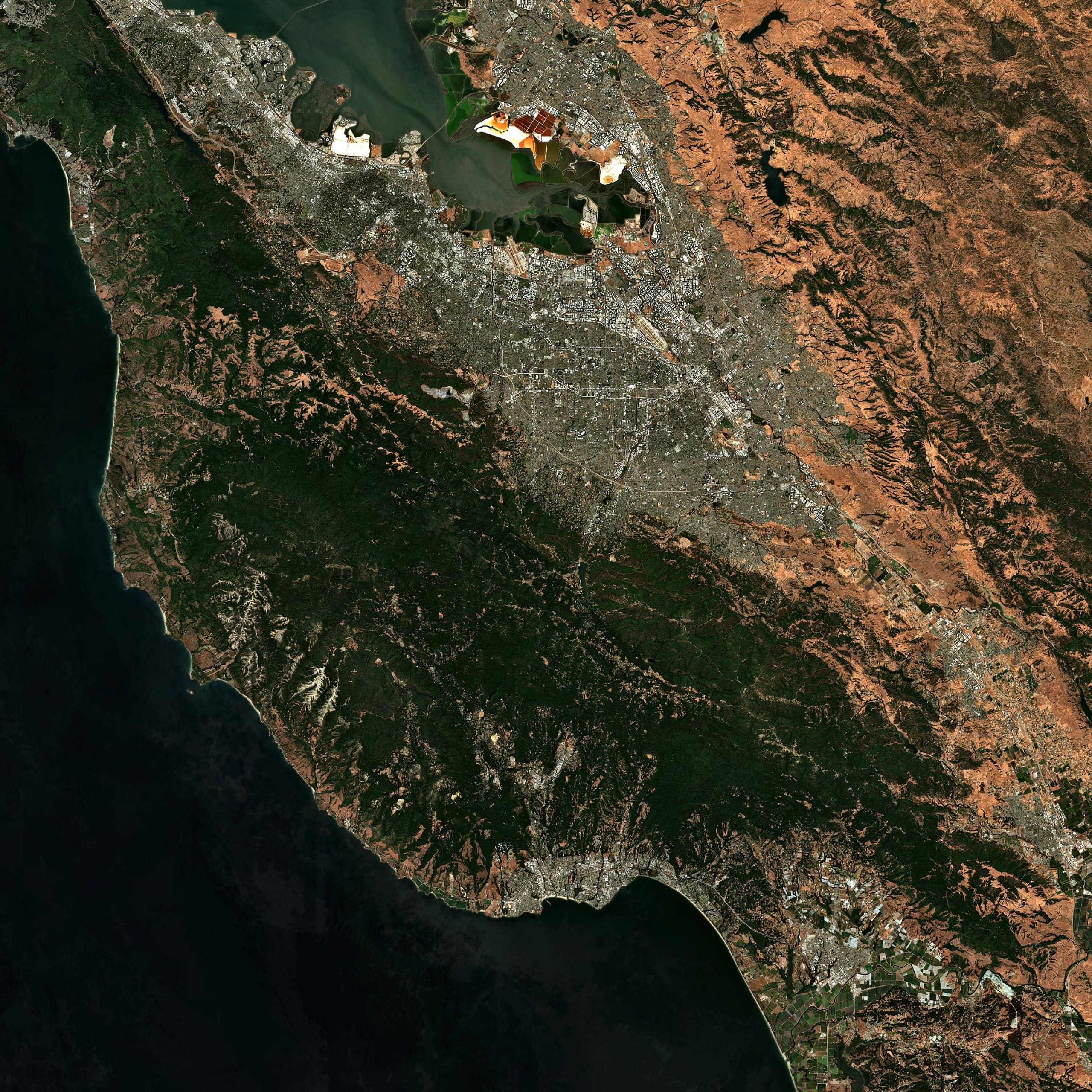
A rugged coastal range south of San Francisco, with over 200 small vineyards cultivating around 1,500 acres. Plantings are split roughly evenly among Pinot Noir, Cabernet Sauvignon, Chardonnay, and other varieties (notably Merlot and Zinfandel). Ben Lomond Mountain is the only formally recognized sub-AVA. This was one of California's earliest fine wine regions, with a winemaking heritage dating to the 1850s, and vineyards here actively support sustainable and organic practices.

120800 m

Elevation range

redwhite

Wine styles

1 AVA

Avg. slope 12°

Vintage Ratings

Rating:
5
4
3
2
1
PeakReadyHold
Year20242023202220212020201920182017201620152014
Red

Cork tracks drinking windows for every Santa Cruz Mountains vintage in your cellar. Sign up

Outstanding Santa Cruz Mountains Vintages

The best recent vintages rated excellent or exceptional.

Red

2024

Almost ready
Excellent

Early reports suggest excellent quality. Concentrated fruit from a small crop.

2027Peak 202920322034

2022

Ready
Excellent

Balanced and fresh. Early harvest delivered bright fruit with good acidity.

2025Peak 202720312033

2021

At peak
Excellent

Concentrated from drought. Small berries with intense flavor.

2024Peak 202620302032

2019

At peak
Excellent

Elegant and complex. Cool vintage produced Pinot Noir with Burgundian restraint and Cabernet with fine structure.

2022Peak 202420302032

2018

At peak
Excellent

Outstanding. Cabernet shows age-worthy structure with dark fruit and graphite.

2021Peak 202420302032

2016

At peak
Excellent

Classic Santa Cruz Mountains character. Red fruit, earth, and mineral notes.

2019Peak 202220292031

2014

At peak
Excellent

Excellent Pinot Noir, deep and site-expressive with ripe tannins and bright acidity. Cabernets are intense and tightly wound.

2018Peak 202020282030

AVAs

Loading map...

Terroir & Character

Climate

Cool maritime climate heavily influenced by the Pacific. Mountain vineyards above 400m sit above the fog line, receiving more sunshine than the valleys below while benefiting from cool ocean air. Rainfall is higher than most California wine regions.

Terroir

Diverse soils including weathered sandstone, shale, and limestone on steep mountain slopes. The thin, rocky soils stress vines and limit yields, producing wines with pronounced minerality and structure.

Typical Aromas

mountain herbsdusty earthwild blackberryeucalyptusforest floormineral slate
Explore the aroma wheel

Grapes of Santa Cruz Mountains