
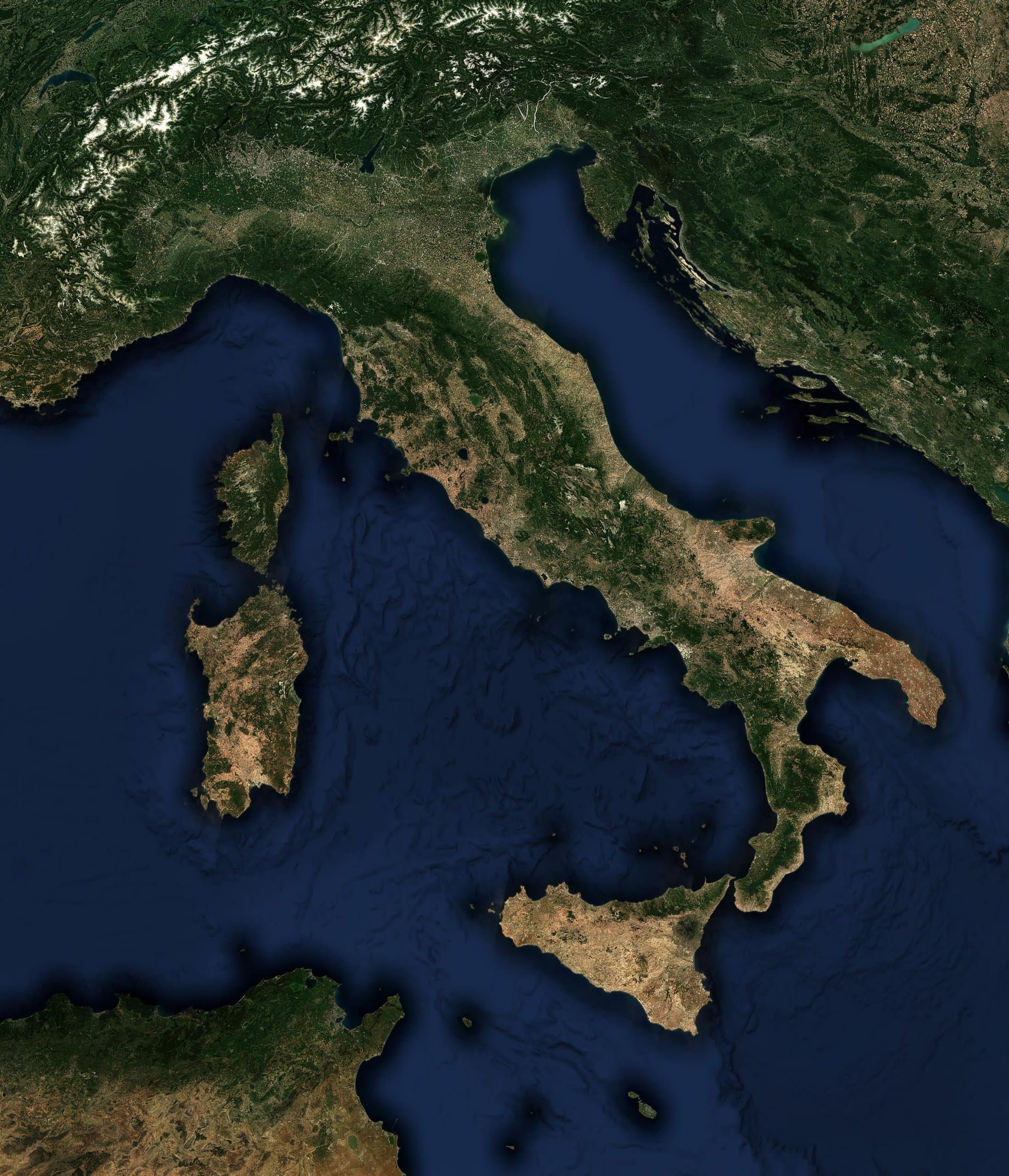
Country
Italy
Twenty regions, one shared table
More native grape varieties than any other country, wine made in all twenty regions, and a shared assumption that the bottle belongs at dinner.
20
Wine regions
500+
Native grapes
~480
DOC + DOCG
Sangiovese
Top grape
~50 M hL
Annual production
36–47° N
Latitude band
The country
Why Italy matters
Where France leads with grand crus, Italy leads with breadth. Nebbiolo in the Alps. Sangiovese in Tuscany. Aglianico in Campania. A long tail of locals like Carricante, Pelaverga, and Ribolla Gialla that exist nowhere else in serious form.
The modern Italian story is about precision returning to a country once dominated by volume. The Super Tuscans of the 1970s forced the rules to evolve, and the work has continued: Etna's volcanic reds, Friuli's orange wines, Alto Adige's mountain whites.
Most important: Italian wine is a country of villages, not a country of estates. The most-celebrated bottles still carry the name of a hill town first, a winemaker second.
What grows here
The signature grapes
The varieties that define Italy. Tap any card to drill into the grape's profile.
The land
Terroir at a glance
Italy is mostly mountain or hill — the Alps in the north, the Apennines down the spine, volcanoes at the southern tip. Slope is the rule, altitude is the lever, and the same grape can taste like a different wine 200 km north or south.
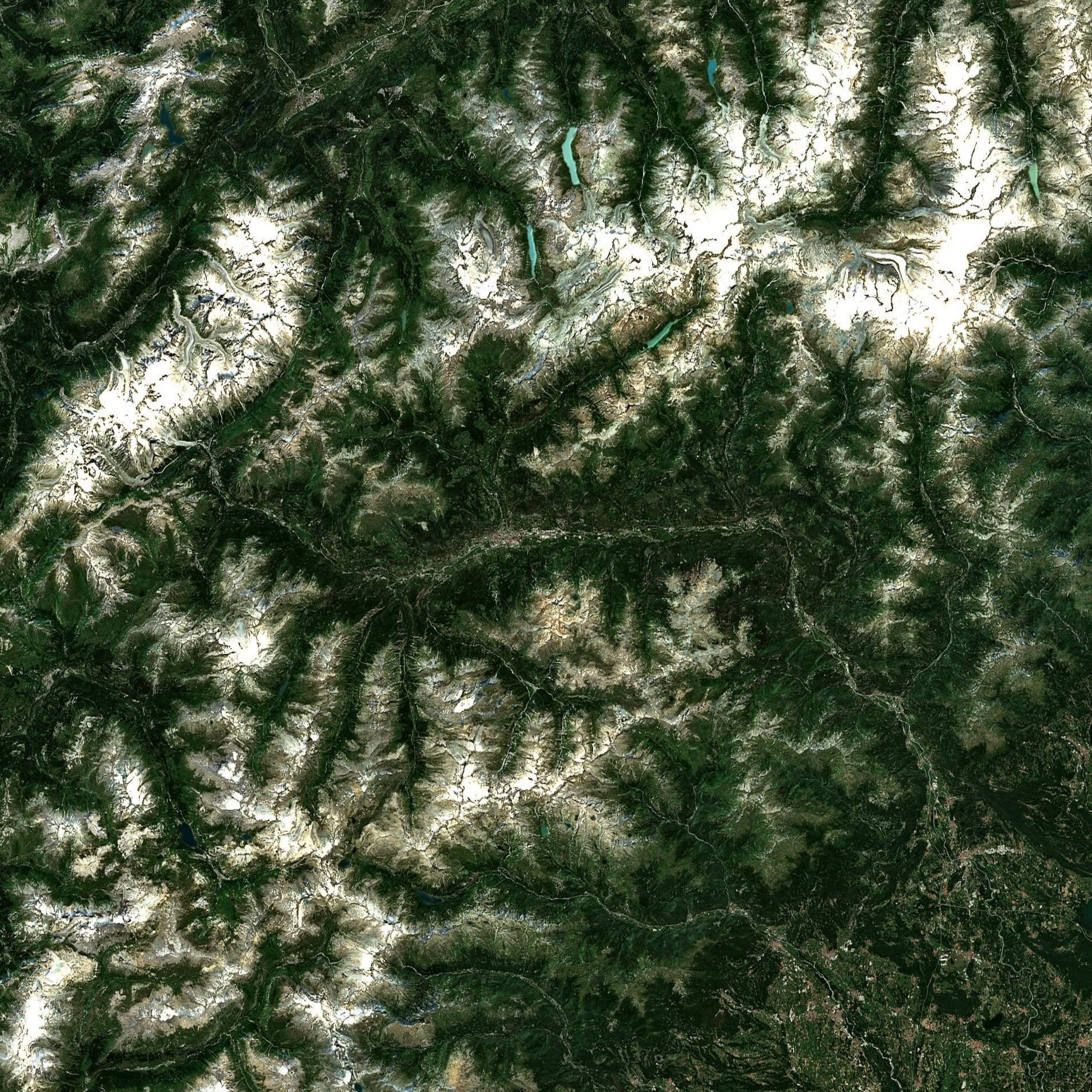
The Alpine north
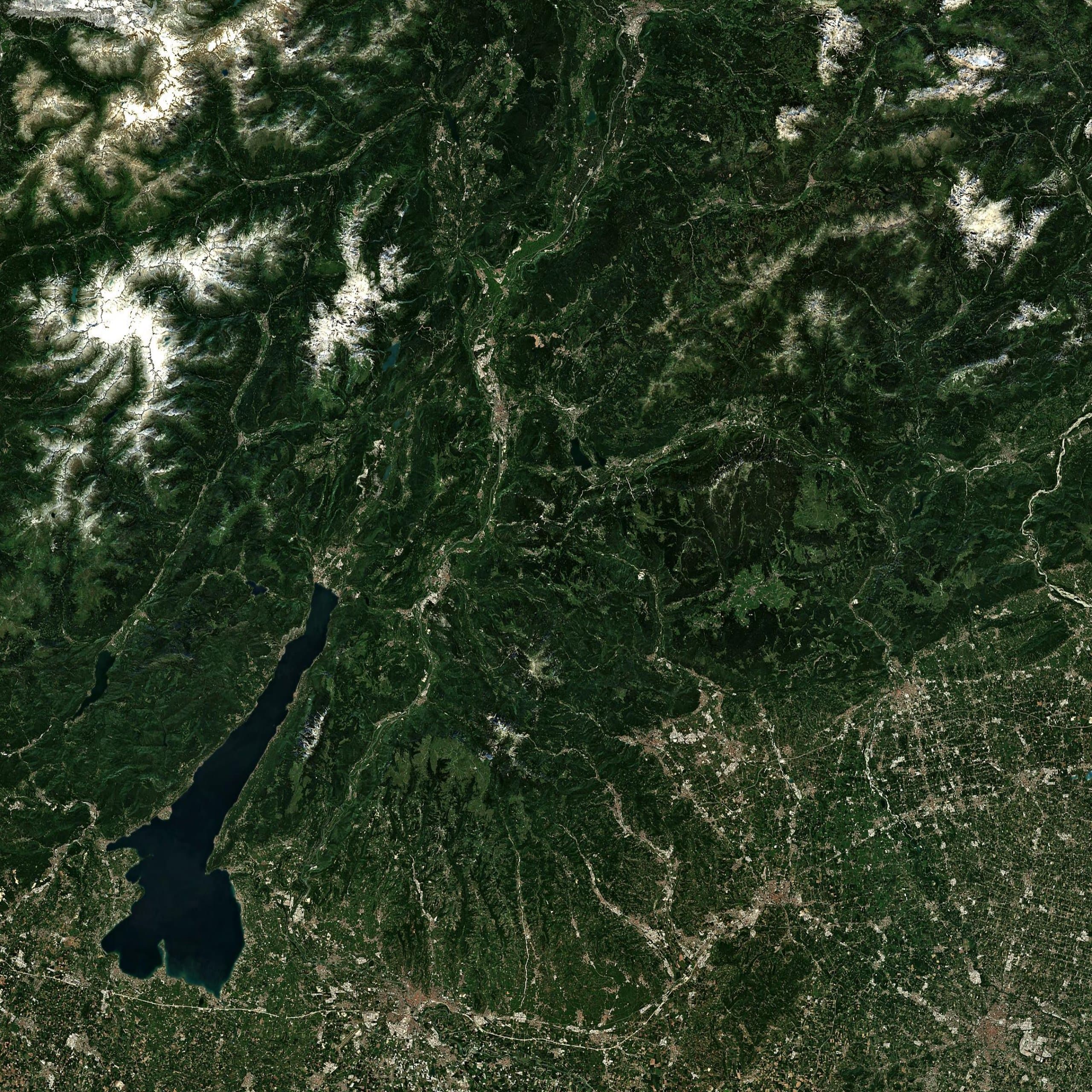
Trentino, Alto Adige, Friuli, parts of Lombardy and Piedmont. Vines on terraced slopes up to 1,000 metres, short summers, long autumns. Precise mineral whites and high-toned reds.
Piedmont's foothills
The Langhe and Roero sit at 250–450 metres, sheltered by the Alps and warmed by the Mediterranean. Tortonian marl on one side, Helvetian sandstone on the other. Nebbiolo's home.
The central hills
Tuscany, Umbria, Marche. Clay, limestone, and the schist-like galestro that gives Sangiovese its tannic spine. Long, warm autumns are why Brunello can taste austere young and turn velvet at twenty.
The south and the islands
Hot, dry, and full of old bush vines that have never been irrigated. Volcanic soils on Etna, Vesuvius, and the basalt under Soave produce some of Italy's most distinctive bottles.
On the map
The regions worth visiting
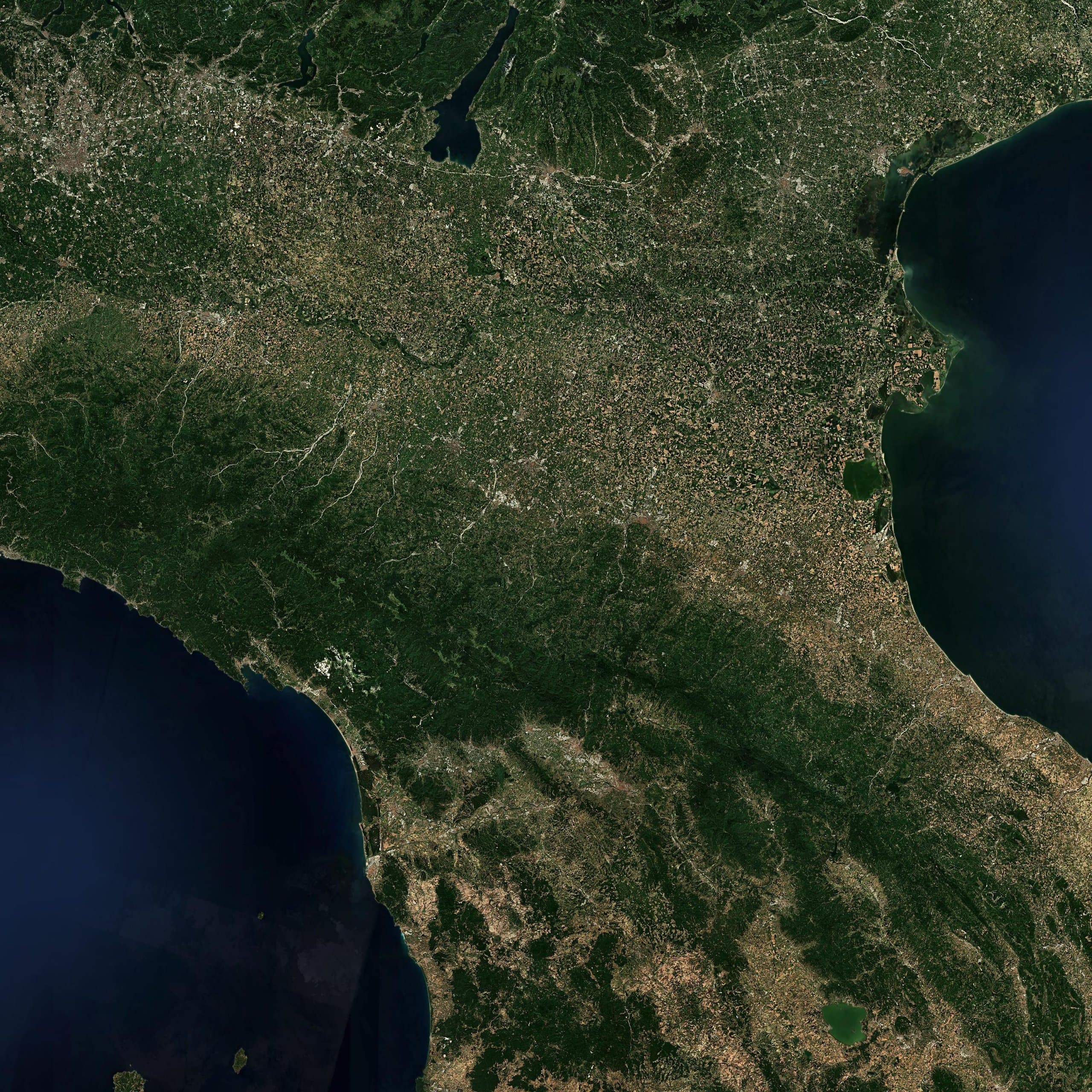
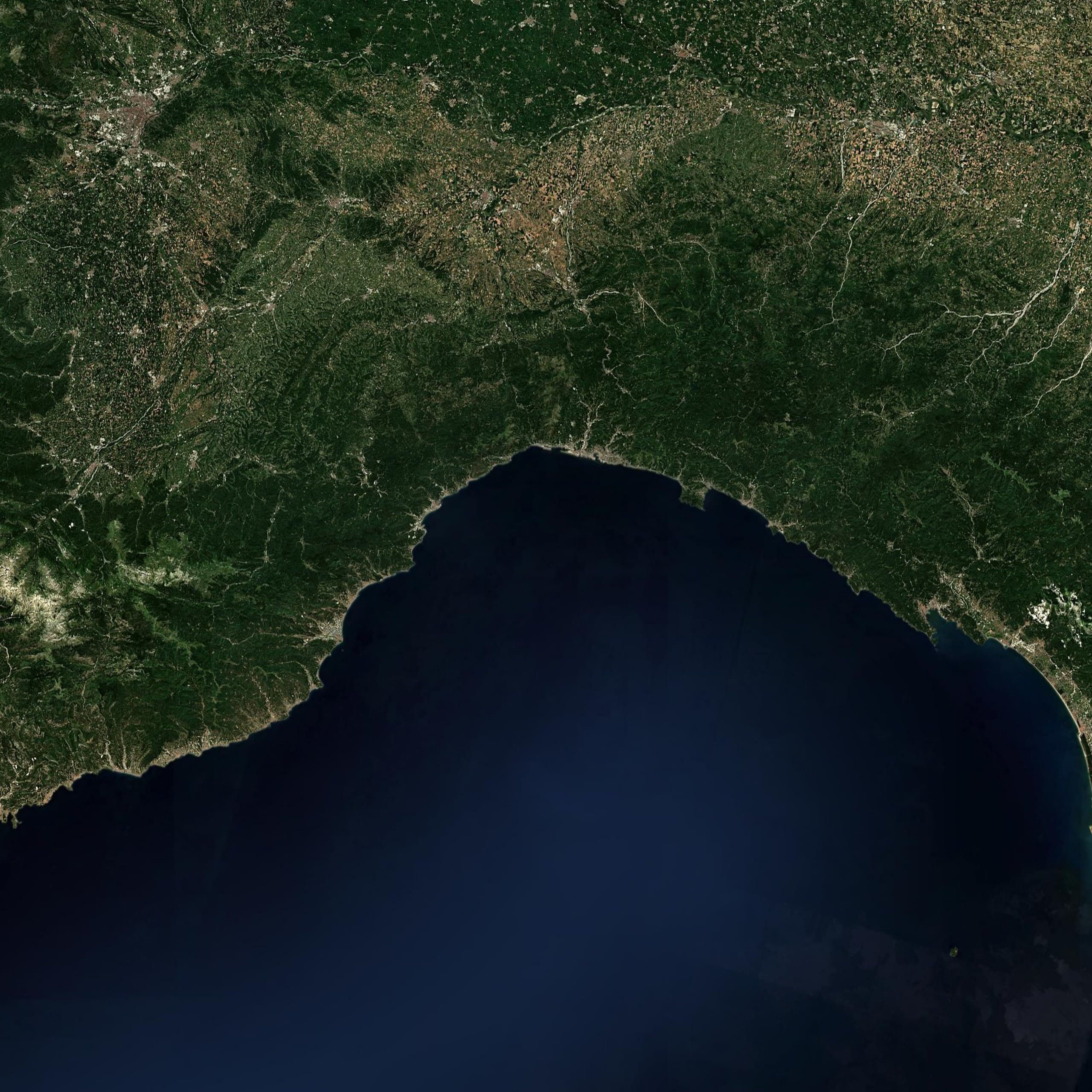
Only regions with mapped vineyards and full guides are shown. Each tile leads to its appellations and vintages.
Italy wine regions. Select a region to learn more.
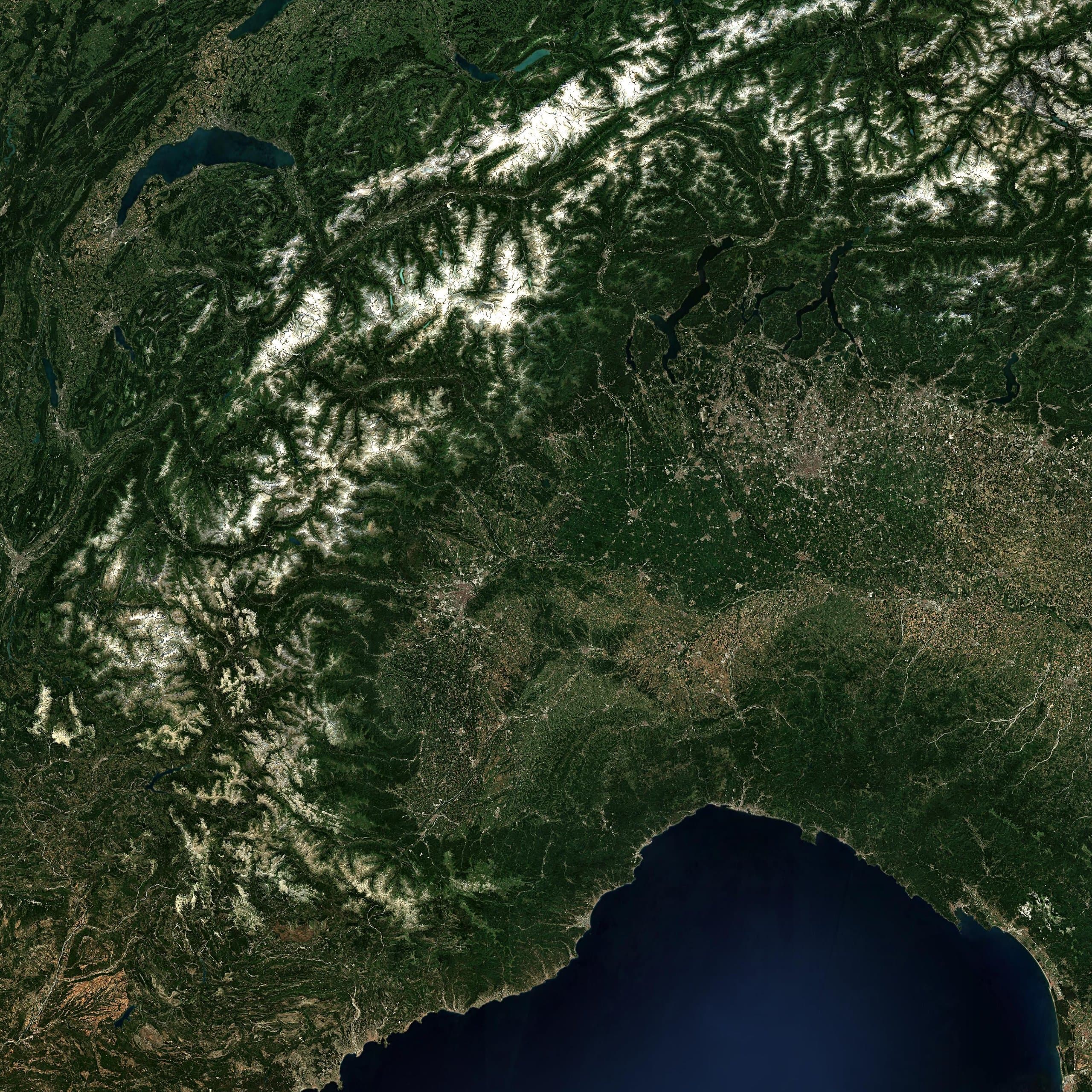
Piedmont and the northwest
Nebbiolo country. Long winters, foggy autumns, and some of Italy's longest-lived reds.
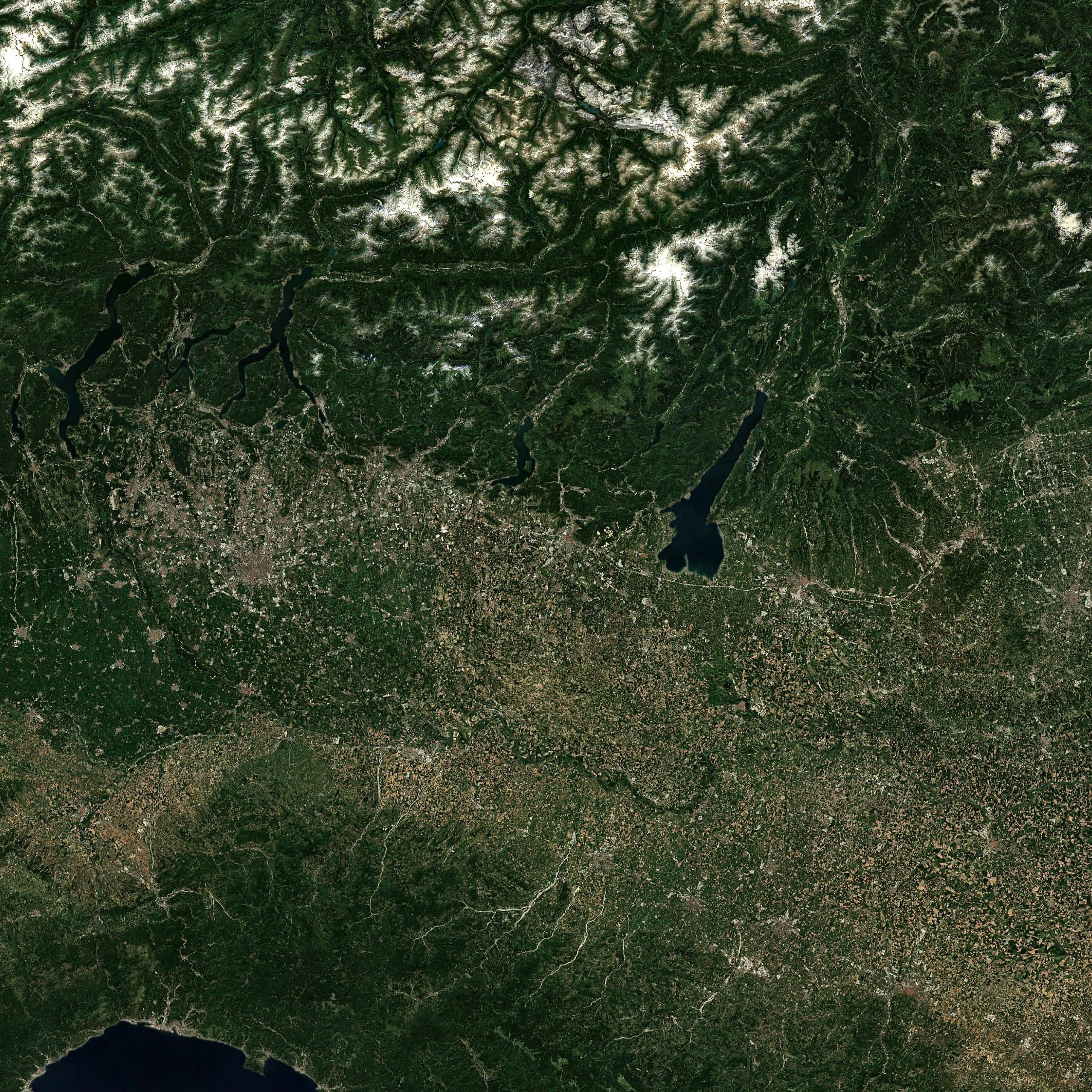
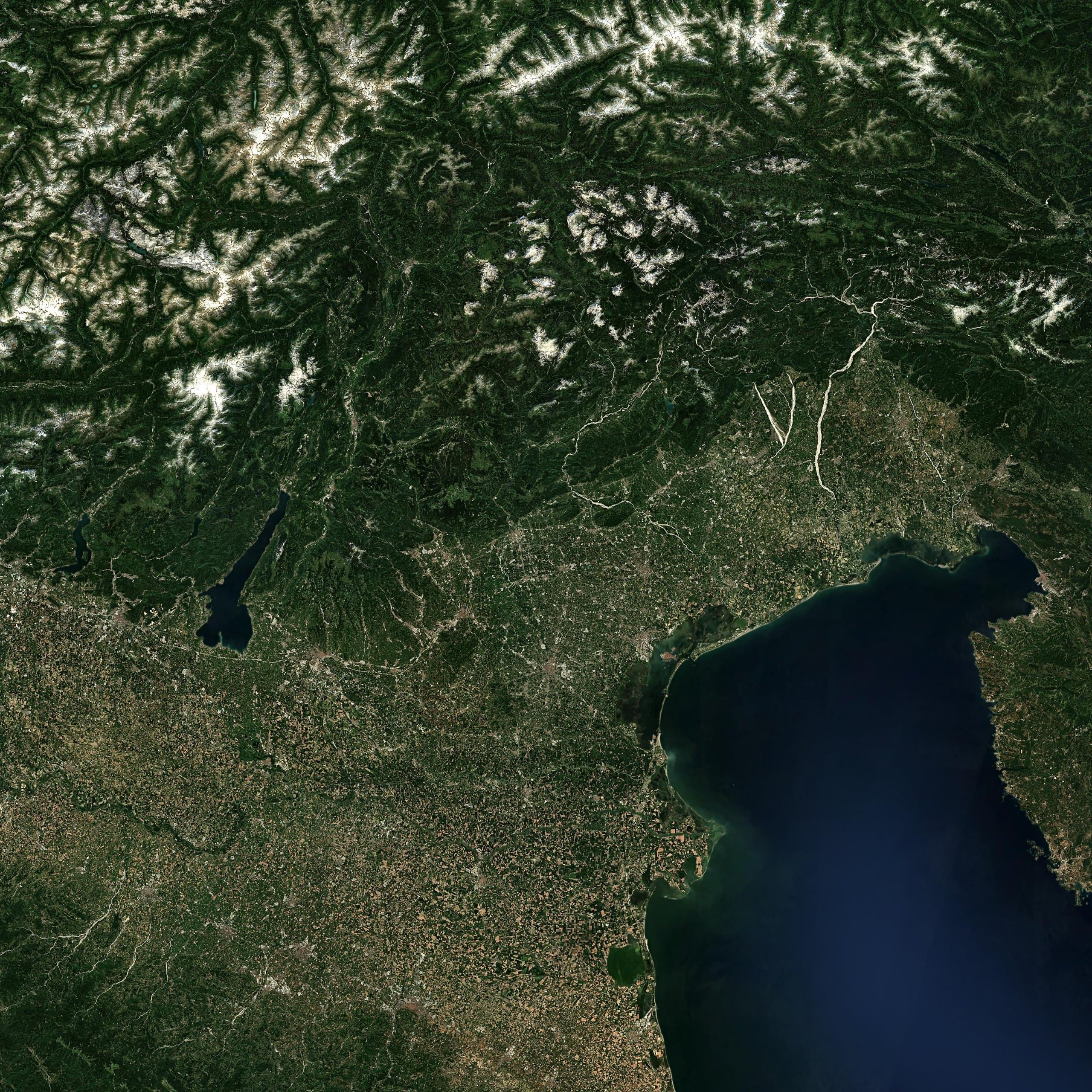
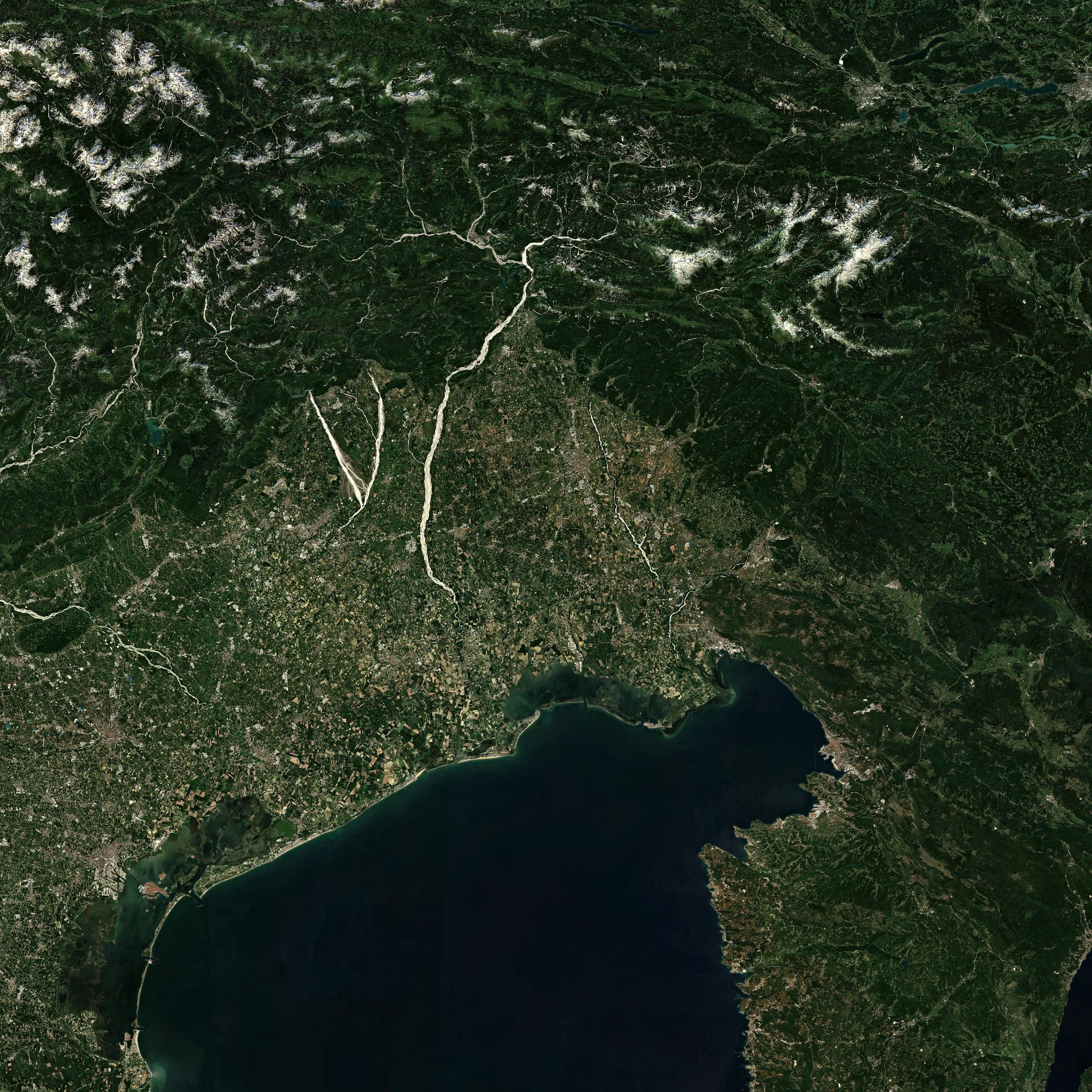
The Veneto corridor
Prosecco, Soave, Valpolicella, and the cool-climate whites of Friuli and the Dolomites.
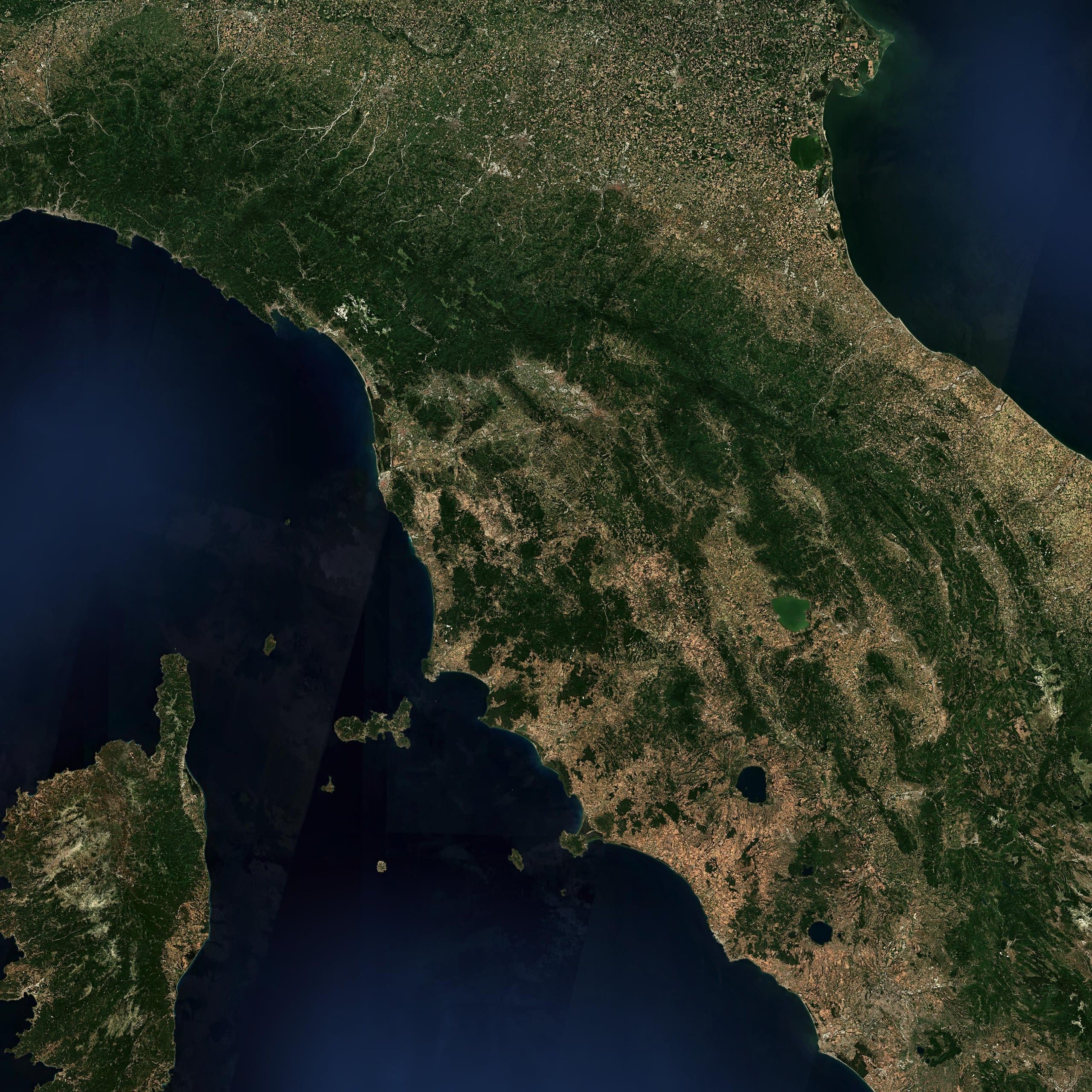
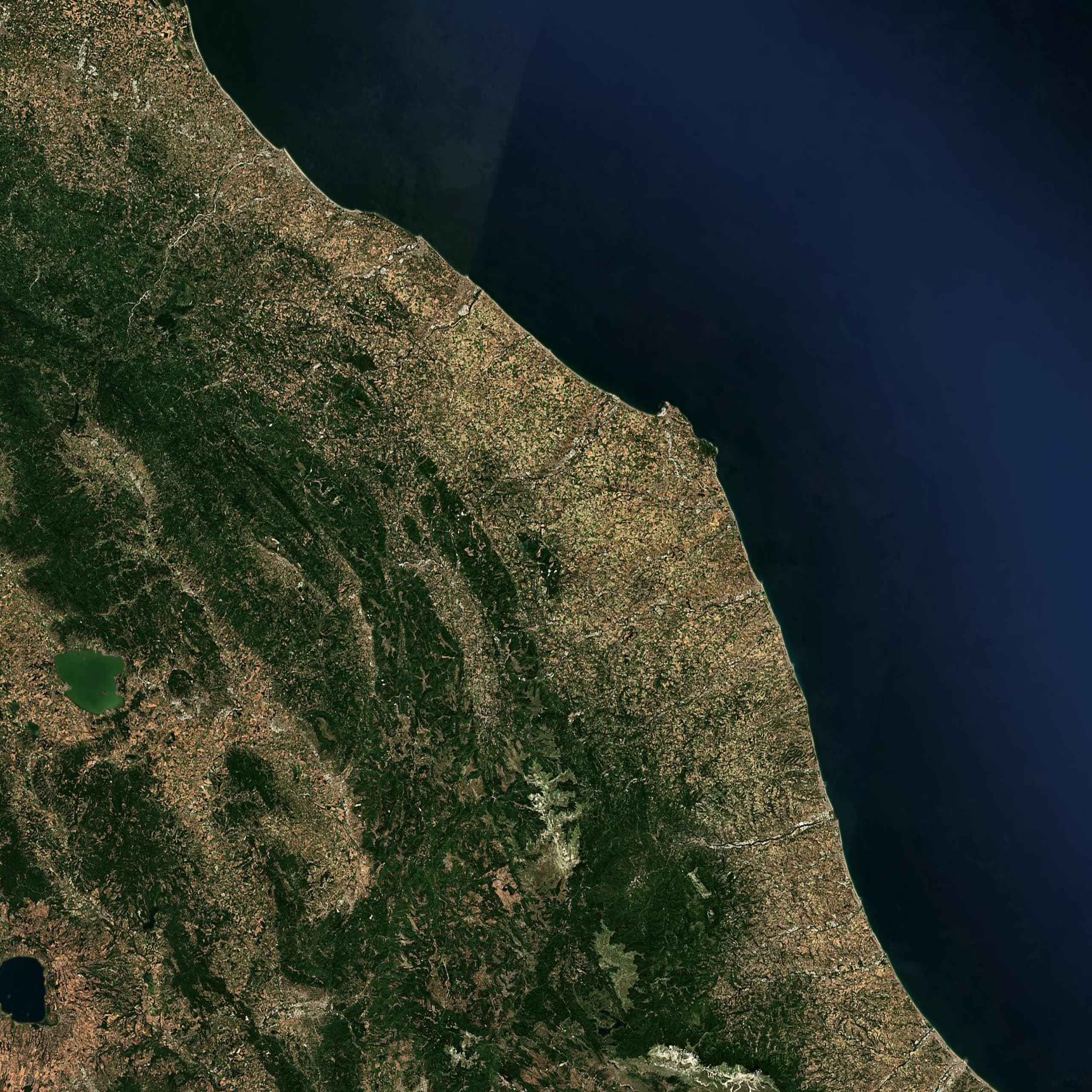
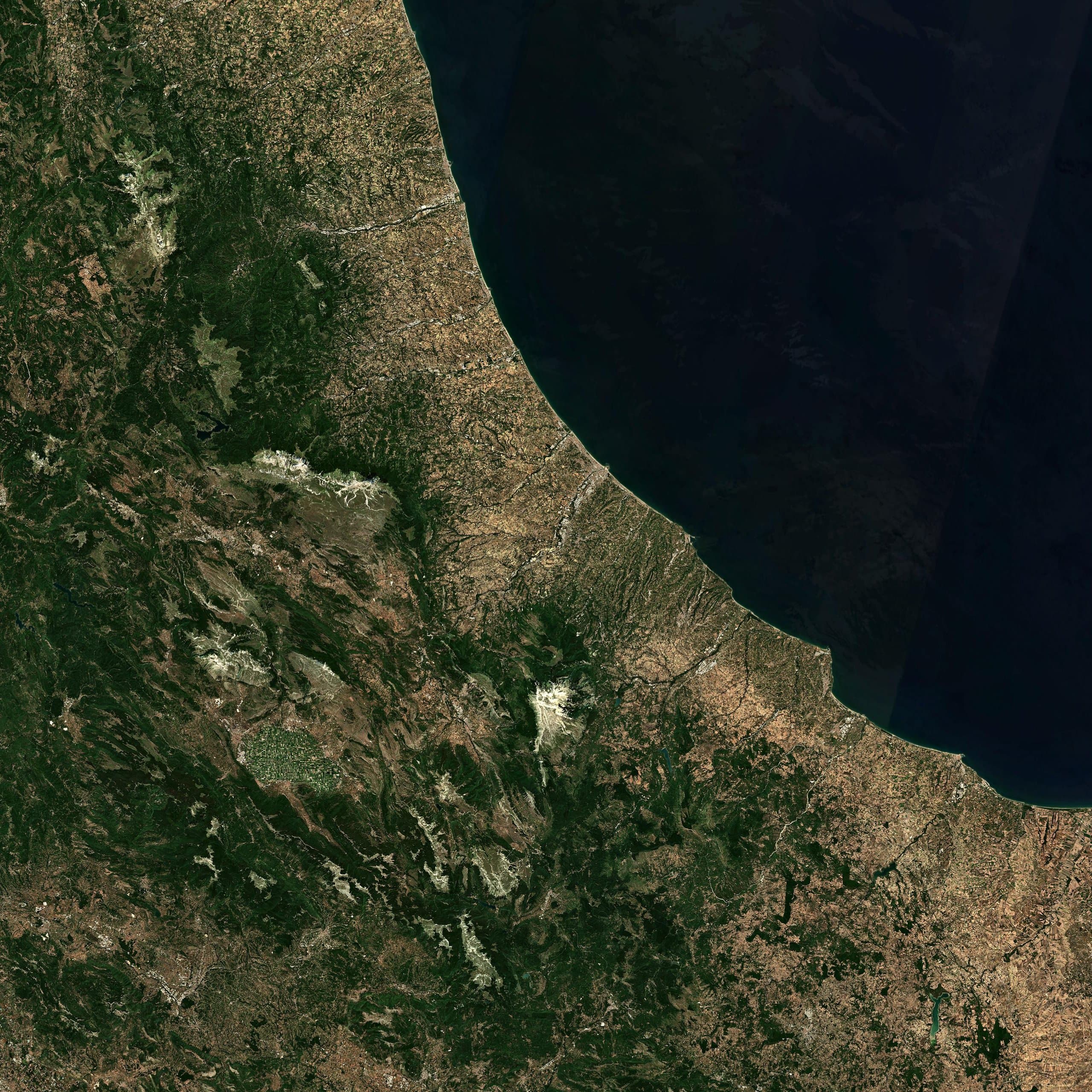
Central Italy
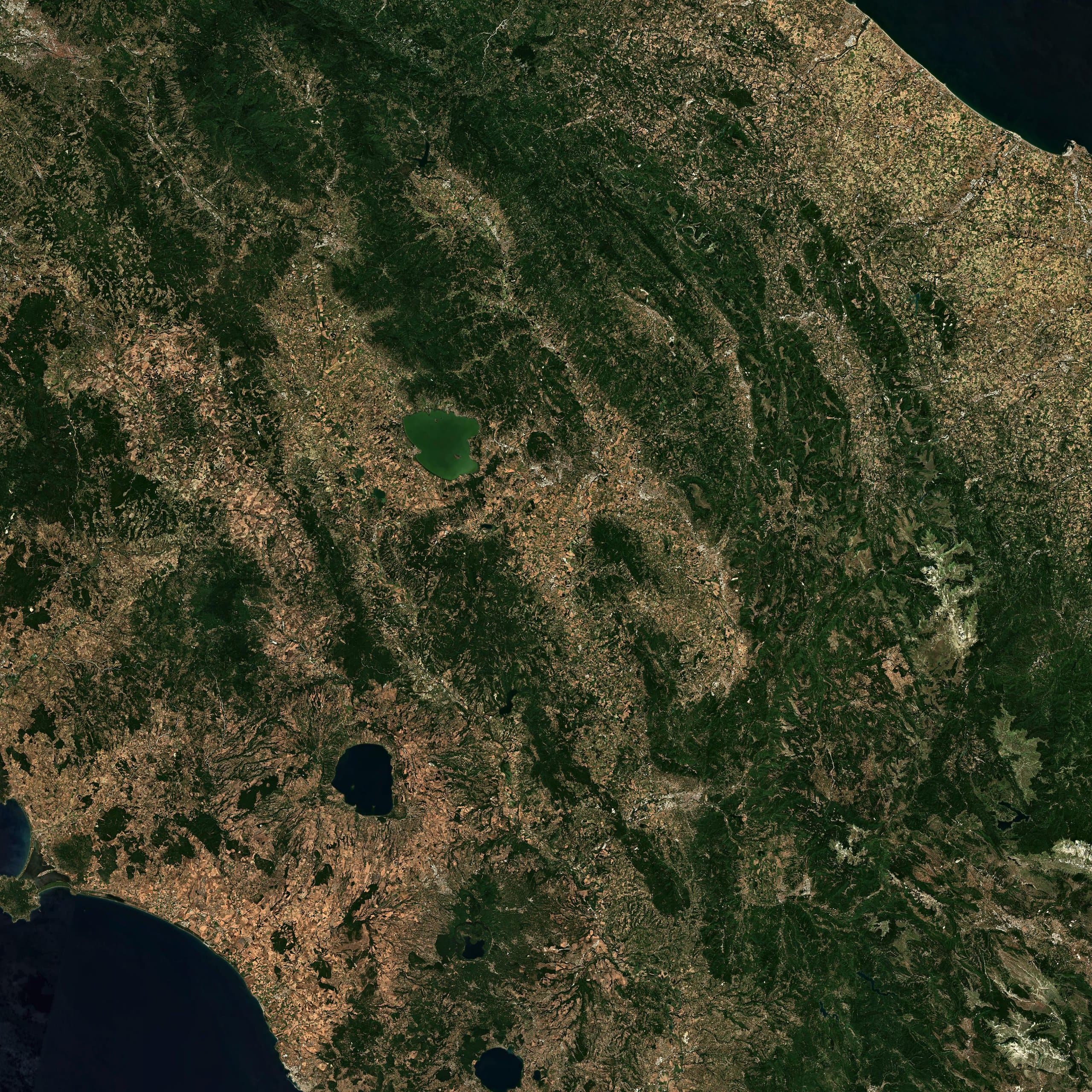
Sangiovese hill country, plus a parallel story of indigenous whites and the rediscovered reds of Abruzzo.
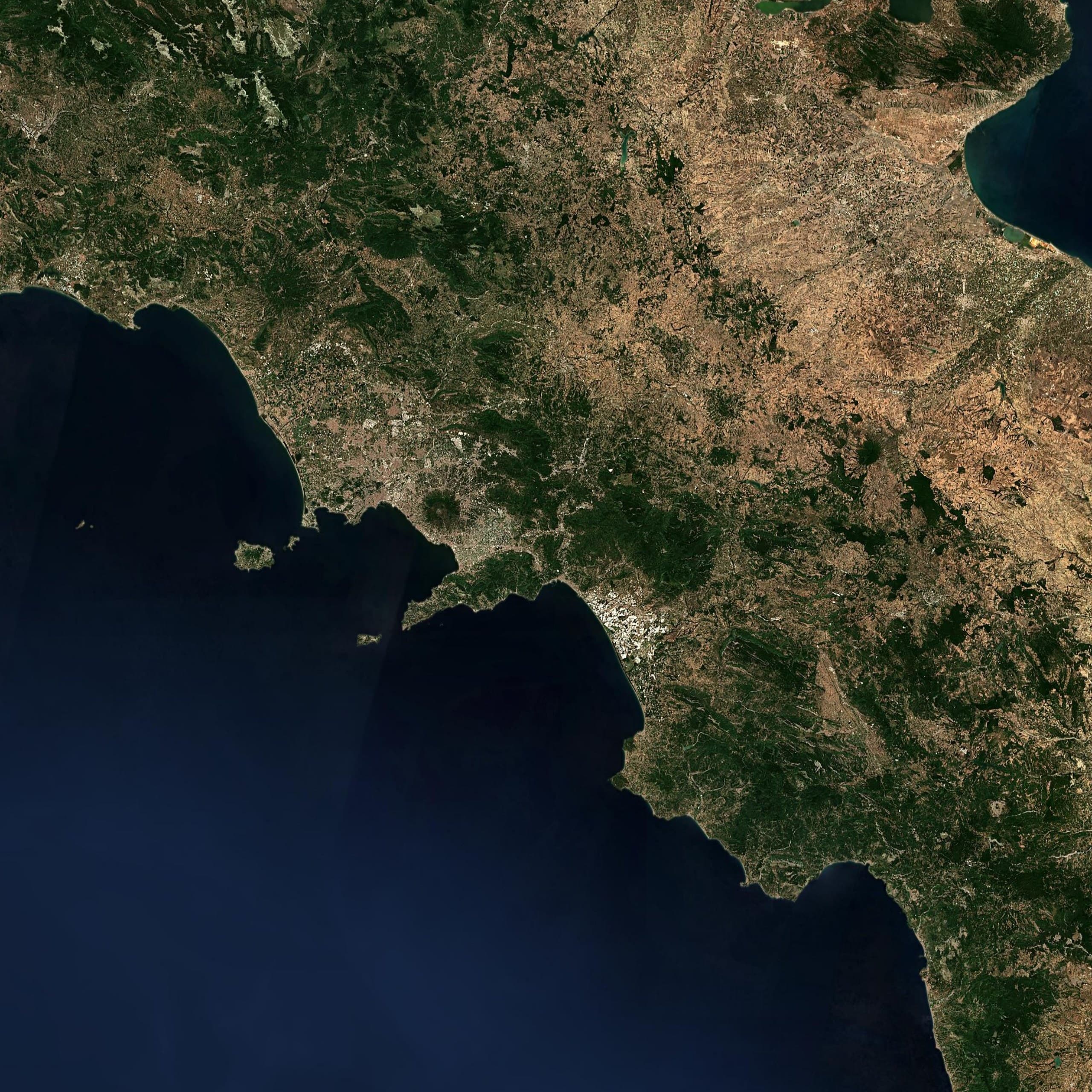
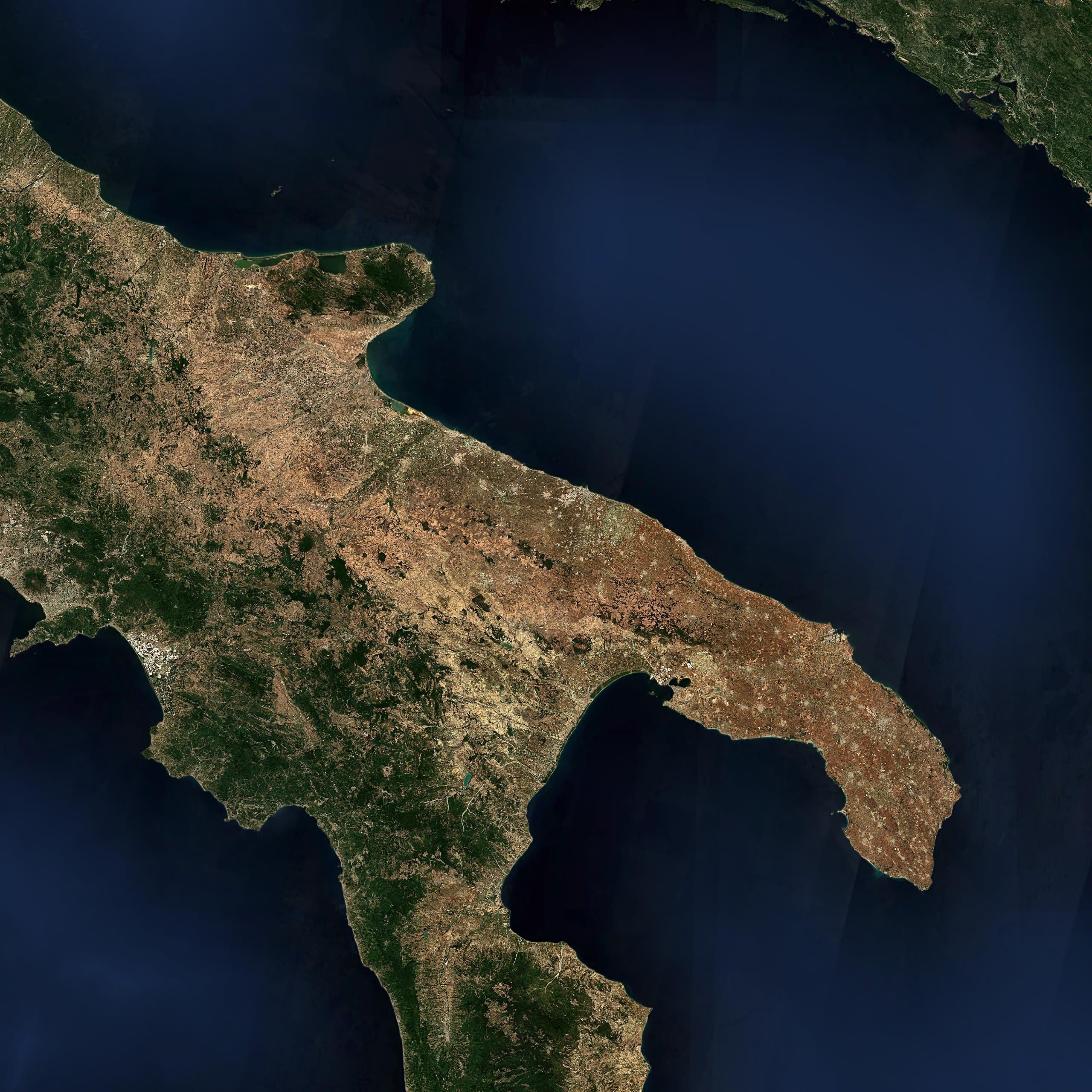
The south and the islands
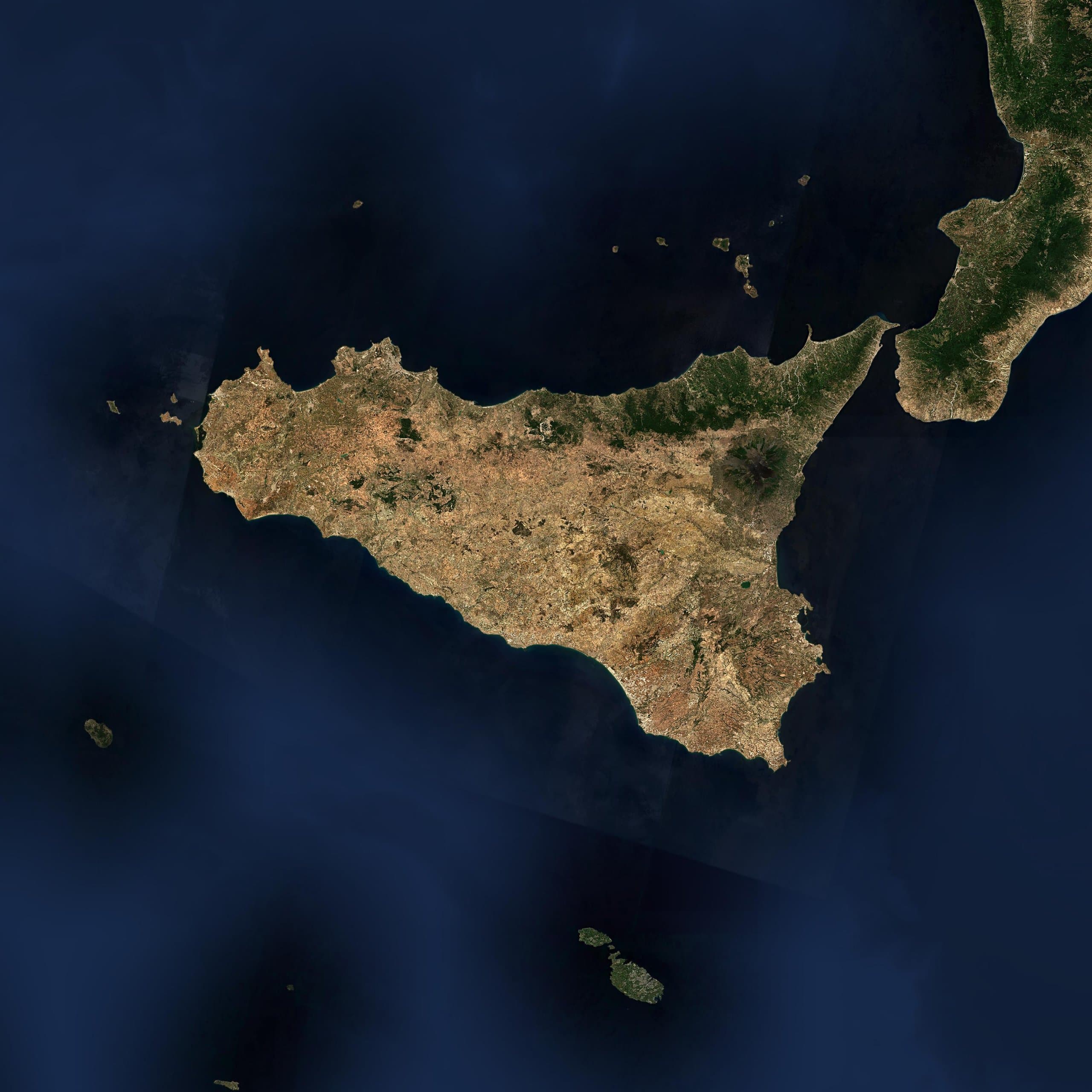
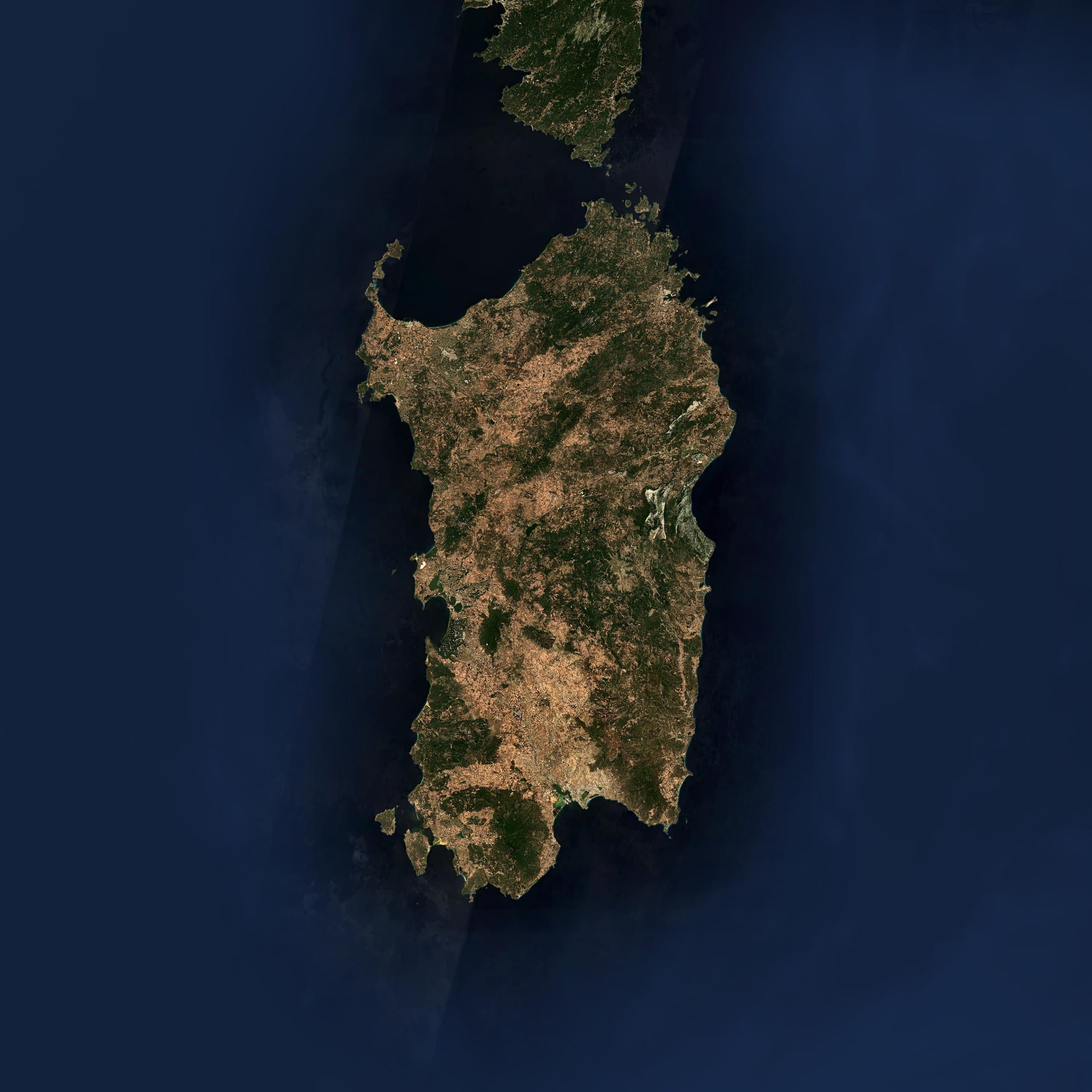
Volcanic soils, ancient bush vines, and the most exciting frontier in modern Italian wine.
More regions
The system
How wine is classified in Italy
Italy borrowed France's appellation idea in 1963 and ran with it. Today it has a four-tier pyramid that covers nearly every village.
- 01
DOCG
Denominazione di Origine Controllata e Garantita. The top tier, with rules on grapes, yields, ageing, and a tasting commission that must approve every wine before sale. Around 80 wines hold DOCG status.
- 02
DOC
Denominazione di Origine Controllata. The working tier of Italian wine — hundreds of regional and village wines with strict rules on grapes and origin.
- 03
IGT
Indicazione Geografica Tipica. Created in 1992 to give serious producers room to use international grapes or break with DOC tradition. The home of the Super Tuscans and a lot of the country's best modern wine.
- 04
Vino
The catch-all base tier. Mostly inexpensive table wine, but a small set of avant-garde producers use it to escape regulation entirely.
A tasting plan
Where to start
Italy makes the most sense if you taste it the way Italians do — by region. Three bottles from three corners of the country gives you the lay of the land faster than any explainer.
Start here
Three classics that drink well young, pair with food, and give you the country's headline grapes in their friendly form.
Chianti Classico
Tuscany · Sangiovese
Bright cherry, savoury herb, food-friendly acidity. The textbook for Sangiovese.
Soave Classico
Veneto · Garganega
Volcanic-soil white from the hills east of Verona. Almond, pear, salinity.
Valpolicella Classico Superiore
Veneto · Corvina blend
Cherry-and-spice red from the hills above Verona. Made from the same grape blend as Amarone (the rich, dried-grape Valpolicella style), but lighter, fresher, and ready to drink young.
Go deeper
Step into the regions that built Italy's modern fine-wine reputation. Each bottle teaches a different lesson.
Etna Rosso
Sicily · Nerello Mascalese
Pale, perfumed, mineral. Drinks like a high-altitude Pinot Noir and shows what volcanic Sicily does.
Verdicchio dei Castelli di Jesi Riserva
Marche · Verdicchio
One of the most age-worthy Italian whites, with green almond and fennel that develop for a decade.
Brunello di Montalcino
Tuscany · Sangiovese
Sangiovese in its most ambitious form, from the hills of Montalcino in southern Tuscany. The producer must age the wine for at least five years before release, and the best examples drink well twenty years on.
For the curious
Italy's most rewarding spends. Each takes patience — and pays it back with interest.
Barolo or Barbaresco from a single MGA
Piedmont · Nebbiolo
Italy's most prestigious red, made from Nebbiolo on the hills around Alba in Piedmont. An 'MGA' is a single-vineyard bottling — Italy's version of a Burgundy cru. Pick a wine from a grower who farms their own vines and cellar at least ten years.
Aglianico del Vulture / Taurasi Riserva
Basilicata / Campania · Aglianico
The southern Italian answer to Nebbiolo — the same tannic structure and decades-long ageing potential, but from volcanic soils in Basilicata and Campania. Roughly a third of the price of a comparable Barolo.
Friulano or Ribolla Gialla, skin-contact
Friuli-Venezia Giulia · Friulano / Ribolla
An 'orange wine' — white grapes fermented on their skins the way reds are made, which gives an amber colour, gentle tannins, and a savoury depth. Friuli is the region that revived this ancient technique.
At the table
Wine and food in Italy
Italians drink wine at the table, with food, almost always. The bottle that opens with antipasti is the same one that finishes with cheese. Pairings track regional cooking: Nebbiolo with truffle, Sangiovese with bistecca, Aglianico with slow-cooked lamb.
Frequently Asked Questions
What is the difference between Chianti and Chianti Classico?▼
Are Super Tuscans still a thing?▼
Why does Prosecco taste so different from Champagne?▼
What's a DOCG and is it always better than a DOC?▼
Should I drink Italian whites young?▼
How do I read an Italian wine label?▼
Keep exploring