
Spain
Valencia
Spain wine regions
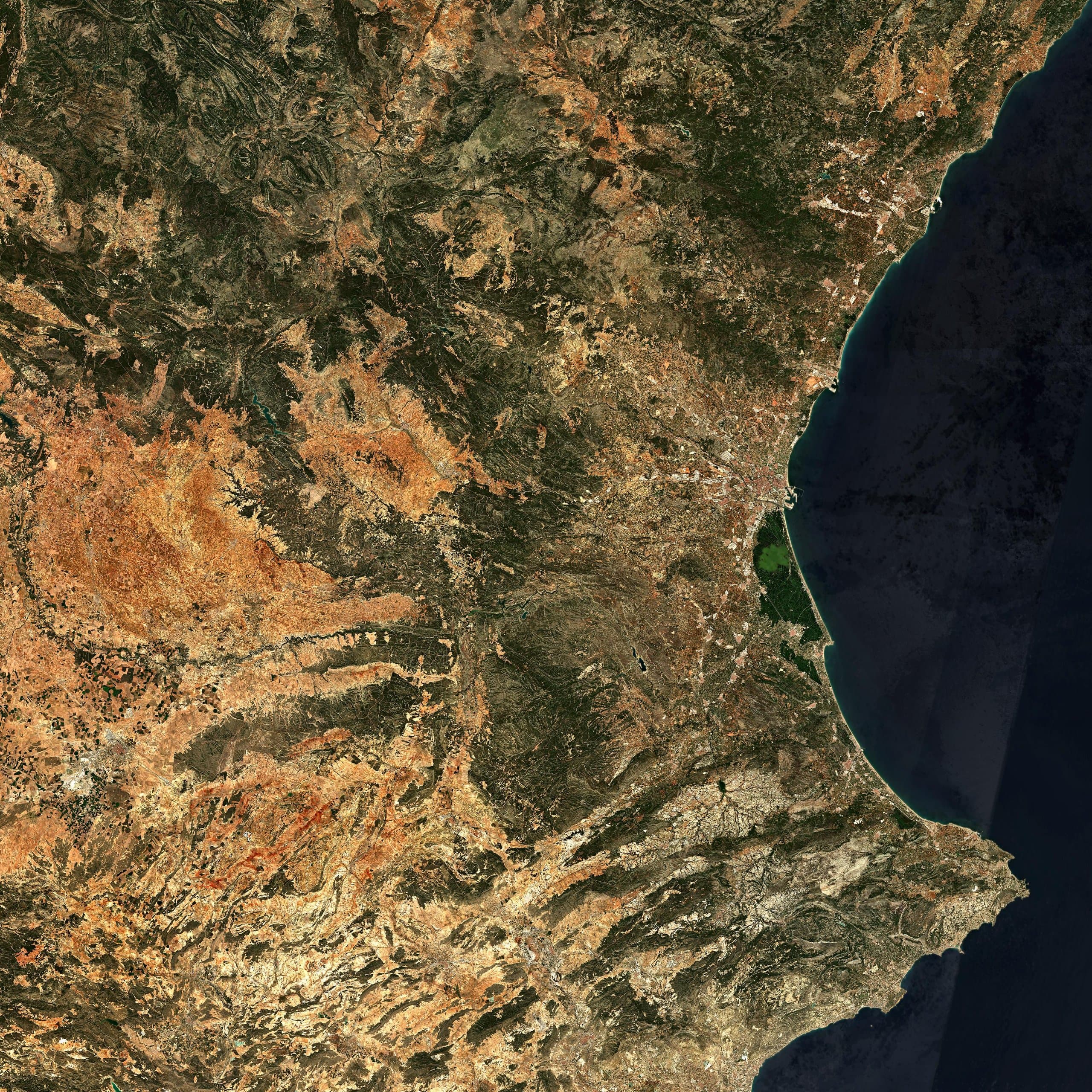
About Valencia
110–1439 m
Elevation range
1 Appellation
Avg. slope 8.2°
Spain wine regions
Vintages
18 · 2010–2023
Outstanding Valencia Vintages
The best recent vintages rated excellent or exceptional.
Red
Denominación de Origen
Classification System
Spanish Quality Hierarchy
Spain's wine-quality pyramid, administered under the EU Protected Designation of Origin (DOP) framework. The two top legal tiers — DOCa and DOQ — have only been awarded to two regions in the country. Every wine DO in Spain sits somewhere on this ladder.
DOCa / DOQ
Denominación de Origen Calificada (Castilian) / Denominació d'Origen Qualificada (Catalan). Spain's highest wine classification — awarded only to Rioja (1991) and Priorat (2009)
DO
Denominación de Origen — the main quality tier. Most Spanish wine regions (Bierzo, Rueda, Ribera del Duero, Rías Baixas, etc.) are DOs
Vinos de Pago (VP)
Single-estate designation for exceptional individual vineyards, outside the regional DO system. Currently around 20 properties nationwide (Dominio de Valdepusa, Pago de Otazu, etc.)
VC / Vino de Calidad
Vino de Calidad con Indicación Geográfica — a stepping-stone tier below DO, used by emerging regions building a track record toward full DO status
VT / Vino de la Tierra
Protected Geographical Indication (IGP) — a broader regional tier. Equivalent to France's IGP / Italy's IGT
Vino (without GI)
Basic table wine without a geographic designation
Aging Classification
Valencia follows Spain's standard aging tiers. The region is better known for its fortified and dessert styles (Moscatel de Valencia, Fondillón) than for structured age-worthy reds.
Gran Reserva
Minimum 5 years aging (2 in oak)
Reserva
Minimum 3 years aging (1 in oak)
Crianza
Minimum 2 years aging (6 months in oak)
Joven
Young wine, no minimum aging
What Valencia produces
Red
Bobal and Monastrell, increasingly serious wines from Utiel-Requena. Plus rare aged Fondillón from overripe Monastrell in Alicante.
White
Merseguera and Moscatel, fresh Mediterranean whites.
Dessert
Moscatel de Valencia — coastal fortified sweet wine from Muscat of Alexandria, made since Roman times.
Regional appellations
Moscatel de Valencia
Coastal fortified sweet wine made since Roman times from Muscat of Alexandria. One of Spain's great historic dessert wines, intensely aromatic, orange-peel and honey-driven.
Grapes of Valencia
Climate
Classic Mediterranean climate with hot, dry summers and mild winters. Abundant sunshine (over 300 days per year) concentrates flavors, while cooling sea breezes and mountain influences provide crucial temperature variation that preserves acidity and freshness in the wines.
Terroir
Remarkably diverse landscape featuring limestone-rich soils in coastal areas, clay and chalk in the central plains, and sandy soils with mineral deposits inland. The varied elevations – from sea level to 800 meters – create distinct microclimates, while the proximity to both mountains and Mediterranean Sea adds complexity and character to the wines.
Typical Aromas
More in Spain
Frequently Asked Questions
What makes Valencia wine special?▼
What are the best Valencia vintages?▼
What grapes are grown in Valencia?▼
What food pairs well with Valencia wines?▼
How does Valencia compare to other major wine regions?▼
Map data: MAPA (Ministerio de Agricultura, Pesca y Alimentación)