
Best Wineries in Friuli Venezia Giulia (2026 Edition)
Twelve essential Friuli producers across Collio, Colli Orientali, and Carso. From Gravner and Radikon to lesser-known names worth tracking down.
Emil Hansen · Founder of Cork
June 13, 2026 · 11 min
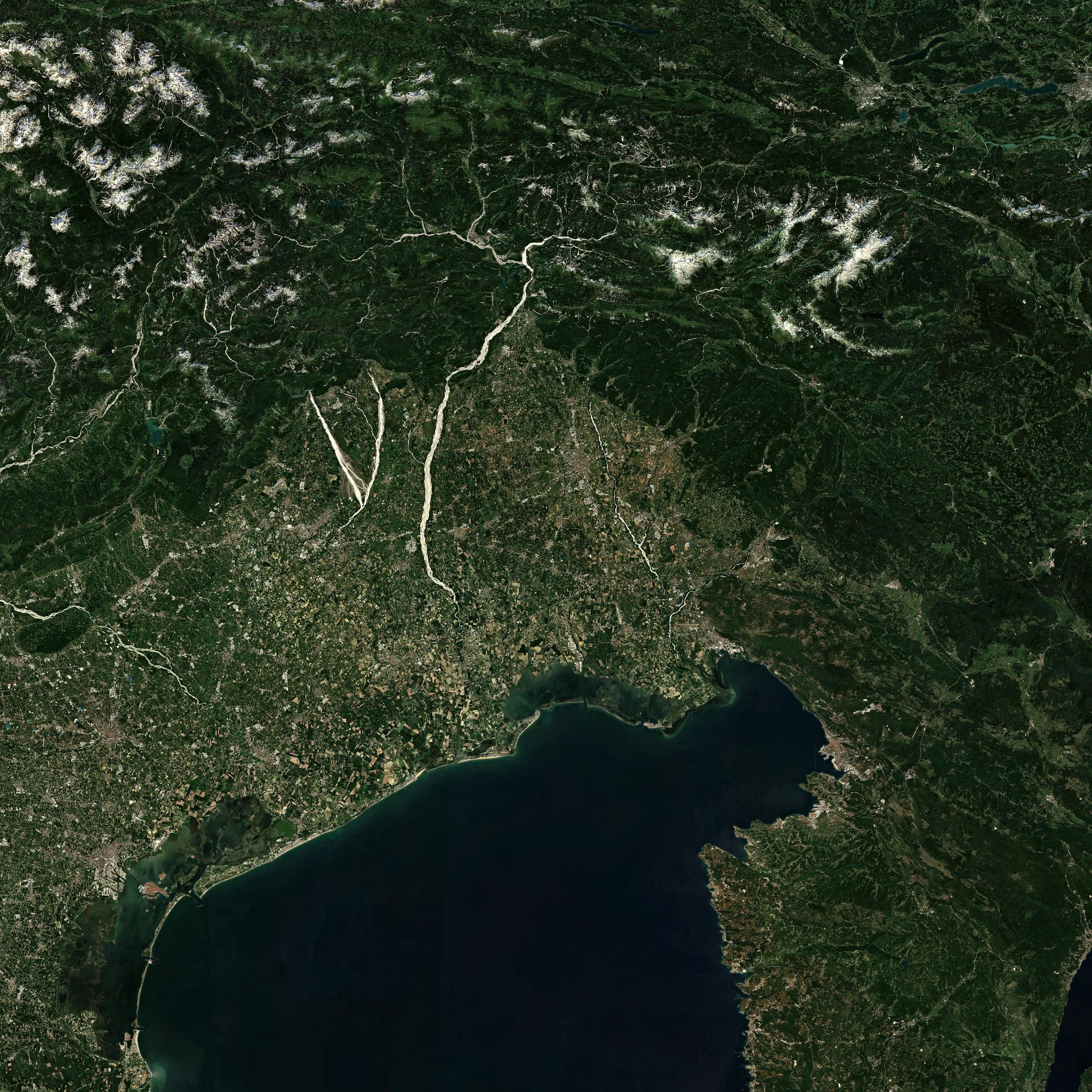
Friuli Venezia Giulia is the most underrated white wine region in Italy, and it has been for thirty years. The producers who put Italian whites on the global fine wine map, who invented modern skin-contact wine, who quietly age Friulano and Ribolla Gialla for years before release, almost all live within an hour of the Slovenian border. This list covers the twelve producers worth knowing, across the three sub-regions that matter: Collio, Colli Orientali, and Carso.
What ties them together is a refusal to make easy wine. Friuli's classical whites are built on minerality and texture rather than fruit, its skin-contact wines are some of the most serious in Europe, and its reds (Refosco, Schioppettino, Pignolo) reward producers who wait. The border with Slovenia is recent and arbitrary. The winemaking tradition is much older.
1. Gravner (Collio)
The patriarch of orange wine, and the producer most responsible for modern skin-contact winemaking everywhere from Slovenia to California. Joško Gravner abandoned international varieties in the 1990s, built terracotta amphorae buried in his cellar, and committed to fermenting his Ribolla Gialla on the skins for six months before releasing it years later. The wines are a different category of object: amber, structural, ageless. They are not for everyone. They are unmistakable.
Try first: Ribolla Anfora, around $110. The Bianco Breg blend at a similar price is the alternative entry.
2. Radikon (Collio)
The other founding father of the modern skin-contact movement, working in Oslavia a few kilometers from Gravner. The late Stanko Radikon, now succeeded by his son Saša, codified longer macerations and zero-sulphur whites. The wines are sealed in distinctive 500ml bottles and live unusually long. Oslavje, a blend of Chardonnay, Sauvignon Blanc, and Pinot Grigio fermented on the skins, is the bottle most often cited when people first try to explain orange wine to a friend.
Try first: Oslavje, around $70. Single-variety Ribolla and Jakot (the Friulano named without the protected designation) are similarly priced.
3. Miani (Colli Orientali)
The cult producer of Friulano and Sauvignon Blanc, and one of the hardest allocations in Italy. Enzo Pontoni works tiny single-vineyard parcels in Buttrio, makes a few thousand bottles a year, and produces what is arguably the most concentrated Friulano in existence. The wines age remarkably. They also disappear within hours of arriving at any wine shop that gets a case. If you ever see one in the wild, buy it.
Try first: Miani Friulano, around $120 when findable. Buri Chardonnay and Calvari Sauvignon are at similar price and scarcity.
4. Livio Felluga (Colli Orientali)
The grandfather of post-war Friulian wine, and the most widely distributed name on this list. The estate's Terre Alte (Friulano, Sauvignon, Pinot Bianco) has been a benchmark Italian white for forty years. If you walk into a decent wine shop in any major city in the world, this is probably the Friuli bottle they have. That doesn't make it any less serious.
Try first: Terre Alte, around $55. The Sauvignon Blanc and Sossó (a Merlot/Refosco red) at around $30 to $40 are the more accessible entries.
5. Edi Keber (Collio)
If you want one bottle that explains classical Collio Bianco, it's this one. The estate makes essentially a single wine: a blend of Friulano, Ribolla Gialla, and Malvasia Istriana from the Zegla hills. No oak. No skin contact. Just texture, salinity, and the kind of restraint that takes generations to learn. It is the rare wine that ages beautifully but tastes complete on release.
Try first: Edi Keber Collio, around $30. There is no second wine. The point is the singular focus.
Dig deeper on Friuli Venezia Giulia
The Cork region guide maps Collio, Colli Orientali, and Carso, and links straight through to Friulano, Ribolla Gialla, and the indigenous reds. Useful before you order, useful at the table.
6. Borgo del Tiglio (Collio)
Nicola Manferrari's estate in Brazzano is the quiet alternative to the skin-contact crowd. His Studio di Bianco, a blend that has shifted between Friulano, Sauvignon, and Riesling over the years, is one of the most precise white wines in Italy. The Ronco della Chiesa Friulano from a single old-vine parcel is the more direct expression. Everything Manferrari makes is built to age, and most of it improves for a decade.
Try first: Studio di Bianco, around $45. Ronco della Chiesa Friulano at around $50 if you want the more focused statement.
7. Damijan Podversic (Collio)
A student of Gravner, working in Gorizia with similar conviction but slightly shorter macerations. Damijan's wines are amber, structured, and refreshingly more approachable than the founders'. Kaplja, a blend of Chardonnay, Friulano, and Malvasia, is the classic entry. Nekaj, his pure skin-contact Ribolla, is the more serious bottle.
Try first: Kaplja, around $50. Nekaj at around $80 for the deeper experience.
8. Vodopivec (Carso)
The producer who proved Vitovska, the indigenous Carso grape, could make wine of international seriousness. Paolo Vodopivec works on the stony Karst plateau outside Trieste, fermenting in large oak and amphorae with long macerations. The wines are saline, mineral, structural, and almost monastic in their restraint. They are some of the most distinctive whites in Italy.
Try first: Vodopivec Vitovska Origine, around $60. The Solo MM amphora bottling at around $90 is the next step.
9. Zidarich (Carso)
Benjamin Zidarich's estate sits a few kilometers from Vodopivec on the same limestone plateau. His cellar is famously carved directly into the rock. The Vitovska is the calling card, but the Terrano (the Carso name for Refosco) is the under-the-radar pick: an old-vine red that drinks like a cross between Loire Cabernet Franc and a Northern Rhône Syrah.
Try first: Zidarich Vitovska, around $45. Terrano at around $50 if you want the rare Carso red.
10. Le Due Terre (Colli Orientali)
A tiny family estate in Prepotto. Sacrisassi, a blend of Refosco and Schioppettino aged in large oak, is the wine that built their reputation. It is one of the few Friulian reds that rivals Tuscany for structure and a much shorter list of Italian reds for elegance. The Bianco (Friulano-Sauvignon-Riesling) is equally precise.
Try first: Sacrisassi Rosso, around $60. The Bianco at around $50 is the white-wine companion.
11. Ronco del Gnemiz (Colli Orientali)
A small Colli Orientali producer making some of the most distinctive single-vineyard Chardonnays in Italy, plus serious Friulano and Sauvignon. The wines lean classical (oak-aged, no skin contact) but at a level of precision and longevity that puts them in the top tier of Italian whites. S.O.M. Chardonnay is the bottling that opened most palates to the estate.
Try first: S.O.M. Chardonnay, around $45. The Friulano Sol at a similar price is the alternative entry.
12. Kante (Carso)
The third pillar of serious Carso wine alongside Vodopivec and Zidarich, but with a different philosophy: Edi Kante works underground in a cellar carved out of limestone, uses small French oak, and aims for a more polished international style without losing the Carso minerality. His Sauvignon Blanc and Chardonnay are some of the most precise whites in northeast Italy.
Try first: Kante Sauvignon Blanc, around $40. The Chardonnay at a similar price is the alternative.
How to taste Friuli: a 3-bottle starter pack
If you've never tried Friulian wine and want a fair introduction, open these three over a weekend. One from each sub-region. Each picked to show what that zone does best.
Edi Keber Collio (Collio). The cleanest expression of classical Collio Bianco. Friulano, Ribolla, Malvasia. No oak, no skin contact. This is what Friuli tastes like before the skin-contact revolution. Around $30.
Le Due Terre Sacrisassi Rosso (Colli Orientali). Refosco and Schioppettino, large oak, the indigenous reds done right. This bottle shows what Colli Orientali contributes that no other Italian region can. Around $60.
Vodopivec Vitovska Origine (Carso). Saline, stony, structural. Vitovska is the most distinctive Italian white grape almost nobody outside Friuli grows. This bottle explains Carso in 90 minutes. Around $60.
Open them in that order. The Edi Keber resets your palate to classical. The Sacrisassi shows you the red side. The Vitovska shows you what the limestone plateau does that nowhere else does.
Where to find these wines
United States: Skurnik Wines distributes Gravner, Radikon, and Damijan. Polaner Selections carries Vodopivec and Le Due Terre. T. Edward and Bourgeois Family Selections cover much of the rest. Independent shops in NYC, Chicago, LA, and San Francisco will have most of these names, often in the back room.
United Kingdom: Les Caves de Pyrene, Tutto Wines, and Indigo Wine carry most of the skin-contact producers. Berry Bros and Hedonism Wines stock the classical names. Borough Wines and the Newcomer Wines shop carry Friulian deeper than most chains.
Continental Europe: Most of these producers are widely distributed in Germany, Austria, Switzerland, and the Nordics through specialist importers. In Italy itself, enoteche in Milan, Trieste, and Udine carry everything on this list.
Direct from the producer: Most Friulian estates sell directly to private clients in EU countries. Allocations are tight on the cult names (Miani, Gravner top bottlings) but the broader portfolios are usually available with patience.
Build a Friuli section in your Cork cellar
Filter by sub-region, grape, or skin-contact style. After ten bottles you'll see which of the three zones your palate prefers and which producers keep ending up at the top of your ratings.
Frequently asked questions
What is Friuli Venezia Giulia known for?▼
What is the difference between Collio and Colli Orientali?▼
What grapes does Friuli grow?▼
Where did orange wine come from?▼
Are Friulian wines age-worthy?▼
Explore Friuli on Cork
The Friuli-Venezia Giulia page maps the sub-zones, the indigenous grapes, and vintage ratings for both reds and whites.
Keep reading
Sicily Wine Guide: Map, Regions & What to Try First
Sicily is three wine countries on one island: Etna, Western Sicily, and Vittoria. A first-timer's map, five producers worth seeking out, and where to start.
Read VintagesLoire Valley Vintage Chart: How the Last 15 Years Stack Up
How every Loire vintage from 2011 to 2025 stacks up for Sancerre, Vouvray, Chinon, and beyond. The best vintages, the tricky ones, and what to open now.
Read Getting StartedWhat's the best wine tracking app in 2026?
A look at wine tracking apps that actually help you remember what you enjoy, manage your cellar, and figure out what you like.
Read