
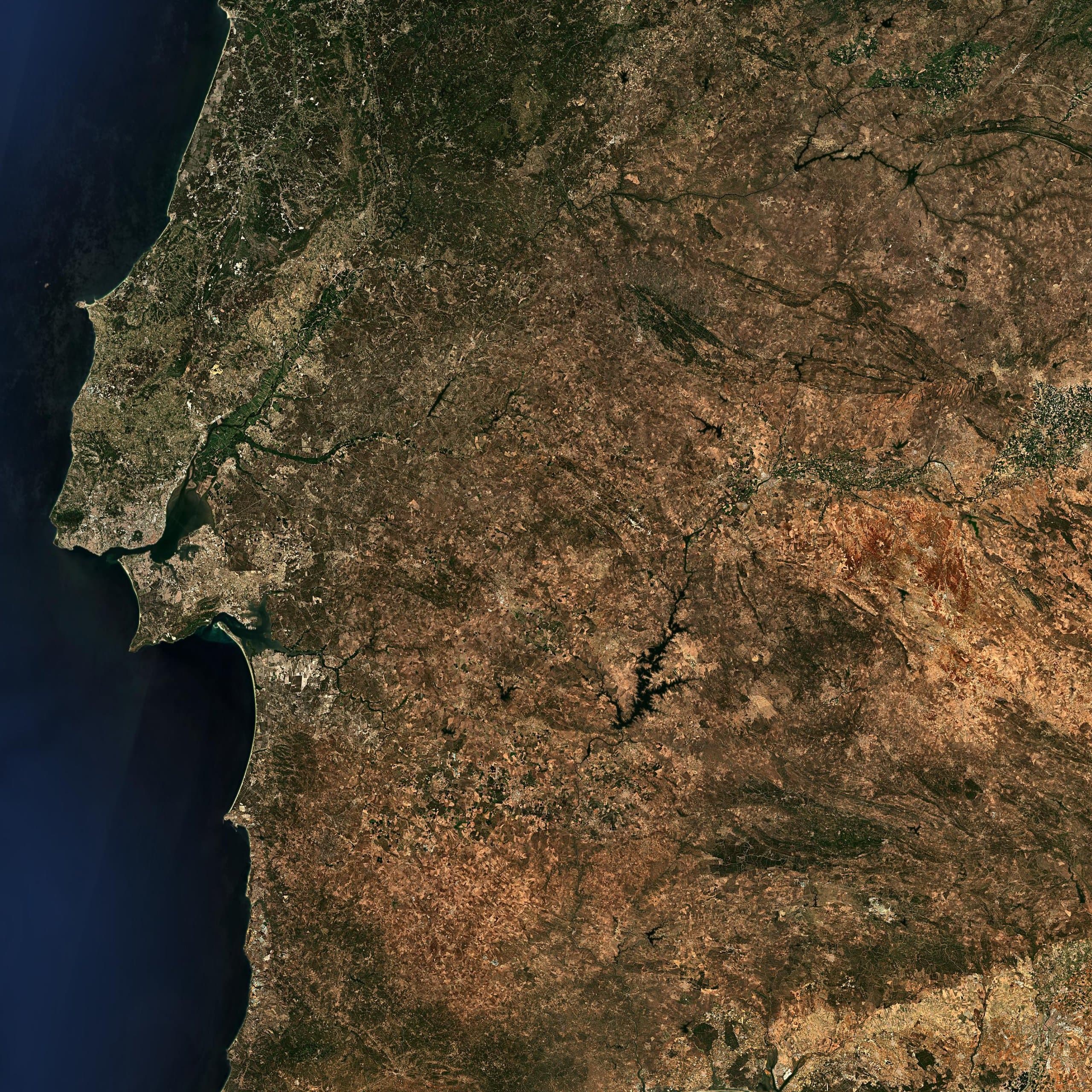
Portugal
Alentejo
Portugal wine regions
About Alentejo
35–777 m
Elevation range
Wine styles
7 Sub-regions
Avg. slope 4.3°
Portugal wine regions
Vintages
15 · 2010–2024
Outstanding Alentejo Vintages
The best recent vintages rated excellent or exceptional.
Red
Sub-regiões
What Alentejo produces
Red
Ripe, generous reds from Aragonez, Trincadeira, and Alicante Bouschet in warm plains.
Notable producers
Estates that shape how this region tastes.
Herdade do Esporao
Leading Alentejo estate, broad portfolio
Herdade dos Grous
Modern Alentejo reds, Moon Harvested
Cortes de Cima
Danish-American couple, Incognito
Mouchao
Historic estate, Tonel 3-4 Alicante Bouschet
Grapes of Alentejo
Climate
Hot Mediterranean with continental influence inland. Summers are long, dry, and intensely hot (frequently above 40°C). Winters are mild and wet. The northern sub-region of Portalegre, at up to 1,000m altitude, is significantly cooler and wetter, producing a more elegant style. Annual rainfall ranges from 400mm in the south to 800mm in the north.
Terroir
Extraordinarily diverse for a single region. Granite dominates in the north (Portalegre), schist in the central plains (Reguengos, Redondo), and clay-limestone in the south (Vidigueira, Moura). The flat terrain allows modern, mechanized viticulture. Many producers use irrigation (rare in traditional Portuguese winemaking) to manage the extreme summer drought.
Typical Aromas
More in Portugal
Map data: IVV (Instituto da Vinha e do Vinho)