
Country
Portugal
An Atlantic country with its own grapes
More than 250 indigenous grapes, a coastline that runs the length of the Atlantic, and two old wine cultures — Port and Madeira — that helped invent the idea of fortified wine.
31 DOC
Wine regions
250+
Indigenous grapes
Touriga Nacional
Top grape
Since 1756
Port history
37–42° N
Latitude band
100+ years
Madeira shelf life
The country
Why Portugal matters
For most of the twentieth century, Portuguese wine meant Port and a sea of cheap table wine. The 1986 EU accession unlocked investment, and a generation of producers across the Douro, Dão, Bairrada, and Alentejo started using indigenous grapes — Touriga Nacional, Baga, Encruzado, Antão Vaz — to make serious dry wines.
The country's edge today is breadth at low prices. A serious Vinho Verde Alvarinho costs the same as a generic supermarket white. A top Dão red drinks at the level of a thirty-euro Burgundy for half that.
And Madeira — the longest-lived wine on earth — is being rediscovered after decades in the wilderness.
What grows here
The signature grapes
The varieties that define Portugal. Tap any card to drill into the grape's profile.
The land
Terroir at a glance
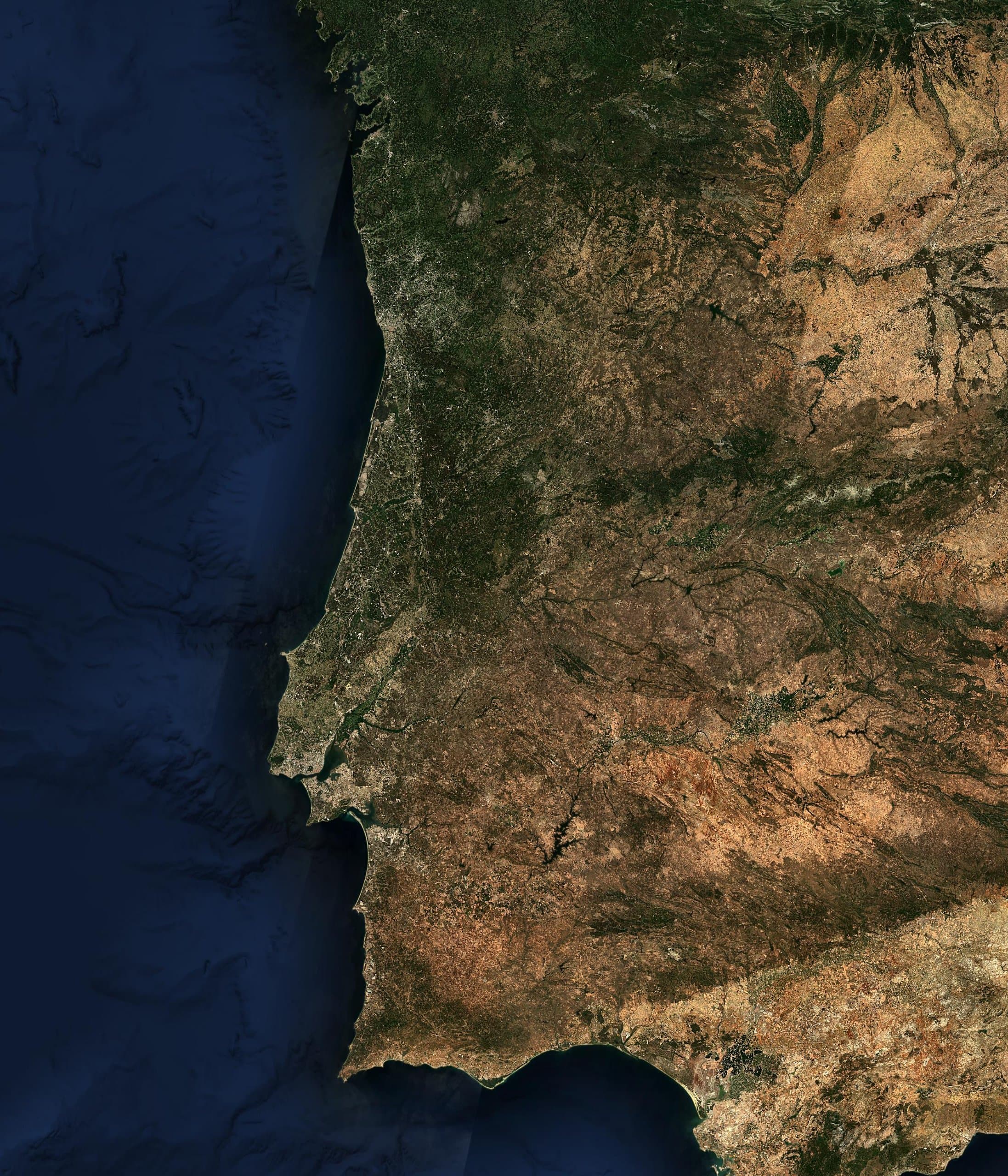
Portugal is split by the Atlantic. The coast is cool, foggy, rain-soaked. The interior, just a few dozen kilometres inland, is hot, dry, and continental. That contrast in such a small country gives Portuguese wine an unusual range.
The granite northwest
The Minho coast and inland into Vinho Verde country. High rainfall, granite soils, and a green landscape that looks more like Galicia than Iberia. Wines are bright, low-alcohol, and increasingly serious.
The Douro's schist
A deep gorge through schist hills with one of the hottest, driest climates in Europe. Steep terraced slopes facing the river. Same vineyards make both Port and the new generation of unfortified reds.
Granite and limestone heart
The Dão sits on a granite plateau sheltered by mountains. Bairrada, just toward the coast, is limestone country and home to Baga, the local red that produces some of Portugal's most age-worthy bottles.
The sun-baked south
The Alentejo's golden plain stretches from the Tagus to the Spanish border. Hot, dry, and home to the country's amphora (talha) revival. Some of Portugal's most generous reds and a parallel story of indigenous whites.
On the map
The regions worth visiting
Only regions with mapped vineyards and full guides are shown. Each tile leads to its appellations and vintages.
Portugal wine regions. Select a region to learn more.
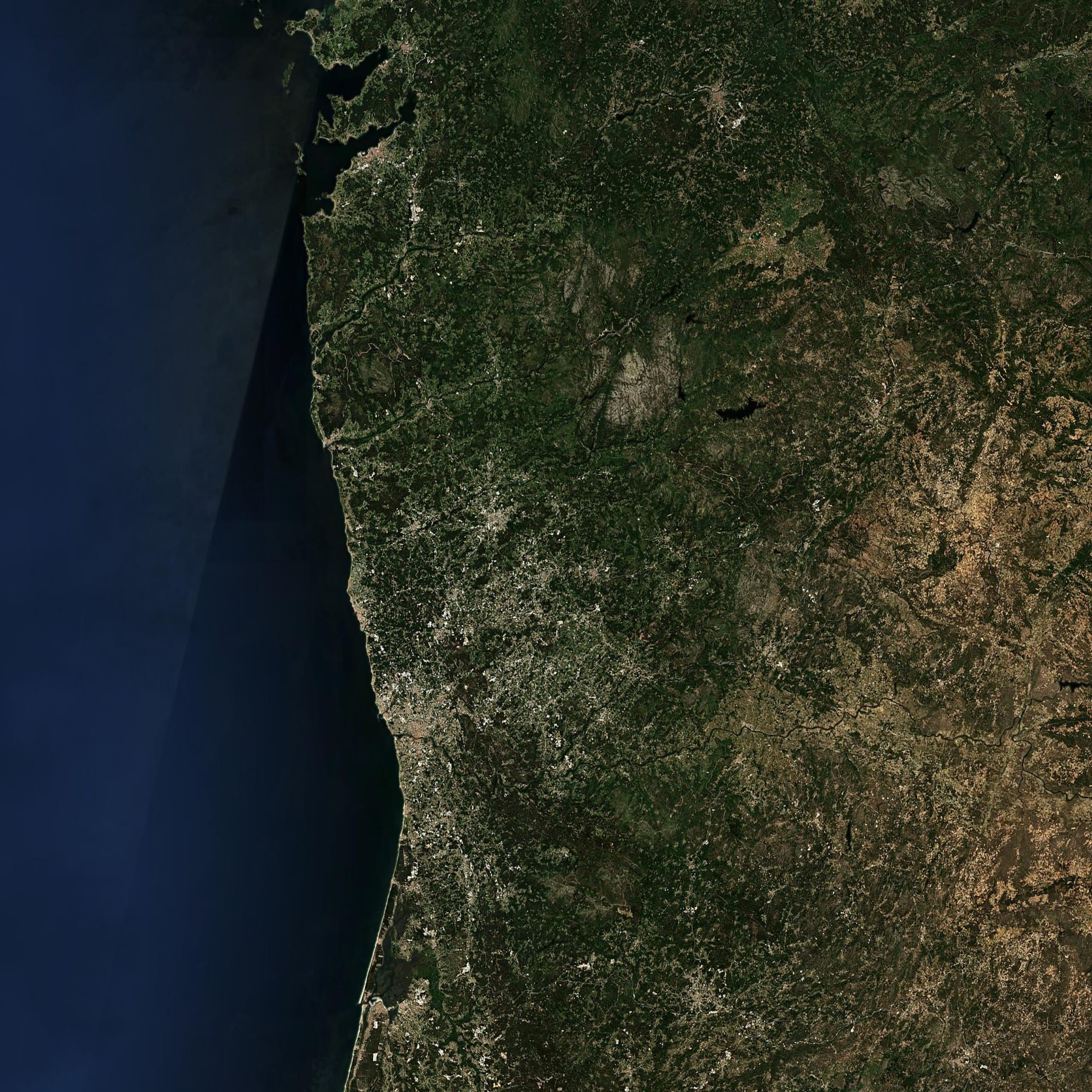
The Atlantic north
From the green Minho coast to the schist canyon of the Douro. Portugal's most internationally famous wines — and increasingly its most exciting unfortified ones.
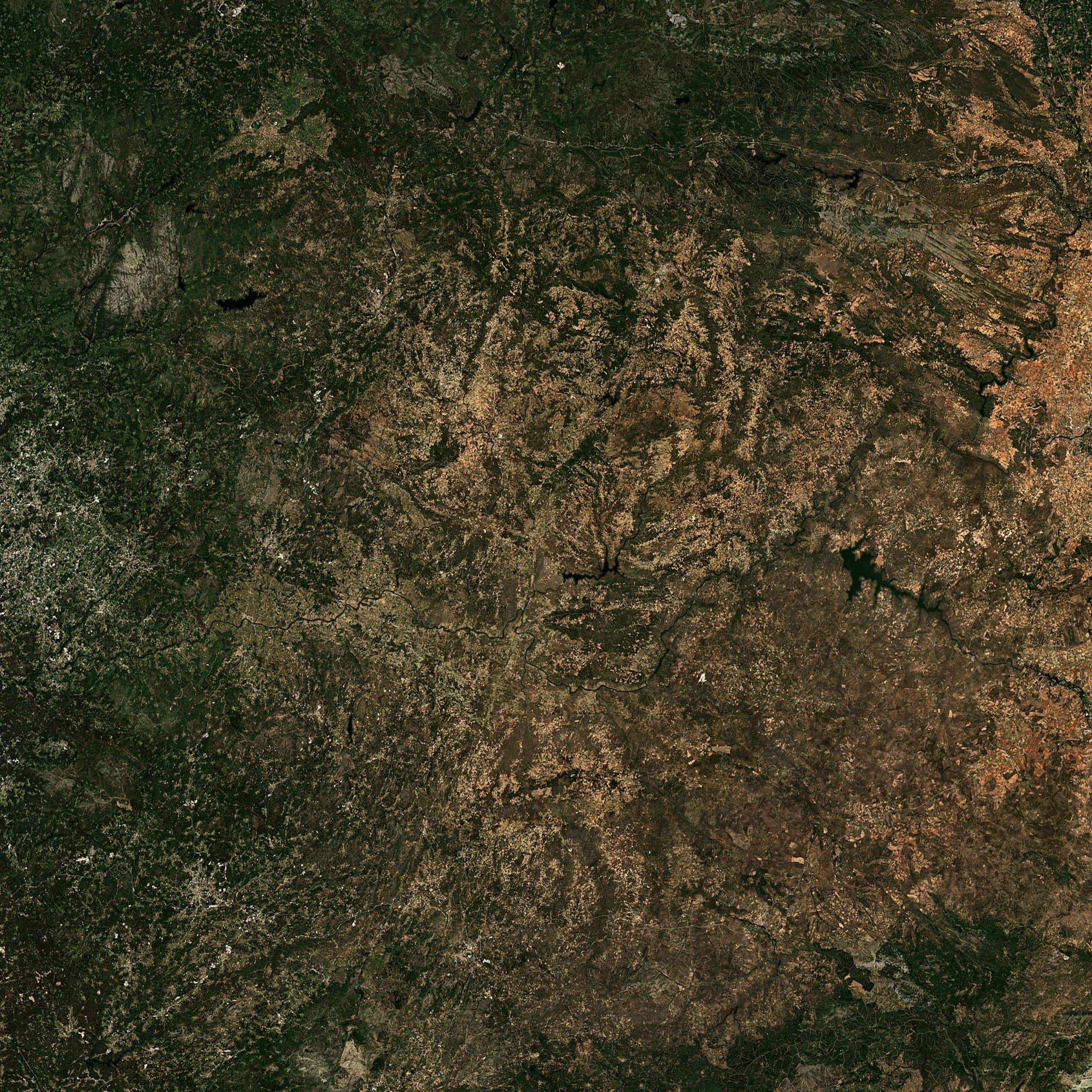
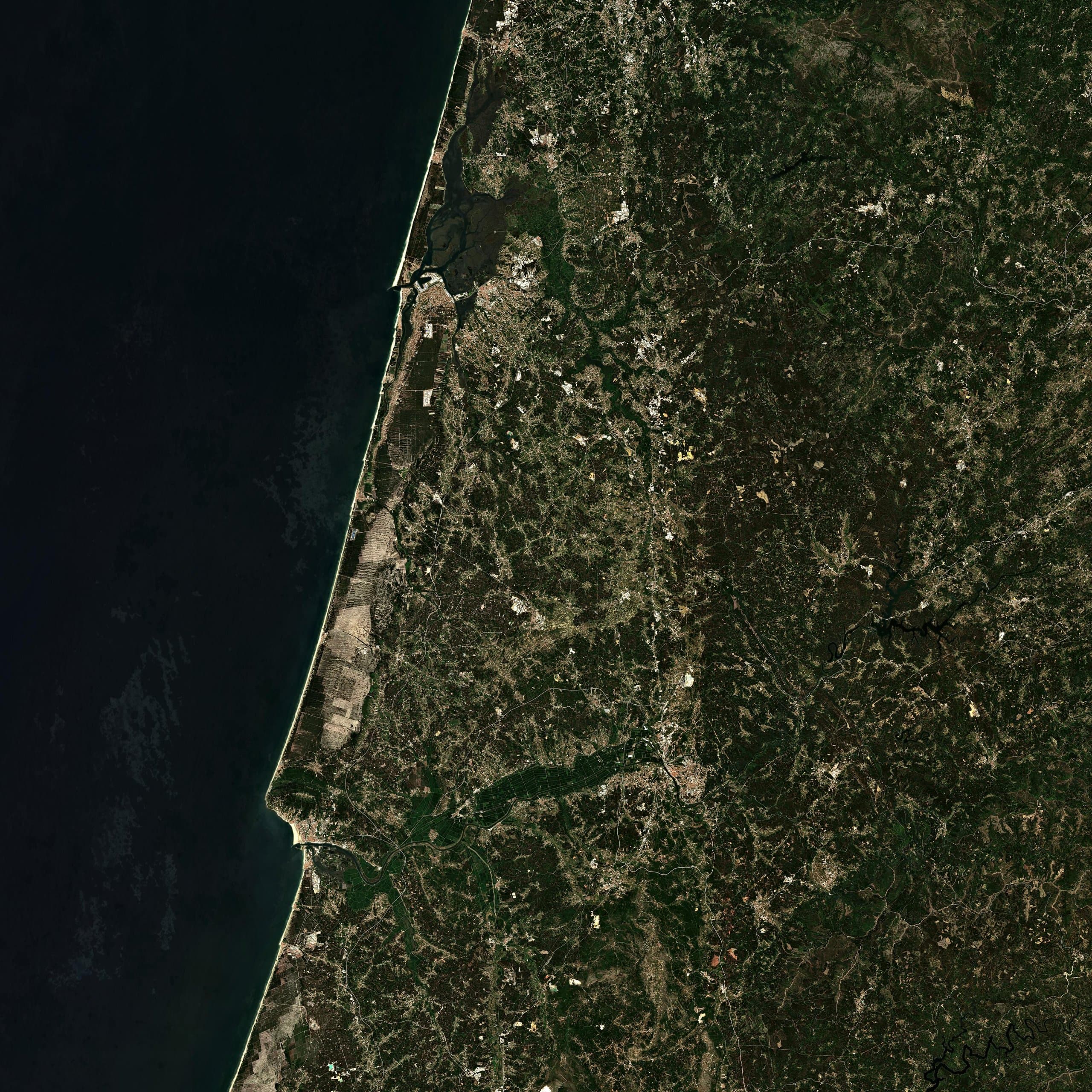
The granite and limestone centre
Granite plateau in the Dão, limestone in Bairrada. Mineral reds, crystalline whites, and Baga's slow-burn fame.
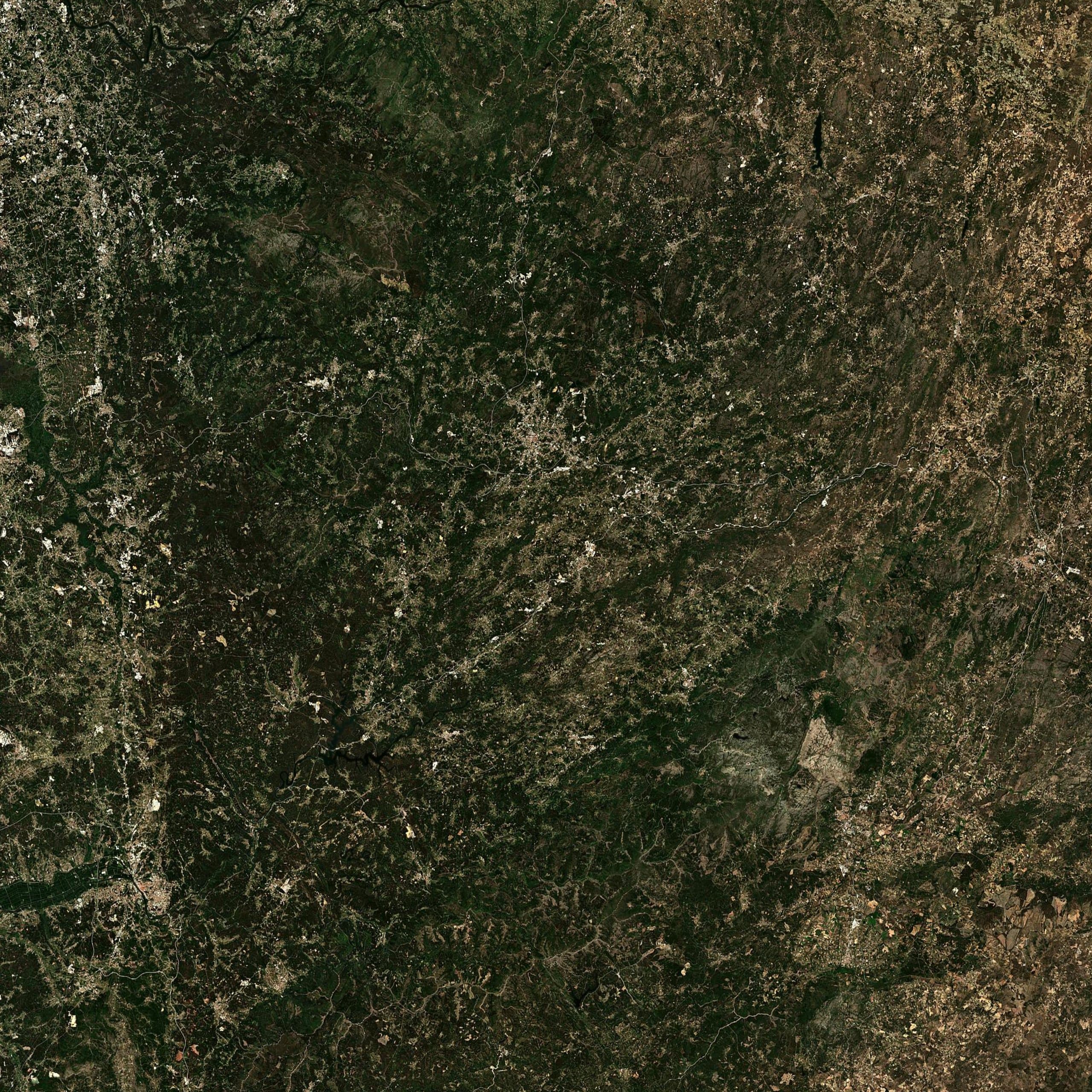
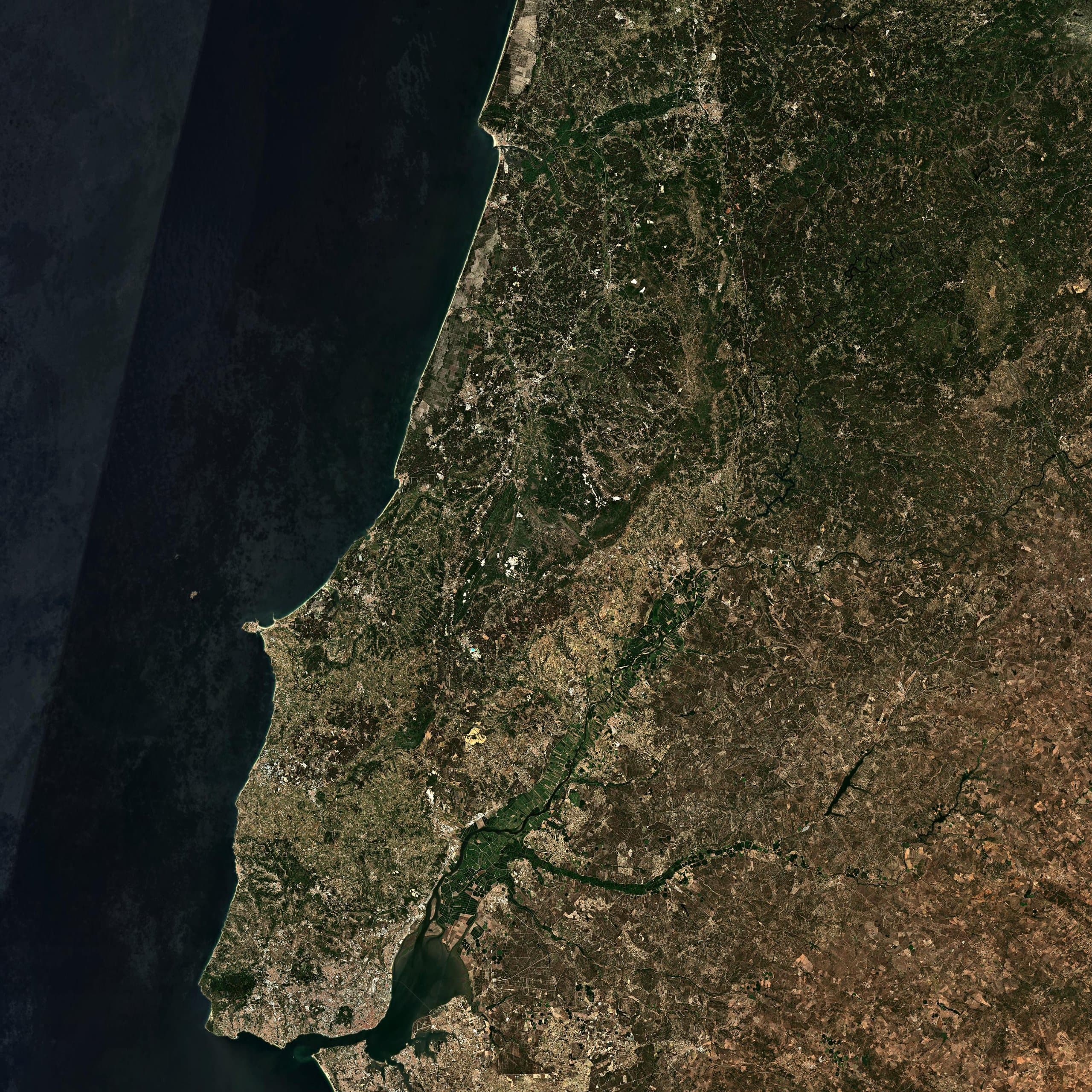
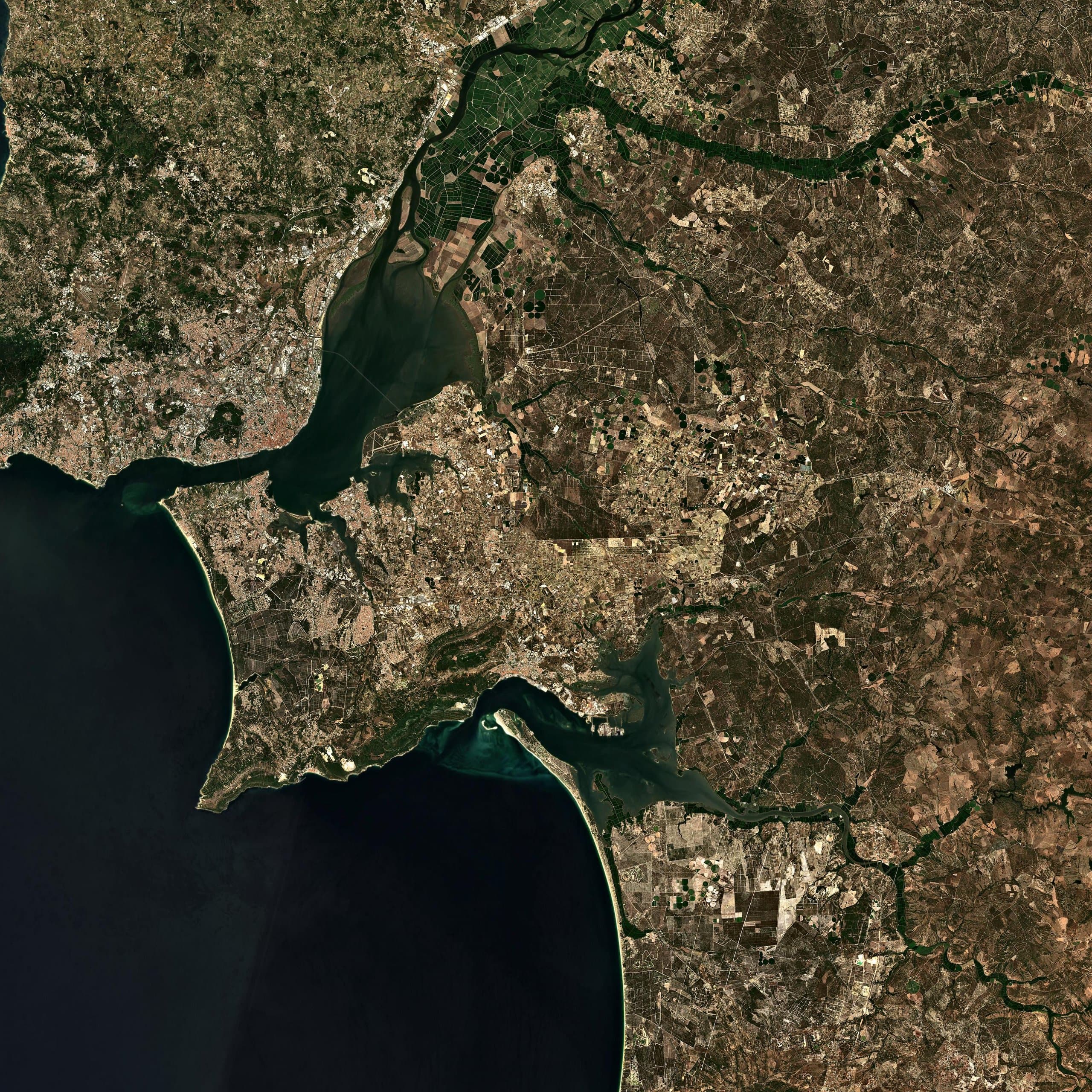
Around Lisbon and the Tagus
From Atlantic-cooled coastal vineyards to the warm Tagus plain. Big-volume regions full of value, plus pockets of serious quality on the Setúbal Peninsula.
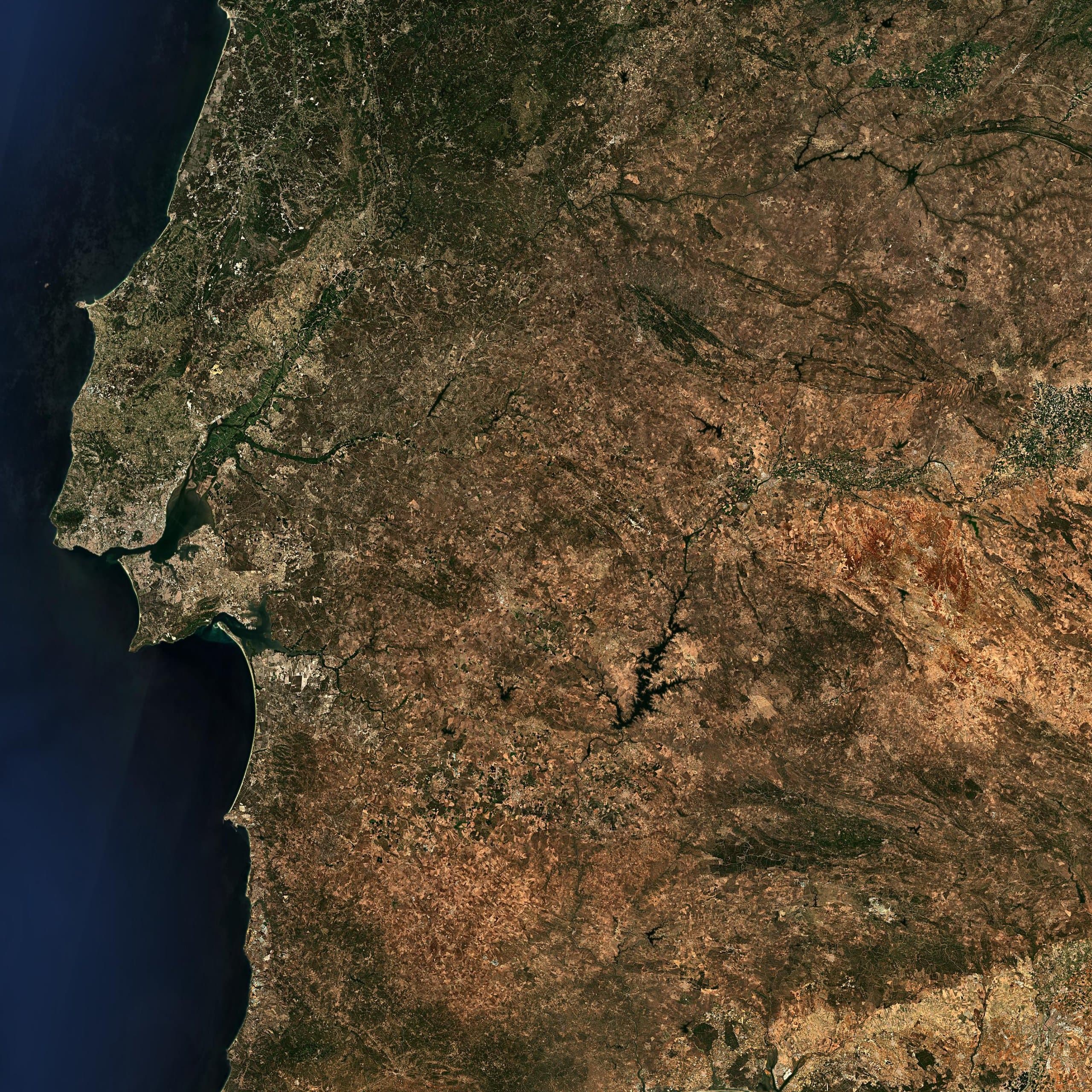
The deep south
Sun-baked, gold-coloured, and home to Portugal's amphora revival. The country's largest wine region by area.
More regions
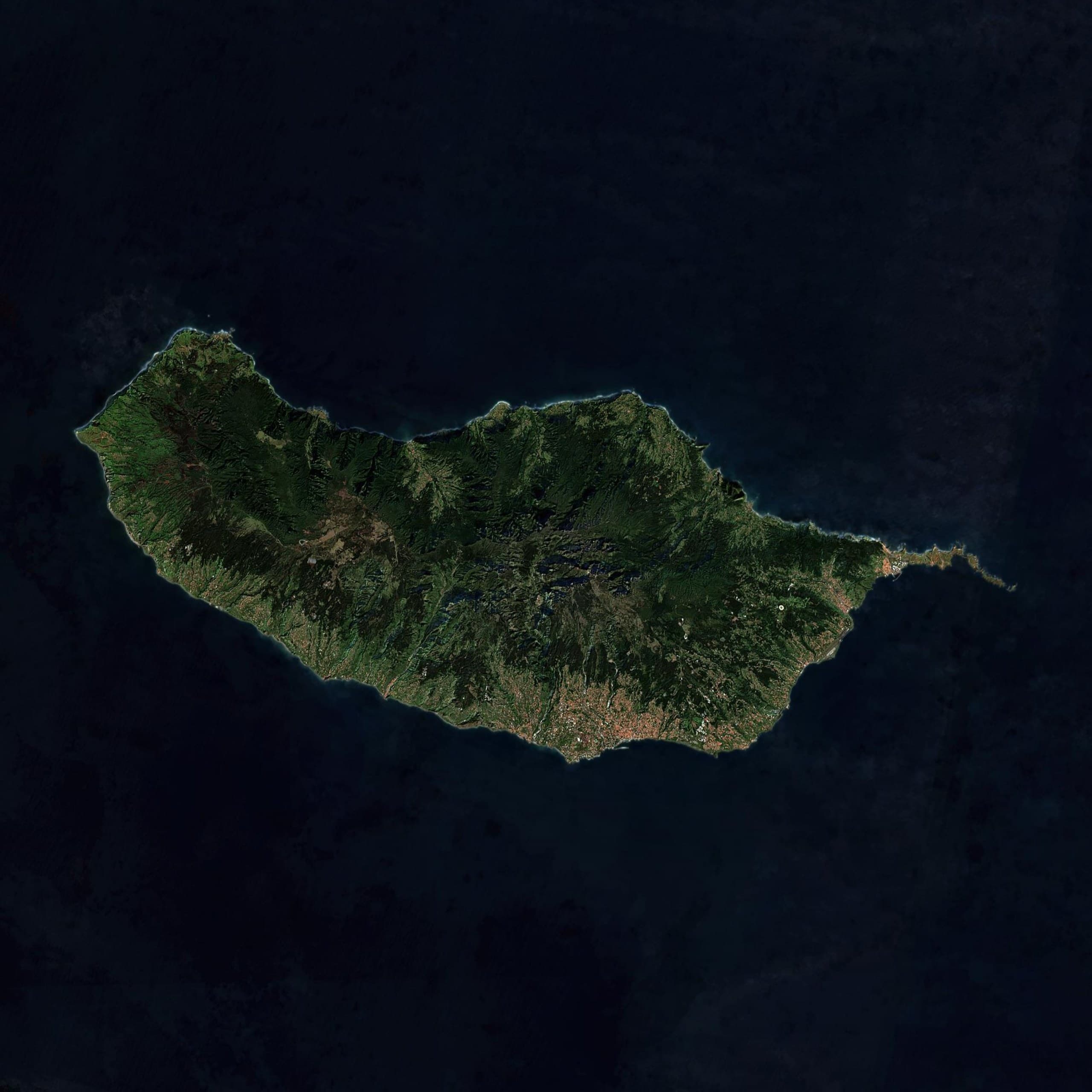
The system
How wine is classified in Portugal
Portugal's classification is straightforward and similar to its Iberian neighbour. Origin is the main signal; the special categories are reserved for Port, Madeira, and the country's indigenous quality framework.
- 01
DOC / DOP
Denominação de Origem Controlada (or Protegida). The top tier — 31 named regions with strict rules on grapes, yields, and methods.
- 02
IGP / Vinho Regional
Indicação Geográfica Protegida, also called Vinho Regional. The middle tier with looser rules. Lisboa, Tejo, and Alentejano IGPs are full of value wines.
- 03
Vinho
The base tier. No regional claim, no grape restrictions. Mostly bulk wine.
- 04
Port and Madeira
Their own ladders. Port: Ruby, Tawny, LBV, Vintage, Colheita, plus Tawny age statements at 10/20/30/40 years. Madeira sorts by dominant grape (Sercial dry → Malvasia sweet) and by age.
A tasting plan
Where to start
Portugal makes the most sense as a comparative tasting between coast and interior, fortified and dry. Three or four bottles cover the country's whole personality.
Start here
Three textbook bottles, each from a different climate. All under twenty euros, all unmistakably Portuguese.
Vinho Verde Alvarinho
Vinho Verde · Alvarinho
Bright, salty, low-alcohol. The wine that explains why Portugal's Atlantic whites are having a moment.
Douro red blend
Douro · Touriga Nacional blend
The same terraced schist vineyards that make Port, but bottled as dry table wine rather than fortified. Dark fruit, structure, mountain freshness. The most-improved Portuguese category over the last twenty years.
Tawny Port, 10 Year
Douro · Touriga Nacional blend
Caramel, walnut, dried fruit. One of the great dessert wines on earth and the most accessible doorway in.
Go deeper
These bottles take Portugal's serious dry side seriously. Each costs less than the equivalent quality from Spain or France.
Dão Encruzado
Dão · Encruzado
Lemon, almond, mineral lift. Portugal's most under-rated white and a textbook for granite-soil whites.
Bairrada Baga
Bairrada · Baga
Baga grown on limestone soils near the cool Atlantic coast. High in tannin, fresh in acidity, slow to come around. The Iberian red that ages most like an old-school Barolo (a Nebbiolo-based Italian classic).
Alentejo talha-aged red
Alentejo · Aragonez / Trincadeira
Clay-amphora wine from a producer reviving a 2,000-year-old technique. Fresher and more textural than oak-aged peers.
For the curious
Portugal's most rewarding spends. Madeira and vintage Port are wines you can buy now and pass on to grandchildren.
Vintage Port
Douro · Touriga Nacional blend
Port from a single exceptional vintage, bottled young and aged in the bottle for decades. The major houses (Taylor's, Graham's, Niepoort) only 'declare' a vintage when the harvest is exceptional — usually two or three years per decade. Cellar at least twenty years.
Single-vineyard Douro red
Douro · Touriga Nacional blend
Dry Douro red from a single 'quinta' (Portuguese for an estate or farm). The leading quintas — Vale Meão, Crasto, Niepoort — age at the level of top Bordeaux at roughly a third of the price.
Frasqueira Madeira
Madeira · Sercial / Verdelho / Bual / Malvasia
'Frasqueira' is Madeira's top category — wine from a single year, aged in cask for at least twenty years before bottling. Once released it drinks for a century. The longest-lived wine in the world.
At the table
Wine and food in Portugal
Portuguese cooking is deeply seasonal and Atlantic. Bacalhau a hundred different ways, grilled sardines, octopus, slow-cooked pork from Alentejo's black pigs. The pairings track this naturally — coastal whites with seafood, southern reds with pork, a glass of aged Tawny with the country's astonishing range of cheeses.
Frequently Asked Questions
What's the difference between Tawny and Vintage Port?▼
Is Vinho Verde always slightly fizzy?▼
Why does the Douro produce both Port and dry reds?▼
What's a talha wine?▼
Is Madeira still relevant in modern wine?▼
Are Portuguese wines a good value?▼
Keep exploring