CorkCork

Barossa Valley

Australia

About Barossa Valley

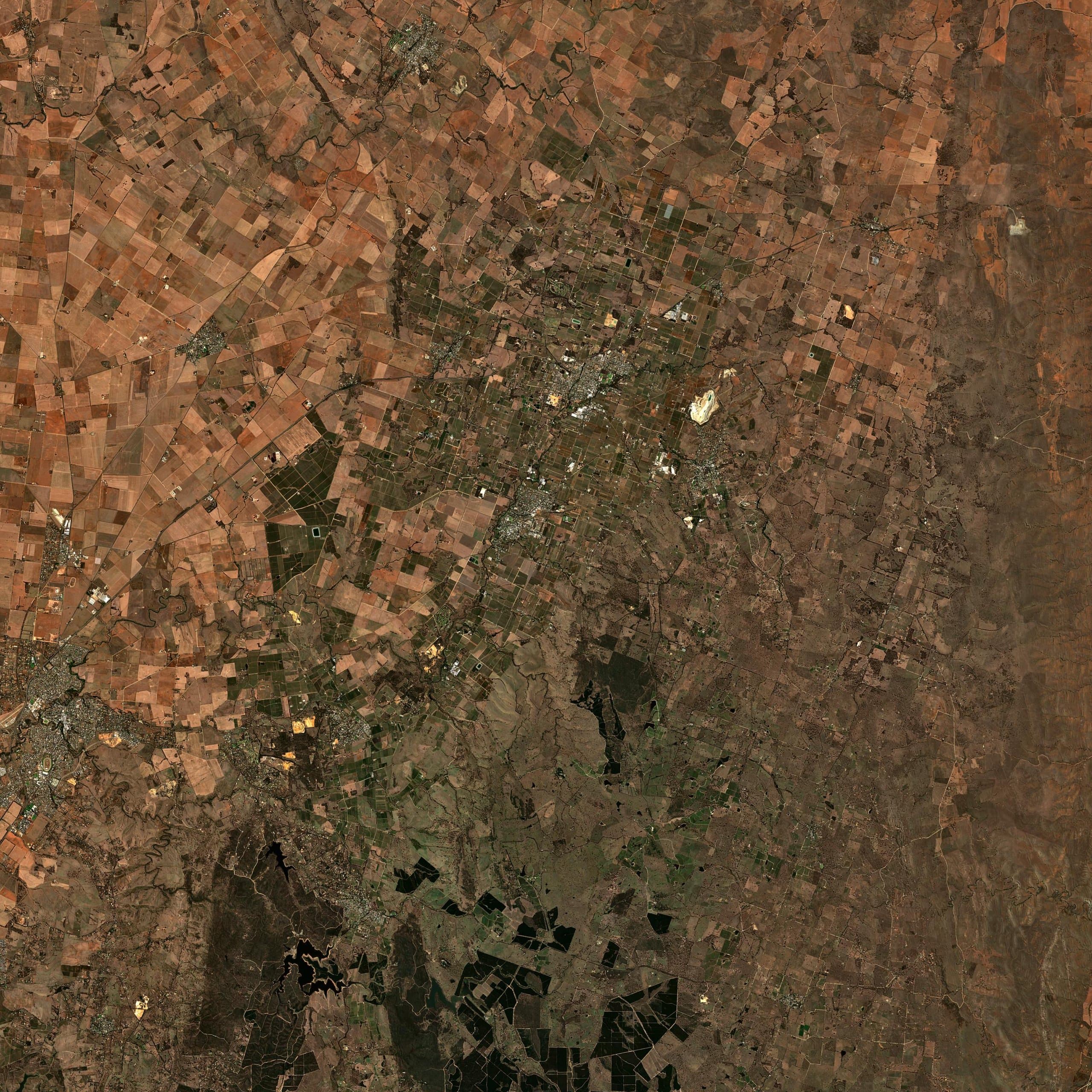
Australia's most iconic wine region, the Barossa Valley north of Adelaide has been producing wine continuously since the 1840s. Some of the world's oldest Shiraz vines, many over 100 years old and ungrafted, produce wines of extraordinary concentration and power. The warm, dry Mediterranean climate and diverse soils (from red-brown earth to deep sand) create conditions for bold, rich reds. German Lutheran settlers shaped the region's culture, and multi-generational family estates remain central to its identity. Beyond Shiraz, old-vine Grenache and GSM blends are gaining recognition.

Vintage Ratings

Rating:
5
4
3
2
1
PeakReadyHold
Year20242023202220212020201920182017201620152014201320122011201020092008200720062005200420032002200120001999199819971996199519941993199219911990
Red

Cork tracks drinking windows for every Barossa Valley vintage in your cellar. Sign up

Outstanding Barossa Valley Vintages

The best recent vintages rated excellent or exceptional.

Red

2024

Hold
Exceptional

An exceptional vintage across the board. Shiraz, Grenache, and Mataro all delivered outstanding quality, with concentrated flavours and excellent structure.

2028Peak 203220482052

2023

Almost ready
Excellent

An excellent vintage with intense, rich, and balanced reds. Shiraz is a standout with lovely depth of colour and flavour.

2027Peak 203120442048

2022

Ready
Exceptional

One of the best Barossa vintages since 2010, with acidity and vibrancy that recall the benchmark 2010. Cool season Shiraz shows exceptional purity, freshness, and depth.

2026Peak 203020462050

2021

Ready
Excellent

An excellent vintage with exceptional quality across every variety. Reds show great density of colour and flavour.

2025Peak 202920422046

2020

Ready
Exceptional

Despite being one of the lowest-yielding vintages on record (around 50% of average), quality reached the highest echelon. James Suckling called it the "best ever" Barossa vintage.

2024Peak 202820462050

2019

Ready
Excellent

A vintage of very high quality but with seriously reduced yields. Early and condensed harvest due to heat and water stress.

2023Peak 202720402044

2018

At peak
Exceptional

An exceptional year for Barossa Shiraz, one of the benchmarks of the decade. Growing season rainfall was 50% below average, but the dry conditions produced deeply concentrated, structured wines with outstanding purity and cellaring potential.

2022Peak 202620442048

2017

At peak
Excellent

Outstanding Shiraz year. Vintage was a month later than 2016, allowing extended hang time.

2021Peak 202520382042

2016

At peak
Excellent

A good to excellent vintage for Shiraz despite low rainfall. Average to above-average yields for the first time after four below-average vintages.

2020Peak 202420372041

2015

At peak
Excellent

A standout vintage for Barossa Shiraz with fantastic flavours and beautiful natural acids. Higher natural acidity and incredible concentration from smaller berry size.

2019Peak 202320362040

2013

At peak
Excellent

The driest, earliest, and quickest vintage in memory. Below-average yields but excellent quality with balanced colours, flavours, and tannins.

2017Peak 202120342038

2012

At peak
Excellent

A very good vintage with strong varietal typicality. Much better than the challenging 2011, with balanced fruit and structure.

2016Peak 202020332037

2010

At peak
Exceptional

An exceptional benchmark vintage for Barossa. Excellent quality particularly for Shiraz and Cabernet, with wines showing fresh concentration and ageworthy structure.

2014Peak 201820362040

2006

At peak
Exceptional

A showcase vintage with a large crop of super-ripe wines. Both reds and whites were very successful.

2010Peak 201420322036

2005

At peak
Excellent

An unexpectedly excellent vintage with a large crop. Good summer rains and mild ripening conditions produced wines of good natural acidity and low pH.

2009Peak 201320292033

2004

At peak
Excellent

A very good vintage with Shiraz showing good colour and elegant flavours. Well-structured wines with balanced tannins.

2008Peak 201220262030

2002

At peak
Exceptional

An exceptional vintage with the perfect combination of ripeness and balanced acidity. Intensity and fruit definition comparable to the famous 1998, but with more elegant structure from finer tannins.

2006Peak 201020282032

2001

At peak
Excellent

One of the biggest and best quality vintages on record. Flagship reds, particularly Shiraz, Cabernet, and Grenache, look exceptional.

2005Peak 200920262030

1998

Drink now
Exceptional

One of the best Barossa vintages of the 1990s, ranking alongside 1990 and 1996. Exceptionally deep-coloured Shiraz with concentrated peppery, ripe fruit characters and very good tannin structure.

2002Peak 200620242028

1996

Drink now
Exceptional

A truly exceptional vintage and one of the decade's finest. Outstanding concentration, structure, and aging potential.

2000Peak 200420222026

Terroir & Character

Climate

continentaldry

Continental climate with warm, dry summers and cool winters. The valley floor enjoys more warmth perfect for full-bodied reds, while higher elevations provide cooler conditions ideal for elegant whites and more refined red styles.

Terroir

diverse soilssandclaylimestone

Diverse soils ranging from red clay over limestone in the valley to sandy loams and quartz-rich earth in elevated areas. The varied topography creates distinct microclimates, with the valley floor producing powerful, concentrated wines while hillside vineyards yield more elegant, structured styles.

Typical Aromas

blackberry jamdark chocolateeucalyptusvanilla oakblack pepperleather
Explore the aroma wheel

Grapes of Barossa Valley

Frequently Asked Questions

What makes Barossa Valley wine special?
The Barossa has some of the world's oldest Shiraz vines - many over 100 years old and ungrafted - which produce wines of extraordinary concentration and power. It's been making wine continuously since the 1840s, so there's incredible heritage and knowledge passed down through generations. The warm, dry Mediterranean climate is perfect for ripening Shiraz and other Rhône varieties to their full potential.
What are the best Barossa Valley vintages?
Recent standouts include 2024, 2022, and 2020 - all rated 5/5 for exceptional quality across all varieties. 2022 was one of the best since 2010 with great acidity and vibrancy, while 2020 was incredibly concentrated despite low yields at around 50% of average. 2023 and 2021 were also excellent at 4/5, particularly for Shiraz.
What grapes are grown in Barossa Valley?
Shiraz is the king here - it's what the Barossa is most famous for. You'll also find excellent Grenache and some beautiful old-vine Sémillon for whites. Many producers also work with Mataro (Mourvèdre) and other Rhône varieties that thrive in the Mediterranean climate.
Is 2024 a good year for Barossa Valley?
2024 is exceptional - rated 5/5 across the board. It's one of those rare vintages where everything came together perfectly, with outstanding Shiraz, Grenache, and Mataro all delivering exceptional quality. Definitely a vintage to seek out and cellar.
When should I drink Barossa Valley 2024?
Given it's such an exceptional vintage with great structure, I'd suggest holding the premium Shiraz for at least 5-8 years to let those tannins integrate. The wines have the concentration and balance to age beautifully for 15-20+ years. Grenache and lighter styles could drink well from 2-3 years after release.
What food pairs well with Barossa Valley wines?
Those powerful Barossa Shiraz wines are perfect with grilled or roasted red meats - think lamb, beef, or even kangaroo if you can find it. The intense fruit and spice work beautifully with barbecue and char-grilled flavors. For the Grenache, try Mediterranean dishes with herbs and olive oil, while the Sémillon pairs nicely with seafood or poultry.
How does Barossa Valley compare to Rhône Valley?
Both grow the same grape varieties, but Barossa tends to be more consistently warm and dry, producing riper, more powerful wines. Barossa Shiraz is typically more fruit-forward and concentrated than Northern Rhône Syrah, which tends to be more earthy and mineral. The Barossa also has those incredibly old ungrafted vines that give a unique character you don't find in the replanted Rhône vineyards.