
Country
Australia
Ancient soils, old vines, brave winemakers
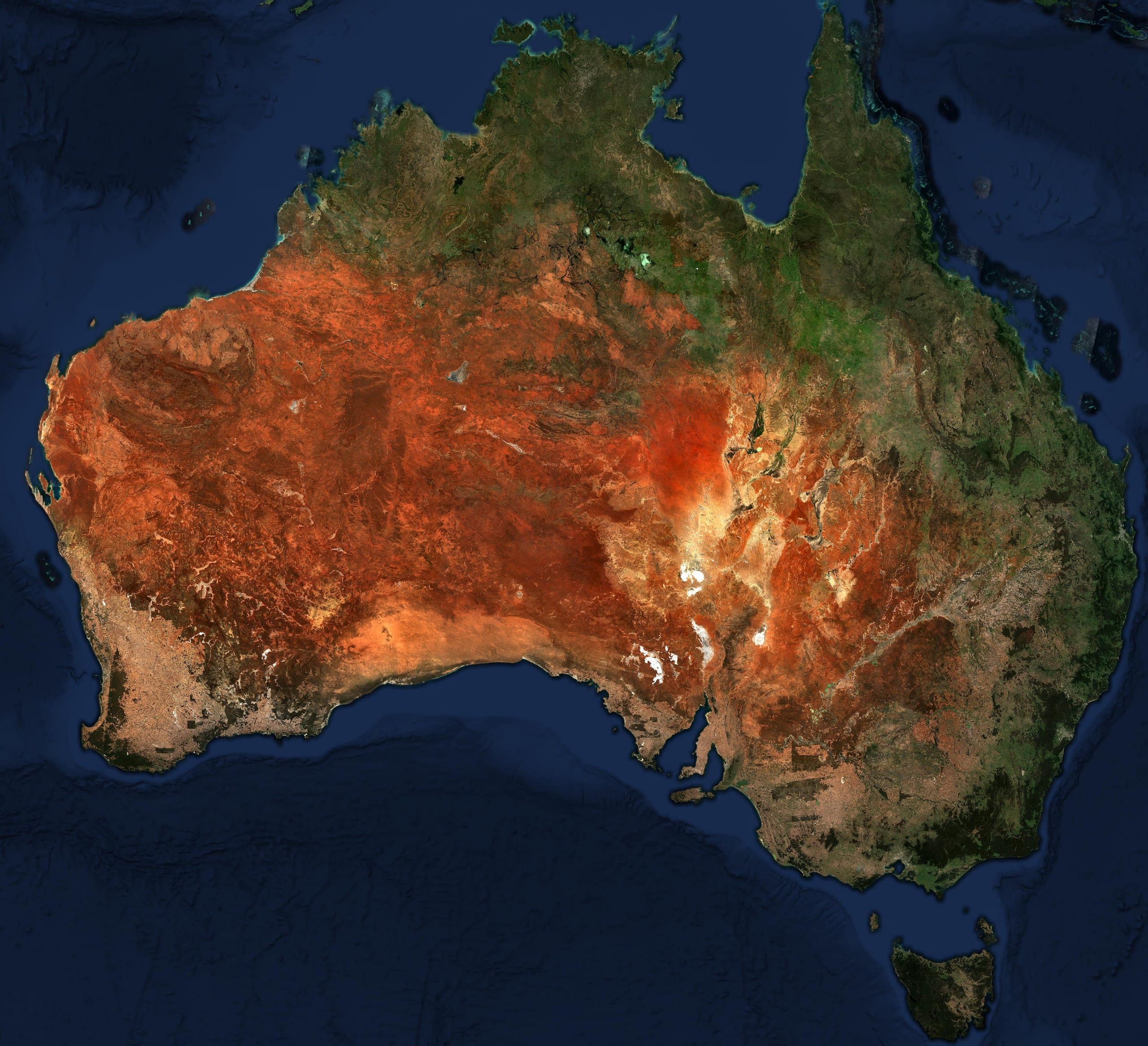
The southern hemisphere's most ambitious wine country. Vines older than living memory in the Barossa, terra rossa Cabernet in Coonawarra, maritime Chardonnay in Margaret River, and Pinot Noir on the Mornington Peninsula that drinks like Burgundy.
64 regions
GIs
Shiraz
Top grape
Since the 1960s
Modern era
32–43° S
Latitude band
150+ years
Oldest vines
~13 M hL
Annual production
The country
Why Australia matters
Australia turned old-vine Shiraz into a global category. The Barossa Valley contains the world's oldest continuously producing Shiraz vineyards, some planted in the 1840s and still in commercial production. Penfolds Grange, first vinified in 1951, became the first New World wine routinely compared to Bordeaux first growths.
But the country is much more than big Shiraz. Coonawarra grows Cabernet on a 20-kilometre cigar of red terra rossa over limestone that drinks like Pauillac. Margaret River makes Cabernet and Chardonnay in a Bordeaux-like maritime climate. The Yarra Valley, Mornington Peninsula and Tasmania grow Pinot Noir and Chardonnay that compete with Burgundy at a fraction of the price.
What ties it together: 200 years of European varieties planted on some of the oldest soils on Earth, by a generation of winemakers who treat tradition as a starting point rather than a rulebook.
What grows here
The signature grapes
The varieties that define Australia. Tap any card to drill into the grape's profile.
The land
Terroir at a glance
Australia's wine country sits between latitudes 32 and 43 degrees south, with vines from sea level to over 1,000 metres. Five distinct climatic homes do the serious work, each shaped by a different combination of ocean, altitude, and ancient geology.
South Australia's powerhouse valleys
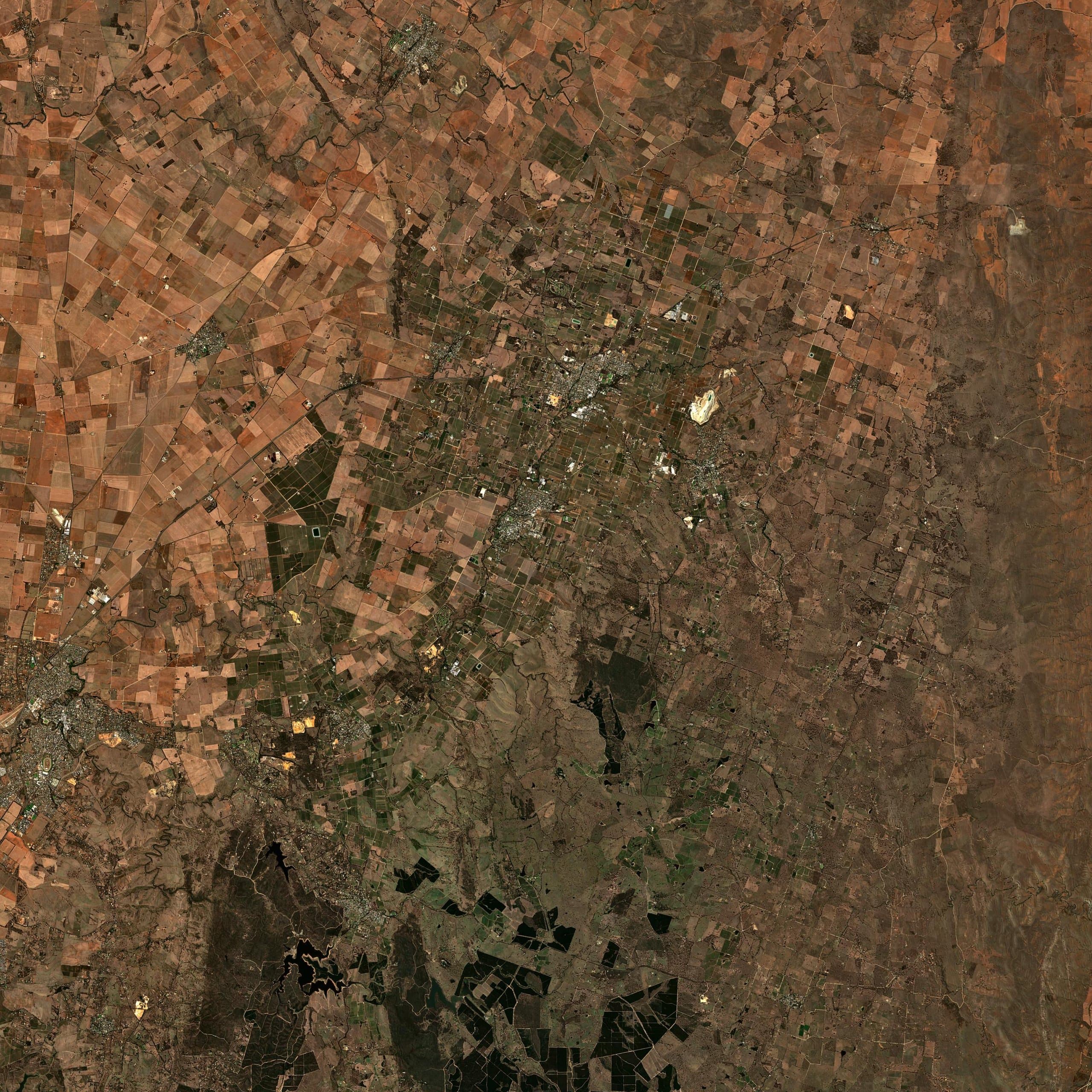
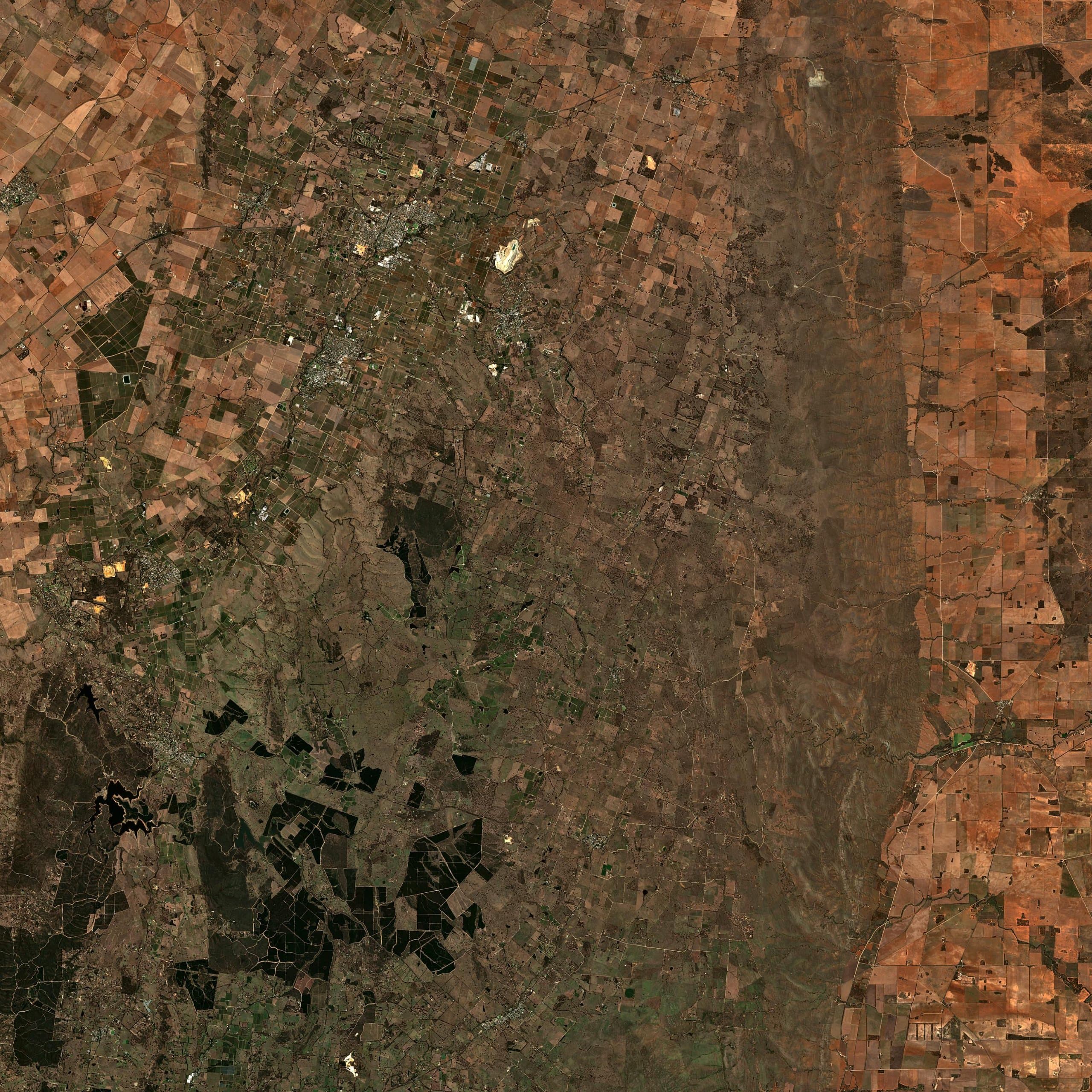
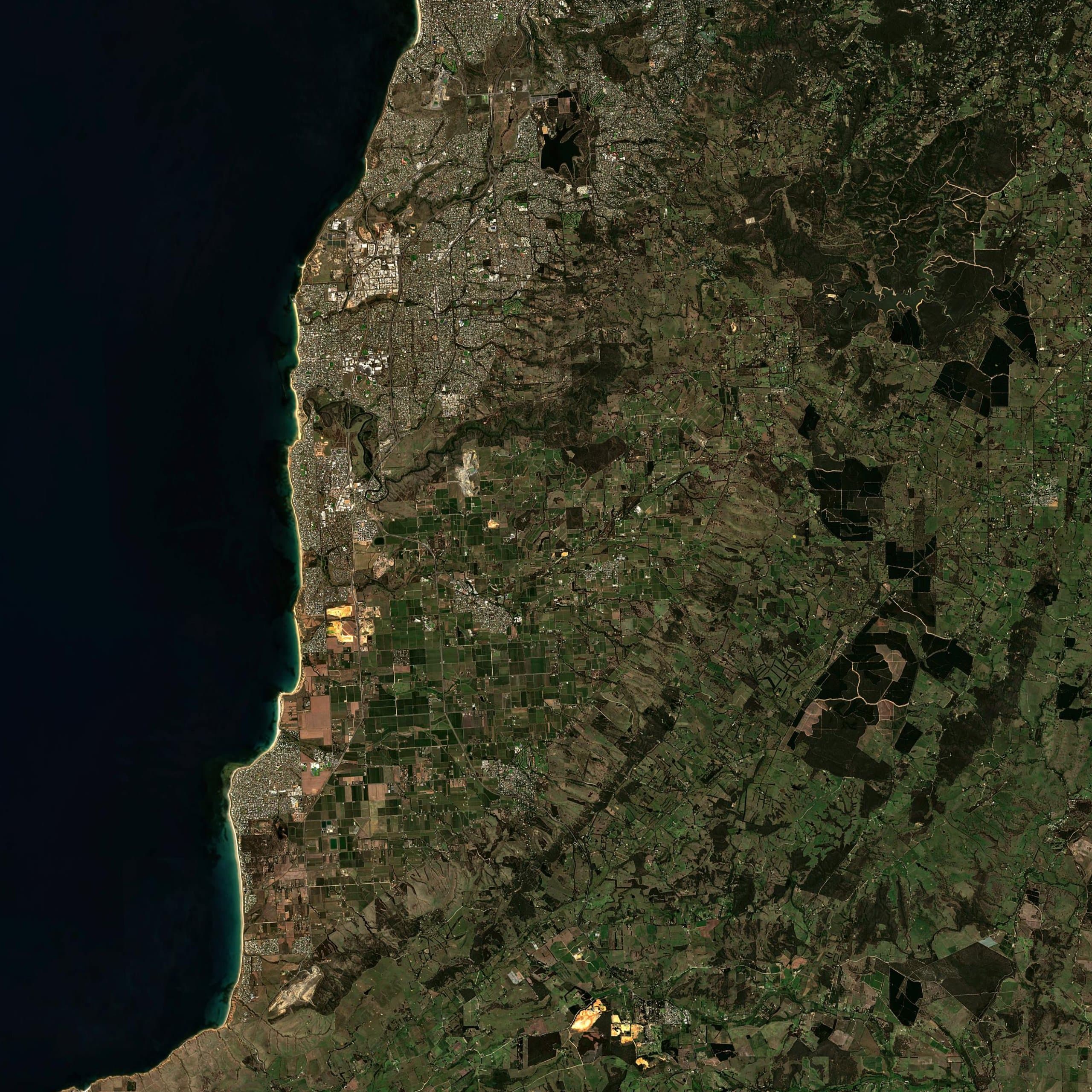
The Barossa, Eden Valley, McLaren Vale, Clare Valley and Coonawarra form a 300-kilometre arc around Adelaide. Warm Mediterranean, low humidity, and some of the oldest vine stock on Earth. Old-vine Shiraz, Grenache, and Riesling lead, with Coonawarra's terra rossa producing Australia's most age-worthy Cabernet.
Western Australia's Indian Ocean coast
Margaret River and Great Southern sit on the south-west tip of the continent, surrounded by ocean on three sides. A maritime climate uncannily similar to Bordeaux. The country's premier Cabernet and Chardonnay region, plus a quiet Riesling tradition in the cool Great Southern.
Victoria's cool-climate spine
The Yarra Valley and Mornington Peninsula sit around Melbourne, both genuinely cool by Australian standards. Pinot Noir, Chardonnay, and an increasingly serious sparkling tradition. The Yarra also produces some of the country's most elegant Cabernet.
The Hunter's subtropical anomaly
The Hunter Valley shouldn't work. Subtropical, humid, summer rain. But Australia's oldest commercial wine region invented its own Semillon and Shiraz styles that exist nowhere else: bone-dry Semillon that ages 20 years, and Shiraz that is medium-weight, earthy, and aromatic rather than blockbuster.
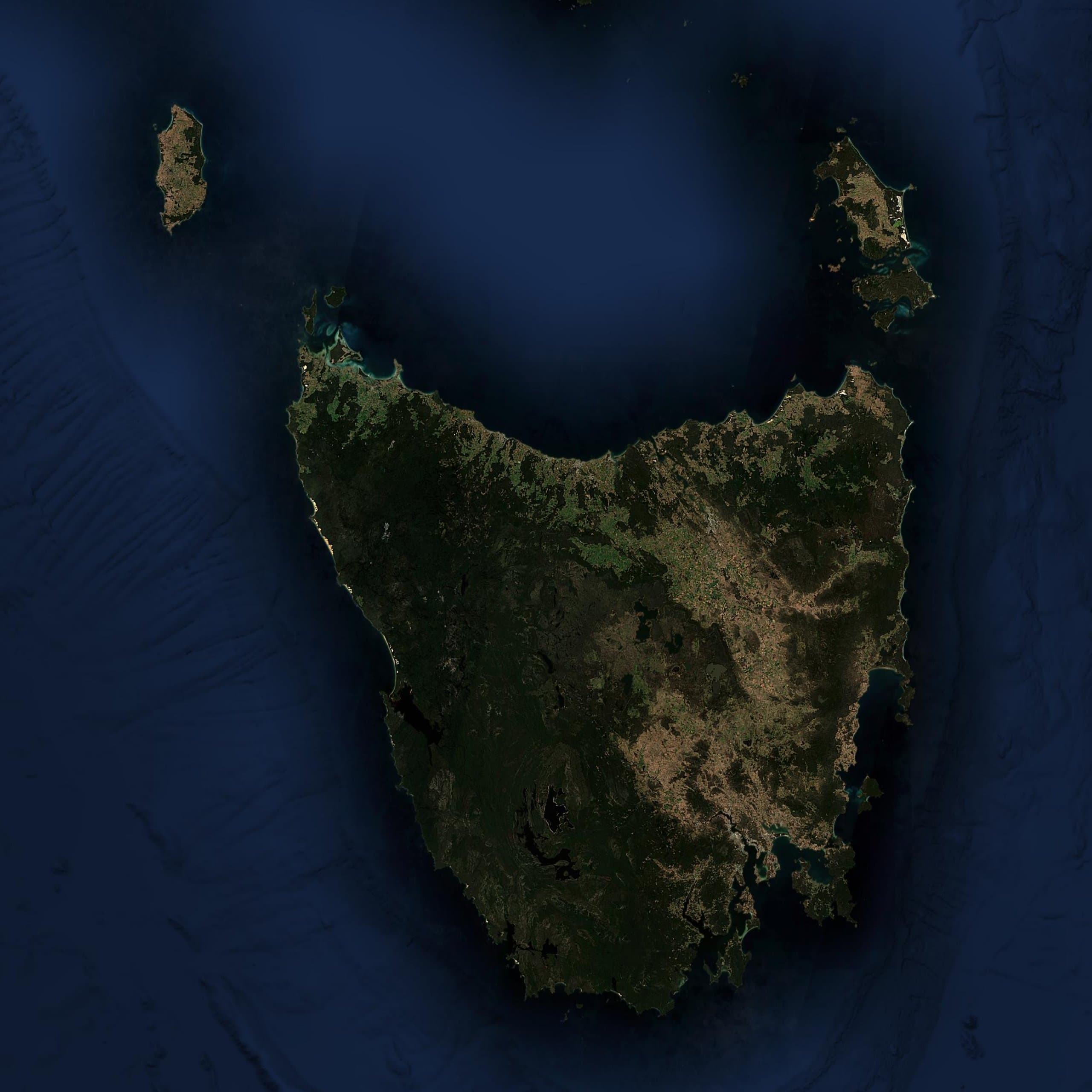
Tasmania's southern frontier
An island state at 41-43 degrees south. Genuinely cool, maritime, with growing degree days closer to Champagne or Mosel than mainland Australia. The country's premier sparkling-base region and the fastest-growing serious Pinot Noir address.
On the map
The regions worth visiting
Only regions with mapped vineyards and full guides are shown. Each tile leads to its appellations and vintages.
Australia wine regions. Select a region to learn more.
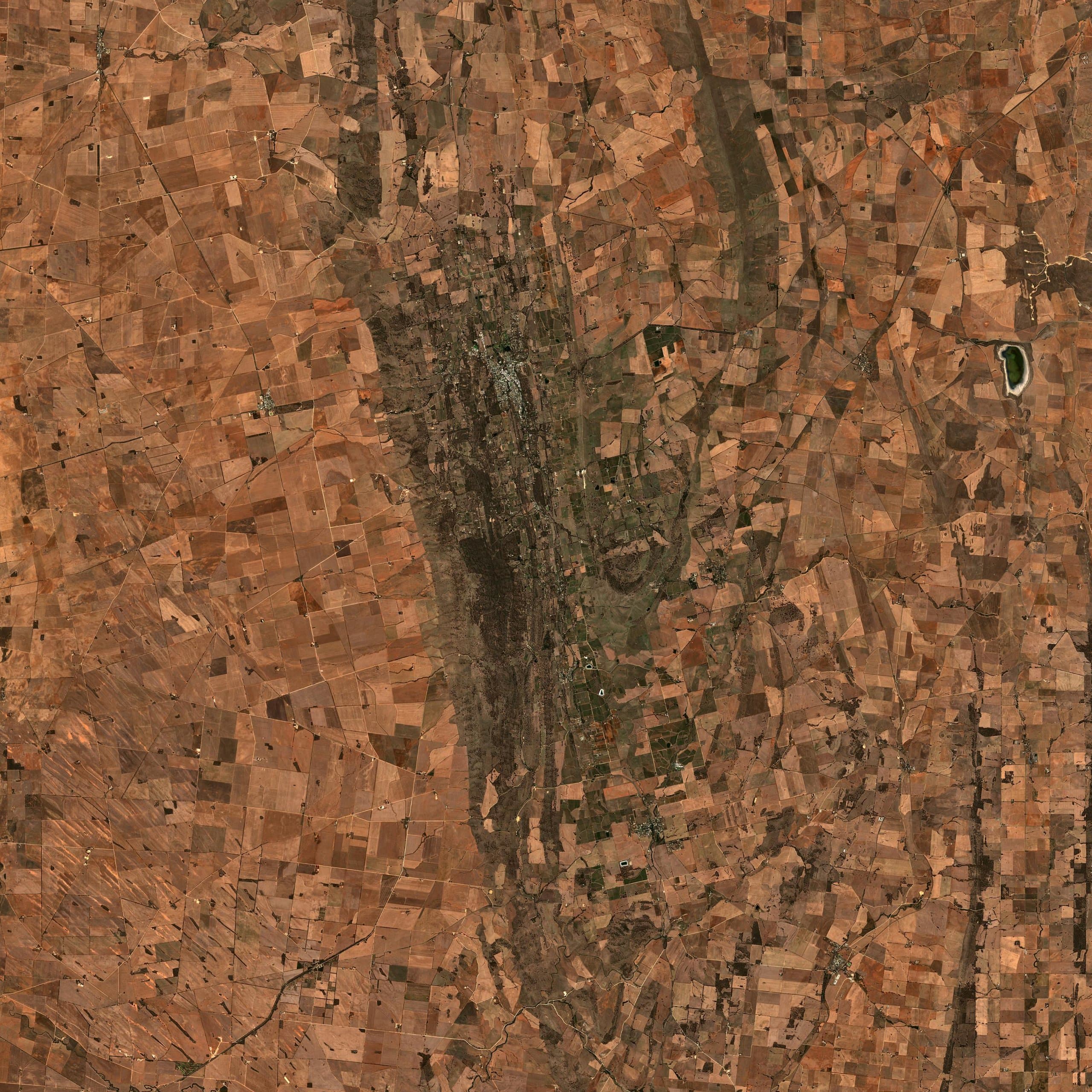
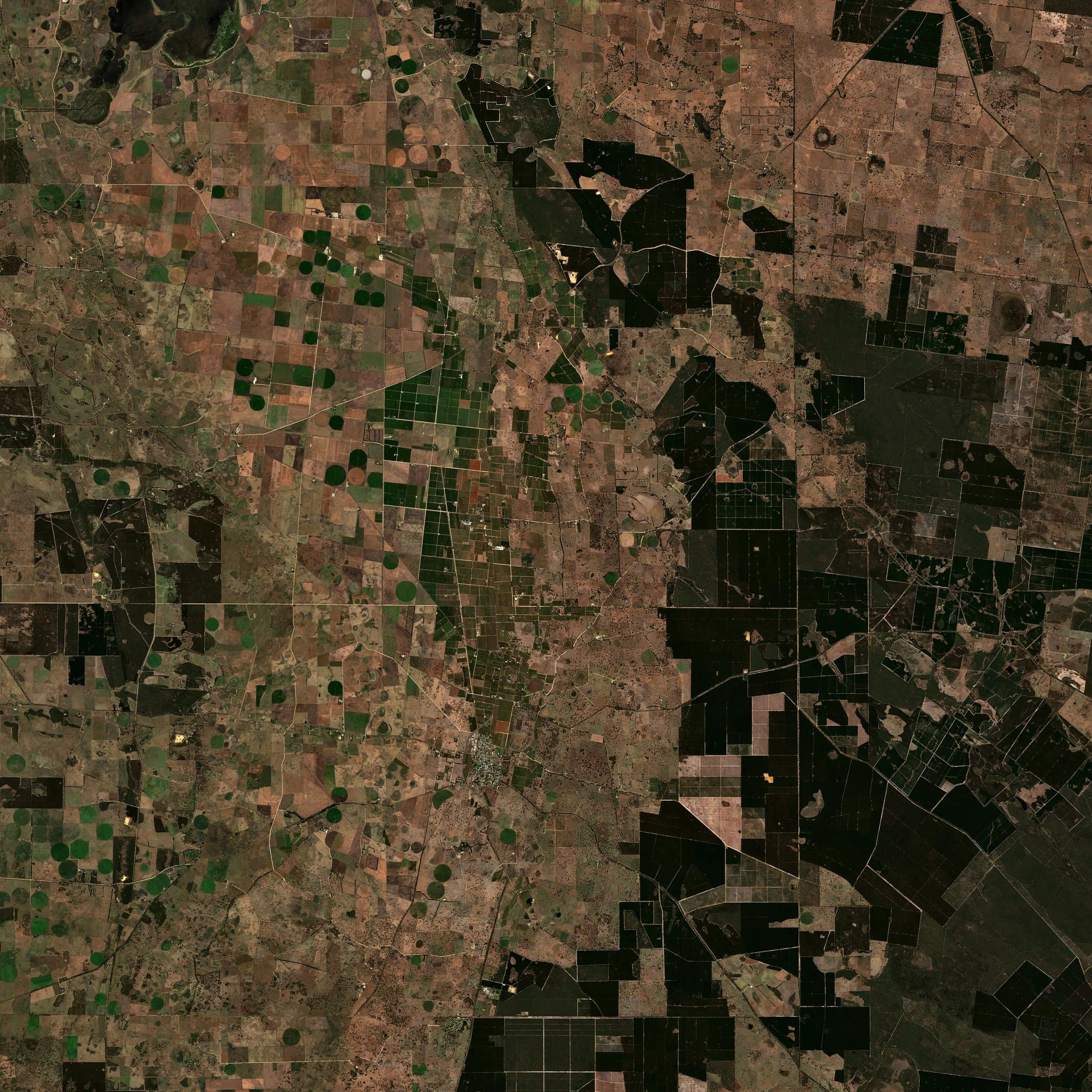
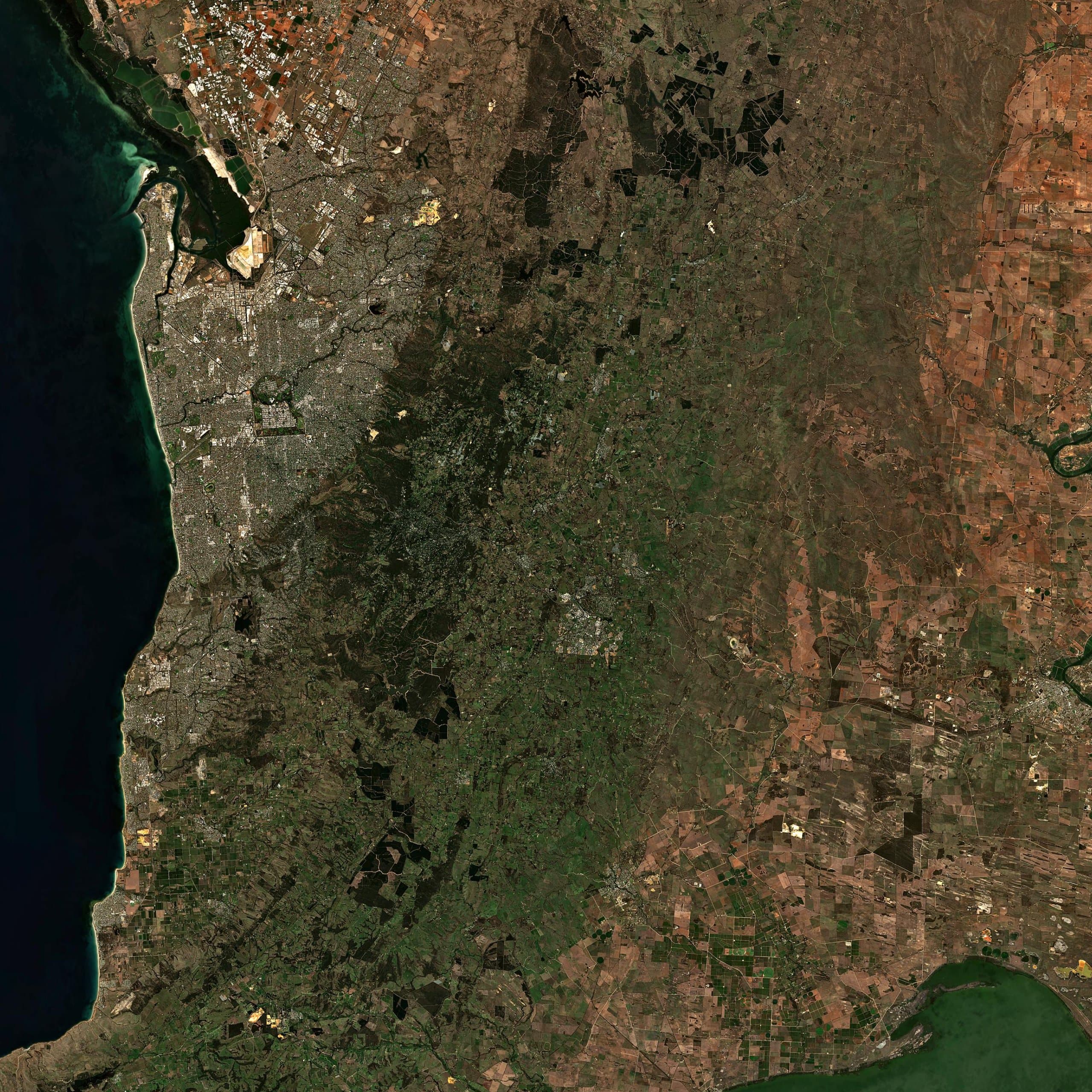
South Australia's powerhouse
The country's wine heartland. Barossa and McLaren Vale Shiraz, Coonawarra Cabernet, Clare and Eden Riesling, Adelaide Hills cool-climate whites.
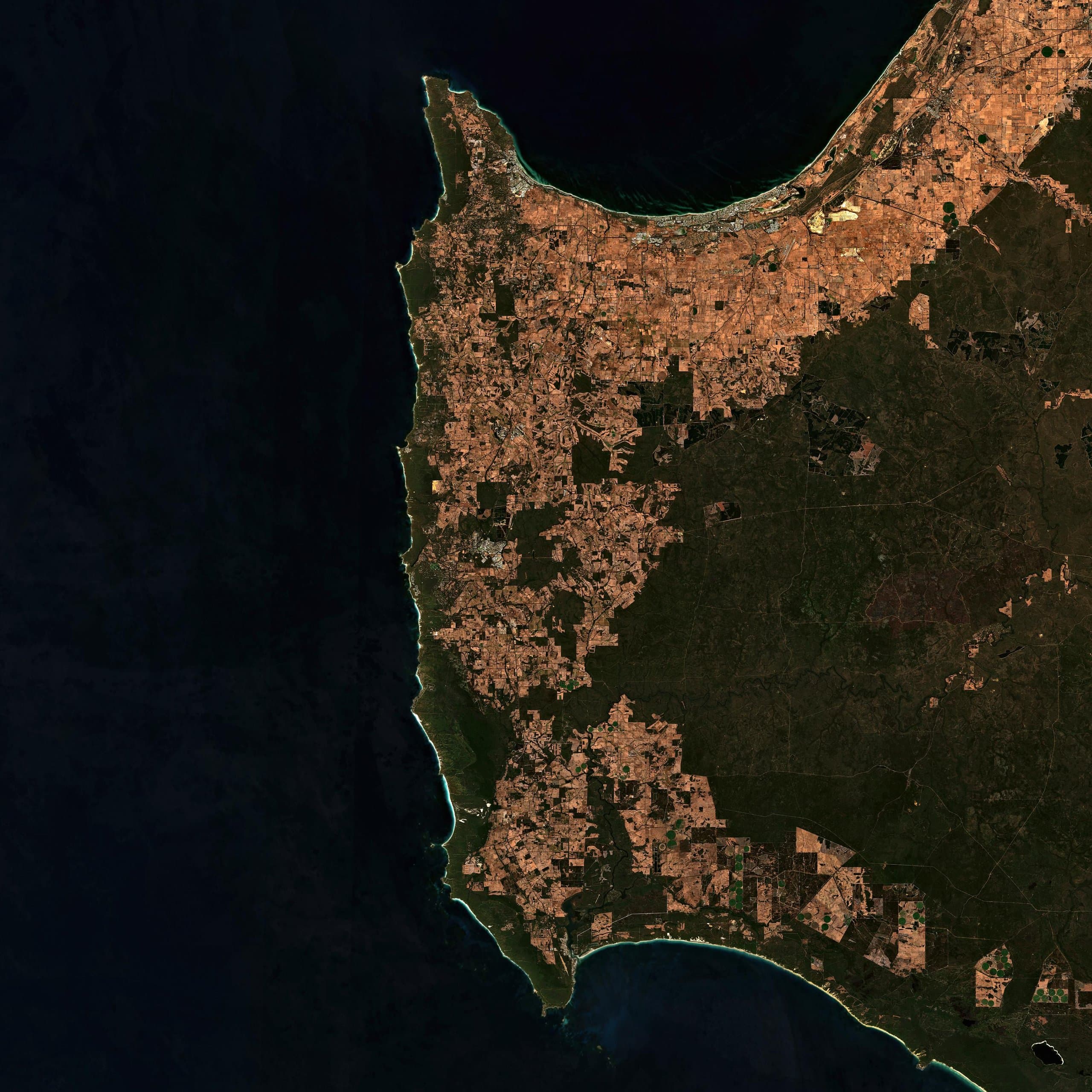
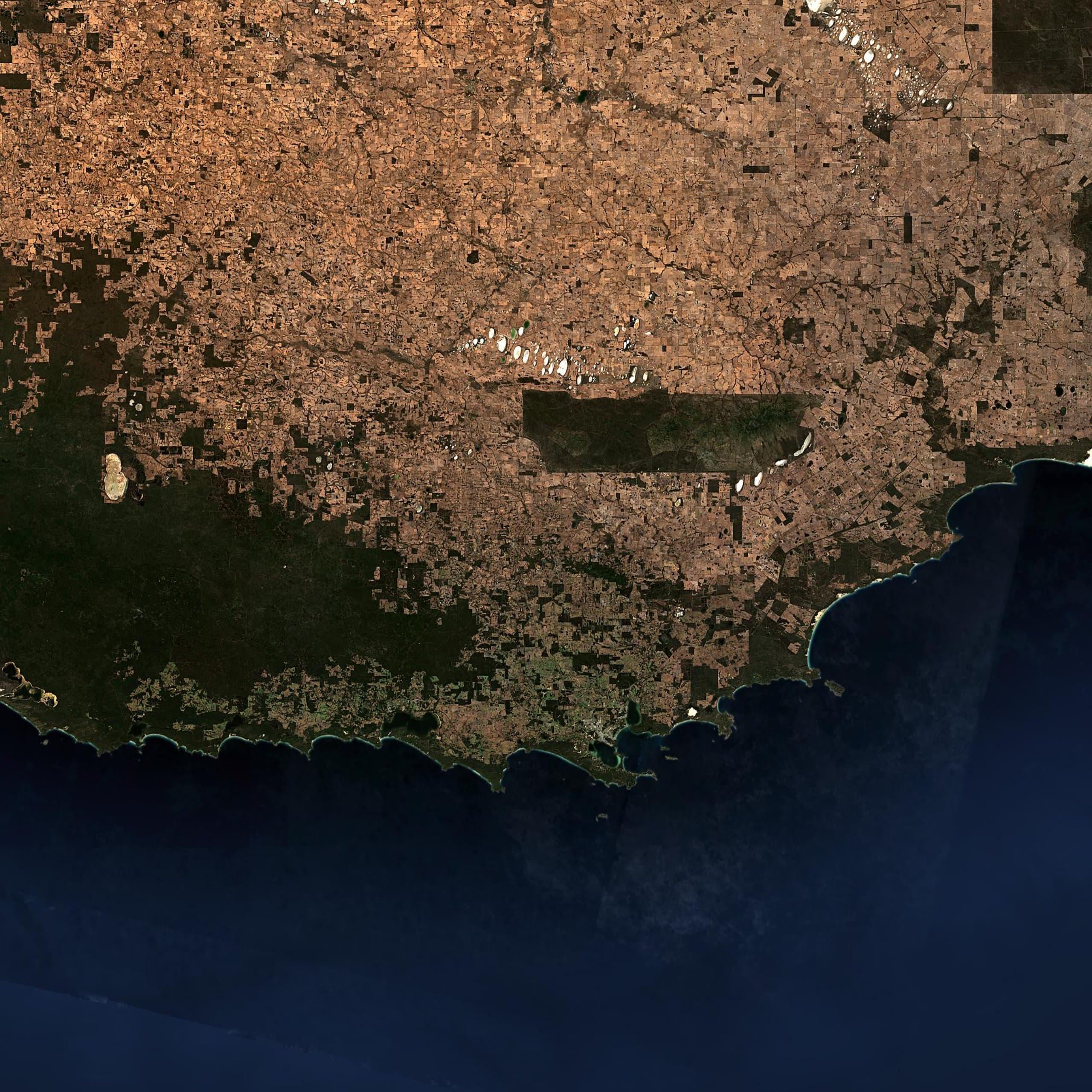
Western Australia's maritime coast
Ocean-cooled vineyards on the south-western tip. Margaret River's Bordeaux-style Cabernet and Chardonnay, Great Southern's Riesling and cool-climate Shiraz.
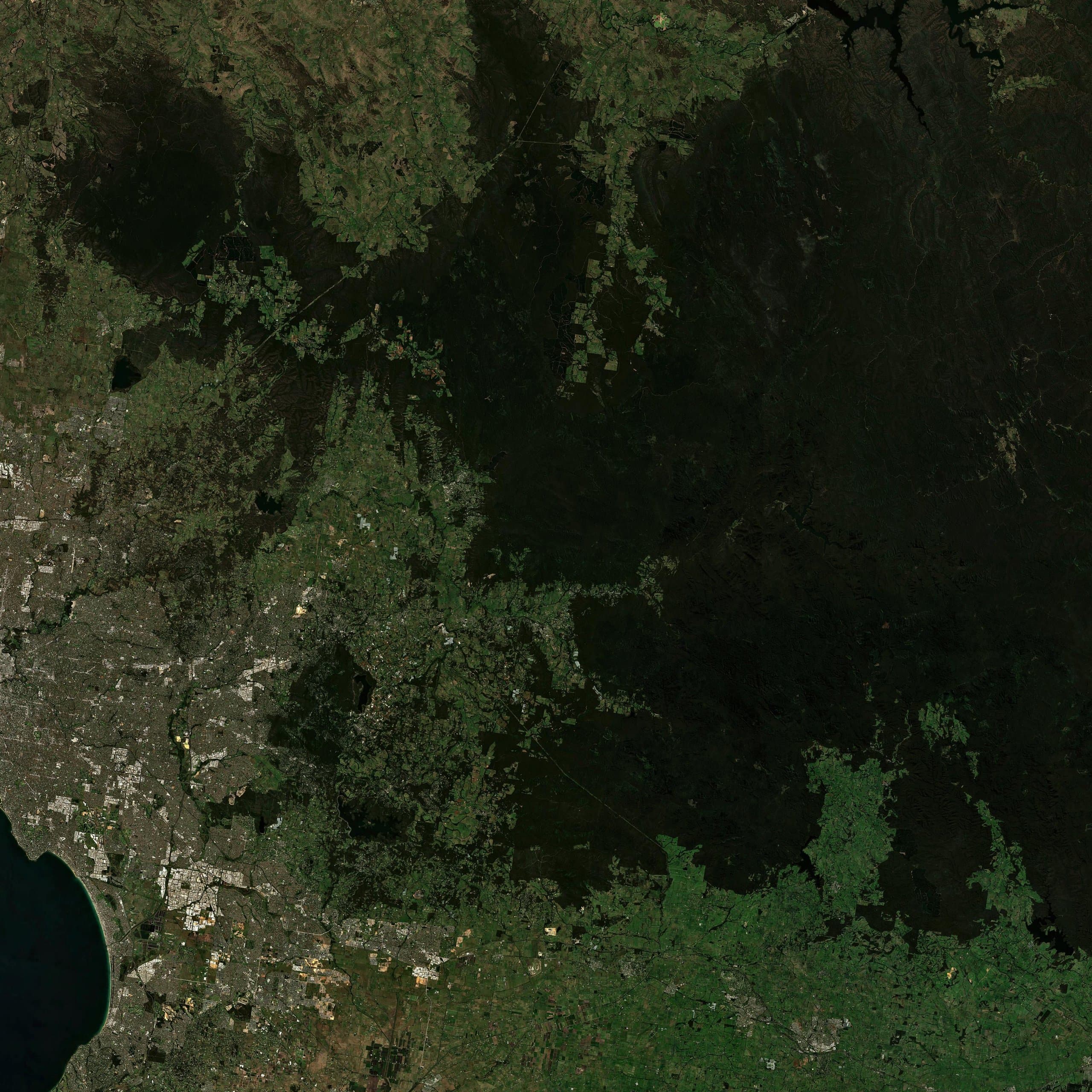
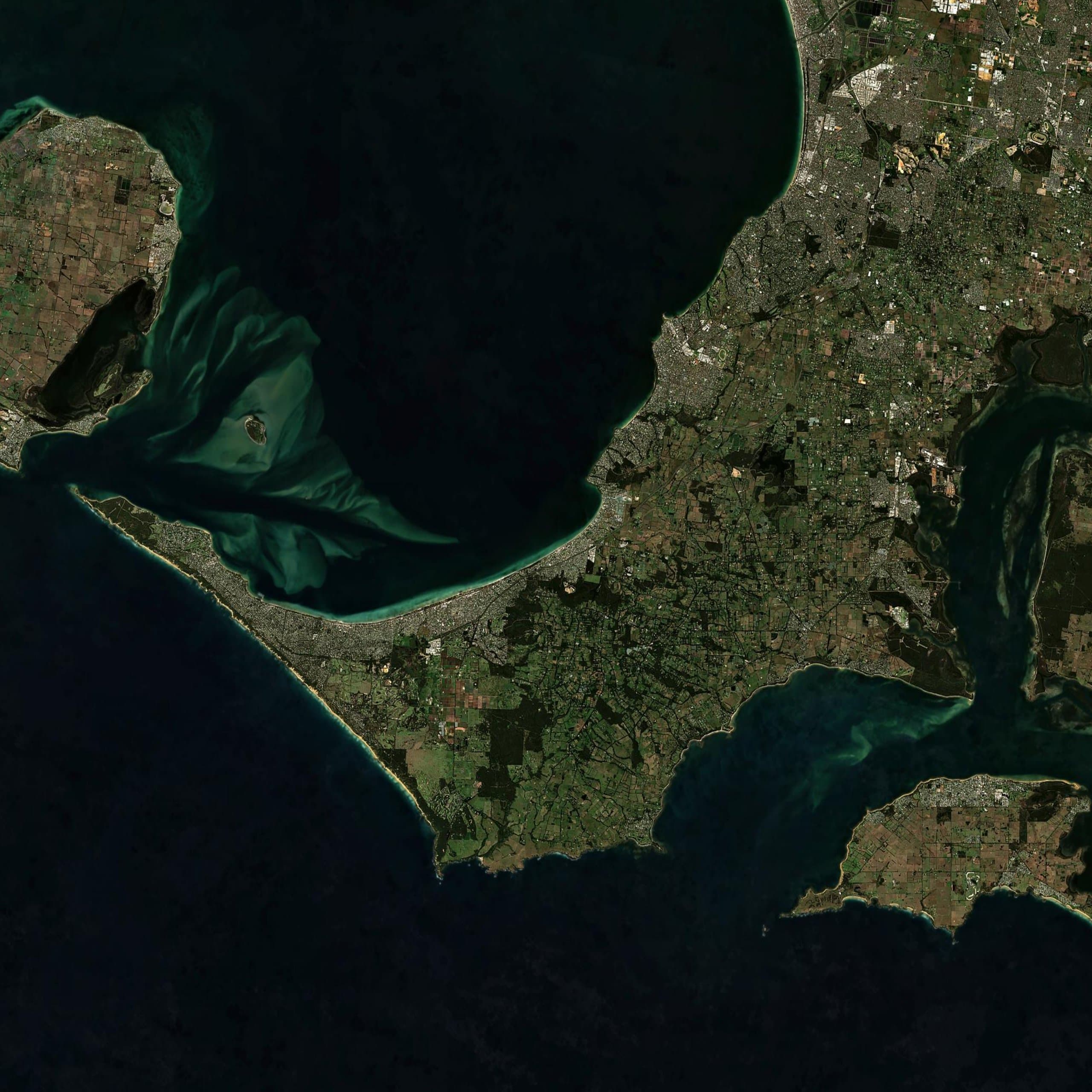
Victoria's cool climate
The Pinot Noir and Chardonnay homes of Australia. Yarra Valley elegance, Mornington Peninsula maritime restraint, and Gippsland's quiet South Gippsland cult around Bass Phillip.
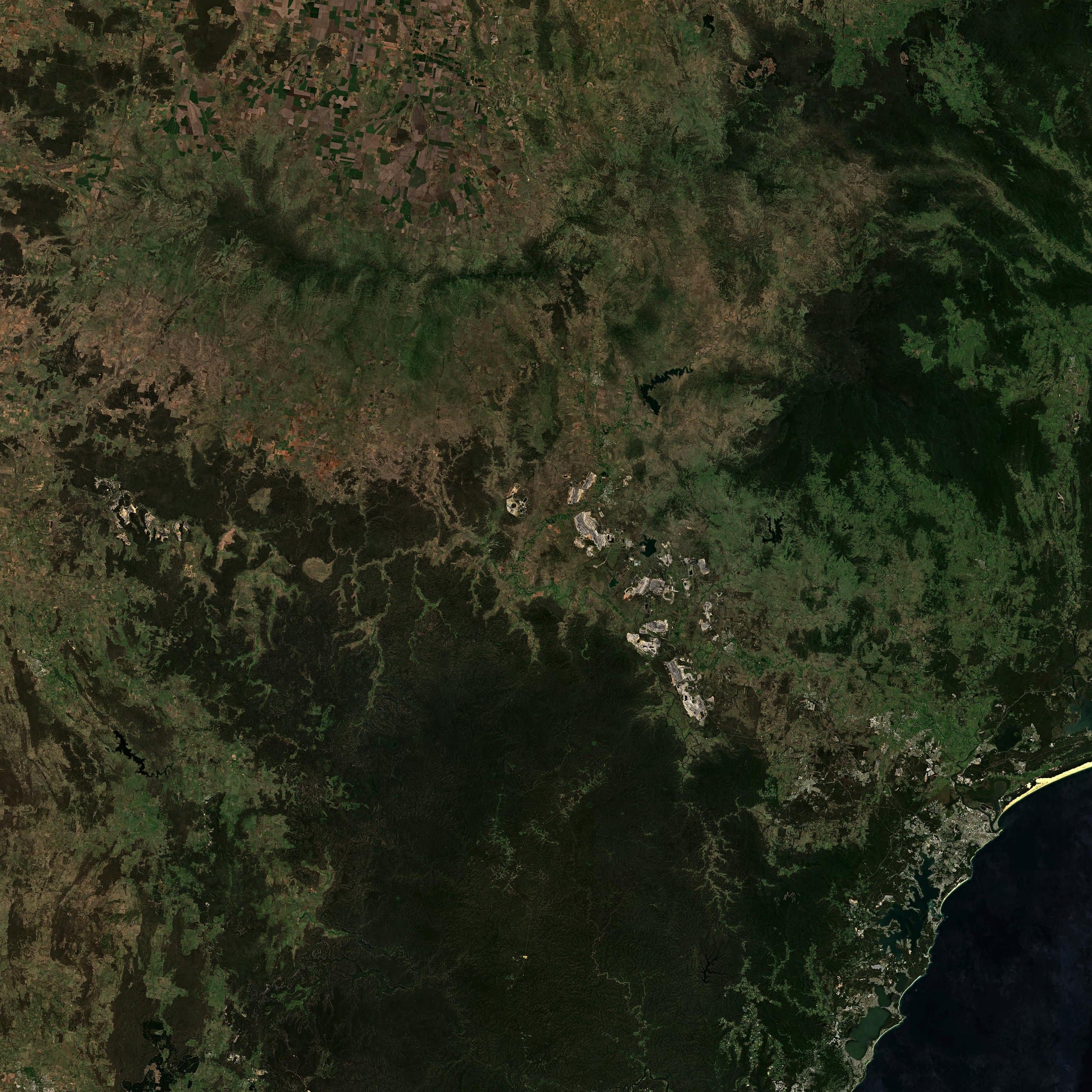
Hunter and Tasmania
The Hunter Valley's idiosyncratic Semillon and Shiraz, and Tasmania's cool-climate Pinot, Chardonnay and sparkling.
The system
How wine is classified in Australia
Australian wine law is closer to the American AVA system than to a French AOC. The GI system marks origin but does not regulate which grapes you grow, how you farm, or how you make wine. The producer carries the responsibility for style.
- 01
Zone, Region and Sub-region
The three levels of Australia's Geographical Indication (GI) system. Zones are large (a whole state can be a zone), regions are defined wine areas, sub-regions are smaller pockets within a region. At least 85% of the grapes on a label must come from inside the named GI.
- 02
Single-vineyard and producer labelling
A vineyard name on the label means at least 95% of the grapes came from that single site. Producers use single-vineyard labelling to mark their best parcels: Henschke's Hill of Grace, Penfolds' Magill Estate, Cullen's Diana Madeline.
- 03
Old Vine, Reserve, and other terms
Words like Reserve and Old Vine are not federally regulated. The Barossa Old Vine Charter (2009) is a regional initiative defining four tiers from 35 years (Old Vine) through 75 years (Centenarian) to 125+ years (Ancestor Vine), but it applies only to the Barossa.
A tasting plan
Where to start
Australia's range is too wide for a single tasting flight, but a handful of bottles reveal its biggest ideas. Start with the everyday-luxe expressions, then climb into the country's most serious wines.
Start here
The most reliable Australian categories. Each delivers a clear regional identity at a sensible price.
Barossa Valley Shiraz
Barossa Valley · Shiraz
Old-vine Shiraz with blackberry, dark chocolate and a long warm finish. The classic Australian red. Try Torbreck Woodcutter's, St Hallett Faith, or Charles Melton.
Margaret River Chardonnay
Margaret River · Chardonnay
Mineral, restrained, often blended with Sauvignon Blanc into the famous SBS style. Cullen, Vasse Felix and Leeuwin Estate are the reference points.
Clare Valley Riesling
Clare Valley · Riesling
Bone-dry, lime-driven Riesling that ages 15-20 years. Different from Mosel: leaner, more citric, less honeyed. Try Grosset Polish Hill or Jim Barry The Florita.
Go deeper
The next tier of Australian wine. Bigger spends, sharper focus, regional identity in higher resolution.
Coonawarra Cabernet Sauvignon
Coonawarra · Cabernet Sauvignon
Cassis, mint, eucalyptus, and graphite on terra rossa. The southern hemisphere's most distinctive Cabernet. Wynns Black Label, Parker First Growth, and Penley Reserve are the benchmarks.
Yarra Valley Pinot Noir
Yarra Valley · Pinot Noir
Cool-climate Pinot from volcanic soils. Yarra Yering, Mac Forbes, and Mount Mary drink at the level of village Burgundy. Often a third of the price.
Hunter Valley Semillon
Hunter Valley · Semillon
Picked early at 10-11% alcohol, unoaked, ages 15-25 years into something honeyed, toasty and beeswax-rich that fools blind tasters into calling it aged Riesling. Tyrrell's Vat 1 is the icon.
For the curious
Australia's most serious wines. Each rewards patience and tells a story no other country can tell.
Eden Valley single-vineyard Shiraz
Eden Valley · Shiraz
Henschke Hill of Grace from a single vineyard planted in the 1860s. Mount Edelstone from vines planted in the 1910s. The Eden Valley produces Australia's most elegant, age-worthy Shiraz, and these are its two icons.
Tasmanian Pinot Noir
Tasmania · Pinot Noir
Cool-maritime Pinot from an island state at 42 degrees south. Tolpuddle Vineyard, Stefano Lubiana and Bay of Fires are pushing Tasmanian Pinot into Côte de Nuits territory at a third of the price.
Tasmania sparkling
Tasmania · Chardonnay
Made by traditional method from Pinot Noir, Chardonnay and Pinot Meunier in a climate close to Champagne. House of Arras EJ Carr and Jansz Late Disgorged are the most-decorated bottles. Often the world's best non-Champagne sparkling on critic charts.
At the table
Wine and food in Australia
Australian wine and food evolved together. Big Barossa Shiraz with grilled lamb shoulder. Coonawarra Cabernet with aged beef. Hunter Semillon with Sydney rock oysters. Margaret River Chardonnay with grilled snapper. Yarra Pinot with roast duck. The pairings are intuitive because the cooking grew up next to the vineyards.
Frequently Asked Questions
Is Australian wine just big Shiraz?▼
What's the difference between a GI and a French AOC?▼
Why are some Australian vines so old?▼
How do Australian Pinot Noirs compare to Burgundy?▼
What's special about Hunter Valley Semillon?▼
Is Australian wine expensive?▼
Keep exploring