
Italy
Emilia-Romagna
Italy wine regions
About Emilia-Romagna
Italy wine regions
Vintages
12 · 2014–2025
Outstanding Emilia-Romagna Vintages
The best recent vintages rated excellent or exceptional.
Red
DOC & DOCG
Classification System
Best known for Lambrusco, Emilia-Romagna also produces serious Sangiovese from the hills of Romagna and increasingly respected whites from Albana.
DOCG
Romagna Albana, Italy’s first white wine DOCG (1987)
DOC
Lambrusco (multiple DOCs), Colli Bolognesi, Romagna Sangiovese
IGT
Emilia IGT, Rubicone IGT
What Emilia-Romagna produces
Red
Sangiovese leads in Romagna's hills, from juicy everyday bottles to structured Superiore wines carrying village names like Predappio and Bertinoro. Gutturnio adds a Barbera-led blend in the Piacenza valleys.
White
Albana, Italy's first white DOCG, turns golden and honeyed around Bertinoro, while crisp Pignoletto and Trebbiano keep Bologna's tables refreshed.
Rosé
Pale, fragrant Lambrusco rosato, at its finest from Sorbara fruit: rose petal, cranberry, and a bone-dry finish.
Sparkling
Lambrusco in every shade, from feather-light Sorbara to inky, tannic Grasparossa, nearly always frizzante and made for salumi.
Regional appellations
Lambrusco
Sparkling red produced across much of the Emilia side of the region. Ranges from sweet and fruity to dry and complex.
Grapes of Emilia-Romagna
Climate
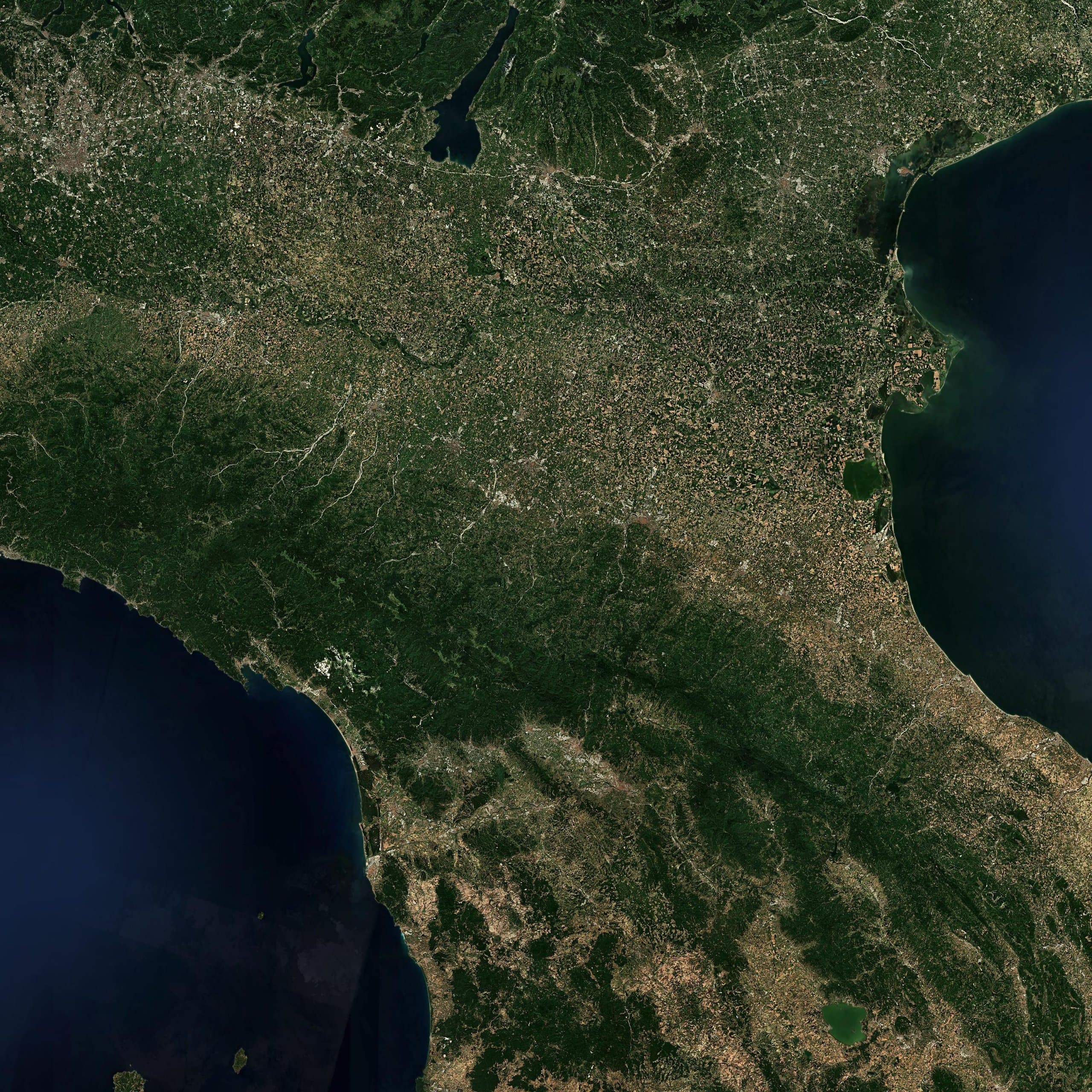
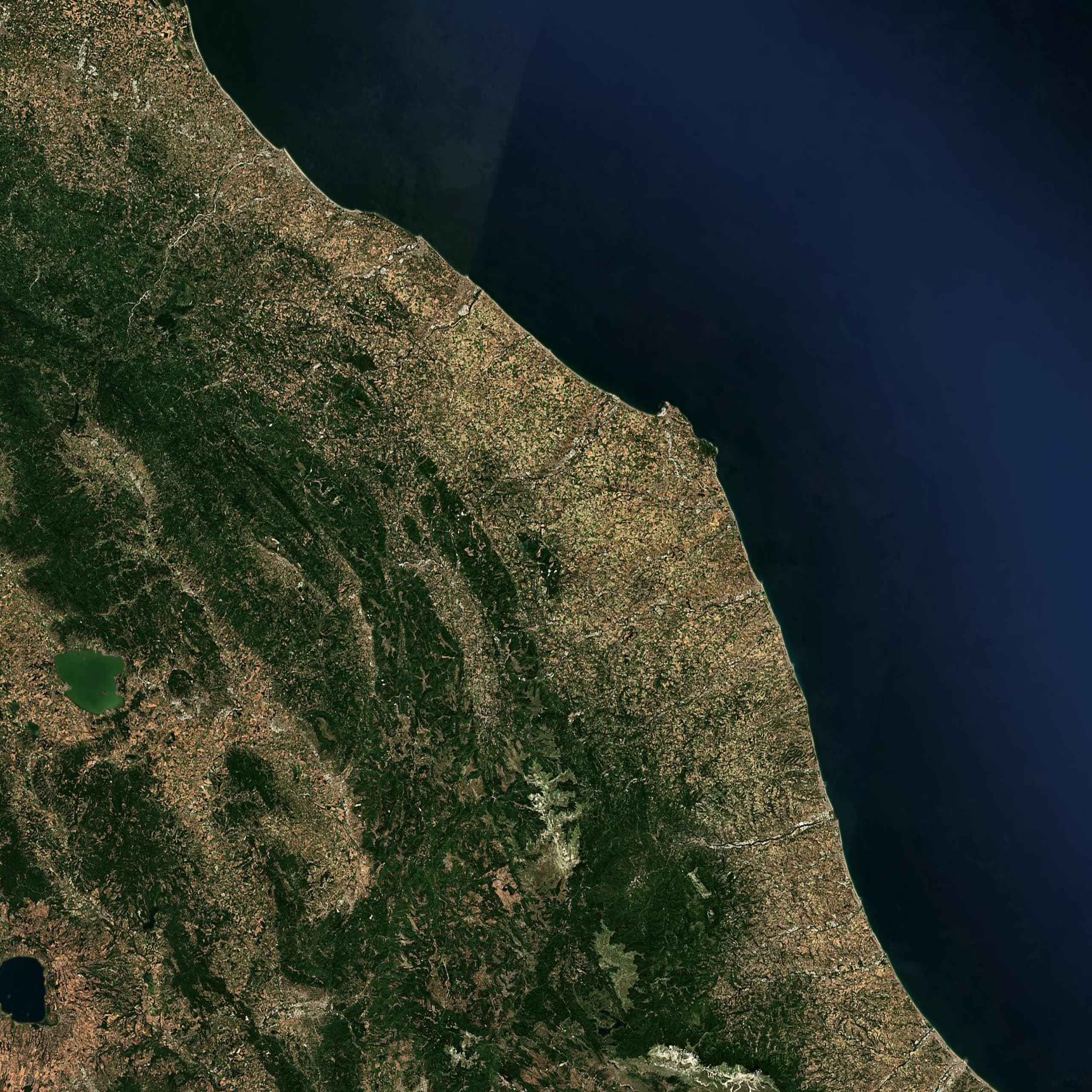
Continental climate with hot, humid summers and cold winters, moderated by the Po River valley and Adriatic Sea influence, creating ideal conditions for both fresh, fizzy wines and structured reds
Terroir
Diverse landscape from Po River plains with alluvial soils perfect for Lambrusco, to rolling Apennine foothills with clay-limestone soils ideal for Sangiovese, plus coastal areas with sandy soils near the Adriatic
Typical Aromas
More in Italy
Frequently Asked Questions
What makes Emilia-Romagna wine special?▼
What are the best Emilia-Romagna vintages?▼
What grapes are grown in Emilia-Romagna?▼
What food pairs well with Emilia-Romagna wines?▼
How does Emilia-Romagna compare to other major wine regions?▼
Map data: DOC zones from ISTAT comune boundaries (openpolis/geojson-italy, CC BY 4.0)