CorkCork

Península de Setúbal

Portugal

About Península de Setúbal

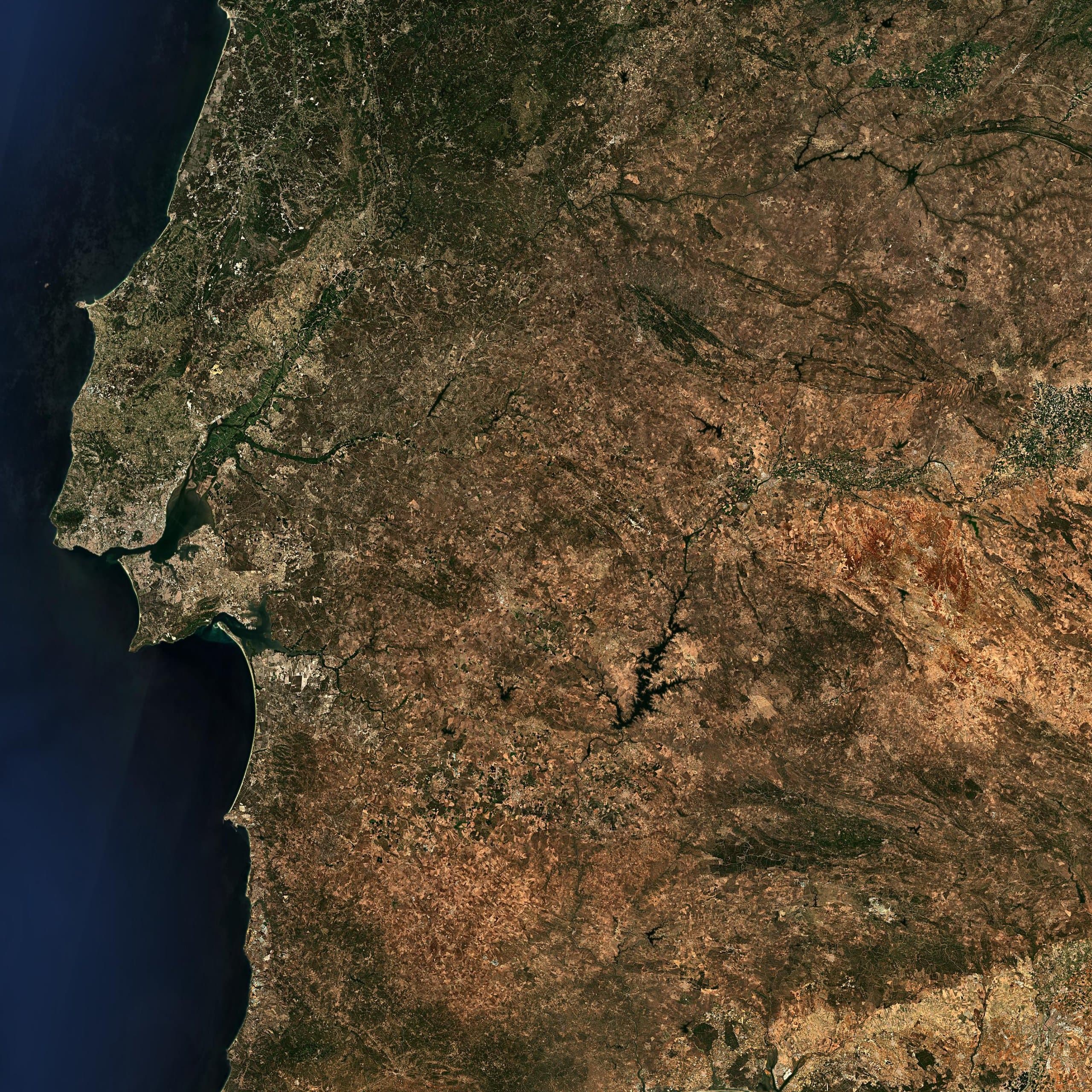
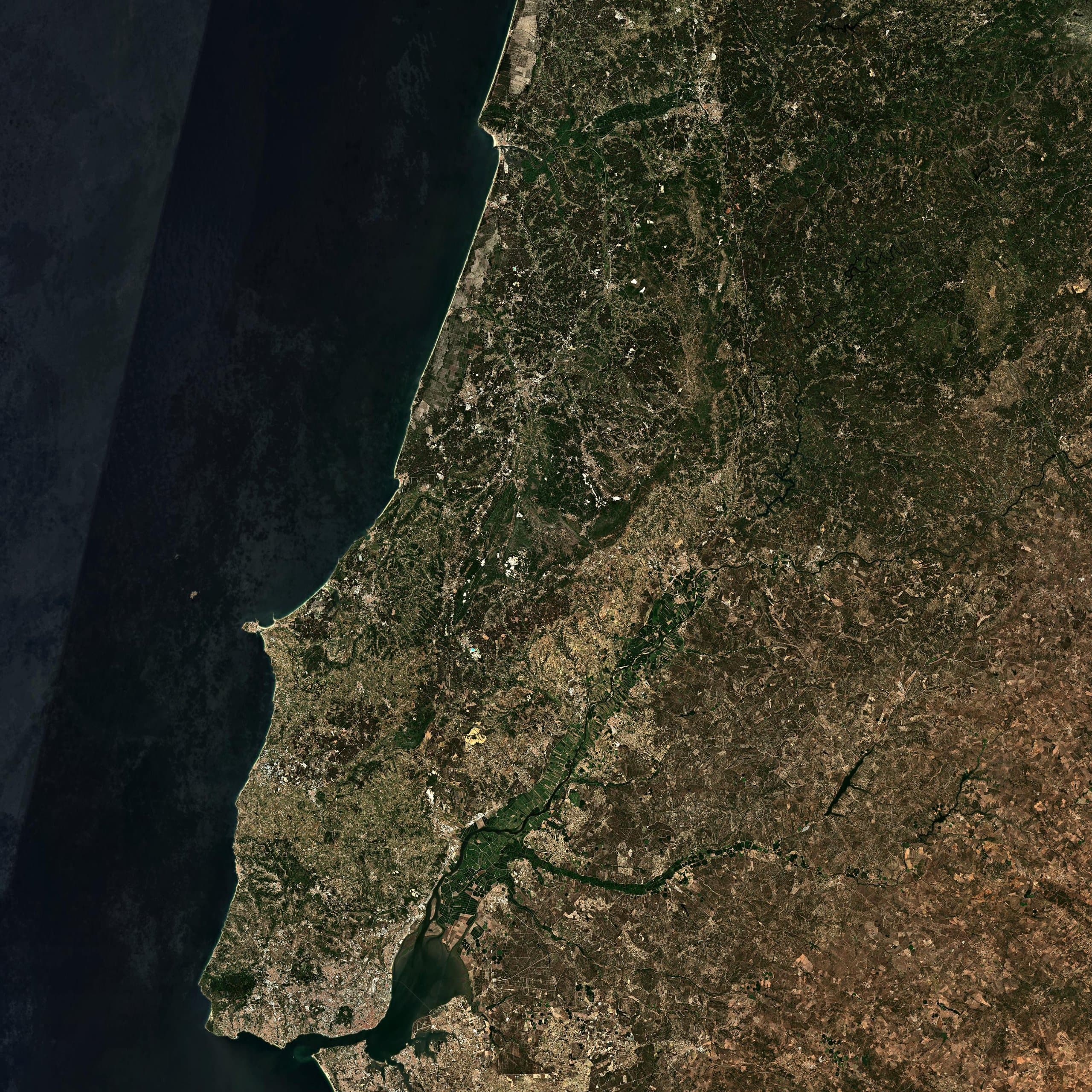
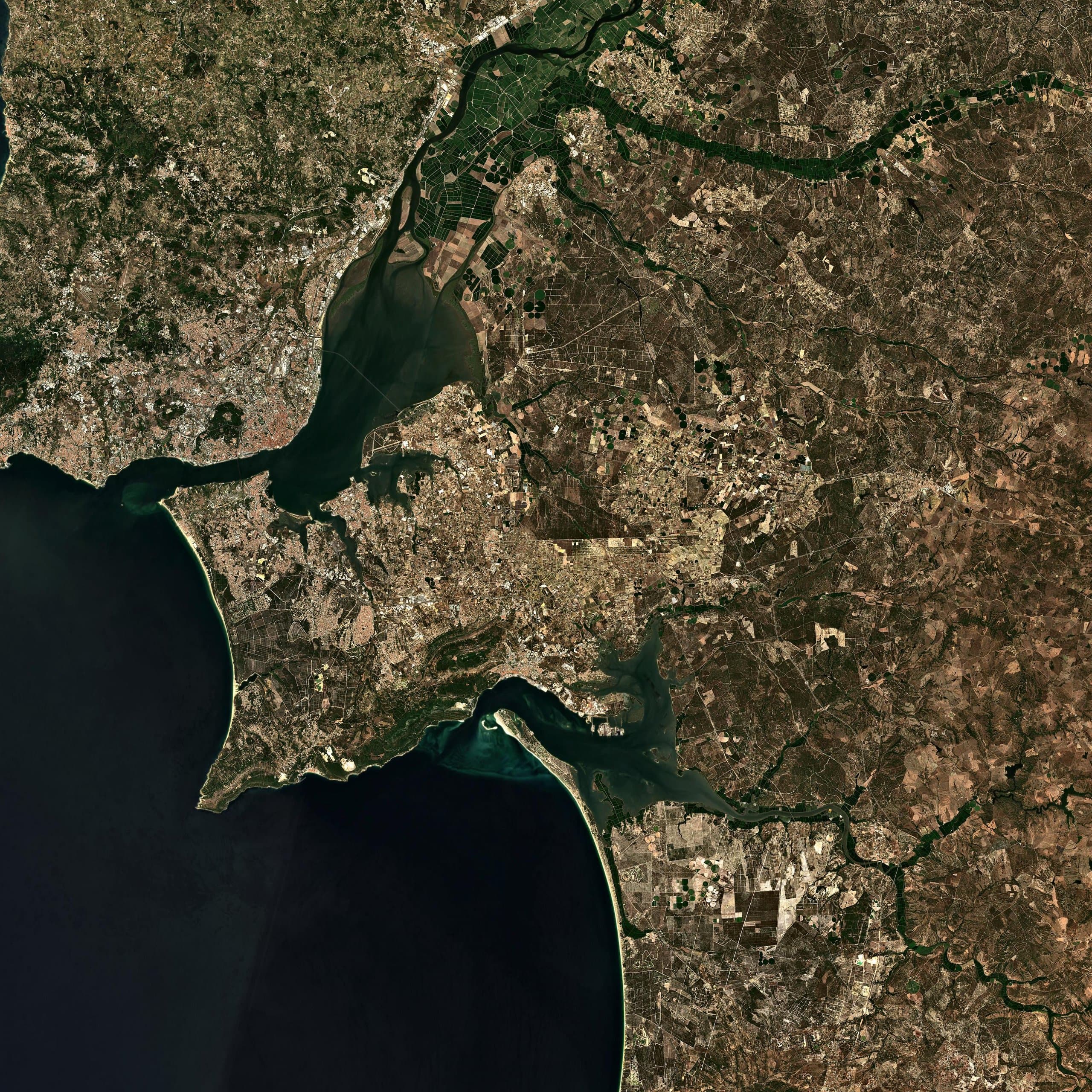
Just south of Lisbon, the Península de Setúbal is famous for its fortified Moscatel de Setúbal, one of Portugal's great sweet wines. But there is much more here than Moscatel. The Palmela sub-region produces excellent Castelão-based reds from sandy soils, while the limestone hills of the Arrábida natural park create a unique microclimate for both red and white varieties. The region benefits from both Atlantic and river influences, with the Sado estuary moderating temperatures. Producers like José Maria da Fonseca and Bacalhôa have long established the region's reputation.

Vintage Ratings

Rating:
5
4
3
2
1
PeakReadyHold
Year20242023202120192017201520142011
Red

Cork tracks drinking windows for every Península de Setúbal vintage in your cellar. Sign up

Outstanding Península de Setúbal Vintages

The best recent vintages rated excellent or exceptional.

Red

2024

Ready
Excellent

Structured, aromatic with very fine tannins and fresh berry intensity. Notable purity and balance.

2026Peak 202720312033

2023

At peak
Excellent

Elegant, well-balanced. Castelão producing bright cherry and plum with mineral freshness.

2025Peak 202620302032

2021

At peak
Excellent

September rains avoided this peninsula. Rich, spicy, robust Castelão reds with structure and value.

2023Peak 202420282029

2019

At peak
Excellent

Cooler, fresher vintage highlighting Castelão's elegant side. Purity, red fruit, restrained alcohol.

2021Peak 202220262028

2017

At peak
Excellent

Drought year produced concentrated, powerful reds. Castelão's natural freshness balanced the ripeness.

2019Peak 202120272029

2015

Drink now
Excellent

Balanced vintage with good color, ripe tannins, and fresh acidity. Cool nights preserved aromatics.

2017Peak 201820242026

2011

Drink now
Exceptional

Landmark vintage. Deeply expressive, concentrated reds with remarkable elegance and aging potential.

2014Peak 201620252029

Sub-regiões

Loading map...

Terroir & Character

Climate

MediterraneanAtlantic influencemildestuary-moderated

Mediterranean with strong Atlantic influence from both the ocean and the Sado estuary. Mild winters (frost is rare), warm but not extreme summers (30-35°C). The Arrábida hills create a rain shadow on their southern slope. Annual rainfall around 500-600mm, with the moderating maritime influence extending the growing season.

Terroir

limestone hillssandy plainsclay inlandungrafted vines

Three distinct zones: limestone and clay in the Arrábida hills (producing the most structured wines), deep sandy soils in the Palmela plains (ideal for Castelão and Moscatel), and heavier clay soils inland. The sandy soils never suffered from phylloxera, and some very old ungrafted vines remain.

Typical Aromas

cherryplumorange peelhoneyMediterranean herbsfloral
Explore the aroma wheel

Grapes of Península de Setúbal

Map data: IVV (Instituto da Vinha e do Vinho)