CorkCork
Ribera del Duero

Ribera del Duero

Spain

Ribera del DueroRibera del Duero

Spain wine regions

About Ribera del Duero

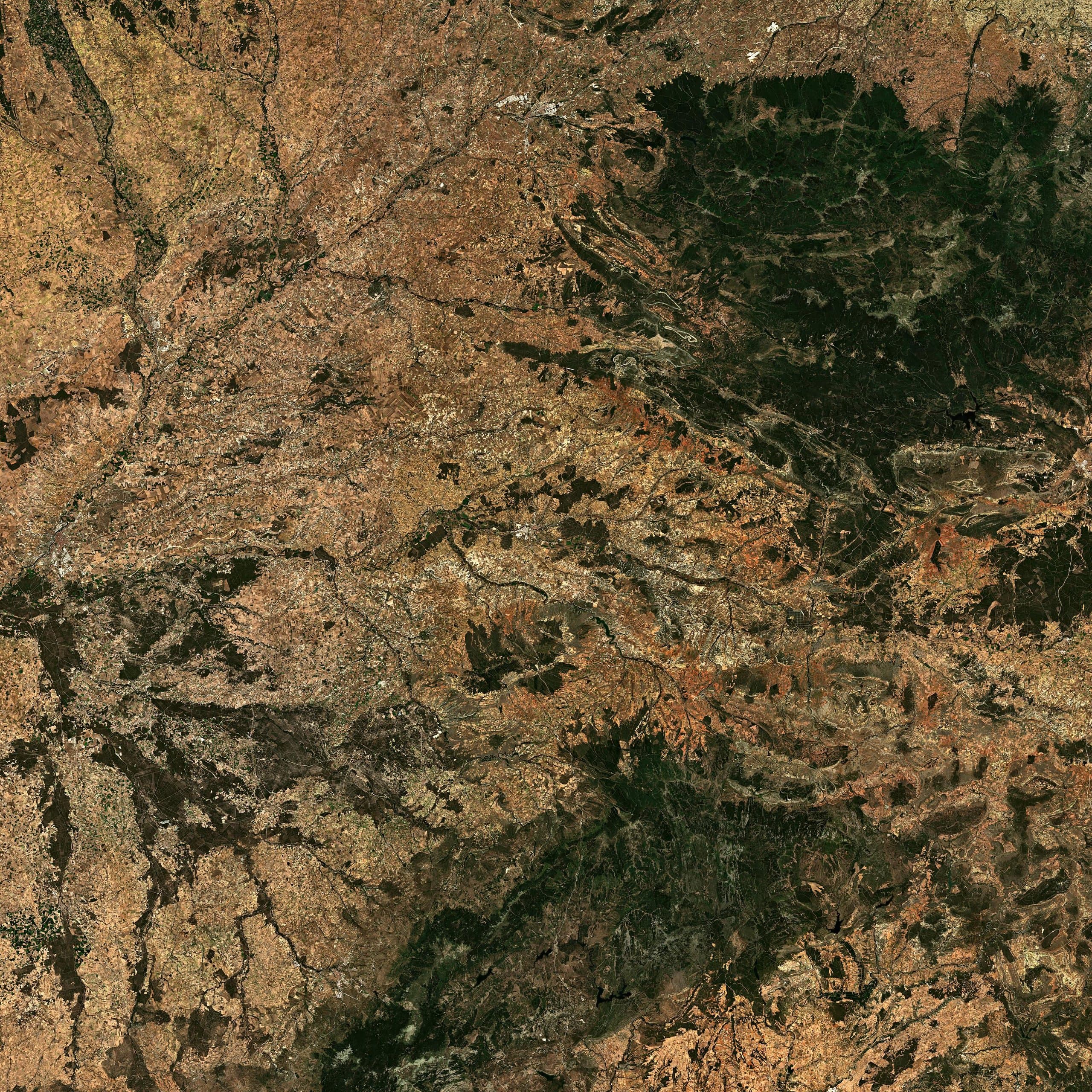
Situated on a high plateau along the Duero river at 700-1,000 meters altitude, Ribera del Duero produces some of Spain's most celebrated reds. The extreme continental climate, with freezing winters, scorching summers, and dramatic day-night temperature swings, gives Tempranillo (called Tinto Fino locally) remarkable concentration and structure. The chalky, limestone soils add minerality and finesse. Styles range from fresh, fruit-forward young wines to deeply complex reservas and gran reservas that can age for decades. Vega Sicilia, Pingus, and Pesquera helped put the region on the world map, but a new generation of producers is exploring cooler sites and earlier picking for more elegant expressions.

7181372 m

Elevation range

82 Communes

Avg. slope 4.8°

Vintage Ratings

Rating:
95+
90-94
85-89
80-84
<80
PeakReadyHold
Year202420232022202120202019201820172016201520142013201220112010200920082007200620052004200320022001200019991998199719961995
Red

Outstanding Ribera del Duero Vintages

The best recent vintages rated excellent or exceptional.

Red

2023

Hold
93Excellent

Drought stress, concentrated but uneven.

2028Peak 203120372040

2021

Almost ready
93Excellent

Classic vintage, fresh and balanced.

2027Peak 203120392043

2020

Hold
97Exceptional

Outstanding, power with elegance.

2029Peak 203020442055

2019

Ready
92Excellent

Very good, slightly warm character.

2025Peak 202920382042

2018

Ready
91Excellent

Excellent, benchmark vintage.

2024Peak 202820422046

2016

At peak
93Excellent

Structured, needs time.

2026Peak 202620362052

2015

At peak
93Excellent

Rich, approachable now.

2021Peak 202520342038

2014

At peak
93Excellent

Balanced, classic.

2020Peak 202420322036

2012

At peak
92Excellent

Very good, traditional.

2023Peak 202220302050

2011

At peak
92Excellent

Correct, maturing.

2017Peak 202120272030

2010

At peak
96Exceptional

Exceptional, still developing.

2022Peak 202020342052

2009

At peak
95Exceptional

Ripe wines with moderate structure and fresh acidity. Elegant and approachable.

2015Peak 201820302035

2008

At peak
91Excellent

Balanced, polished wines with bright fruit and fresh acidity. A classic, medium-weight vintage.

2014Peak 201720262030

2005

At peak
96Exceptional

Assertive wines with chewy tannins and great depth. One of the decade's finest.

2011Peak 201620352040

2004

At peak
97Exceptional

Powerful yet balanced wines with deep, pure fruit. Outstanding vintage, benchmark quality.

2016Peak 201520352046

2001

At peak
96Exceptional

Powerful wines with ripe fruit, great balance, and excellent aging potential. A landmark vintage.

2007Peak 201220322038

2000

Drink now
92Excellent

Balanced, elegant, and complex. Drinking well now but top wines still have life.

2006Peak 201020252030

1996

Past window
92Excellent

Very good vintage with firm structure. The best Gran Reservas still showing well.

2002Peak 200820202025

1995

At peak
96Exceptional

Exceptional. Small crop with tremendous weight and structure.

2001Peak 200820282035
Curious about Ribera del Duero? Save it to your Discoveries and tick it off when you taste your first wine.

Denominación de Origen

Loading map...

Regional Appellations

Ribera del Duero Blanco

A new white category, authorised in 2019, made from Albillo Mayor. Still tiny in volume but producing floral, textured whites with real character.

Clarete

Traditional light red from co-fermented Tempranillo and Albillo Mayor, historically the everyday wine of the Duero villages. Being revived by a new wave of producers.

Terroir & Character

Climate

continentalcold winterslarge diurnal range

Harsh continental climate with scorching hot days, frigid nights, and minimal rainfall. Long, cold winters and short growing seasons concentrate flavors intensely, while dramatic daily temperature swings preserve the natural acidity that gives these wines their backbone and aging potential.

Terroir

diverse soilsiron-rich soilssandclaylimestone

A patchwork of limestone, clay, and sandy soils over a limestone bedrock, with some iron-rich deposits. The Duero River moderates the extreme climate slightly, while the high-altitude plateau's poor, well-draining soils force vines to struggle, producing small berries packed with concentrated flavors and robust tannins.

Typical Aromas

blackcurrantplumleathercedarvanilladark chocolate
Explore the aroma wheel

Classification System

Spanish Quality Hierarchy

Spain's wine-quality pyramid, administered under the EU Protected Designation of Origin (DOP) framework. The two top legal tiers — DOCa and DOQ — have only been awarded to two regions in the country. Every wine DO in Spain sits somewhere on this ladder.

DOCa / DOQ

Denominación de Origen Calificada (Castilian) / Denominació d'Origen Qualificada (Catalan). Spain's highest wine classification — awarded only to Rioja (1991) and Priorat (2009)

DO

Denominación de Origen — the main quality tier. Most Spanish wine regions (Bierzo, Rueda, Ribera del Duero, Rías Baixas, etc.) are DOs

Vinos de Pago (VP)

Single-estate designation for exceptional individual vineyards, outside the regional DO system. Currently around 20 properties nationwide (Dominio de Valdepusa, Pago de Otazu, etc.)

VC / Vino de Calidad

Vino de Calidad con Indicación Geográfica — a stepping-stone tier below DO, used by emerging regions building a track record toward full DO status

VT / Vino de la Tierra

Protected Geographical Indication (IGP) — a broader regional tier. Equivalent to France's IGP / Italy's IGT

Vino (without GI)

Basic table wine without a geographic designation

Aging Classification

Like Rioja, Ribera del Duero classifies wines by aging, though styles tend to be bolder and more concentrated.

Gran Reserva

Minimum 5 years aging, 2 in oak

Reserva

Minimum 3 years aging, 1 in oak

Crianza

Minimum 2 years aging, 1 in oak

Roble / Joven

Young wine with brief oak contact

Notable Producers

Vega SiciliaSpain's most prestigious estate, Unico
Dominio de PingusCult Tempranillo, Peter Sisseck
PesqueraAlejandro Fernandez, Ribera benchmark
AaltoMariano Garcia, old-vine Tempranillo
Emilio MoroRich Tempranillo, Malleolus range

Grapes of Ribera del Duero

Frequently Asked Questions

What makes Ribera del Duero wine special?
It's all about the extreme continental climate and high altitude - we're talking 700-1,000 meters up on a plateau along the Duero river. Those freezing winters, scorching summers, and dramatic day-night temperature swings create incredible concentration in the Tempranillo grapes. The result is some of Spain's most powerful yet elegant reds with amazing aging potential.
What are the best Ribera del Duero vintages?
2020 and 2018 are absolutely outstanding - both scored perfect 5/5 ratings. 2020 combines power with elegance beautifully, while 2018 is considered a benchmark vintage. 2022, 2021, and 2019 are all very good at 4/5, with 2021 being particularly classic and fresh.
What grapes are grown in Ribera del Duero?
Tempranillo is the star here, though locally they call it Tinto Fino. There's also some Albillo, which is a white grape that adds a touch of freshness when blended with the reds. Tempranillo really thrives in this high-altitude climate and produces the region's signature powerful, structured wines.
Is 2022 a good year for Ribera del Duero?
Yes, 2022 is very good with a 4/5 rating. Despite being a warm year, the wines show excellent balance, which is impressive given the challenging conditions. It may not be at the level of the outstanding 2020 or 2018, but it's definitely a solid vintage worth seeking out.
When should I drink Ribera del Duero 2022?
You can enjoy 2022 Ribera del Duero now through about 2030-2032, depending on the producer and style. The basic wines are drinking beautifully already, while the more structured Reserva and Gran Reserva bottlings will benefit from another 2-3 years of cellaring. The warm vintage character makes them quite approachable young.
What food pairs well with Ribera del Duero wines?
These powerful reds are perfect with grilled lamb, aged Manchego cheese, and traditional Spanish dishes like cochinillo (roast suckling pig). The wine's structure and tannins also make it excellent with hearty stews, barbecued meats, and game. Think rich, savory foods that can stand up to the wine's intensity.
How does Ribera del Duero compare to other major wine regions?
Ribera del Duero produces more powerful, structured wines than most other Spanish regions - think of it as Spain's answer to Barolo or Napa Cabernet. Compared to nearby Rioja, Ribera wines tend to be darker, more concentrated, and less influenced by American oak. The extreme continental climate here creates more dramatic wines than you'd find in most Mediterranean wine regions.

Map data: MAPA (Ministerio de Agricultura, Pesca y Alimentación)