CorkCork
Alsace

Alsace

France

ColmarStrasbourg

Alsace appellations

About Alsace

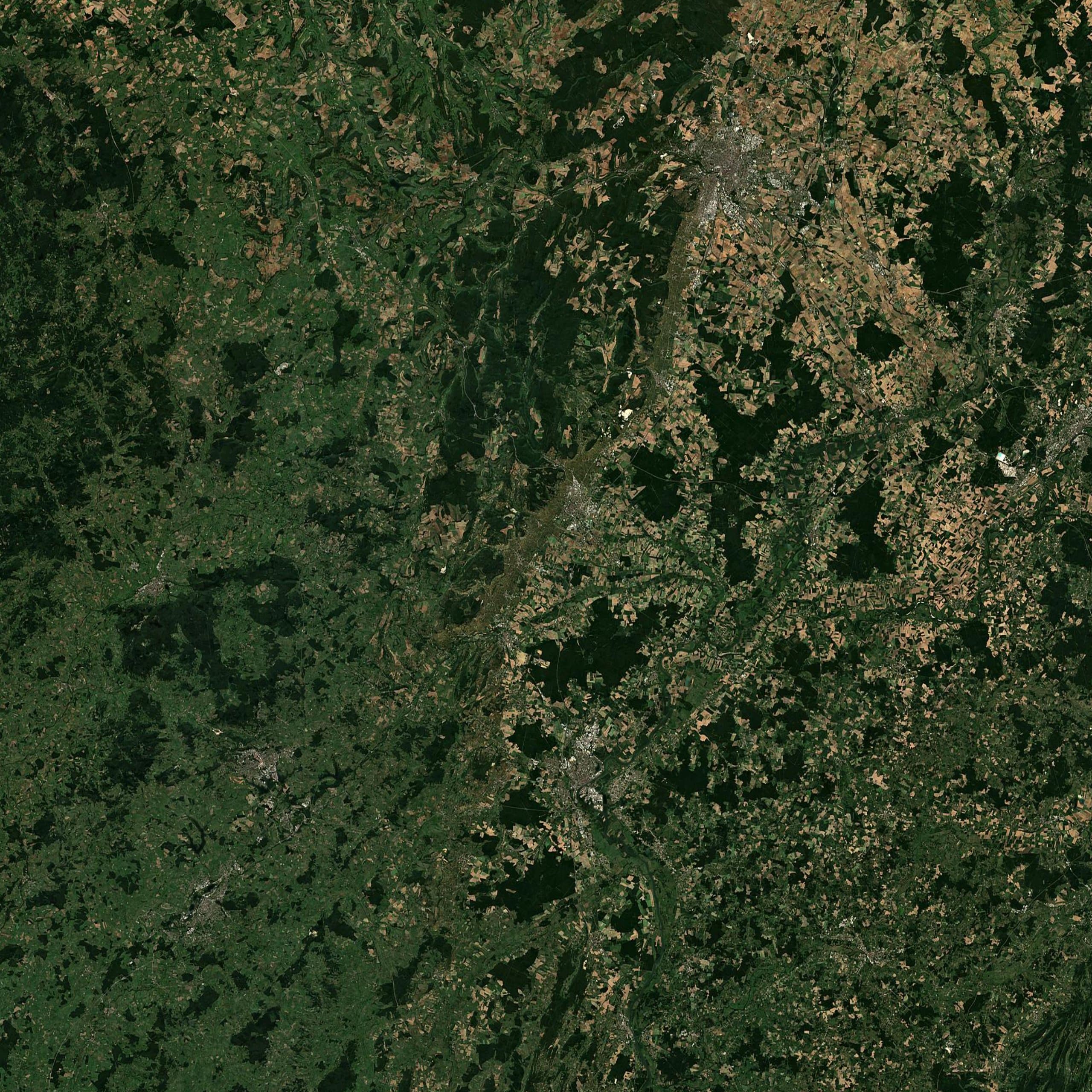
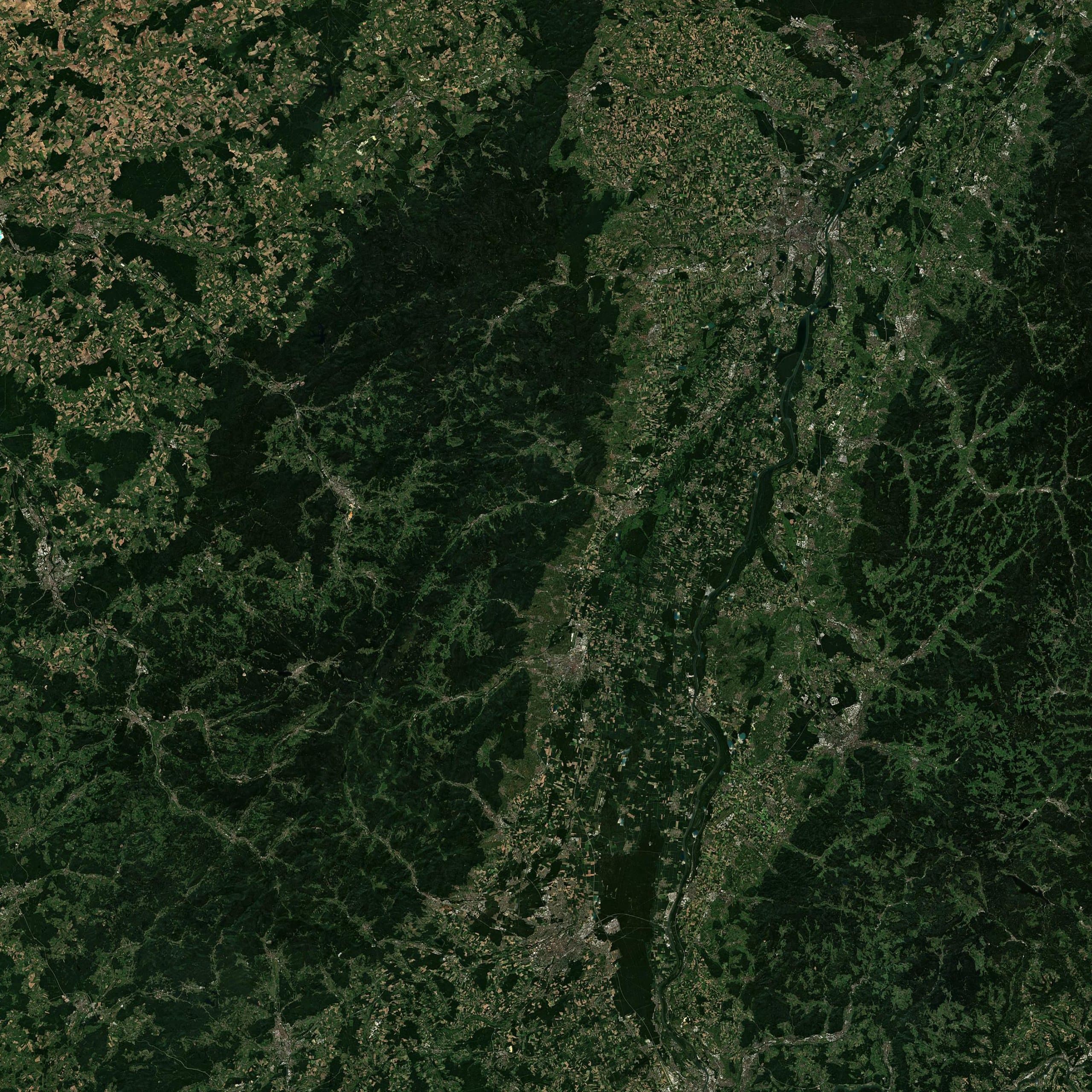
France's Germanic wine region, sheltered by the Vosges Mountains, producing aromatic white wines of exceptional purity. Riesling reigns as the noble grape, achieving a dry, mineral style distinct from German counterparts. Gewurztraminer offers exotic lychee and rose petal aromas, while Pinot Gris delivers rich, honeyed complexity. The 51 Grand Cru vineyards showcase diverse terroirs from granite to limestone. Late-harvest Vendange Tardive and botrytized Sélection de Grains Nobles represent some of the world's finest dessert wines. The region's unique position—French in culture, Germanic in grape varieties—creates wines found nowhere else.

233385 m

Elevation range

white

Wine styles

2 Appellations

Avg. slope 8.8°

Vintage Ratings

Rating:
95+
90-94
85-89
80-84
<80
PeakReadyHold
Year20242023202220212020201920182017201620152014201320122011201020092008200720062005200420032002200120001999199819971996199519941993199219911990
White

Outstanding Alsace Vintages

The best recent vintages rated excellent or exceptional.

White

2023

Almost ready
93Excellent

Outstanding vintage with ideal conditions. Perfect balance across all varieties.

2027Peak 203320472053

2022

Ready
91Excellent

Excellent vintage despite summer heat. Best sites maintained freshness.

2026Peak 203120412046

2021

Ready
91Excellent

Classic cool-climate vintage. Racy acidity and pure aromatics.

2025Peak 203020402045

2020

Ready
94Excellent

Superb vintage combining richness with freshness. Profound Rieslings and exceptional Gewurztraminers.

2026Peak 203220462052

2019

Ready
91Excellent

Very good vintage with ripe, generous character. Gewurztraminer particularly successful.

2024Peak 202920402046

2018

Ready
95Exceptional

Outstanding vintage with exceptional ripeness and balance. One of the finest in recent memory.

2024Peak 203020442050

2017

Ready
91Excellent

Excellent vintage with classical character. Fresh acidity and pure fruit expression.

2023Peak 202820382043

2016

Ready
91Excellent

Very good vintage with elegant, balanced wines. Grand Cru Rieslings particularly fine.

2022Peak 202820392044

2015

Ready
94Excellent

Superb vintage with ripe, opulent character. Exceptional across all varieties.

2023Peak 202920442050

2014

At peak
91Excellent

Very good vintage with classic Alsace character. Fresh acidity and aromatic precision.

2020Peak 202620362042

2012

At peak
91Excellent

Very good vintage with excellent concentration. Balanced wines with aging potential.

2018Peak 202420352040

2011

At peak
90Excellent

Excellent vintage with ripe, generous character. Drinking well with years ahead.

2017Peak 202320342039

2010

At peak
95Exceptional

Outstanding vintage with classic proportions. Exceptional Rieslings with decades ahead.

2018Peak 202620422048

Dessert

2020

Ready
92Excellent

Sweet wine production returned to normal. Reinhardt scored a 2020 Riesling SGN at 97+.

2025Peak 202820402048

2019

Ready
93Excellent

Excellent overall vintage. VT produced but SGN very rare (lack of botrytis).

2024Peak 202820422048

2018

At peak
92Excellent

Hot vintage. VT largely from passerillage.

2023Peak 202620402048

2017

Ready
93Excellent

April frost reduced yields dramatically but surviving vines produced concentrated fruit. Perfect botrytis late-season.

2022Peak 202720422050

2015

At peak
94Excellent

Reinhardt tasted 40 different 2015 VTs and SGNs from Rohrschwihr; among greatest terroir wines. Hugel Riesling SGN: an absolute nectar.

2020Peak 202520452052

2011

At peak
92Excellent

Zind-Humbrecht called 2011 a record year for VT and SGN production. Noble rot developed sufficiently.

2015Peak 201820352042

2010

At peak
94Excellent

Record maturity levels (highest in 50 years). Small quantities of very fine VT/SGN with genuine marked botrytis.

2015Peak 202020422050
Curious about Alsace? Save it to your Discoveries and tick it off when you taste your first wine.

Subregions & Appellations

Regional Appellations

Crémant d'Alsace

Sparkling wines made in the traditional method from Pinot Blanc, Riesling, Pinot Gris, or Chardonnay. Produced across the entire region.

Alsace AOC

The regional appellation covering all still wines from Alsace, typically single-varietal bottlings labeled by grape.

Terroir & Character

Climate

sunnydrywarm summerssemi-continentallong growing seasonsheltered

Semi-continental with the Vosges Mountains providing crucial protection from Atlantic weather systems, creating one of France's sunniest and driest wine regions with long, warm growing seasons perfect for aromatic development.

Terroir

diverse soilsschistgraniteclaylimestone

Incredibly diverse soils ranging from granite and schist in the mountains to limestone, clay, and volcanic deposits in the foothills, with each of the 51 Grand Cru sites offering distinct geological signatures that create uniquely expressive wines.

Typical Aromas

white flowerslycheepetrolhoneygingerwet slate
Explore the aroma wheel

Classification System

Alsace identifies its best vineyard sites as Grands Crus, each with defined boundaries and permitted grape varieties.

Grand Cru

51 designated vineyard sites

Lieu-dit

Named vineyard plots, a step below Grand Cru

Alsace AOC

Regional appellation

Notable Producers

TrimbachClos Sainte Hune, benchmark dry Riesling
HugelHistoric Riquewihr estate, Vendange Tardive
Zind-HumbrechtBiodynamic pioneer, Grand Cru specialist
Domaine WeinbachExquisite Grand Cru from Altenbourg
Marcel DeissField-blend pioneer, terroir-focused
Albert BoxlerMineral Grand Cru Riesling and Pinot Gris
JosmeyerElegant, dry-styled Alsatian wines

Grapes of Alsace

Frequently Asked Questions

What makes Alsace wine special?
Alsace is France's most Germanic wine region, sheltered by the Vosges Mountains which creates a unique microclimate. The wines achieve exceptional purity and aromatic intensity, with Riesling producing a distinctly dry, mineral style that's different from German versions. The region's focus on single varietals and terroir expression makes these some of France's most distinctive whites.
What are the best Alsace vintages?
2023 and 2020 are outstanding 5-star vintages with perfect balance and ideal conditions. 2022, 2021, and 2019 are all excellent 4-star years - 2021 was a classic cool-climate vintage with racy acidity, while 2019 produced particularly successful Gewürztraminer. These recent vintages show Alsace is on a remarkable quality streak.
What grapes are grown in Alsace?
The key grapes are Riesling, Pinot Gris, and Gewürztraminer. Riesling is considered the noble grape of the region, producing dry, mineral-driven wines. Gewürztraminer offers exotic lychee and rose petal aromas, while Pinot Gris delivers rich, full-bodied wines with excellent aging potential.
Is 2023 a good year for Alsace?
2023 is an outstanding vintage for Alsace - rated 5 out of 5 stars with ideal growing conditions. The vintage achieved perfect balance across all varieties, making it one of the best recent years. You can expect exceptional quality and aging potential from 2023 Alsace wines.
When should I drink Alsace 2023?
Given that 2023 is an outstanding vintage with perfect balance, you can enjoy these wines now for their fresh aromatics, but they'll reward cellaring. Most Alsace wines from great vintages like this can age beautifully for 10-15 years, developing more complexity while maintaining their signature purity. I'd suggest drinking some young and saving some for 5-10 years.
What food pairs well with Alsace wines?
Alsace wines are incredibly food-friendly - Riesling pairs beautifully with seafood, pork, and Asian cuisine. Gewürztraminer is fantastic with spicy dishes, foie gras, and strong cheeses like Munster. Pinot Gris works wonderfully with rich poultry dishes, mushrooms, and cream-based sauces - the region's Germanic influence makes these wines perfect for hearty, flavorful cuisine.
How does Alsace compare to German Riesling regions?
Alsace Riesling is distinctly drier and more mineral-driven compared to German styles, which tend to have more residual sugar and lighter body. The Vosges Mountains create a warmer, more continental climate than most German regions, resulting in riper, more powerful wines. While German Rieslings often emphasize delicate fruit and acidity, Alsace focuses on terroir expression and food compatibility.

Map data: INAO