
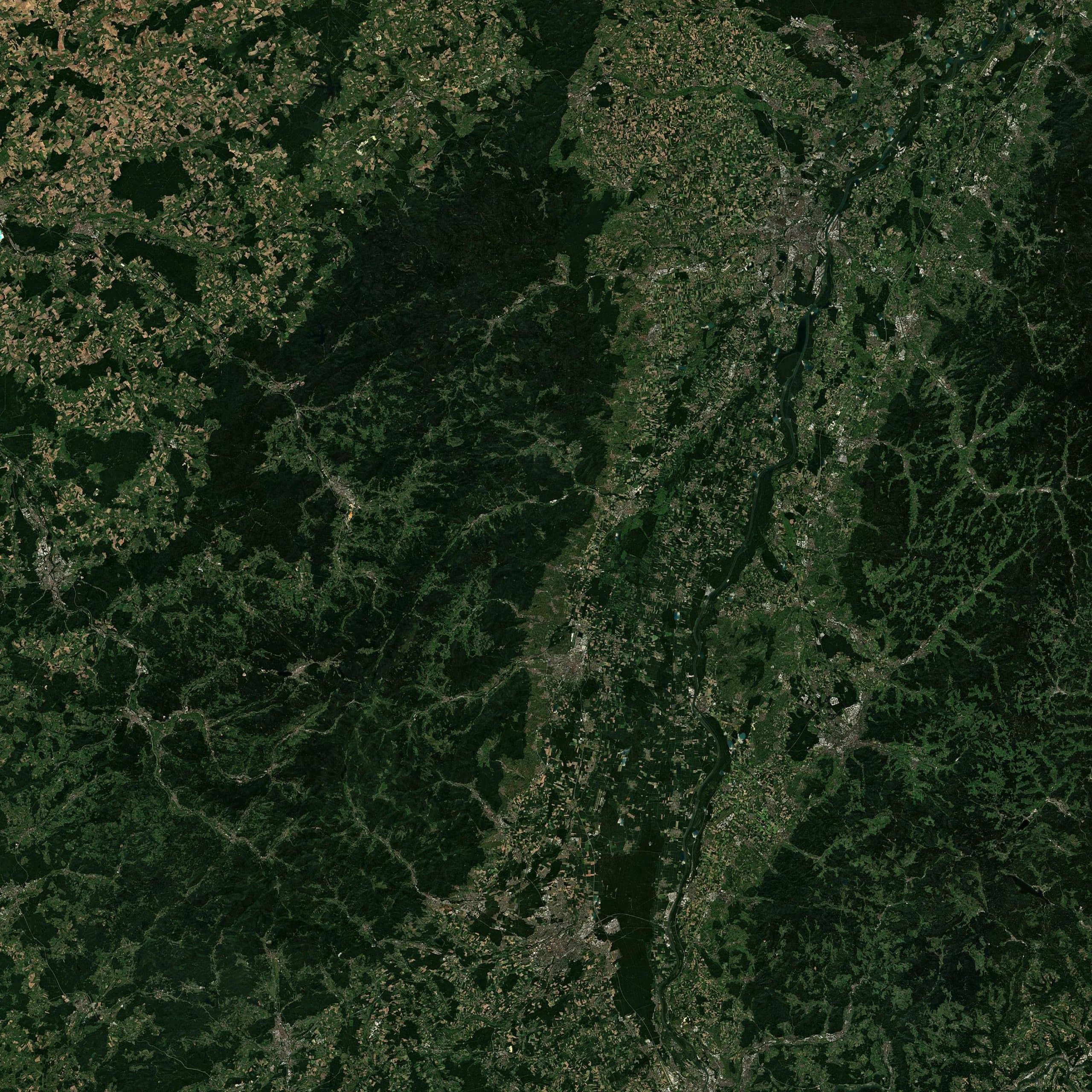
France
Alsace
France wine regions
About Alsace
233–385 m
Elevation range
Wine styles
2 Appellations
Avg. slope 8.8°
France wine regions
Vintages
56 · 1990–2025
Outstanding Alsace Vintages
The best recent vintages rated excellent or exceptional.
White
Dessert
Inside Alsace
Alsace appellations · tap an area
Sub-regions
Classification System
Alsace identifies its best vineyard sites as Grands Crus, each with defined boundaries and permitted grape varieties.
Grand Cru
51 designated vineyard sites
Lieu-dit
Named vineyard plots, a step below Grand Cru
Alsace AOC
Regional appellation
What Alsace produces
White
Riesling, Gewürztraminer, Pinot Gris, and Muscat. Almost entirely single-varietal.
Sparkling
Crémant d'Alsace in traditional method, mainly Pinot Blanc and Riesling.
Regional appellations
Crémant d'Alsace
Sparkling wines made in the traditional method from Pinot Blanc, Riesling, Pinot Gris, or Chardonnay. Produced across the entire region.
Alsace AOC
The regional appellation covering all still wines from Alsace, typically single-varietal bottlings labeled by grape.
Notable producers
Estates that shape how this region tastes.
Trimbach
Clos Sainte Hune, benchmark dry Riesling
Hugel
Historic Riquewihr estate, Vendange Tardive
Zind-Humbrecht
Biodynamic pioneer, Grand Cru specialist
Domaine Weinbach
Exquisite Grand Cru from Altenbourg
Marcel Deiss
Field-blend pioneer, terroir-focused
Albert Boxler
Mineral Grand Cru Riesling and Pinot Gris
Josmeyer
Elegant, dry-styled Alsatian wines
Grapes of Alsace
What it tastes like
Body
Medium
Acidity
Bright
Oak
No oak
Ripeness
Ripe
Concentration
Medium
Whites
Medium-bodied and bright, dry to off-dry with no oak; white flowers, peach and spice over a stony edge, oily in feel with a long finish.
apple and pear · stone fruit · floral · spicy · stony
Body
Lightish
Acidity
Bright
Tannin
Fine
Oak
A touch of oak
Ripeness
Fresh
Concentration
Light
Reds
On the lighter side and bright, with silky tannin and little oak; red cherry, raspberry and a floral lift over a stony edge, the fresh, northern side of Pinot Noir.
red fruit · floral · spicy · stony · silky
Body
Lightish
Acidity
Bright
Oak
No oak
Ripeness
Ripe
Concentration
Light
Sparkling
On the lighter side and bright, dry; green apple, pear and lemon with white flowers and a creamy mousse over a stony edge, best young.
apple and pear · citrus · floral · stony · creamy
Climate
Semi-continental with the Vosges Mountains providing crucial protection from Atlantic weather systems, creating one of France's sunniest and driest wine regions with long, warm growing seasons perfect for aromatic development.
Terroir
Incredibly diverse soils ranging from granite and schist in the mountains to limestone, clay, and volcanic deposits in the foothills, with each of the 51 Grand Cru sites offering distinct geological signatures that create uniquely expressive wines.
More in France
Frequently Asked Questions
What makes Alsace wine special?▼
What are the best Alsace vintages?▼
What grapes are grown in Alsace?▼
Is 2023 a good year for Alsace?▼
When should I drink Alsace 2023?▼
What food pairs well with Alsace wines?▼
How does Alsace compare to German Riesling regions?▼
Map data: INAO