
France
Champagne
France wine regions
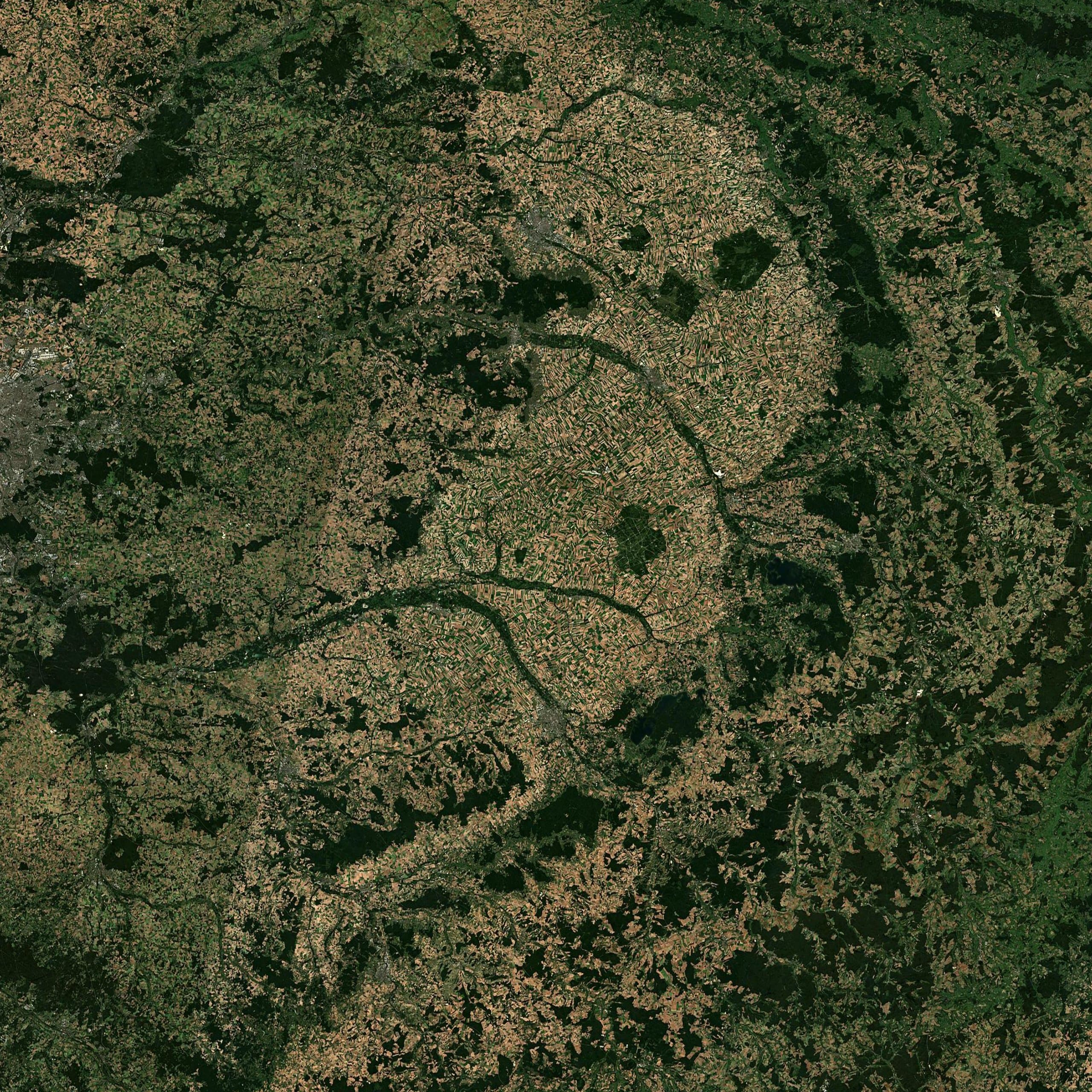
About Champagne
63–283 m
Elevation range
Wine styles
16 Grand Crus
Avg. slope 3°
35 Premier Crus
Avg. slope 2.9°
France wine regions
Vintages
62 · 1990–2025
Outstanding Champagne Vintages
The best recent vintages rated excellent or exceptional.
Sparkling
Sparkling Rosé
Grand Cru & Premier Cru Villages
Classification System
Champagne classifies its villages by grape quality on a percentage scale that historically set grape prices.
Grand Cru
17 top-rated villages (100%)
Premier Cru
42 villages rated 90–99%
Other
Remaining villages
What Champagne produces
Sparkling
Pinot Noir, Chardonnay, and Pinot Meunier. Blanc de Blancs, Blanc de Noirs, and rosé.
Red
Rare still Coteaux Champenois from Bouzy and Cumières. Prized Pinot Noir collectibles.
Rosé
Still rosé exclusively from Les Riceys in the Aube, France's smallest AOC.
Regional appellations
Champagne AOC
The main appellation covering all sparkling wines from the region. Blanc de Blancs, Blanc de Noirs, Rosé, and blends.
Coteaux Champenois AOC
Rare still wines from Champagne. The reds, especially from Bouzy and Cumières, are prized Pinot Noir collectibles.
Rosé des Riceys AOC
France's smallest AOC. Still rosé exclusively from the village of Les Riceys in the Aube. Deeply coloured, savoury, and extremely limited.
Notable producers
Estates that shape how this region tastes.
Krug
Multi-vintage blending mastery, Grande Cuvee
Dom Perignon
Prestige cuvee of Moet & Chandon
Bollinger
Full-bodied, Pinot Noir-driven style
Louis Roederer
Cristal, family-owned, biodynamic
Salon
Single-vintage blanc de blancs, Le Mesnil
Jacques Selosse
Grower revolution, oak-aged, terroir-driven
Egly-Ouriet
Grower, powerful Ambonnay Pinot Noir
Pol Roger
Elegant house style, Cuvee Winston Churchill
Grapes of Champagne
What it tastes like
Body
Lightish
Acidity
Zippy
Oak
No oak
Ripeness
Fresh
Concentration
Medium
Sparkling
On the lighter side and zippy, dry; lemon and green apple with white flowers, brioche and a chalky edge, creamy from the lees and taut.
citrus · apple and pear · floral · nutty · chalky
Body
Lightish
Acidity
Bright
Tannin
Fine
Oak
A touch of oak
Ripeness
Fresh
Concentration
Medium
Reds
On the lighter side and bright with fine tannin; red cherry, raspberry and violet over a chalky edge, lean and taut.
red fruit · floral · earthy · chalky · lean
Body
Lightish
Acidity
Zippy
Oak
A touch of oak
Ripeness
Fresh
Concentration
Medium
Whites
On the lighter side and zippy, with a touch of oak; lemon, green apple and white flowers over chalk, lean and taut, Champagne without the bubbles.
citrus · apple and pear · floral · chalky · lean
Body
Medium
Acidity
Bright
Tannin
Fine
Oak
No oak
Ripeness
Ripe
Concentration
Medium
Rosés
Medium-bodied and bright, dry with fine tannin; wild strawberry, white pepper and dried herbs over a stony edge, savoury and taut.
red fruit · savoury · spicy · stony · taut
Climate
Cool continental climate with maritime influences creates long, gentle growing seasons. The marginal conditions stress vines just enough to produce grapes with bright acidity and delicate flavors, perfect for sparkling wine production.
Terroir
Built on a foundation of ancient chalk and limestone soils that provide excellent drainage while retaining moisture. The porous chalk reflects sunlight back to ripening grapes and creates vast underground cellars perfect for aging. Rolling hills and varied exposures create distinct sub-regions, each contributing unique characteristics to final blends.
More in France
Frequently Asked Questions
What makes Champagne wine special?▼
What are the best Champagne vintages?▼
What grapes are grown in Champagne?▼
Is 2022 a good year for Champagne?▼
When should I drink Champagne 2022?▼
What food pairs well with Champagne wines?▼
How does Champagne compare to Prosecco?▼
Map data: INAO