CorkCork
Columbia Valley

United States

Columbia Valley

Napa ValleyNapa ValleySonoma CoastSonoma CoastWillamette ValleyWillamette ValleyPaso RoblesPaso RoblesSierra FoothillsSierra FoothillsLodiLodiSanta Cruz MountainsSanta Cruz MountainsSouth CoastSouth CoastFinger LakesFinger LakesColumbia ValleyColumbia Valley

United States wine regions

About Columbia Valley

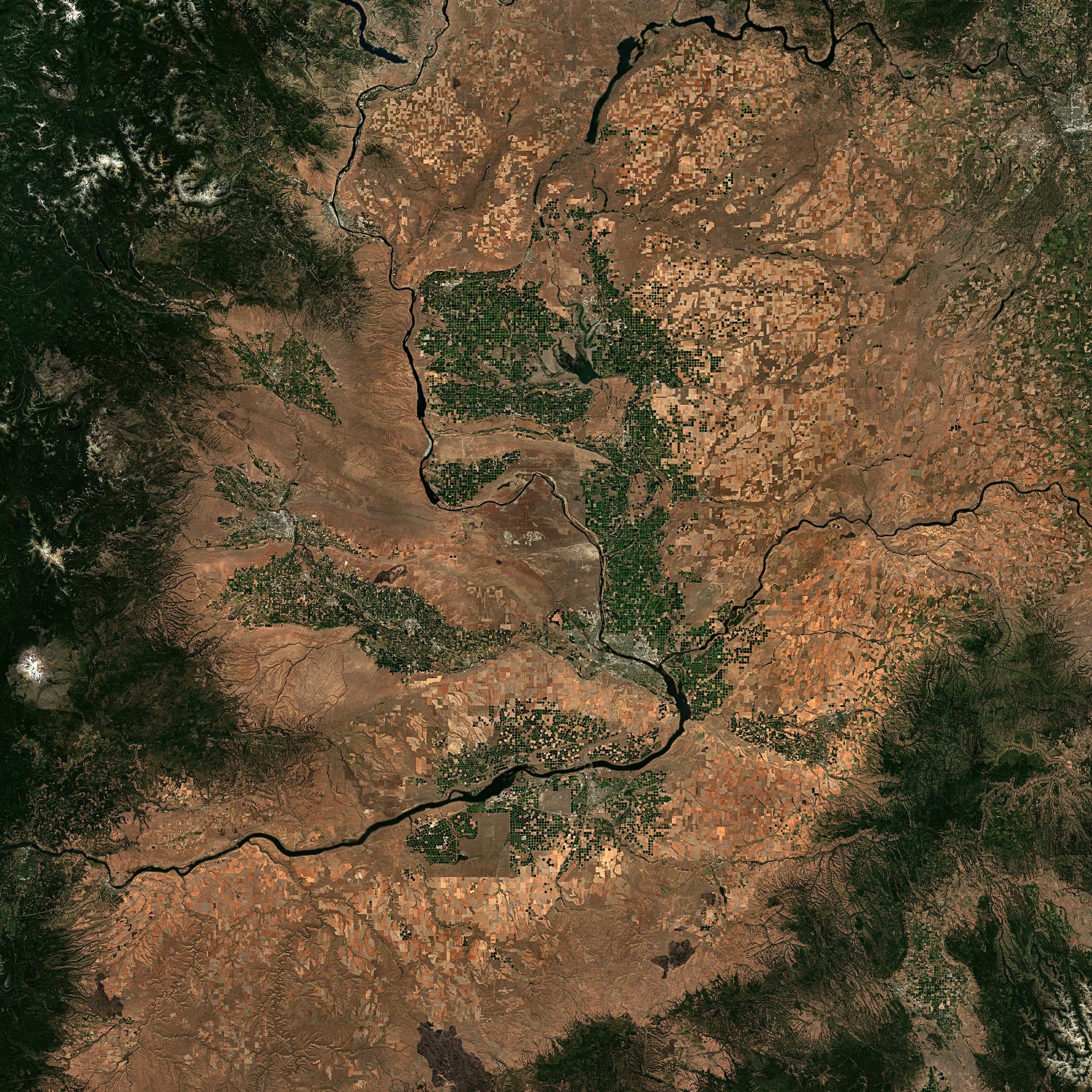
Washington's vast wine heartland, stretching across the rain shadow of the Cascade Range. The semi-arid desert climate, with just 150-200mm of annual rainfall, means near-total reliance on irrigation from the Columbia River. Despite the continental extremes, the long summer days (two more hours of sunlight than Napa at peak) produce grapes of exceptional flavor concentration.

100–460 m

Elevation range

redwhite

Wine styles

10 AVAs

Avg. slope 3°

Vintages

22 · 2014–2024

Rating:
95+
90-94
85-89
80-84
<80
PeakReadyHold
Year20242023202220212020201920182017201620152014
Red
White

Outstanding Columbia Valley Vintages

The best recent vintages rated excellent or exceptional.

Red

2024

Hold
93Excellent

Promising. Clean harvest and balanced conditions.

2028Peak 2031–20382040

2023

Almost ready
93Excellent

Elegant and fresh. Cooler conditions produced more restrained, complex reds.

2027Peak 2030–20362038

2022

Ready
93Excellent

Warm, balanced vintage. Generous and approachable with good structure.

2026Peak 2029–20362038

2021

Ready
93Excellent

Heat dome vintage. Extreme June heat followed by mild conditions.

2025Peak 2028–20352038

2019

At peak
94Excellent

Very good. Classic Washington reds with dark fruit, smoke, and herbs.

2023Peak 2026–20332036

2018

At peak
94Excellent

Excellent. Warm season produced ripe, structured Cabernet and Syrah.

2022Peak 2025–20322035

2017

At peak
91Excellent

Variable. Cool spring reduced yields.

2020Peak 2023–20282030

2016

At peak
93Excellent

One of Washington's greatest vintages. Perfect balance of power and elegance.

2020Peak 2025–20352038

2015

At peak
93Excellent

Hot vintage with intense, concentrated reds. Bold, structured wines for ageing.

2019Peak 2022–20302032

2014

At peak
94Excellent

Warm, ripe vintage. Generous Cabernet and Merlot with dark fruit and soft tannins.

2018Peak 2021–20282030

White

2024

At peak
92Excellent

Promising.

2025Peak 2026–20292030

2023

At peak
92Excellent

Aromatic and precise. Great Riesling vintage.

2024Peak 2025–20282029

2022

At peak
92Excellent

Balanced Riesling with classic racy acidity. Fresh Chardonnay.

2023Peak 2024–20272028

2020

Past window
90Excellent

Mixed. Some smoke effects.

2021Peak 2022–20242025

2019

Drink up
92Excellent

Vibrant. Excellent acidity in Riesling.

2020Peak 2021–20252027

2018

Drink up
92Excellent

Balanced. Riesling shows stone fruit and mineral.

2019Peak 2020–20242026

2017

Past window
92Excellent

Light, fresh whites. Lower yields from cool spring.

2018Peak 2019–20222024

2016

Drink up
91Excellent

Outstanding Riesling and Chardonnay. Classic Washington whites with precision.

2017Peak 2018–20242026

2015

Past window
90Excellent

Ripe, generous whites. Some Riesling lacks typical raciness.

2016Peak 2017–20202022

2014

Past window
92Excellent

Excellent Riesling. Racy acidity with stone fruit and citrus.

2015Peak 2016–20222024

Sub-AVAs

What Columbia Valley produces

Red

Cabernet Sauvignon, Merlot, and Syrah from Washington's high-desert vineyards.

White

Riesling rivaling Germany's best, from dry to sweet.

Notable producers

Estates that shape how this region tastes.

Quilceda Creek

Washington's top Cabernet, Golitzin family

Leonetti

First Walla Walla premium winery

Cayuse

Biodynamic, stones in vineyards, cult Syrah

K Vintners

Charles Smith, bold single-vineyard Syrah

Charles Smith

Modernist wines, Velvet Devil and Boom Boom

Grapes of Columbia Valley

Climate

Continental desertHot daysCold nightsRain shadow

Continental desert climate with extreme temperature swings. Summer days reach 35°C+ but nights plunge to near 10°C, preserving natural acidity. The Cascade rain shadow keeps rainfall minimal. Winters can bring Arctic air, occasionally causing vine damage.

Terroir

BasaltLoessAlluvial cobblestoneVolcanic ash

Basalt bedrock from ancient lava flows underlies the entire region, covered by deep layers of loess (windblown silt) and Missoula Flood sediments. The diverse soil layers, from sand to silt to cobblestones, create remarkable site variation within a single AVA.

Typical Aromas

dark cherrycedartobacco leafgraphitedried herbsblackcurrant
Explore the aroma wheel

More in United States

Map data: TTB (Alcohol and Tobacco Tax and Trade Bureau, US Treasury) AVA boundaries · Locality markers from OpenStreetMap (ODbL)