CorkCork
Gisborne

New Zealand

Gisborne

MarlboroughMarlboroughNelsonNelsonMartinboroughMartinboroughHawke's BayHawke's BayNorth CanterburyNorth CanterburyCentral OtagoCentral OtagoGisborneGisborne

New Zealand wine regions

About Gisborne

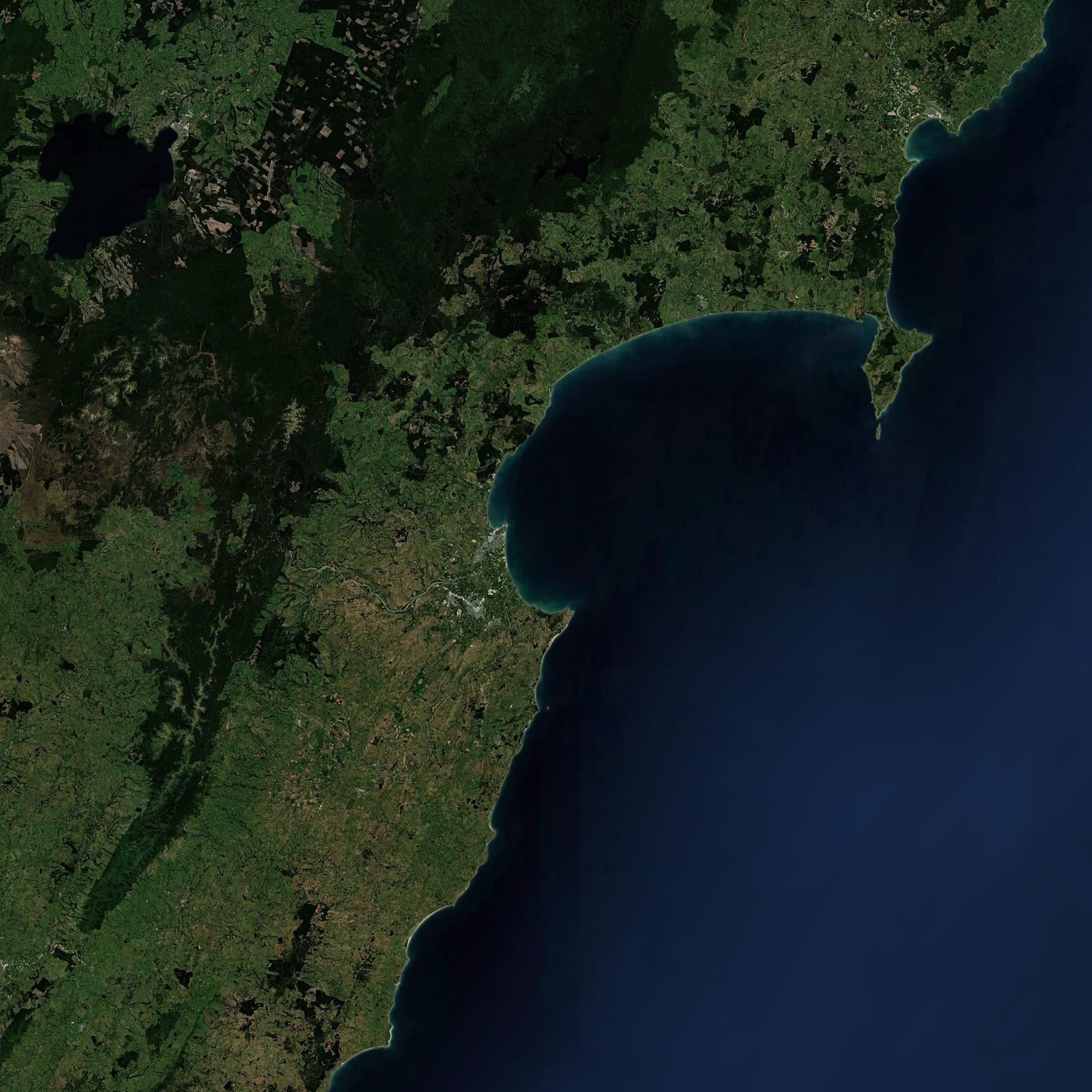
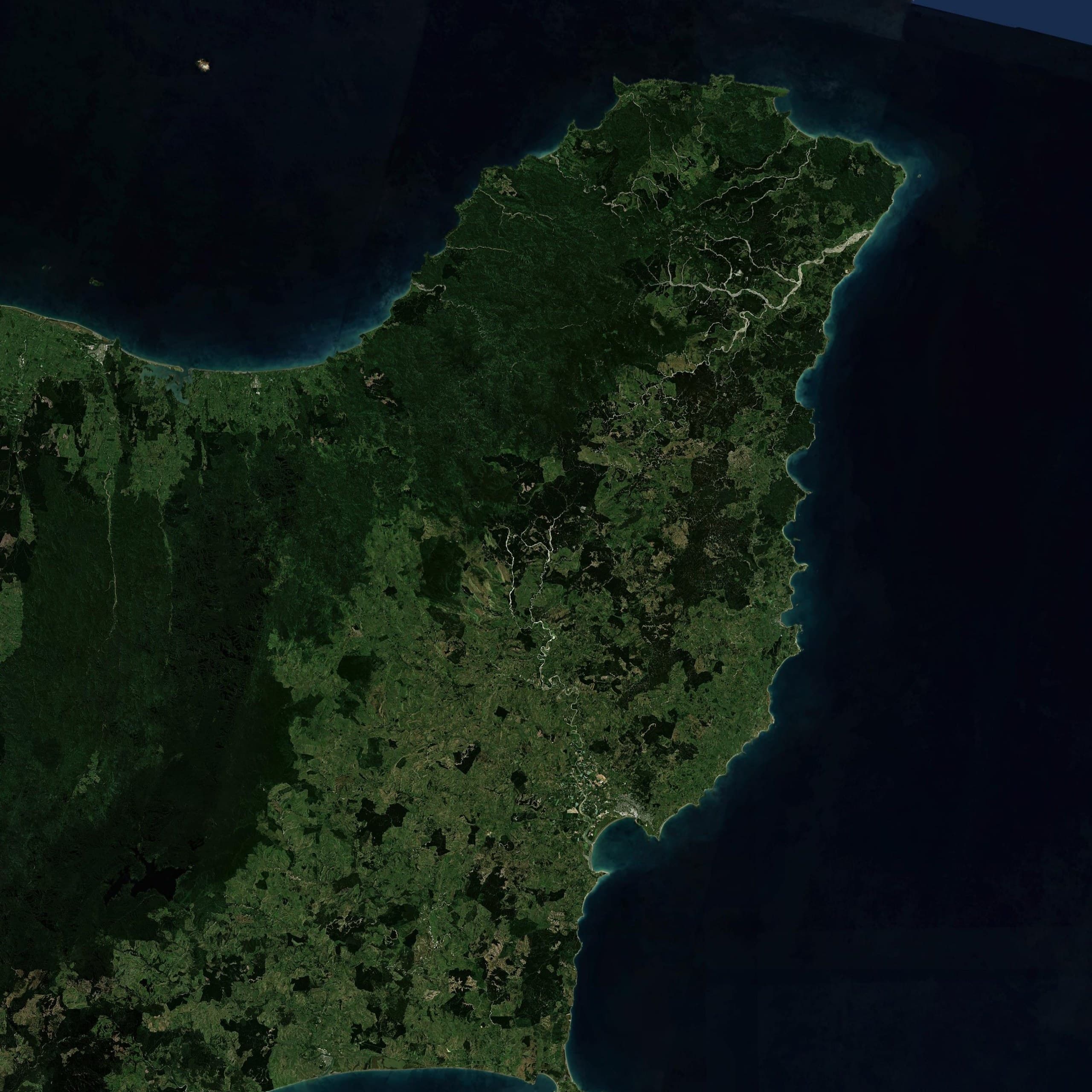
Gisborne calls itself the Chardonnay capital of New Zealand, and the first city in the world to see the sun each day. On the fertile river plains of the East Cape, Chardonnay turns sunny and generous, all peach and honeysuckle, which long made the region the engine of the country's everyday whites. Its soul, though, is Millton Vineyards: James and Annie Millton converted to biodynamics here in the 1980s, becoming New Zealand's organic pioneers, and their Te Arai Chenin Blanc is one of the finest expressions of that grape outside the Loire. Gewurztraminer, Pinot Gris, and a band of independent growers round out a warm, open-hearted region.

GI & Localities

Classification System

New Zealand's GI (Wine and Spirits) Registration Act passed in 2006 and came into force in 2017. A registered GI on the label means at least 85 percent of the grapes grew in the named area. Famous district names like Gimblett Gravels are not GIs at all but privately held trademarks with their own, stricter rules.

Registered GI

Marlborough to Central Otago, 85 percent of the fruit from the named area

Nested GI

A registered area inside a larger one, like Bannockburn within Central Otago

Trademark district

Privately enforced names like Gimblett Gravels, which demands 95 percent from its gravel soils

What Gisborne produces

White

Sunny, peach-laden Chardonnay, fragrant Gewurztraminer and Pinot Gris, and Millton's benchmark biodynamic Chenin Blanc.

Grapes of Gisborne

Climate

Warm maritimeSunnyHumidEarly harvestAutumn rain risk

Warm, sunny maritime climate, one of New Zealand's balmiest, with high humidity and the country's earliest harvest. Long sunshine hours ripen aromatic whites generously, while autumn rain off the Pacific is the perennial risk that rewards early-ripening varieties and brave farming.

Terroir

Alluvial loamFertile river plainsClay subsoilsGentle inland slopes

Deep, fertile alluvial loams and clays laid down by the Waipaoa river across the Poverty Bay flats, naturally vigorous ground that suits generous whites. Growers chasing structure work the heavier clay subsoils and the gentle inland slopes, where yields drop and the wines tighten.

Typical Aromas

ripe peachpineapplehoneysucklemelongingerlemon curd
Explore the aroma wheel

More in New Zealand

Frequently Asked Questions

What makes Gisborne wine special?▼
Gisborne calls itself New Zealand's Chardonnay capital, and the first city in the world to see the sun each day. On the warm, fertile river plains of the East Cape, Chardonnay turns sunny and generous, all peach and honeysuckle. The region's soul is Millton Vineyards, where James and Annie Millton pioneered biodynamics in New Zealand in the 1980s and still make the country's benchmark Chenin Blanc from the Te Arai vineyard.
What grapes are grown in Gisborne?▼
Chardonnay is the headline grape and covers the most ground, from easy, sunshine-filled bottles to serious old-vine wines. Pinot Gris is the other big planting, soft and perfumed, and Gewurztraminer has a long local history. The cult grape is Chenin Blanc: Millton's biodynamic Te Arai bottling is one of the finest outside the Loire, honeyed and age-worthy.
What is Millton Vineyards?▼
Millton is New Zealand's organic and biodynamic pioneer. James and Annie Millton converted their Gisborne vineyards in the 1980s, long before it was fashionable, becoming the country's first fully certified producer. Their Te Arai Chenin Blanc and Clos de Ste. Anne wines show how expressive the region's river-plain soils can be when farmed this way, and they inspired a generation of growers across the country.
How does Gisborne Chardonnay compare to Hawke's Bay?▼
Gisborne's warmer, more fertile plains give rounder, sunnier Chardonnay, ripe peach and pineapple with a soft, generous feel, usually ready young. Hawke's Bay runs more structured and fig-toned, built for a few years in the cellar. If you want immediate charm, pour Gisborne; if you want to wait, Hawke's Bay rewards the patience. Tasting both is a lovely North Island compare-and-contrast.
What food pairs well with Gisborne wines?▼
The East Coast's crayfish with a rich Chardonnay is the region on a plate. The whites' generosity also suits roast chicken, creamy pasta, and corn fritters, while Pinot Gris and Gewurztraminer handle a spicy Thai fish curry beautifully. Millton's Chenin Blanc, with its honeyed edge, is wonderful alongside a mild blue cheese.

Map data: GI boundaries from the IPONZ Geographical Indications Register (Crown copyright, CC BY 4.0) · LINZ NZ Suburbs and Localities (CC BY 4.0) · District outlines © OpenStreetMap contributors (ODbL)