
Country
New Zealand
Sauvignon Blanc, southern light, and screwcaps
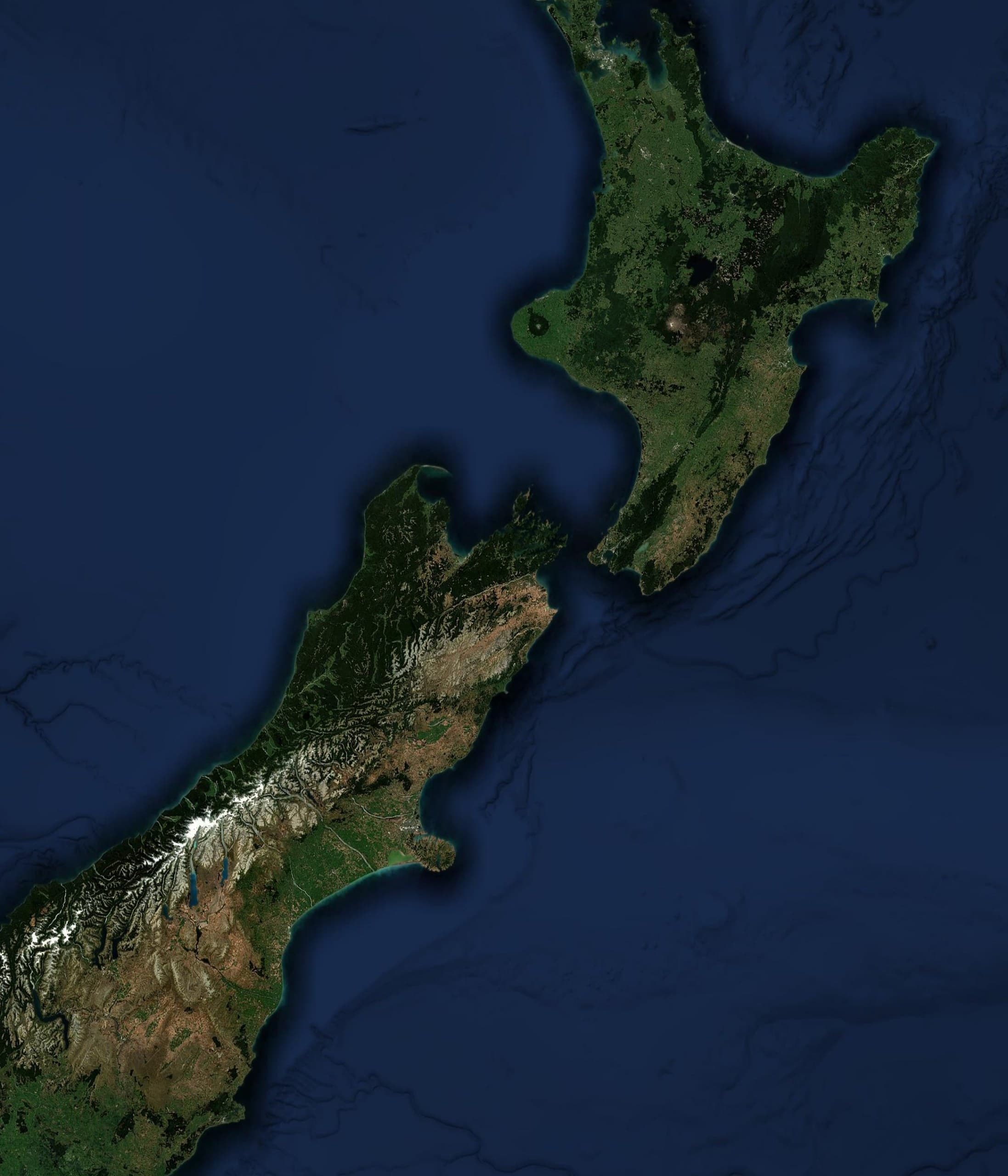
The most isolated wine country on earth, and its youngest great one. New Zealand turned brilliant southern light, cool ocean air, and one explosive white grape into a style the whole world copies, then quietly built a serious red wine culture beneath it.
~41,000 ha
Under vine
36° to 46° south
Latitude span
Sauvignon Blanc
Signature white
~2/3 of all vines
Marlborough's share
Since 2001
Screwcap era
Over 90% of vineyards
SWNZ certified
The country
Why New Zealand matters
In 1973 Montana planted the first commercial vines in Marlborough, a sheep-farming valley at the top of the South Island. Within a decade the region's Sauvignon Blanc was startling critics, and when Cloudy Bay arrived in 1985 the style went global: pungent, zesty, instantly recognisable. No wine country has gone from nowhere to worldwide benchmark faster.
Geography did much of the work. New Zealand is the most isolated wine country on earth, nearly 2,000 kilometres from its closest neighbour, with no vineyard far from the sea. Clear skies make the sunlight unusually intense, while cool maritime air stretches ripening across a long autumn. The result is the national signature: vivid flavour riding on bright acidity.
And the country kept moving: screwcaps adopted almost overnight from 2001, Central Otago Pinot Noir at the 45th parallel, Hawke's Bay Syrah, and sustainability certification covering over 90 percent of the vines.
What grows here
The signature grapes
The varieties that define New Zealand. Tap any card to drill into the grape's profile.
The land
Terroir at a glance
Two islands in a cold, windy ocean, stretched across ten degrees of latitude. New Zealand's vineyards play variations on one theme, maritime coolness under brilliant light, with a single dramatic exception inland in the deep south.
Maritime everything
No vineyard in New Zealand sits more than about 130 kilometres from the ocean, and most are far closer. Sea air cools the afternoons, autumns stay long and mild, and grapes hang for weeks longer than in warmer countries, building flavour while the cool nights lock in acidity. It is the engine behind the national style.
Southern light
The air over New Zealand is exceptionally clear, and ultraviolet light is markedly stronger than at equivalent northern latitudes. Vines respond with thicker skins and greater aromatic intensity, part of why Marlborough Sauvignon Blanc smells like nothing else on earth and why the country's Pinot Noir carries such colour and perfume.
Central Otago's schist
The one place the ocean does not rule. Ringed by mountains in the old gold-mining country of the deep south, Central Otago is New Zealand's only semi-continental climate: fierce sun, cold nights, dry air, real frost risk, and glacial schist underfoot. At the 45th parallel, it is the southernmost serious Pinot Noir on earth.
The Gimblett Gravels
In 1867 the Ngaruroro River burst its banks in Hawke's Bay and changed course, leaving behind a bed of deep, stony gravels too poor for farming. A century later winegrowers realised those 800 hectares were the warmest, best-drained vineyard land in the country. They now grow New Zealand's finest Syrah and Cabernet blends.
On the map
The regions worth visiting
Only regions with mapped vineyards and full guides are shown. Each tile leads to its appellations and vintages.
New Zealand wine regions. Select a region to learn more.
The top of the south
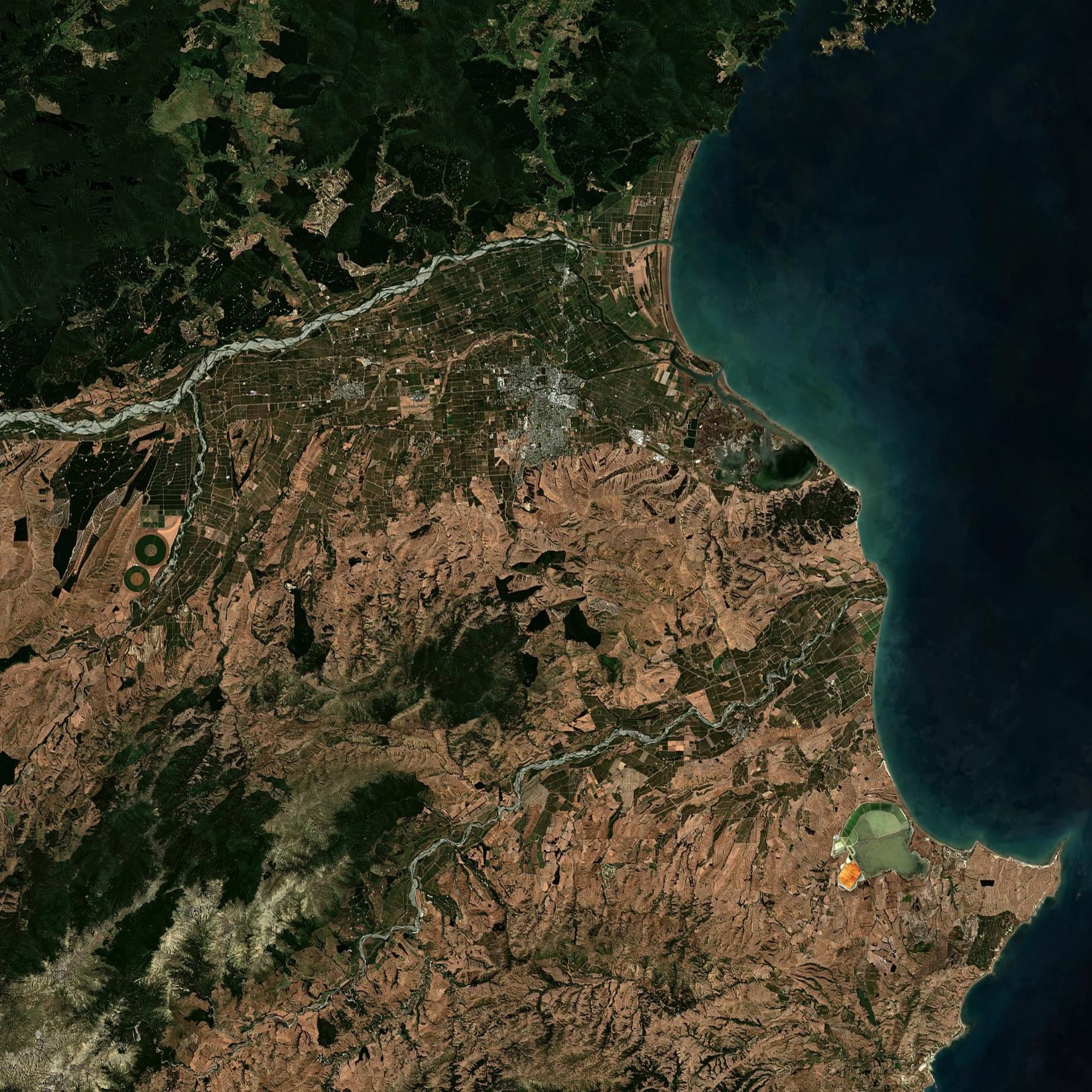
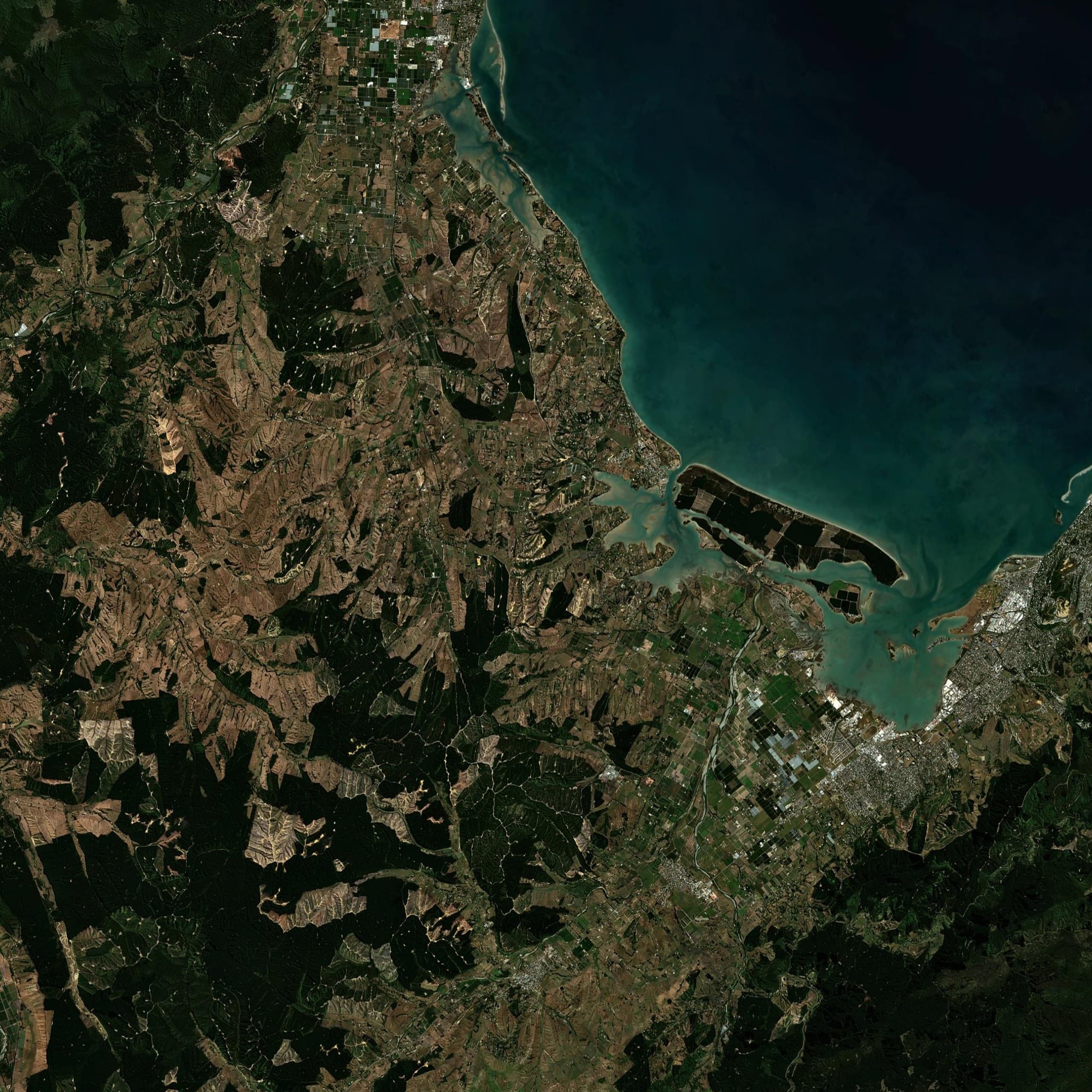
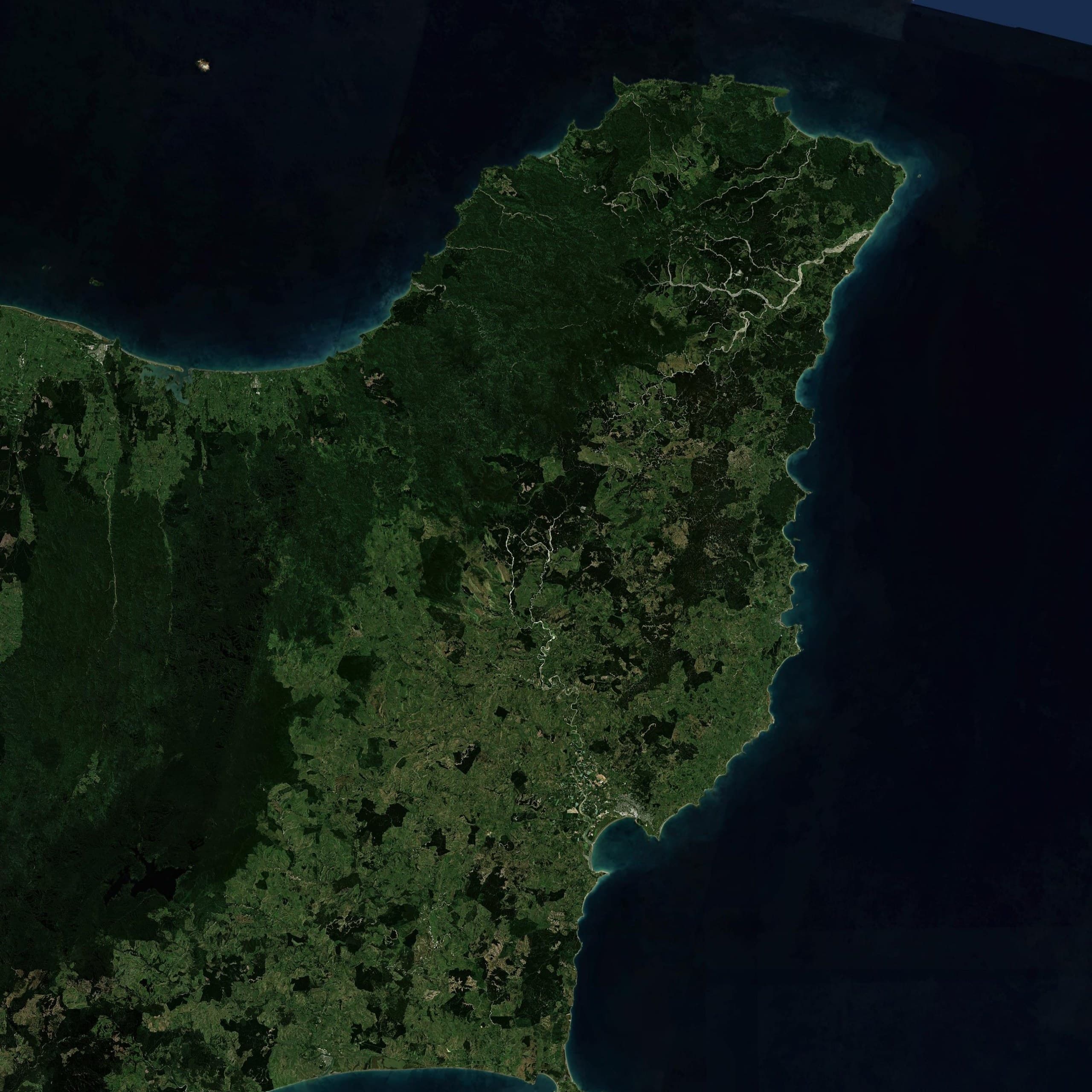
The engine room. Marlborough alone holds roughly two thirds of the national vineyard and the Sauvignon Blanc style the world copies, with serious Pinot Noir and Chardonnay rising behind it. Nelson, across the hills, is its sunny artisan neighbour, strong with aromatics and Chardonnay from small family estates.
The deep south
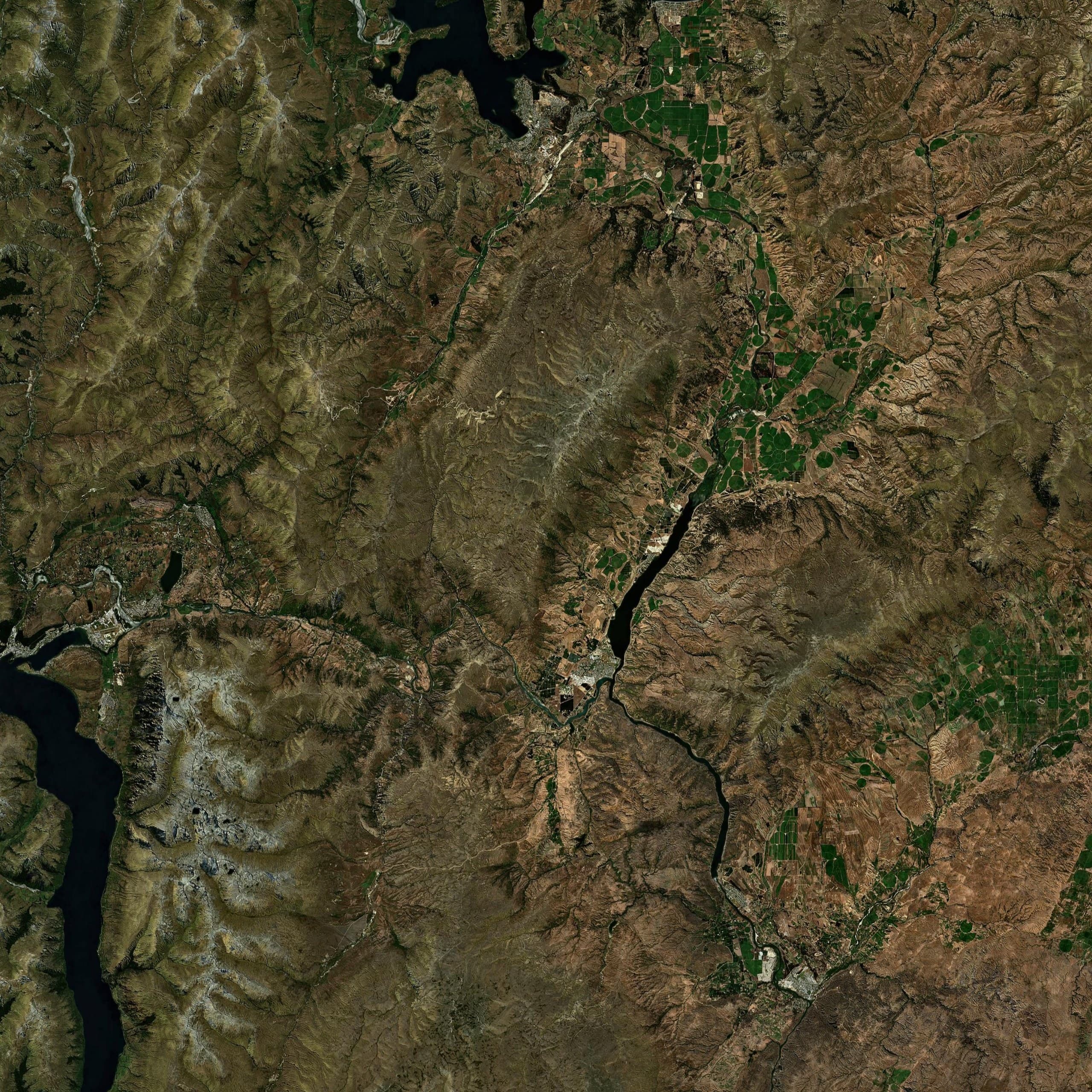
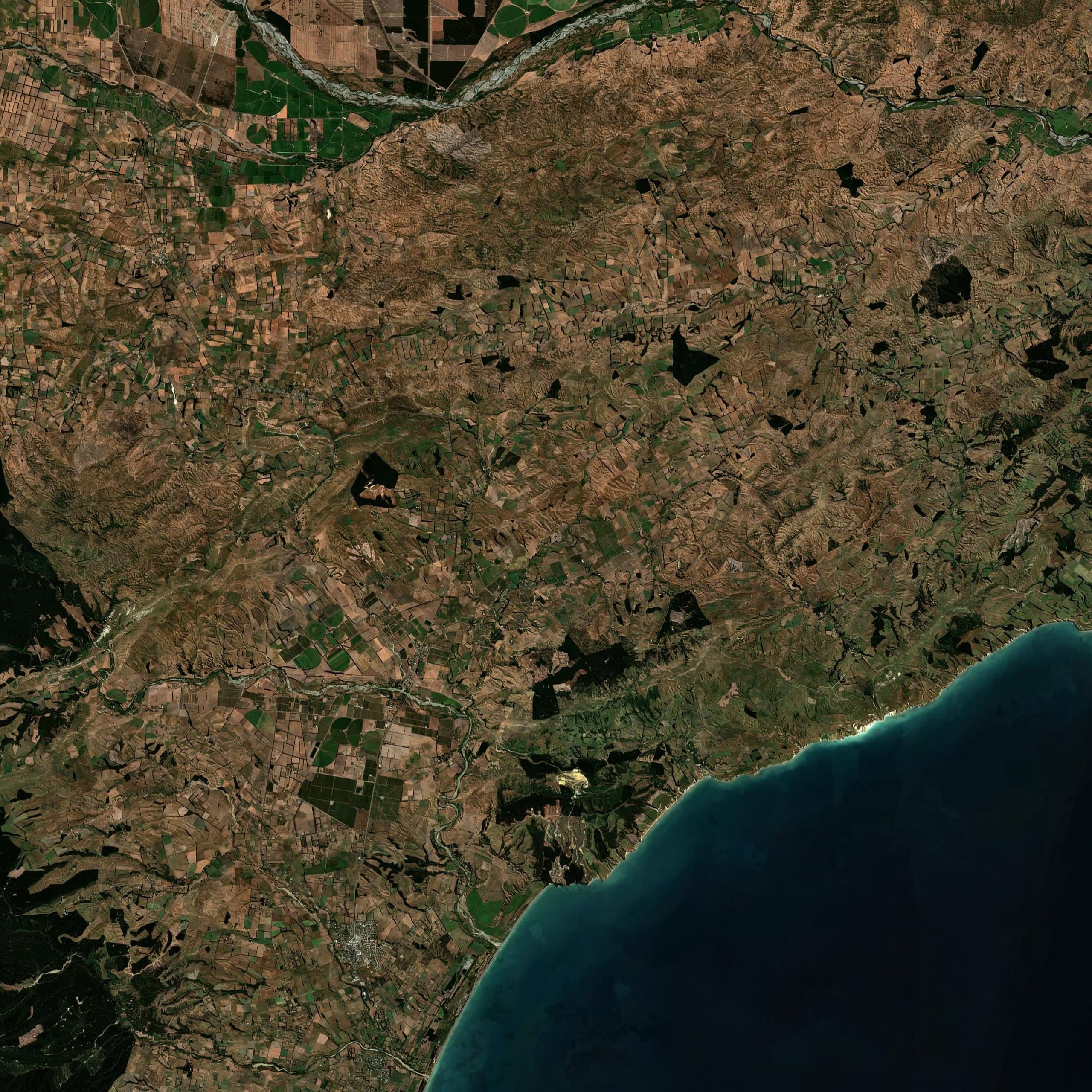
Pinot country. Central Otago farms schist and big skies at the 45th parallel, the world's southernmost serious Pinot Noir. North Canterbury's Waipara Valley answers with limestone, benchmark Riesling, and savoury Pinot of its own.
The sunny east
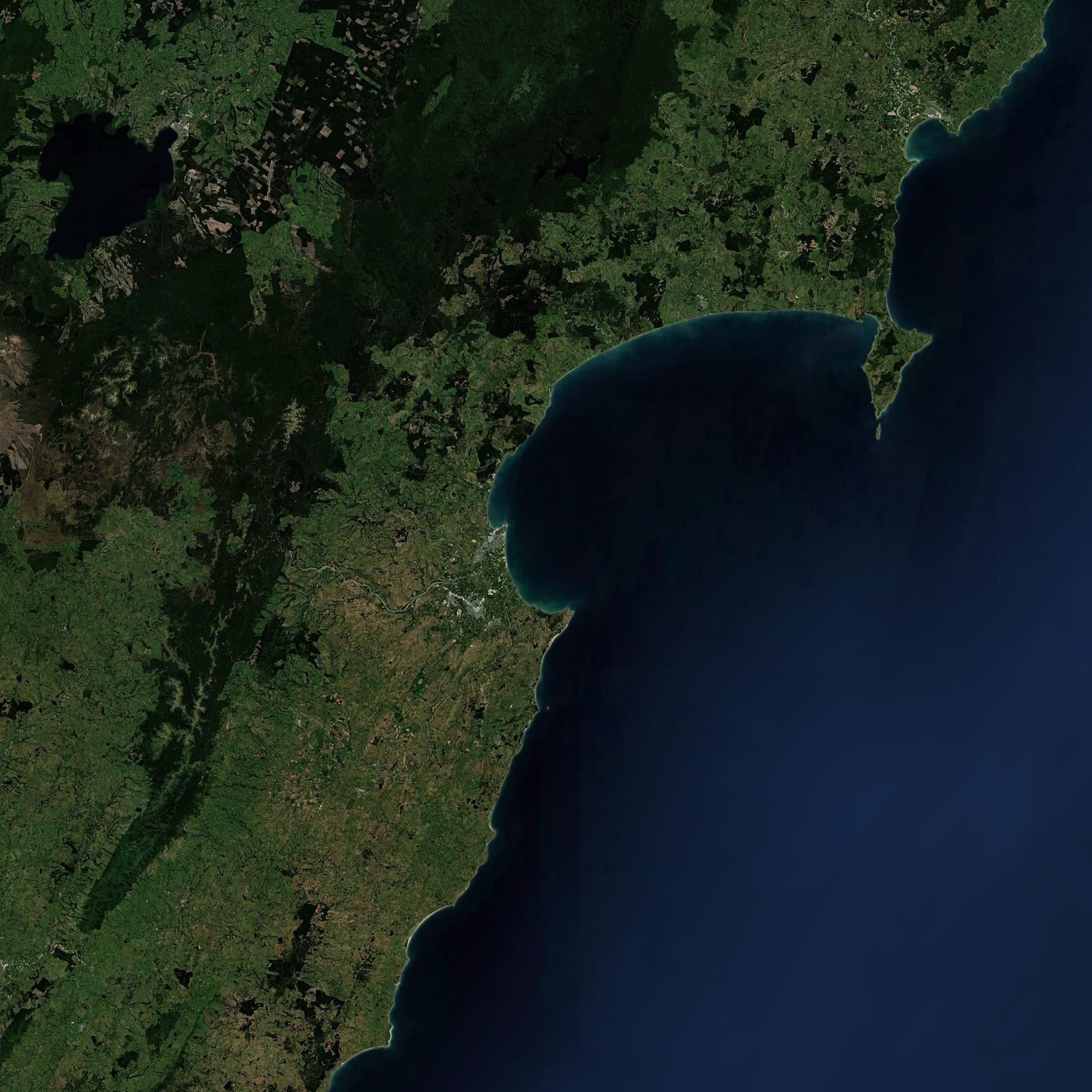
The North Island's warm east coast. Hawke's Bay is the country's Bordeaux and Rhône in one, with Syrah and Cabernet blends off the Gimblett Gravels and the Havelock North hills. Gisborne, first in the world to see the sunrise, does generous Chardonnay.
The windy south of the north
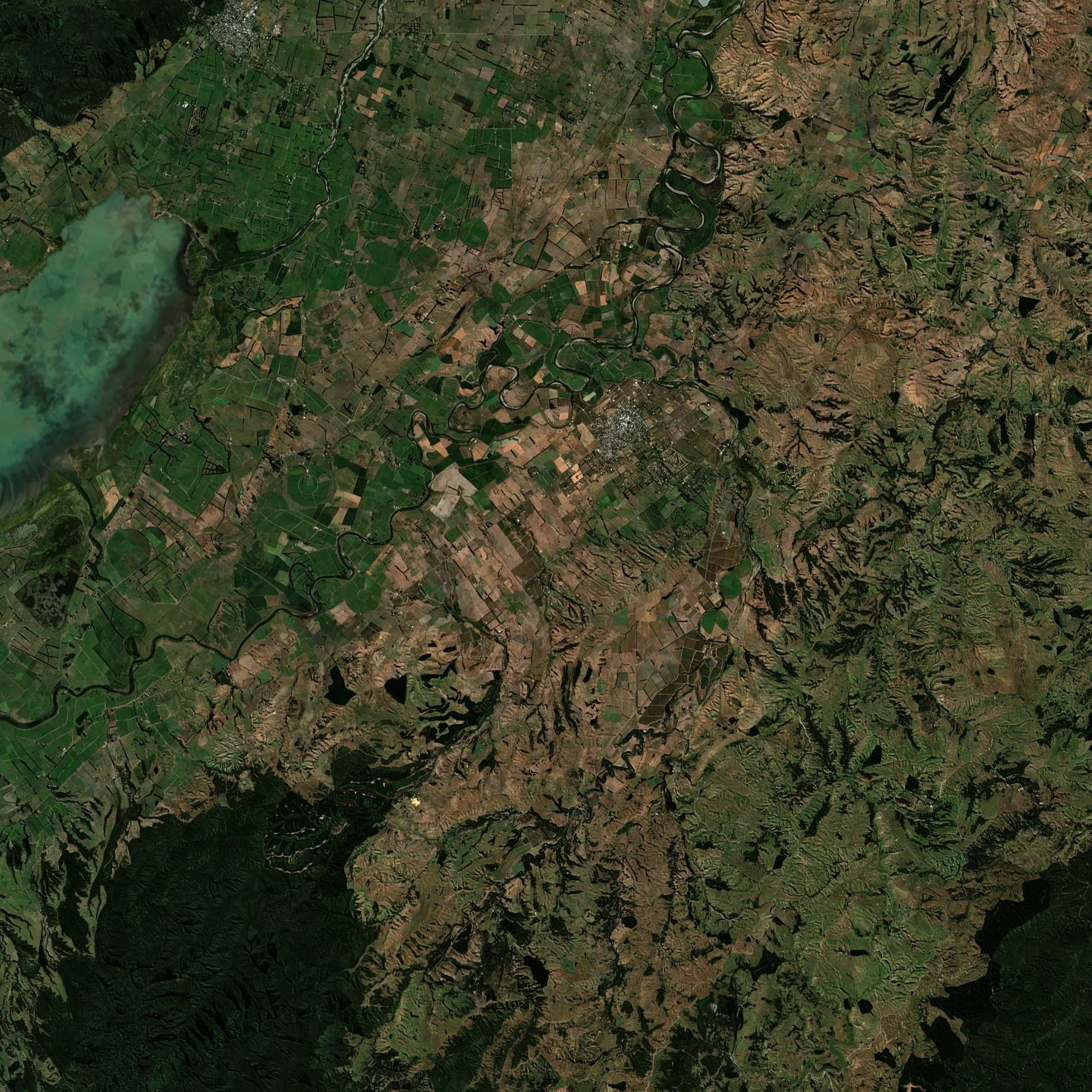
Wellington's weekend wine country. Dry autumns, ferocious winds that cut yields, and a cluster of family wineries led by Ata Rangi make Martinborough Pinot Noir of savoury depth from tiny crops.
More regions
The system
How wine is classified in New Zealand
For most of its short history New Zealand wine ran on producer names and goodwill rather than law. That changed when the Geographical Indications (Wine and Spirits) Registration Act came into force in 2017, turning familiar region names into registered legal designations.
- 01
Registered GI
The foundation. Marlborough, Central Otago, Hawke's Bay and the other major regions are now registered Geographical Indications, and a wine carrying one must be made from at least 85 percent grapes grown there. The names existed for decades; the Act gave them legal teeth at home and in export markets.
- 02
Sub-GIs
Smaller registered areas nested inside larger ones, where growers believe the land says something more precise. Waipara Valley sits within North Canterbury, and Martinborough within the wider Wairarapa. Expect more as regions map their differences, Central Otago's subregions among the likely candidates.
- 03
Trademark districts
Some of the most famous names on New Zealand labels are not GIs at all but trademarks policed by grower associations. Gimblett Gravels is the model: a precisely surveyed 800 hectares of old riverbed whose name may only appear on wines made at least 95 percent from fruit grown within it.
A tasting plan
Where to start
Start with the wines that made the country's name, then follow the coastlines to the smaller regions, and finish with the wines that show how far New Zealand has travelled in fifty years.
Start here
Three wines that explain why a country with fifty harvests of history sits on wine lists everywhere.
Marlborough Sauvignon Blanc
Marlborough · Sauvignon Blanc
The world's most recognisable white wine style. Passionfruit, gooseberry, fresh-cut grass, and a rush of cool acidity that snaps the palate awake. From the famous names to small growers, the quality floor is remarkably high, and no other wine announces its origin so instantly.
Central Otago Pinot Noir
Central Otago · Pinot Noir
Dark cherry, wild thyme, and a schist-edged firmness from the world's southernmost Pinot region. Generous enough to enjoy young, serious enough to keep, and the clearest proof that New Zealand is far more than a one-grape country.
Hawke's Bay Chardonnay
Hawke's Bay · Chardonnay
The sunny east coast gives Chardonnay of ripe stone fruit over a fine citrus line, with oak used as seasoning rather than statement. A gentler introduction to the country's whites than its famously loud Sauvignon.
Go deeper
Head to the small regions where wind, limestone, and stony riverbed each leave a distinct signature.
Martinborough Pinot Noir
Martinborough · Pinot Noir
From a windswept little town at the southern tip of the North Island, where brutal spring winds keep crops tiny. Ata Rangi and Dry River set the style: savoury, perfumed, structured Pinot that is often the country's most Burgundian.
Gimblett Gravels Syrah
Hawke's Bay · Syrah
Black pepper, violets, and dark raspberry from the stony old riverbed, closer in spirit to Hermitage than to Shiraz. Te Mata's Bullnose and Trinity Hill's Homage show how seriously Hawke's Bay takes the grape.
Waipara Riesling
North Canterbury · Riesling
Limestone country an hour north of Christchurch, and New Zealand's quiet answer to the great Rieslings of Europe. Pegasus Bay is the benchmark: styles from taut and dry to honeyed, all with piercing acidity and real ageing potential.
For the curious
The summit wines: the country's first growth, its grand-cru-in-the-making Pinot blocks, and Sauvignon Blanc with nothing left to prove.
Te Mata Coleraine
Hawke's Bay · Cabernet Sauvignon
A Cabernet and Merlot blend from the Havelock North hills, made since 1982 by a winery founded in 1896, the country's oldest. Elegant, cedary, and long-lived, and widely treated as New Zealand's first growth.
Felton Road Bannockburn Pinot Noir
Central Otago · Pinot Noir
Biodynamically farmed blocks at Bannockburn, bottled parcel by parcel. Block 3 and Block 5 are the collectors' names: Pinot of silk and schist that leads the case for Central Otago as a grand cru in the making.
Barrel-fermented Marlborough Sauvignon
Marlborough · Sauvignon Blanc
The famous style's serious sibling. Wild yeasts and older oak turn the region's exuberant grape into something textural, smoky, and age-worthy. Cloudy Bay's Te Koko and Greywacke's Wild Sauvignon show where Marlborough goes next.
At the table
Wine and food in New Zealand
New Zealand's table comes off the water and out of the hills: green-lipped mussels, Kaikoura crayfish, whitebait fritters, spring lamb, and farmed venison. The wines could have been designed for it. Sauvignon Blanc belongs with anything from the sea, Pinot Noir with the lamb that grazes its own landscapes, and the aromatic whites with the Pacific Rim cooking of the cities.
Frequently Asked Questions
How did Marlborough Sauvignon Blanc conquer the world?▼
Why are almost all New Zealand wines sealed with screwcaps?▼
What makes Central Otago Pinot Noir special?▼
What are the Gimblett Gravels, and what is Coleraine?▼
What did the 2017 GI Act change?▼
Is New Zealand wine really sustainable?▼
Which producers are the best guides to New Zealand?▼
Keep exploring