CorkCork
Nelson

New Zealand

Nelson

MarlboroughMarlboroughMartinboroughMartinboroughHawke's BayHawke's BayGisborneGisborneNorth CanterburyNorth CanterburyCentral OtagoCentral OtagoNelsonNelson

New Zealand wine regions

About Nelson

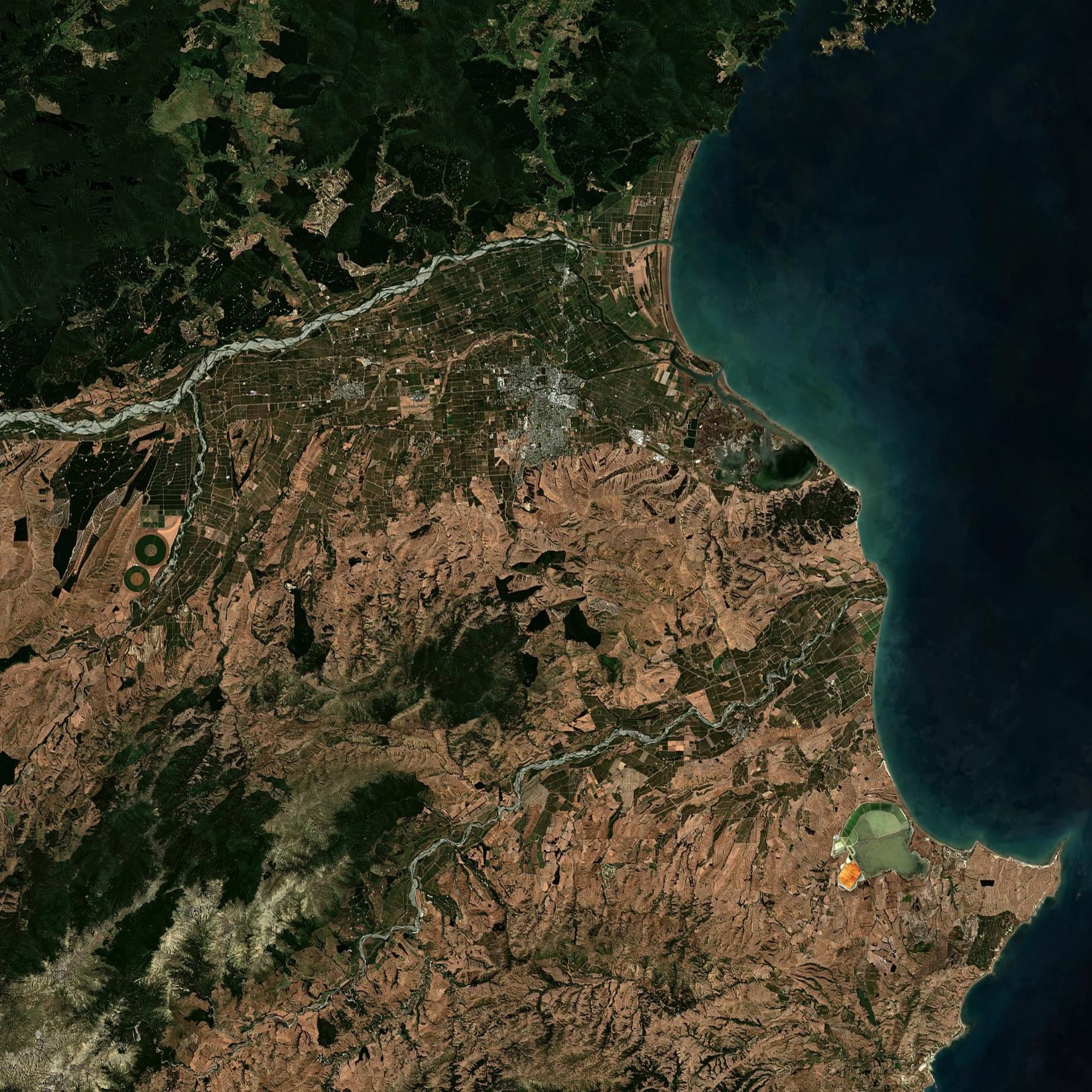
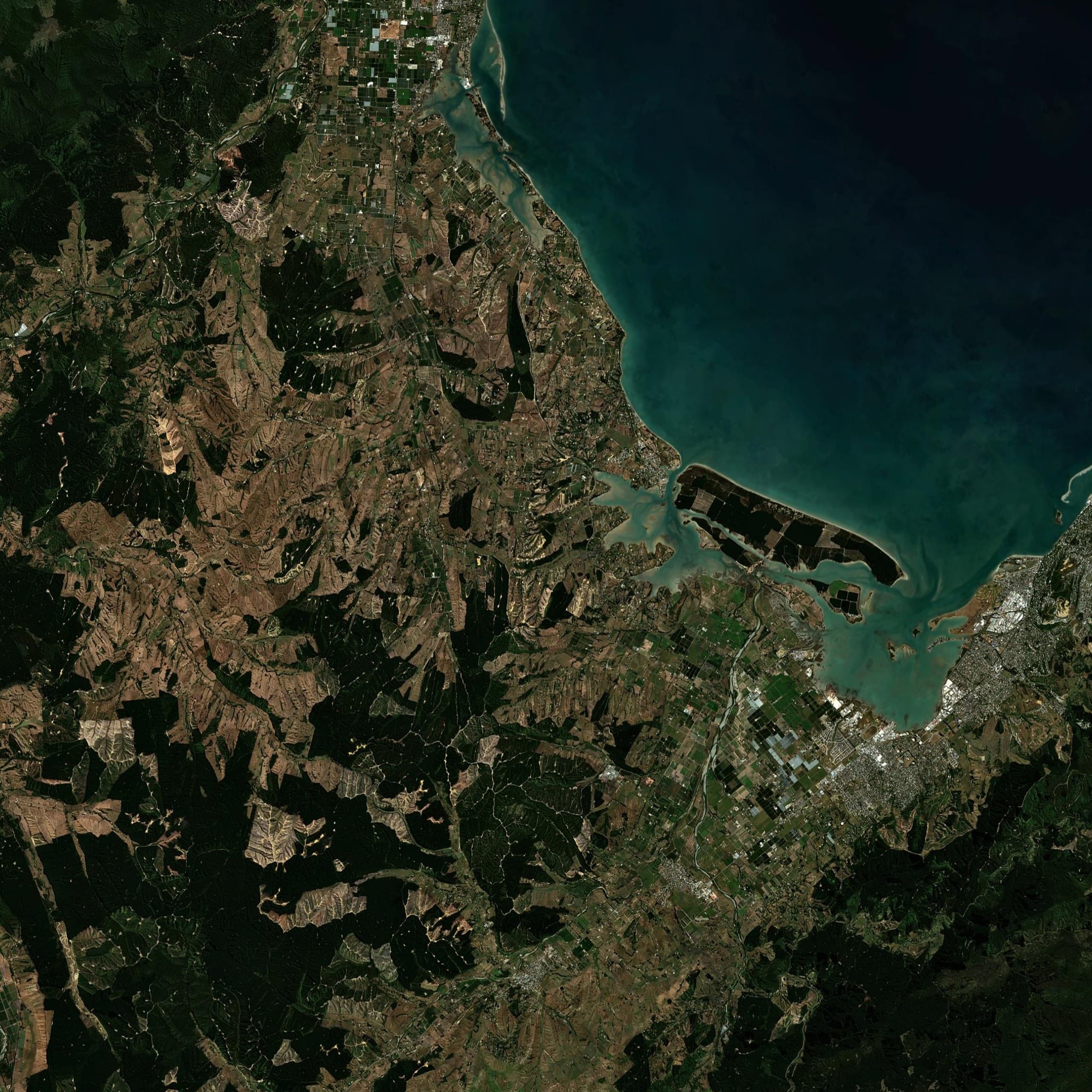
Nelson is Marlborough's artistic cousin across the ranges, a small region of orchards, hop gardens, and galleries that happens to claim some of New Zealand's highest sunshine hours. Its wine story splits in two. The Waimea Plains grow fresh, aromatic whites on stony river soils, while the Moutere Hills, ancient clay-bound gravels to the west, give slow-ripening, deeply textured wines. Neudorf, planted on the Moutere in 1978, makes a Chardonnay regularly named among the southern hemisphere's finest, and the Pinot Noir from these clay hills has a quiet, supple confidence. It is a region best explored slowly, beach and cellar door in the same afternoon.

Districts & Localities

Classification System

New Zealand's GI (Wine and Spirits) Registration Act passed in 2006 and came into force in 2017. A registered GI on the label means at least 85 percent of the grapes grew in the named area. Famous district names like Gimblett Gravels are not GIs at all but privately held trademarks with their own, stricter rules.

Registered GI

Marlborough to Central Otago, 85 percent of the fruit from the named area

Nested GI

A registered area inside a larger one, like Bannockburn within Central Otago

Trademark district

Privately enforced names like Gimblett Gravels, which demands 95 percent from its gravel soils

What Nelson produces

White

Moutere Chardonnay of real depth, led by Neudorf, with bright Sauvignon Blanc, Pinot Gris, and Riesling from the plains.

Red

Supple, red-fruited Pinot Noir, gentle and perfumed, at its best off the clay hills.

Grapes of Nelson

Climate

Sunny maritimeMild summersCool nightsLong gentle autumnSheltered by ranges

Sunny maritime climate, sheltered by mountains on three sides, with mild summers, cool nights, and a long, gentle autumn. Tasman Bay softens the extremes, and the region regularly tops New Zealand's sunshine-hours table. Autumn rain can intrude, so the free-draining sites earn their keep.

Terroir

Clay-bound gravelsWeathered clay hillsAlluvial siltsStony plainsLow-vigour soils

Two distinct soils define Nelson. The Moutere Hills are deep, ancient gravels bound in weathered clay, low-vigour ground that ripens slowly and gives wines of texture and length. The Waimea Plains are younger alluvial silts and stones laid down by the Waimea river, giving brighter, earlier-drinking aromatics.

Typical Aromas

white peachnectarinecitrus blossomred cherryhazelnutwet stone
Explore the aroma wheel

More in New Zealand

Frequently Asked Questions

What makes Nelson wine special?▼
Nelson pairs some of New Zealand's highest sunshine hours with two very different soils. The stony Waimea Plains grow bright, aromatic whites, while the ancient clay-bound gravels of the Moutere Hills ripen slowly into deeply textured Chardonnay and supple Pinot Noir. Neudorf, planted on the Moutere in 1978, makes a Chardonnay regularly ranked among the southern hemisphere's finest. Add beaches, galleries, and hop gardens, and it is a region made for slow exploring.
What grapes are grown in Nelson?▼
Sauvignon Blanc covers the most ground, but the region's reputation rests on Chardonnay and Pinot Noir, especially from the Moutere Hills. Pinot Gris is a genuine strength, generous and spiced, and there are lovely aromatic Rieslings and Gewurztraminers from the plains. The mix leans white, with Pinot Noir the one red that truly matters here.
What is the difference between the Moutere Hills and the Waimea Plains?▼
The Moutere Hills are old, weathered gravels bound in clay, low-vigour ground that ripens slowly and gives wines of texture, depth, and length. The Waimea Plains are younger, stonier river soils that produce brighter, fresher, earlier-drinking styles. A Moutere Chardonnay next to a Waimea one is a terroir lesson in a single tasting.
How does Nelson compare to Marlborough?▼
They sit either side of the same ranges, but Nelson is smaller, gentler, and more artisan. Marlborough built a global empire on Sauvignon Blanc; Nelson's fame rests on small-production Chardonnay and Pinot Noir from the Moutere clay. If Marlborough is the famous name, Nelson is the insider's pick, and its cellar doors feel more like visiting someone's farm than touring a brand.
What food pairs well with Nelson wines?▼
The region sits on Tasman Bay, so seafood is the natural call: seared scallops or green-lipped mussels with the aromatic whites, salmon with Moutere Chardonnay. Pinot Noir from the clay hills is lovely with roast chicken or duck, and a creamy local brie with a glass of Pinot Gris makes an easy golden-afternoon pairing.

Map data: GI boundaries from the IPONZ Geographical Indications Register (Crown copyright, CC BY 4.0) · LINZ NZ Suburbs and Localities (CC BY 4.0) · District outlines © OpenStreetMap contributors (ODbL)