CorkCork

Nahe

Germany

About Nahe

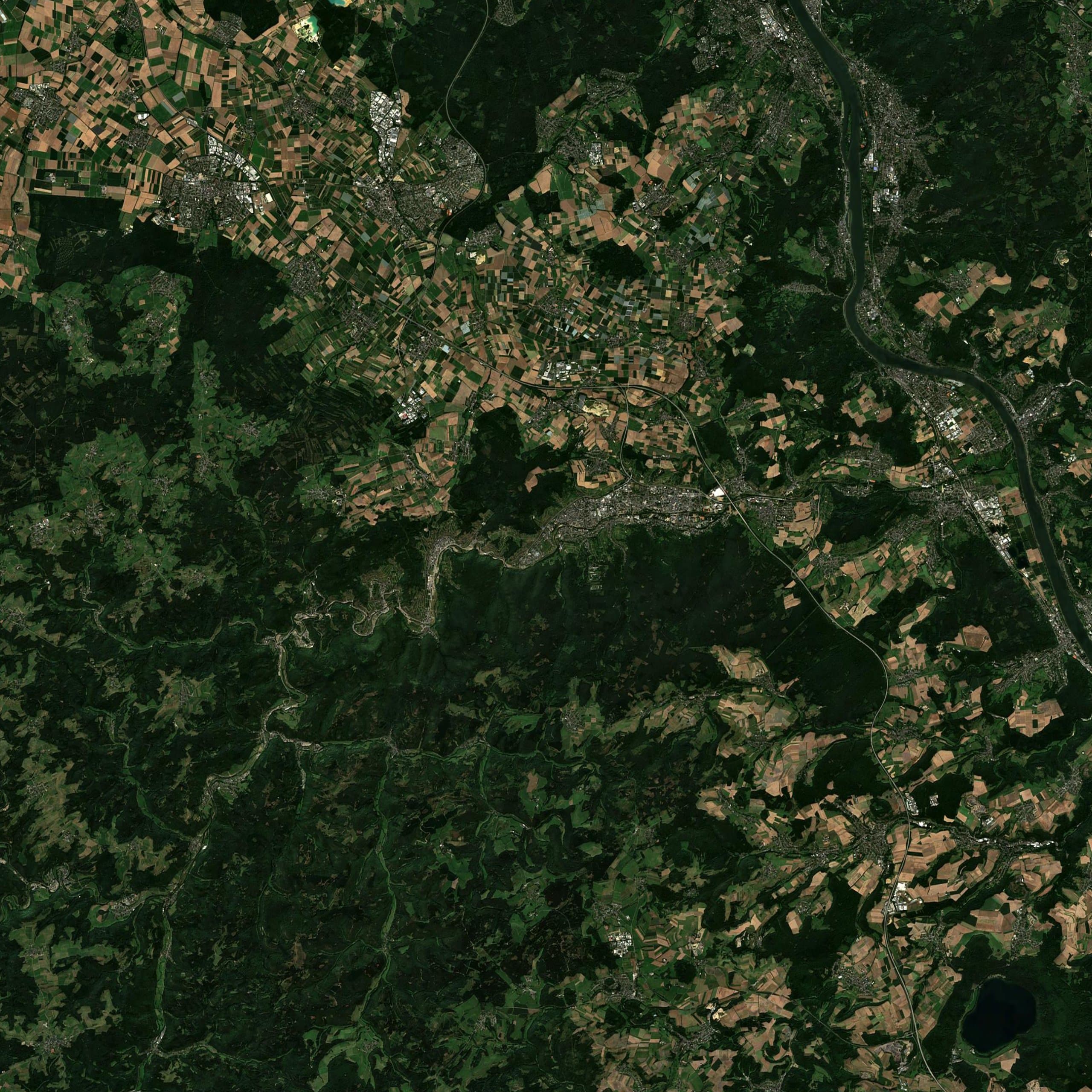
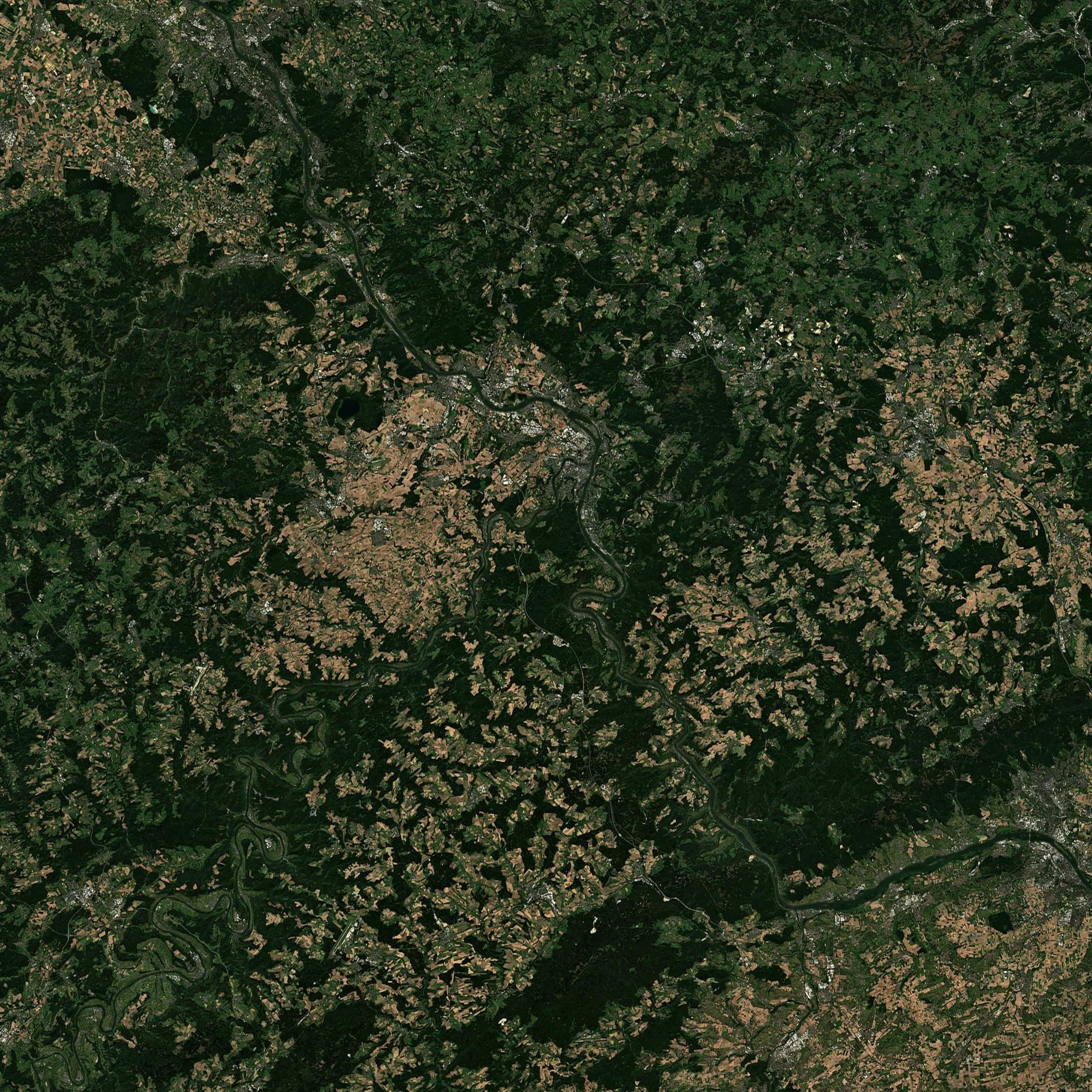
The Nahe is one of Germany's most geologically diverse wine regions, tucked between the Mosel, Rheinhessen, and the forested hills of the Hunsrück. The river Nahe and its tributaries carve through an extraordinary patchwork of volcanic porphyry, slate, quartzite, sandstone, and loess, giving each village a distinctly different character. Riesling dominates, and the best sites produce wines that combine the minerality of the Mosel with the body of the Rheingau. Around Schlossböckelheim and Niederhausen, steep slopes of volcanic and slate soils yield some of Germany's most profound, age-worthy Rieslings, while the warmer vineyards near Bad Kreuznach produce rounder, more approachable styles. The region remains relatively under the radar, which means outstanding quality at fair prices. Estates like Dönnhoff, Emrich-Schönleber, Schäfer-Fröhlich, and Gut Hermannsberg have earned international acclaim, proving the Nahe belongs alongside the Mosel and Rheingau as one of Germany's great Riesling regions.

Vintage Ratings

Rating:
5
4
3
2
1
PeakReadyHold
Year2024202320222021202020192018201720162015201420132012201120102009200820072006200520042003200220012000
White

Cork tracks drinking windows for every Nahe vintage in your cellar. Sign up

Outstanding Nahe Vintages

The best recent vintages rated excellent or exceptional.

White

2024

Ready
Excellent

Small harvest due to spring frost, but a long ripening season produced fresh, mineral wines with pronounced fruit. An elegant Kabinett and Spatlese year.

2026Peak 203020382040

2023

Ready
Excellent

Cool extended season with classic balance. Moderate alcohol, bright acidity, and pronounced minerality.

2025Peak 202920372040

2022

Ready
Excellent

Hot dry summer with August rain providing relief. Concentrated and powerful yet surprisingly fresh.

2024Peak 202820352038

2021

Ready
Excellent

Cool and challenging, but meticulous producers crafted pure, transparent, mineral wines. Nahe excelled, with high acidity ensuring excellent ageing potential.

2024Peak 202820352038

2019

Ready
Exceptional

A modern classic. Warm days and cool nights created perfect balance.

2022Peak 202720402045

2018

At peak
Excellent

Record warmth produced powerful wines with exotic fruit profiles and higher alcohol than typical. Atypical but delicious, with surprising freshness from the best sites.

2020Peak 202420322035

2017

At peak
Excellent

Spring frost halved yields across the region, but surviving grapes achieved excellent concentration. Elegant wines with brilliant sweet-acid balance.

2019Peak 202320322035

2015

At peak
Exceptional

Near-perfect conditions. Every style from bone-dry GG to TBA succeeded.

2018Peak 202220402045

2013

At peak
Excellent

Late cool season with a small crop of exceptional purity and precision. Nahe was a standout region in a challenging year.

2016Peak 201920282030

2012

At peak
Excellent

Perfect flowering and warm summer gave rich, concentrated, structured wines. GGs show particular success from the best Nahe sites.

2014Peak 201820292032

2011

At peak
Excellent

Early warm vintage with fruit-forward, open-knit wines. Immediately appealing with opulent flavors and good balance.

2013Peak 201620272030

2010

At peak
Excellent

Cool, wet season produced wines with racing acidity that need time. Built to age, with off-dry and sweet styles particularly successful where sugar balances the acid.

2014Peak 201820322035

2009

At peak
Exceptional

Rich, opulent, and hedonistic. Everything from bone-dry GG to TBA succeeded.

2012Peak 201820402045

2008

At peak
Excellent

A sleeper classic from a cool late season with a perfect October. Textbook balance and vibrant acidity.

2010Peak 201420272030

2007

At peak
Exceptional

Warm spring and perfect summer produced complete wines with ideal physiological ripeness. Both dry and sweet styles excelled across the region.

2010Peak 201520352040

2005

At peak
Exceptional

One of the century's greatest German vintages. Monumental structure and concentration paired with elegance.

2008Peak 201520402045

2004

Past window
Excellent

Cool, classic conditions produced refined, mineral Rieslings. Nahe was specifically cited as a standout region.

2006Peak 201020222025

2002

Drink now
Excellent

Autumn floods followed by a perfect late season. Excellent sweet wines with textbook botrytis.

2005Peak 201020252030

2001

At peak
Exceptional

Benchmark vintage and the reference point for classic German Riesling. Perfect balance of sugar and acidity, with wines built for decades of cellar life.

2005Peak 201020352040

Einzellagen

Loading map...

Terroir & Character

Climate

continentaldrysheltered

Continental climate moderated by the Rhine River, with warm, dry summers and mild winters. The river valleys provide protection from harsh weather, while southern exposures maximize sun exposure for optimal ripening.

Terroir

diverse soilssandstoneslatemineral-richquartzitesteep slopesporphyrylimestone

Extraordinary geological diversity featuring volcanic porphyry, quartzite, slate, sandstone, and limestone soils. Steep slopes along the Nahe River and its tributaries create distinct microclimates, while the varied soil types contribute unique mineral characteristics to each vineyard site.

Typical Aromas

white peachmineral slategreen applehoneysucklewet limestonecitrus zest
Explore the aroma wheel

Classification System

VDP Vineyard Classification

The Nahe has several renowned VDP estates, with classified vineyards producing some of Germany's finest Rieslings from volcanic and slate soils.

Grosse Lage

Grand Cru equivalent, the finest vineyard sites

Erste Lage

Premier Cru equivalent, excellent sites

Ortswein

Village-level wines from a named commune

Gutswein

Estate-level, entry point from VDP members

Prädikat System (Ripeness)

The traditional system classifies wines by grape ripeness at harvest, indicating sweetness and concentration.

Trockenbeerenauslese

Rarest, from individually selected dried berries

Eiswein

Pressed from naturally frozen grapes

Beerenauslese

From individually selected overripe berries

Auslese

From selected bunches of very ripe grapes

Spätlese

Late harvest, richer and riper

Kabinett

Lightest Prädikat, elegant and lower alcohol

Grapes of Nahe

Frequently Asked Questions

What makes Nahe wine special?
The Nahe is Germany's most geologically diverse wine region, with an incredible mix of volcanic porphyry, slate, quartzite, sandstone, and loess soils that create distinct terroir expressions. This geological diversity, combined with the river Nahe's moderating influence, allows winemakers to craft incredibly nuanced and mineral-driven wines. The region sits perfectly between the Mosel and Rheinhessen, giving it the best of both worlds in terms of climate and soil complexity.
What are the best Nahe vintages?
2019 stands out as exceptional - a modern classic with perfect balance from warm days and cool nights that created concentrated yet elegant wines. The recent string of 2021-2024 have all been very good, each scoring 4/5, with 2023 showing classic balance and 2022 delivering concentrated, powerful wines despite the challenging hot summer. 2021 was cool and challenging but the best producers made pure, transparent, mineral wines.
What grapes are grown in Nahe?
Riesling is the star here, producing the region's most acclaimed wines, followed by Müller-Thurgau as the workhorse variety. You'll also find excellent Pinot Blanc, Pinot Gris, and Silvaner for whites, plus some quality Pinot Noir for reds. The diverse soils really allow each grape to express itself differently depending on the specific vineyard site.
Is 2024 a good year for Nahe?
Yes, 2024 is a very good vintage despite the challenges - it scores 4/5. Spring frost reduced the harvest size significantly, but the long ripening season that followed allowed for excellent quality with fresh, mineral-driven wines. Sometimes smaller yields actually concentrate the flavors and lead to more intense, focused wines.
When should I drink Nahe 2024?
Nahe 2024s are described as fresh and mineral-driven, so the basic level wines are probably drinking beautifully now through 2027-2028. The higher-end Rieslings from top sites will likely benefit from 2-3 years of cellaring and can easily age 8-12 years or more. The concentrated nature from the small harvest suggests these wines have good aging potential.
What food pairs well with Nahe wines?
Nahe Rieslings are incredibly food-friendly - try them with spicy Asian cuisine, pork dishes, or river fish like trout. The mineral-driven character works beautifully with shellfish and lighter seafood preparations. The region's Pinot Noirs pair nicely with roasted chicken or duck, while the Pinot Blanc and Pinot Gris are excellent with creamy German dishes or cheese plates.
How does Nahe compare to Mosel?
Nahe wines tend to be more structured and mineral-driven compared to Mosel's ethereal, delicate style - think of Nahe as having more backbone and power. While Mosel is famous for its slate soils, Nahe's geological diversity creates more varied flavor profiles within the region. Nahe Rieslings often show more stone fruit and citrus concentration, whereas Mosel leans toward floral and lime notes with that signature slate minerality.

Map data: Landwirtschaftskammer Rheinland-Pfalz