
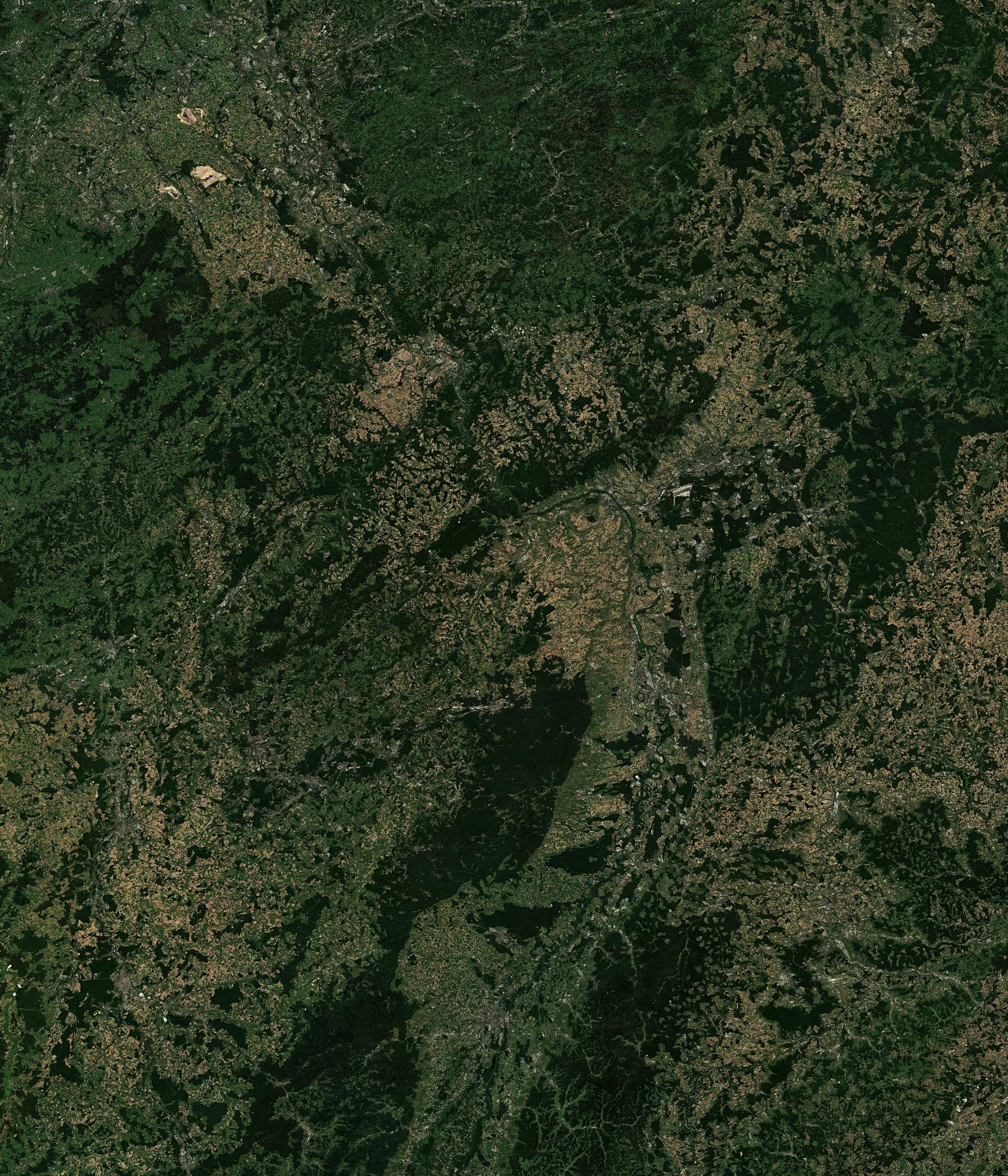
Country
Germany
Riesling, slate, and the long elegant line
The cool northern edge of where vines can ripen. Riesling on Mosel slate, Spätburgunder from the Ahr and Baden, and a deep bench of dry whites that trade power for tension.
13 Anbaugebiete
Wine regions
Riesling
Top grape
47–51° N
Latitude band
60° (Mosel)
Steepest vineyards
Grosses Gewächs
Top tier
Mostly dry today
Dry vs sweet
The country
Why Germany matters
In the nineteenth century, Mosel and Rheingau Riesling sold for more than first-growth Bordeaux on London auction lists. Two world wars and the 1971 wine law collapsed that, and for thirty years the country was synonymous with Liebfraumilch.
The rebuild started in the 1990s. The VDP — an association of top growers — built a private classification on top of the official law and pushed the country back toward dry, single-vineyard wines.
What the country offers today is a Riesling spectrum no one else can match: bone-dry GG, off-dry Kabinett, noble-sweet Auslese. Plus a Spätburgunder revival that has put German Pinot Noir on the same shelf as Burgundy.
What grows here
The signature grapes
The varieties that define Germany. Tap any card to drill into the grape's profile.
The land
Terroir at a glance
Germany makes serious wine on the absolute northern margin. What makes it possible are sun-traps: steep slate slopes, river-warmed loess, a few volcanic outcrops, and a network of valleys that pull warm air uphill on long afternoons.
Mosel slate
Dark, broken, almost vertical. The slope absorbs heat during the day and radiates it back at night, allowing Riesling to ripen on terrain that would defeat any other grape. Each tributary — Saar, Ruwer, Mittelmosel — has its own slate variant.
The warm Rhine corridor
Rheinhessen and Pfalz on the warmer side of the Rhine sit on loess, limestone, and red sandstone. Sheltered by the Haardt mountains, Pfalz is the warmest of the major regions and home to the country's richest dry Rieslings.
Volcanic and Pinot south
Baden in the deep south sits on volcanic Kaiserstuhl soils warmed by the Black Forest's rain shadow. The country's Pinot Noir region and its warmest classified district. The Ahr does cool-climate Pinot just as seriously.
Continental Franken
Franken sits east of the Rhine on shell limestone (Muschelkalk) and faces a continental climate. Cold winters, dry summers, and a Silvaner tradition that produces some of the country's most distinctive whites.
On the map
The regions worth visiting
Only regions with mapped vineyards and full guides are shown. Each tile leads to its appellations and vintages.
Germany wine regions. Select a region to learn more.
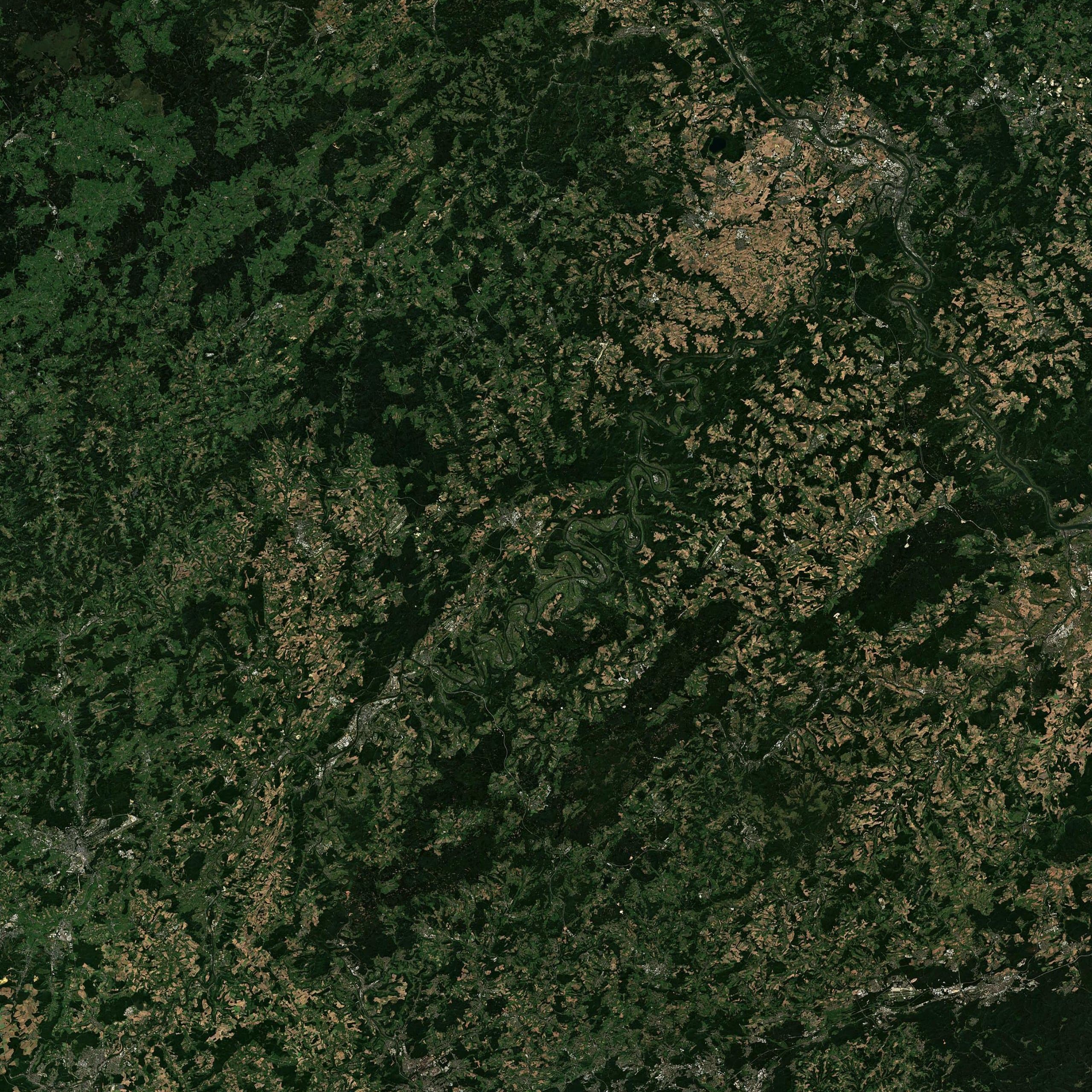
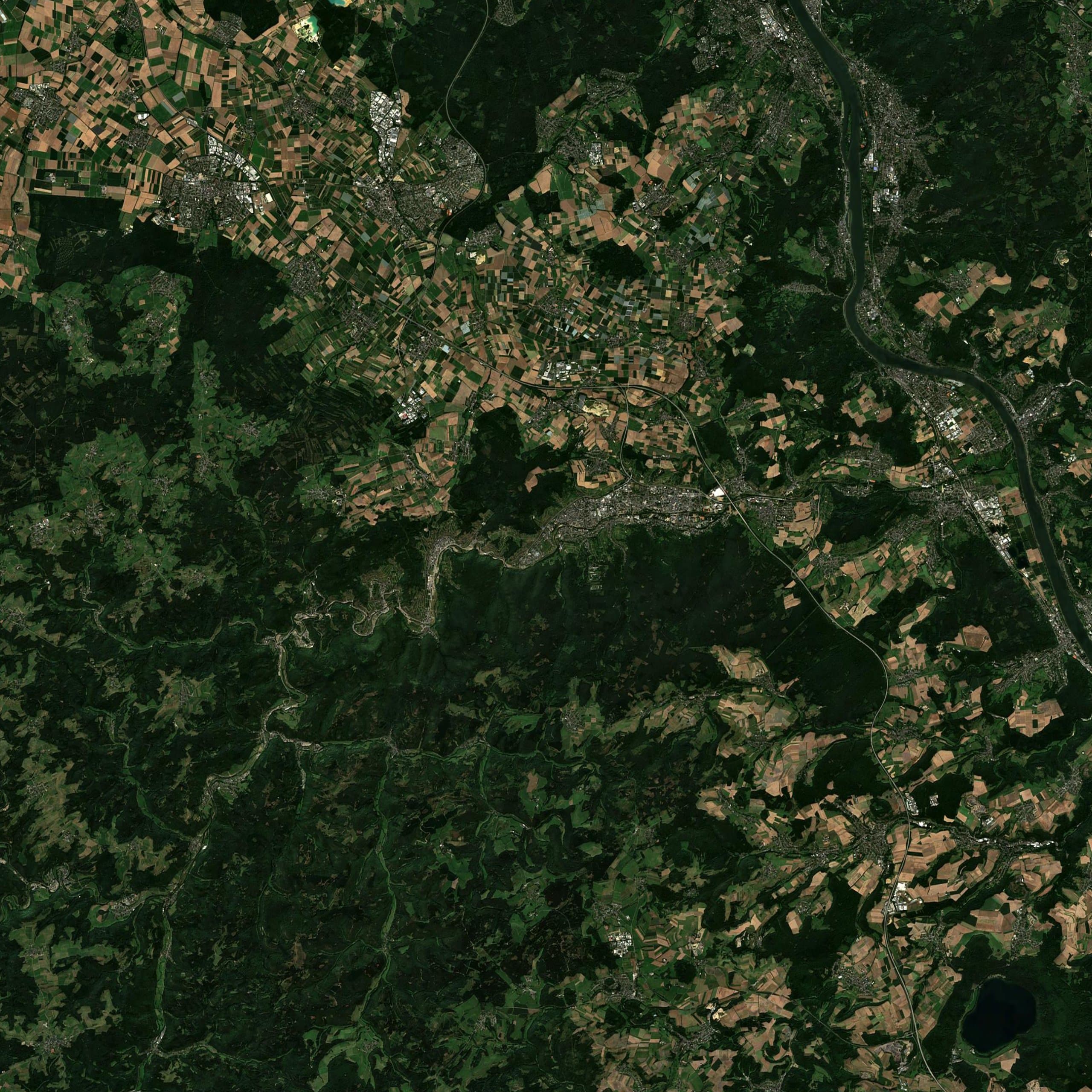
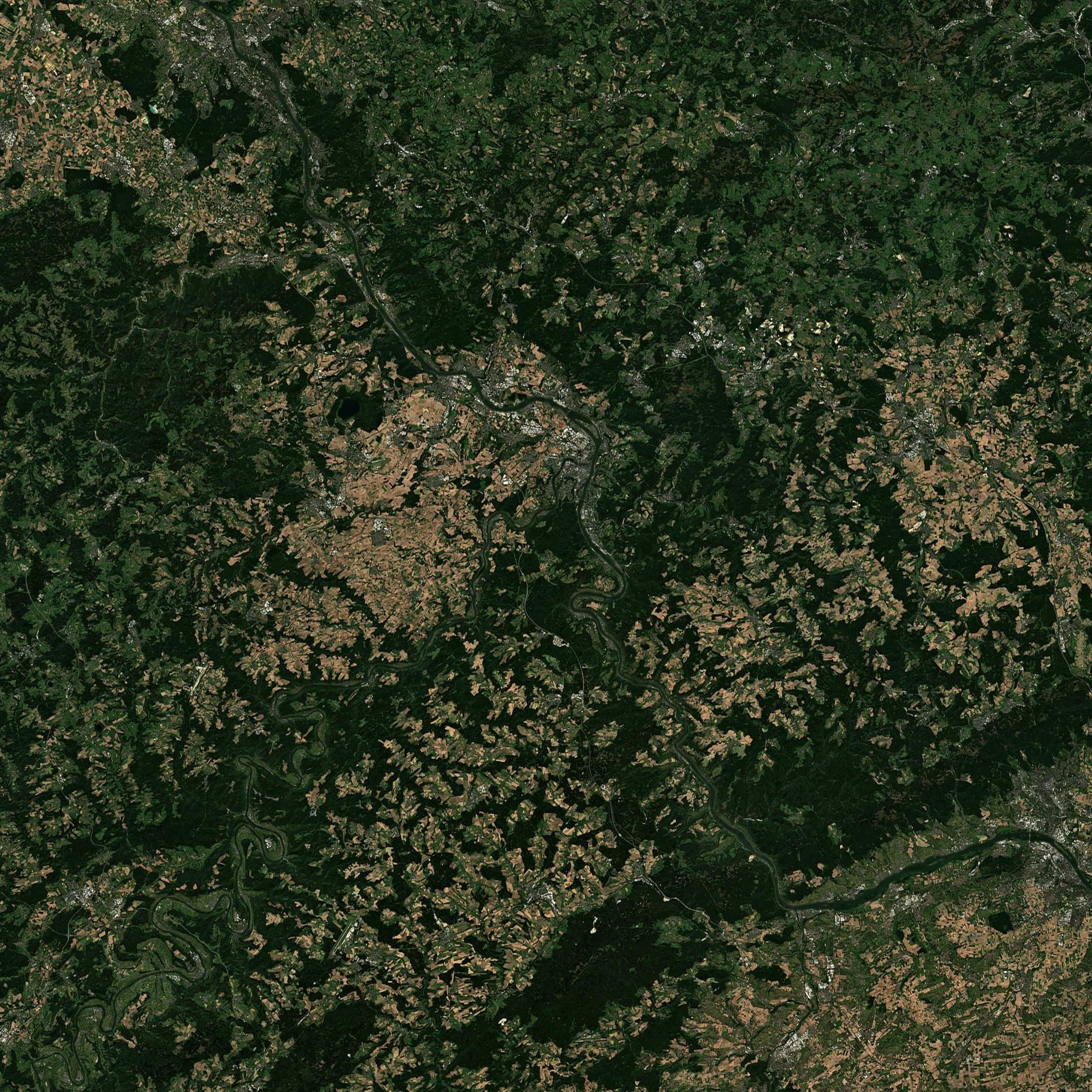
The Riesling north
Slate, river, and the country's most famous Riesling slopes. The Ahr also makes Germany's most age-worthy Pinot Noir.
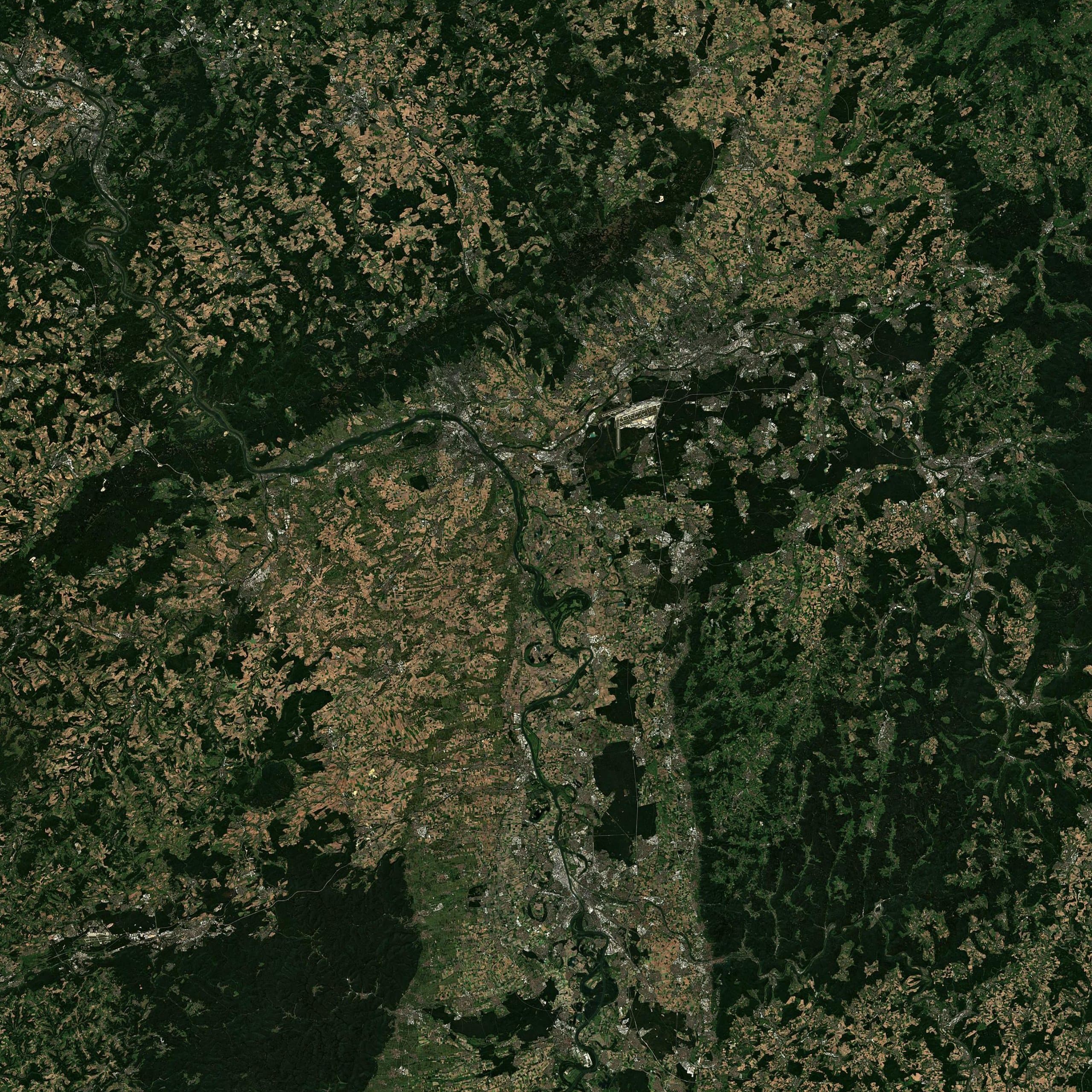
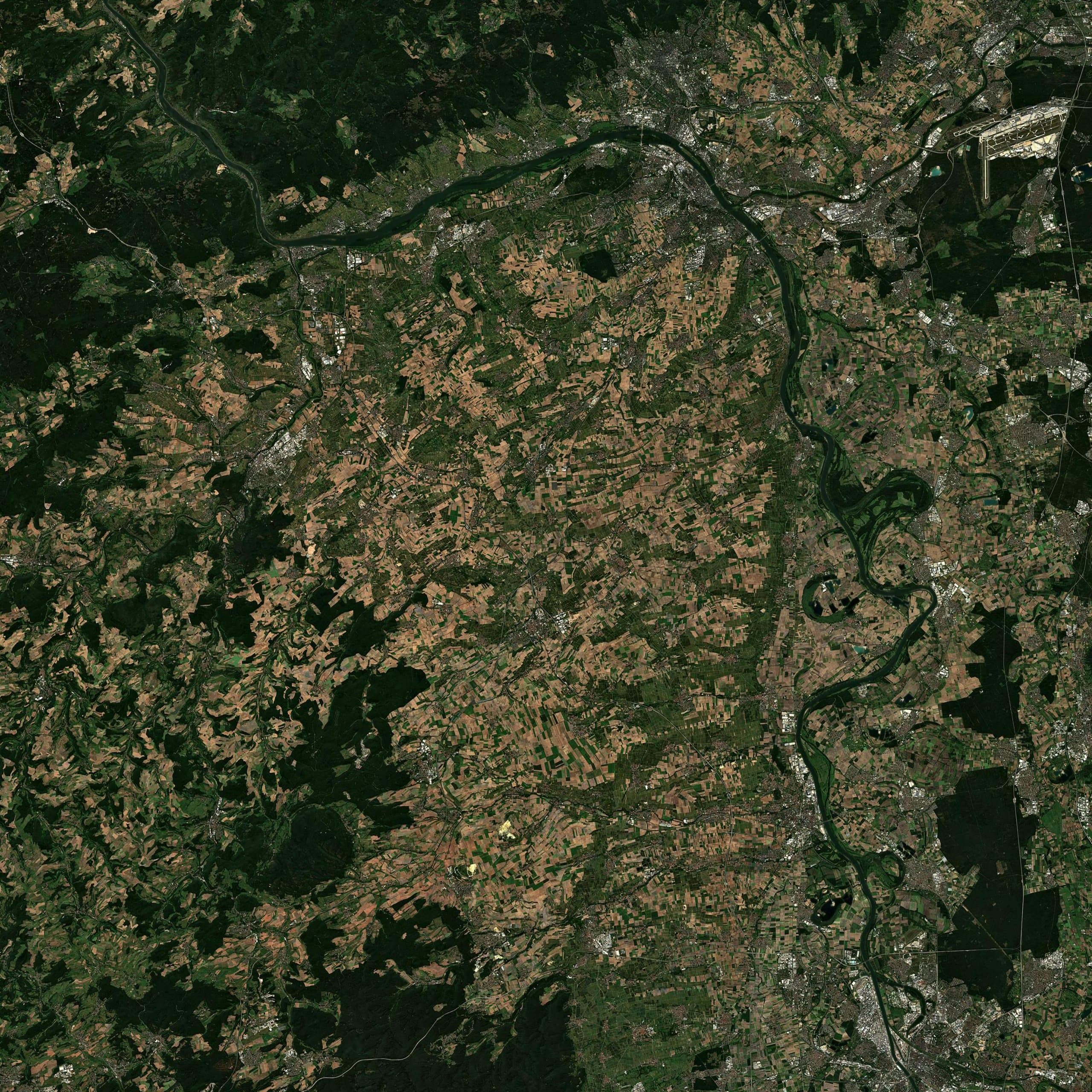
The warm Rhine middle
Loess and limestone. Germany's largest and warmest classic regions, with serious dry Rieslings and the most ambitious Pinots.
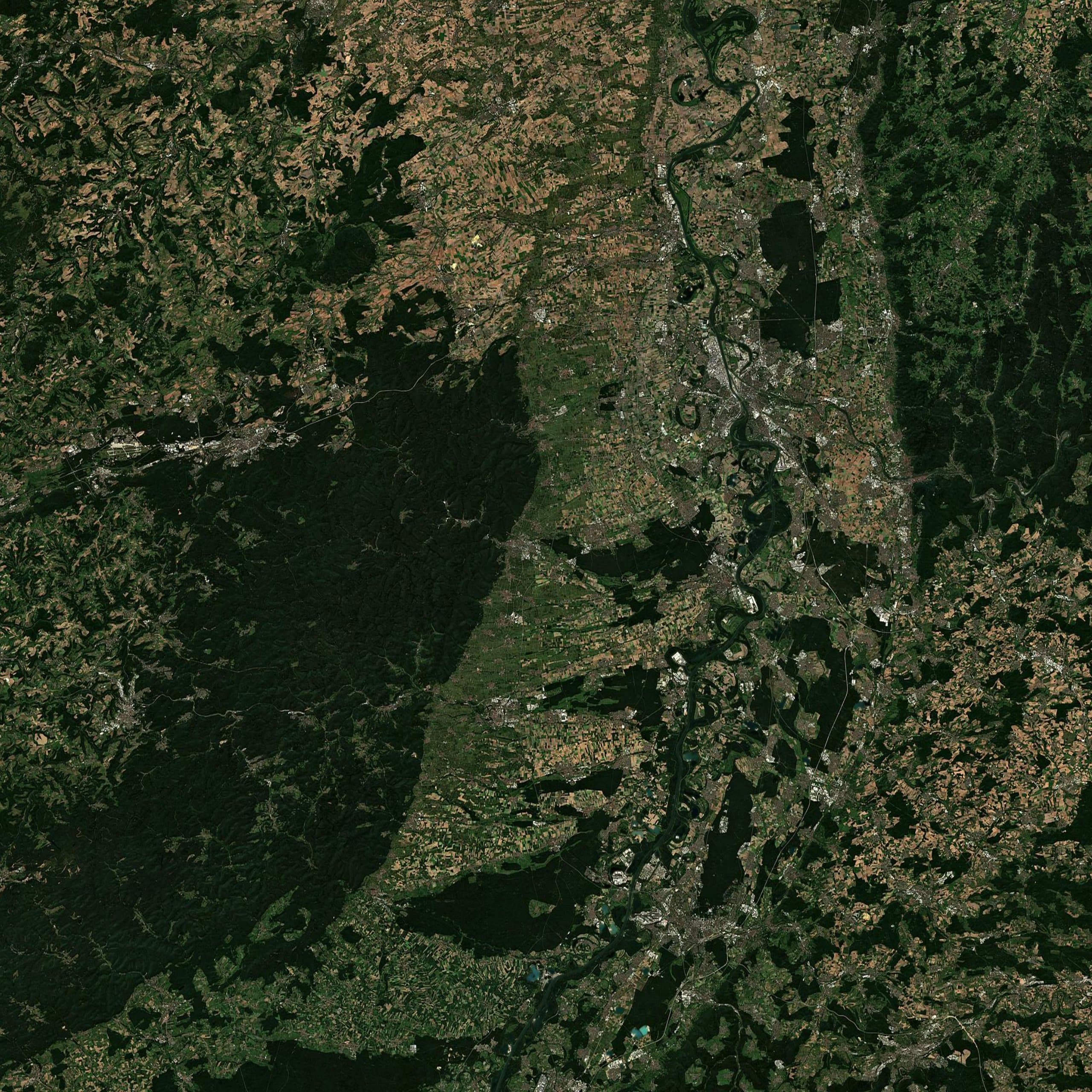
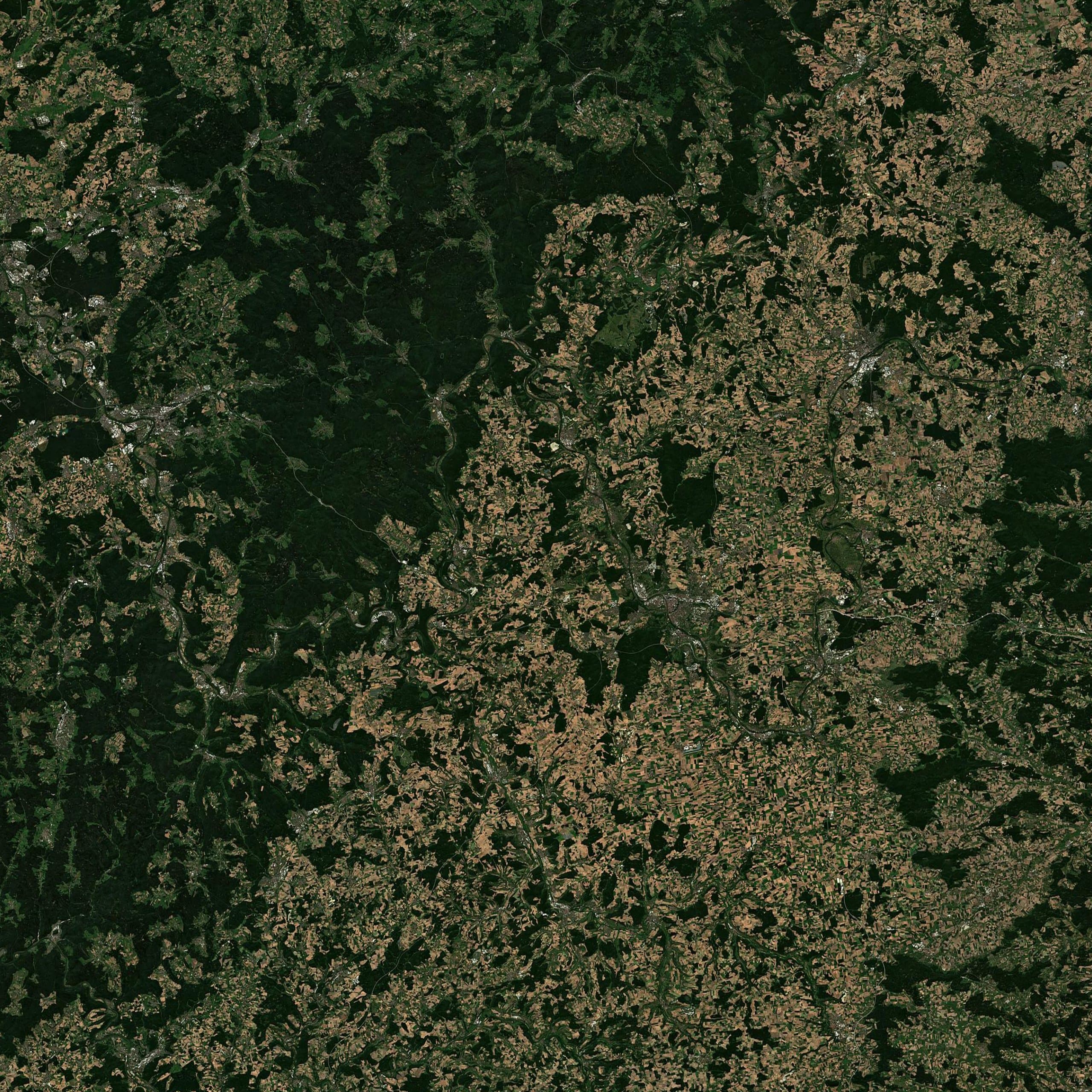
The east and centre
Continental climate, shell-limestone soils, and the country's strongest Silvaner tradition.
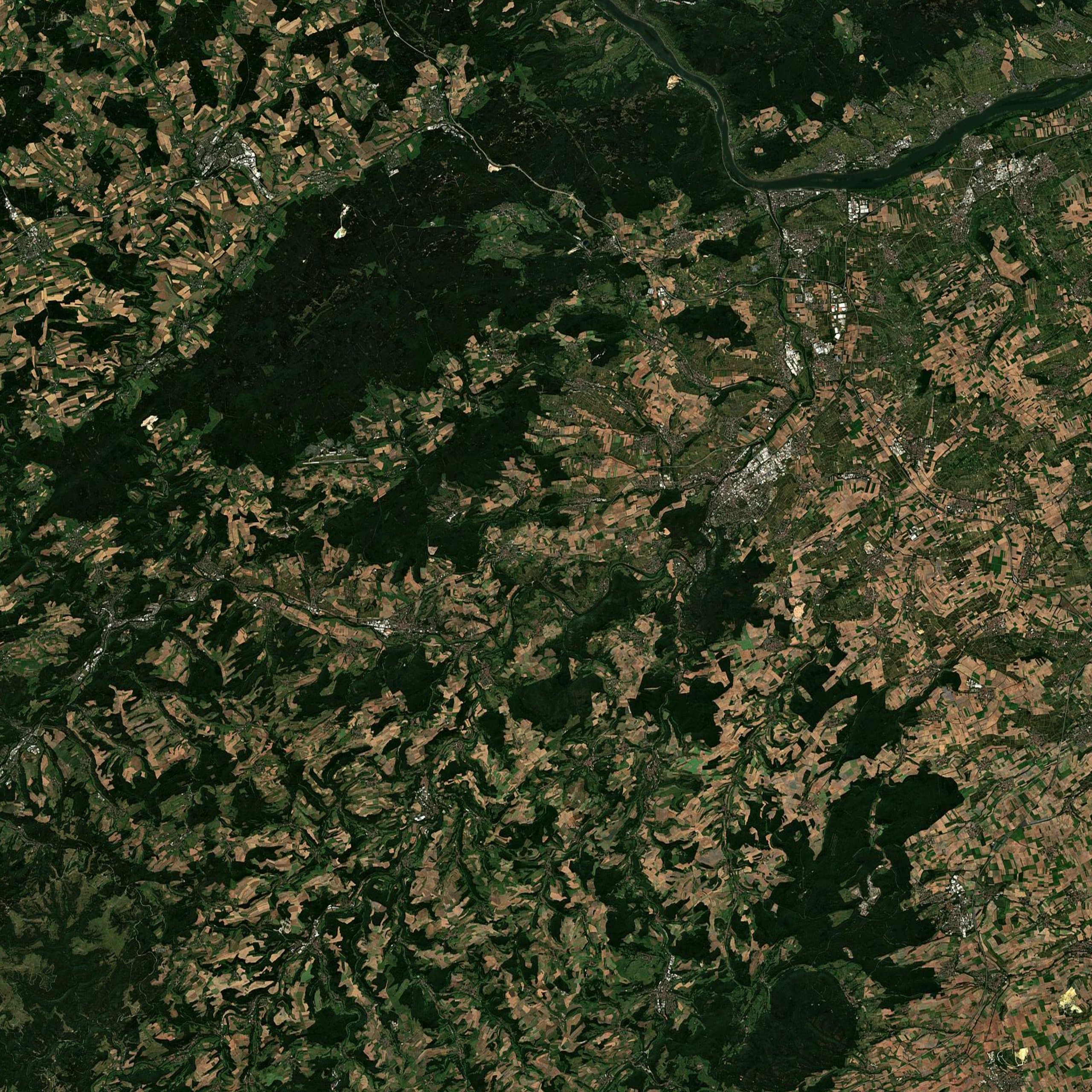
The southern uplands
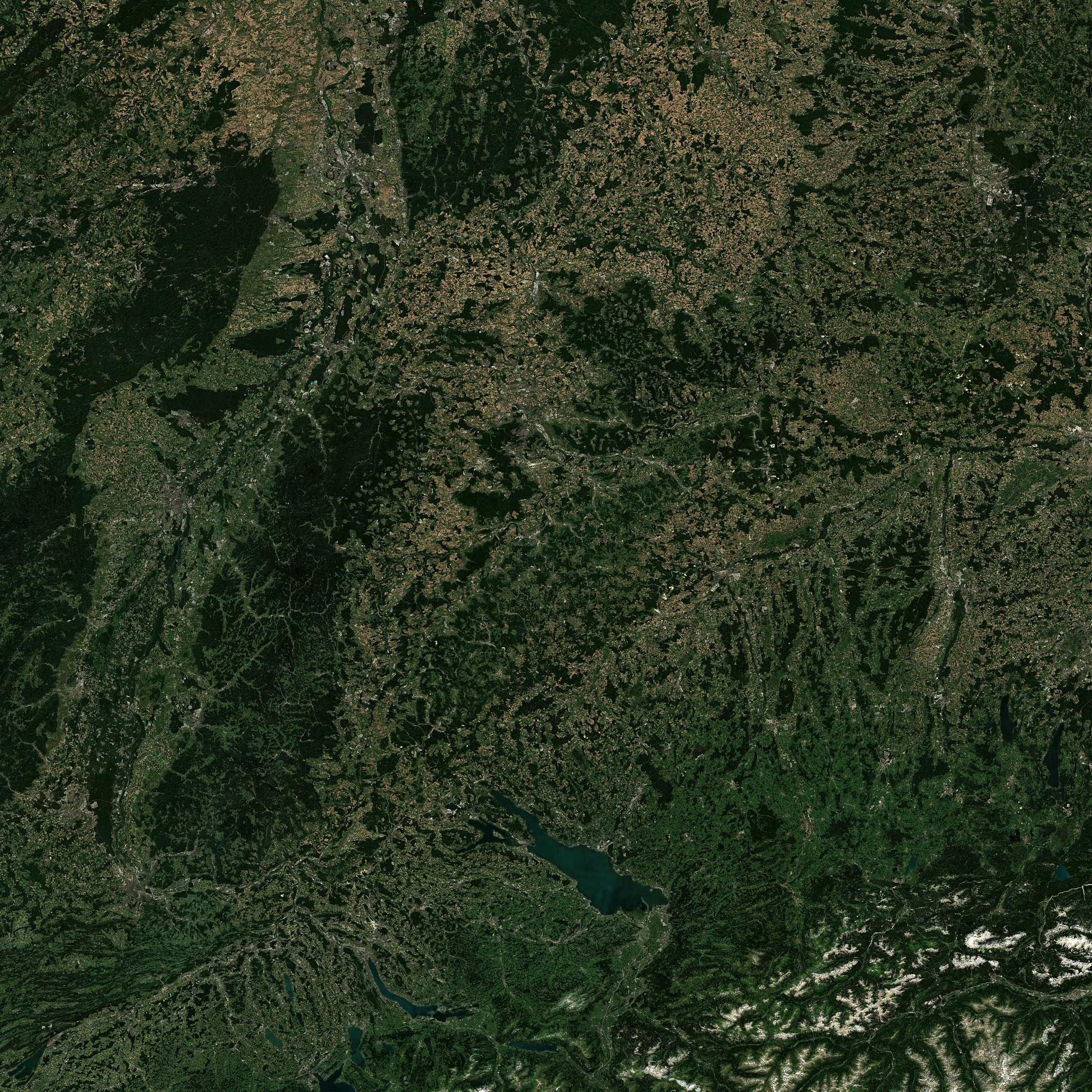
Volcanic and limestone Pinot country in Baden, plus Württemberg's Trollinger and Lemberger reds.
The system
How wine is classified in Germany
Germany has two parallel systems. The official law sorts wines by ripeness at harvest. The VDP — Germany's leading private association — sorts wines by site quality, the way Burgundy does. Most premium German wine carries both.
- 01
Grosses Gewächs (VDP)
Abbreviated GG. The dry top tier — grand-cru-level single vineyards bottled dry. Roughly equivalent to a Burgundian premier or grand cru, just dry by default.
- 02
Erste Lage (VDP)
Premier-cru single vineyards in the VDP system. Typically dry, sometimes off-dry, always single-site.
- 03
Prädikat ladder
Kabinett, Spätlese, Auslese, Beerenauslese, Eiswein, Trockenbeerenauslese. These tell you how ripe the grapes were at harvest, not whether the wine is sweet or dry.
- 04
Trocken / feinherb / fruchtig
Sweetness label on top of the Prädikat. Trocken is dry, feinherb is gently off-dry, unmarked Kabinett and Spätlese are usually fruchtig (with residual sugar). The part of a German label that confuses outsiders most.
A tasting plan
Where to start
Germany rewards a comparative tasting. One Mosel, one Pfalz, one Pinot — and you have walked the country from cool slate to warm loess to red wine in three glasses.
Start here
Three textbook bottles that show the country's range without asking the drinker to commit to one style.
Mosel Kabinett
Mosel · Riesling
Kabinett is the lightest tier of German Riesling — picked early, with low alcohol (often 8–9%), a touch of natural sweetness, and electric acidity. Grown on slate slopes so steep they're farmed by hand.
Pfalz Riesling Trocken
Pfalz · Riesling
'Trocken' means bone-dry. Pfalz is Germany's warmest classic region, so the Riesling has more body than Mosel — closer in feel to white Burgundy, with the same mineral backbone.
Spätburgunder from Baden
Baden · Pinot Noir
'Spätburgunder' is the German name for Pinot Noir. Baden in the deep south is Germany's warmest classic region, and its Pinot is lean, red-fruited, and significantly underpriced compared to Burgundy.
Go deeper
Step into the VDP's single-vineyard tier and the noble-sweet wines that built Germany's reputation in the first place.
Rheingau Erste Lage Trocken
Rheingau · Riesling
'Erste Lage' is Germany's premier-cru tier — single vineyards with a long track record of quality. 'Trocken' means dry. Rheingau is broader and rounder than Mosel, with a centuries-old tradition of serious dry Riesling.
Mosel Spätlese
Mosel · Riesling
Made from grapes left longer on the vine than Kabinett, so they ripen further. The extra ripeness shows as honeyed stone fruit and a touch more sweetness, balanced by Mosel's signature high acidity. Ages for decades.
Ahr Spätburgunder
Ahr · Pinot Noir
Germany's most age-worthy Pinot. Slate, savoury fruit, and a structure that drinks beautifully ten years on.
For the curious
Where the country's most ambitious work happens. Each takes years before it shows its best.
Mosel Grosses Gewächs
Mosel · Riesling
'Grosses Gewächs' (GG for short) is Germany's grand-cru tier for dry wines — single vineyards, lowest yields, strictest rules. Egon Müller and Fritz Haag set the Mosel benchmark.
Mosel or Rheingau Auslese
Mosel / Rheingau · Riesling
Made from very ripe grapes, often touched by botrytis (the 'noble rot' that concentrates sugar and makes Sauternes). Sweet but kept balanced by Riesling's acidity. Ages for fifty years and costs a fraction of comparable French dessert wines.
Pfalz Pinot from a top grower
Pfalz · Pinot Noir
German Pinot Noir from the country's warmest classic region. Ambitious, gently oaked, drinks at the level of a mid-tier Burgundy at roughly half the price. Friedrich Becker and Knipser are reliable starting points.
At the table
Wine and food in Germany
Germans drink wine more quietly than the postcard suggests. Beer is everywhere, but in the wine regions themselves the table tradition is older — a Mosel Kabinett with sausages, a Franken Silvaner with white asparagus in May, a Baden Pinot with venison. The off-dry Kabinett style is the single best food wine the country produces.
Frequently Asked Questions
Why do German wine labels look so complicated?▼
Is German wine always sweet?▼
What is Grosses Gewächs?▼
Do German Rieslings age?▼
Is Spätburgunder really worth tracking?▼
What's the difference between Mosel and Rheingau Riesling?▼
Keep exploring