CorkCork
Savoie

Savoie

France

SavoieSavoie

France wine regions

About Savoie

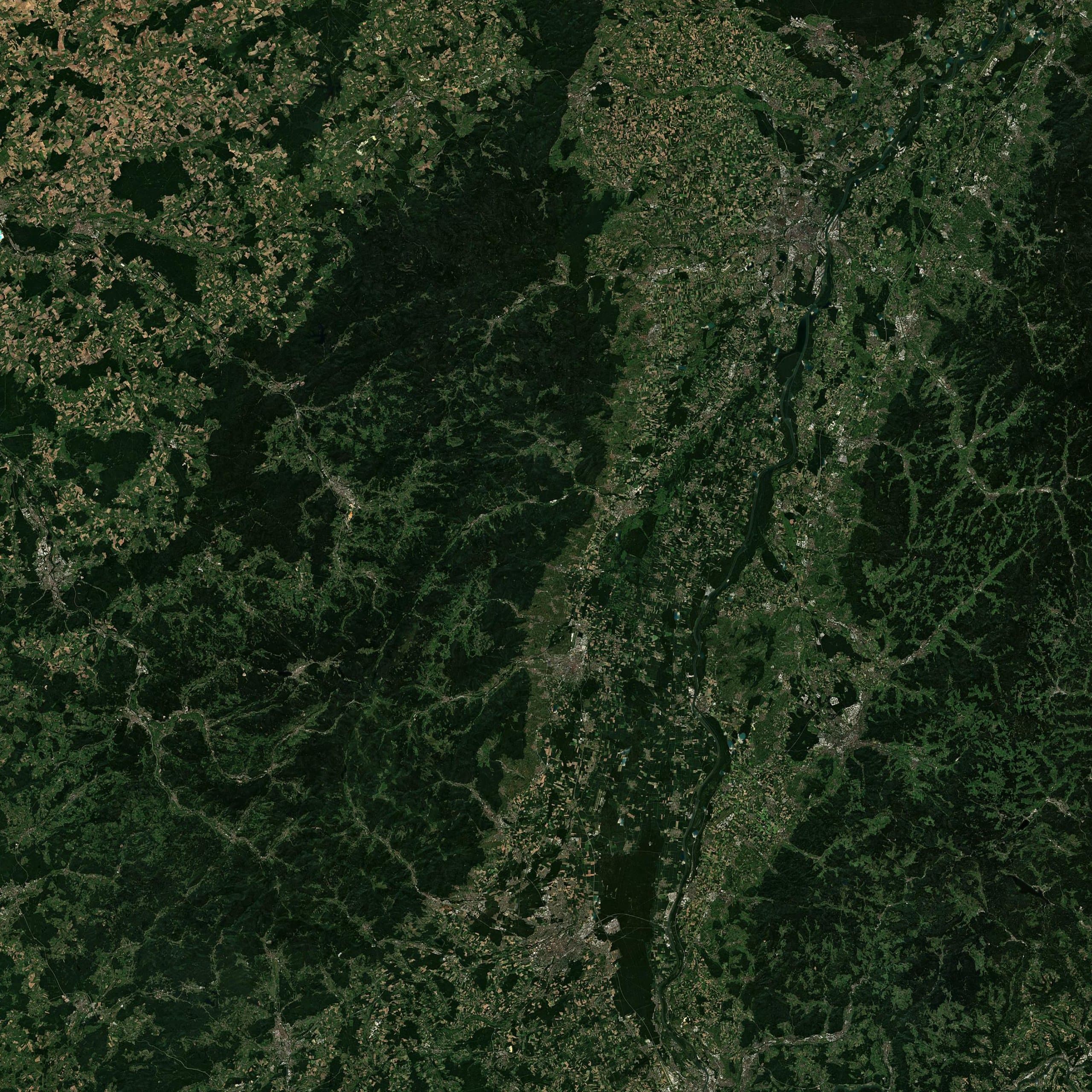
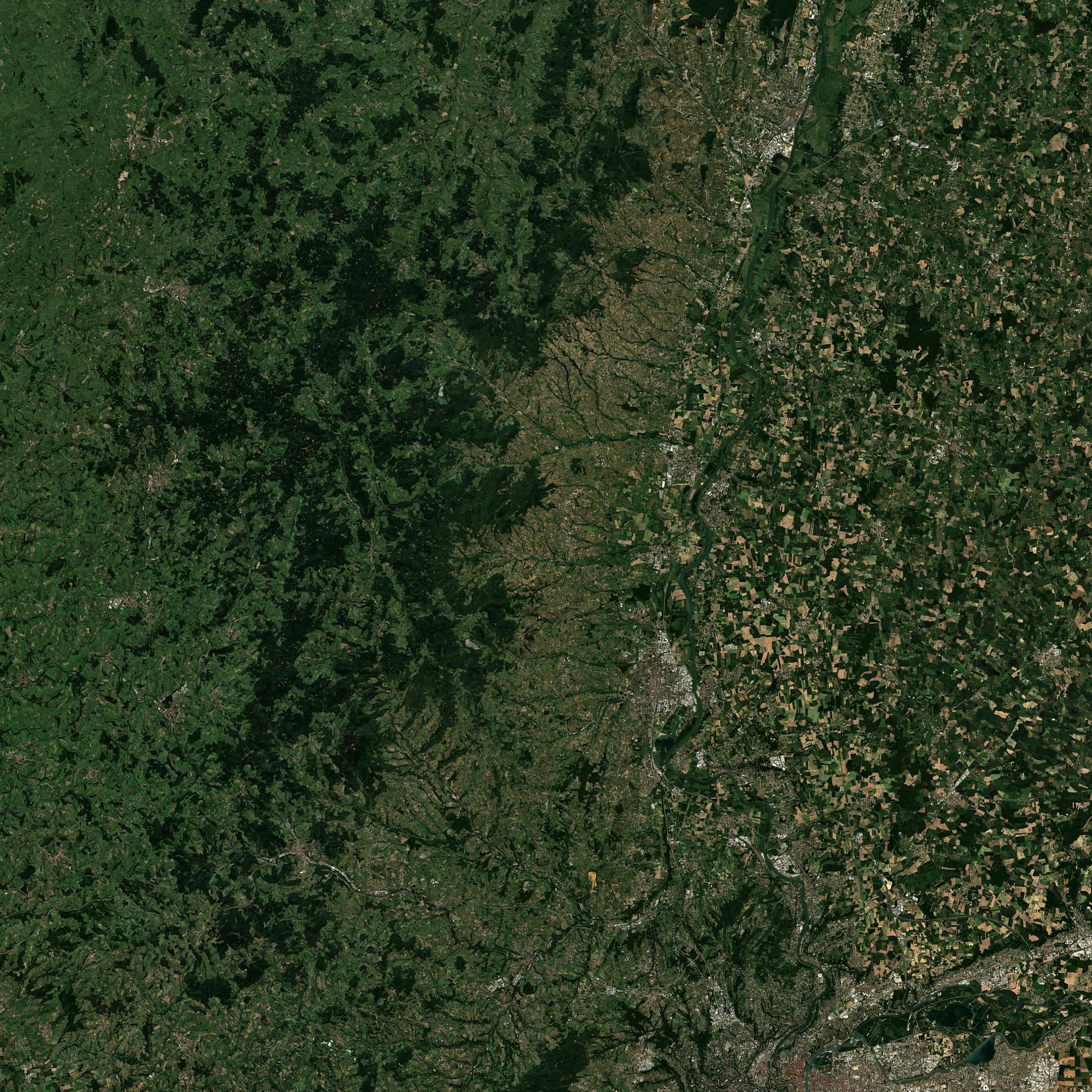
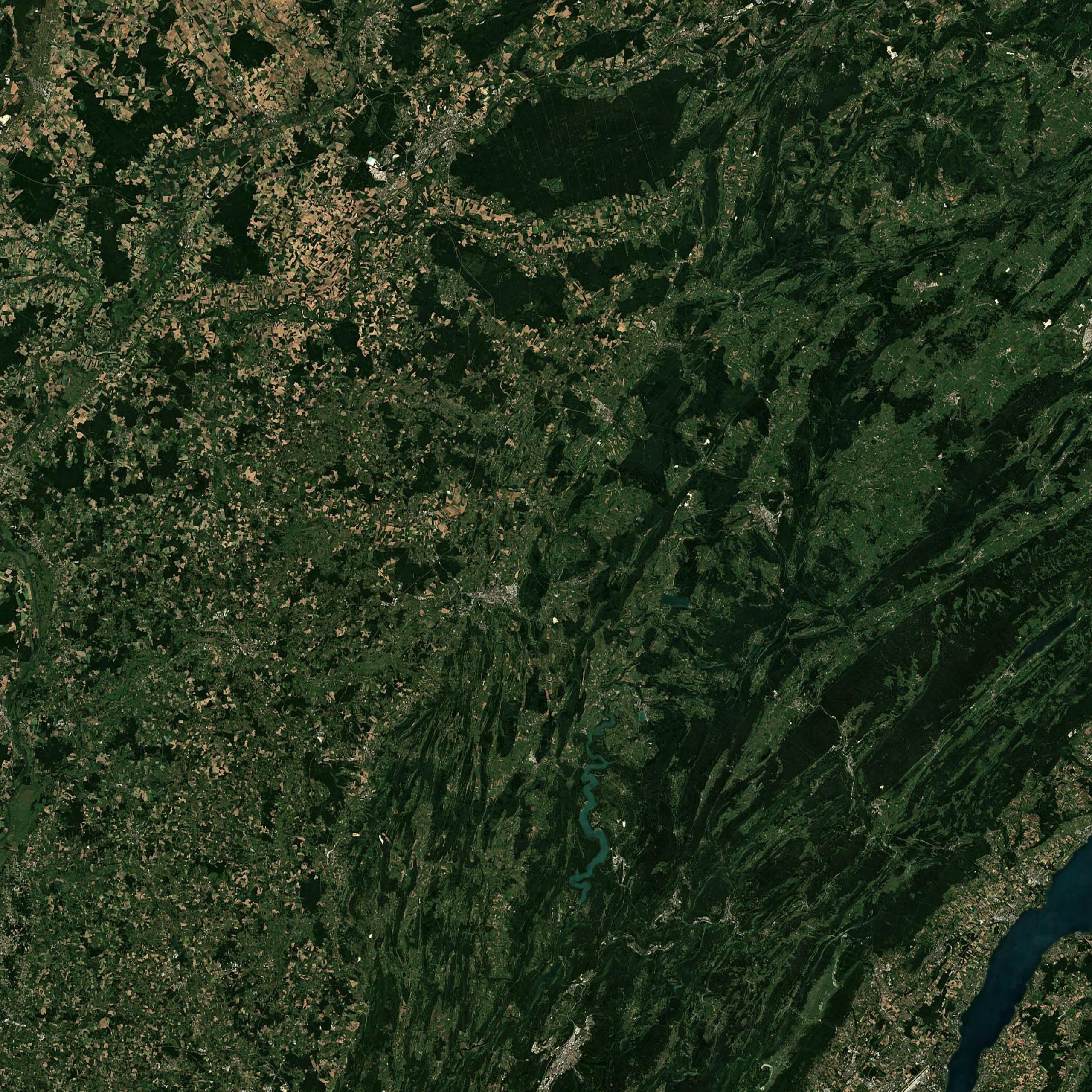
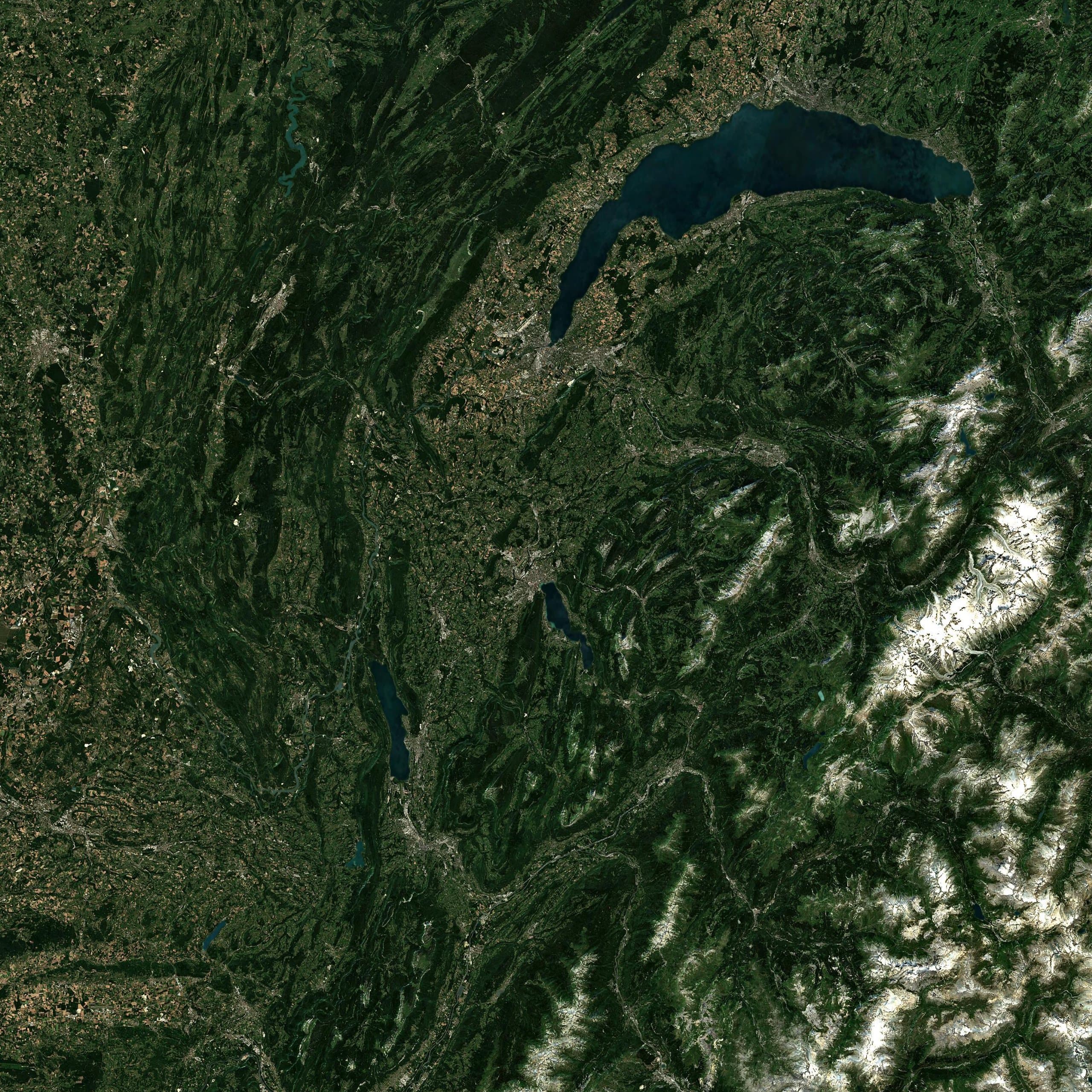
Tucked into the French Alps between Lake Geneva and the Isere valley, Savoie is one of France's smallest and most distinctive wine regions. Vineyards cling to steep south-facing slopes at 300-500 meters elevation, producing crisp, mineral whites from indigenous grapes. Jacquere, the workhorse, makes fresh, light whites; Altesse (Roussette) produces rounder, more age-worthy wines; and the rare Gringet survives in a single commune. Mondeuse Noire, related to Syrah, makes structured, peppery reds. The wines are best understood as mountain wines: lean, bright, and built around acidity rather than fruit weight.

262507 m

Elevation range

redrosésparklingwhite

Wine styles

3 Appellations

Avg. slope 3.9°

Vintage Ratings

Rating:
95+
90-94
85-89
80-84
<80
PeakReadyHold
Year20232022202120202019201820172016201520142013201220112010
White

Outstanding Savoie Vintages

The best recent vintages rated excellent or exceptional.

White

2020

At peak
90Excellent

Excellent. Balanced warmth.

2022Peak 202420282030

2015

Drink now
90Excellent

Excellent warm vintage. Ripe concentrated whites with good acidity.

2017Peak 201920242026
Curious about Savoie? Save it to your Discoveries and tick it off when you taste your first wine.

Appellations

Loading map...

Regional Appellations

Roussette de Savoie

AOC for still whites made exclusively from the Altesse grape anywhere in Savoie. More structured and age-worthy than Vin de Savoie, with honey and hazelnut notes.

Terroir & Character

Climate

continentalsunnycool nightslong growing seasonalpine

Continental alpine climate with warm, sunny days and cool nights. The dramatic temperature variations and extended growing season help preserve bright acidity while developing complex flavors, while the mountain air keeps the grapes healthy and disease pressure low.

Terroir

glacial depositsschistgranitemineral-richsteep slopeswell-drainedclaylimestone

Steep slopes of limestone, clay, and glacial deposits mixed with granite and schist create excellent drainage and mineral complexity. The alpine terroir, combined with varying expositions on mountainside vineyards, produces wines with remarkable purity and a distinctive mineral signature that reflects the ancient geological foundations of the Alps.

Typical Aromas

alpine herbswhite flowersmineral slategreen applehoneywet granite
Explore the aroma wheel

Classification System

Savoie wines are organized under the Vin de Savoie AOC, with 16 named crus that can add their village name to the label for wines from superior terroirs.

Cru

16 named villages: Apremont, Abymes, Chignin-Bergeron, Arbin, and others

Roussette de Savoie

Region-wide AOC for Altesse whites, also with named crus

Vin de Savoie

Broad regional appellation for still and sparkling wines

Grapes of Savoie

Frequently Asked Questions

What makes Savoie wine special?
Savoie wines are special because they're made from rare indigenous grape varieties you won't find anywhere else, like Jacquère and Altesse. The region's Alpine location gives the wines incredible freshness and minerality from the limestone and glacial soils. Most Savoie wines are crisp, food-friendly whites that perfectly capture the mountain terroir.
What are the best Savoie vintages?
Recent standout vintages include 2020 and 2018, which gave excellent balance and concentration. 2019 was also very good, producing wines with great acidity and aging potential. Generally, Savoie wines are meant to be enjoyed young and fresh, so I'd focus on bottles from the last 3-5 years rather than hunting for older vintages.
What grapes are grown in Savoie?
The main white grapes are Jacquère (the workhorse variety), Altesse (also called Roussette), and Chasselas. For reds, you'll find Mondeuse (the star red grape), Gamay, and some Pinot Noir. There's also Bergeron, which is actually Roussanne, and small amounts of Chardonnay in certain areas.
What food pairs well with Savoie wines?
Savoie wines are perfect with Alpine cuisine - think melted cheese dishes like fondue, raclette, and tartiflette. The crisp whites like Jacquère are fantastic with freshwater fish, particularly trout and perch from local lakes. Mondeuse reds pair beautifully with charcuterie, game, and hearty mountain stews.
How does Savoie compare to other major wine regions?
Savoie is much smaller and more niche than major regions like Burgundy or Bordeaux, focusing on unique indigenous varieties rather than international grapes. The wines have a distinctive Alpine character - higher acidity, more minerality, and lighter body than most French regions. It's more comparable to places like Jura or Switzerland's Valais, with that cool-climate mountain wine personality.

Map data: INAO