
Switzerland
Ticino
Switzerland wine regions
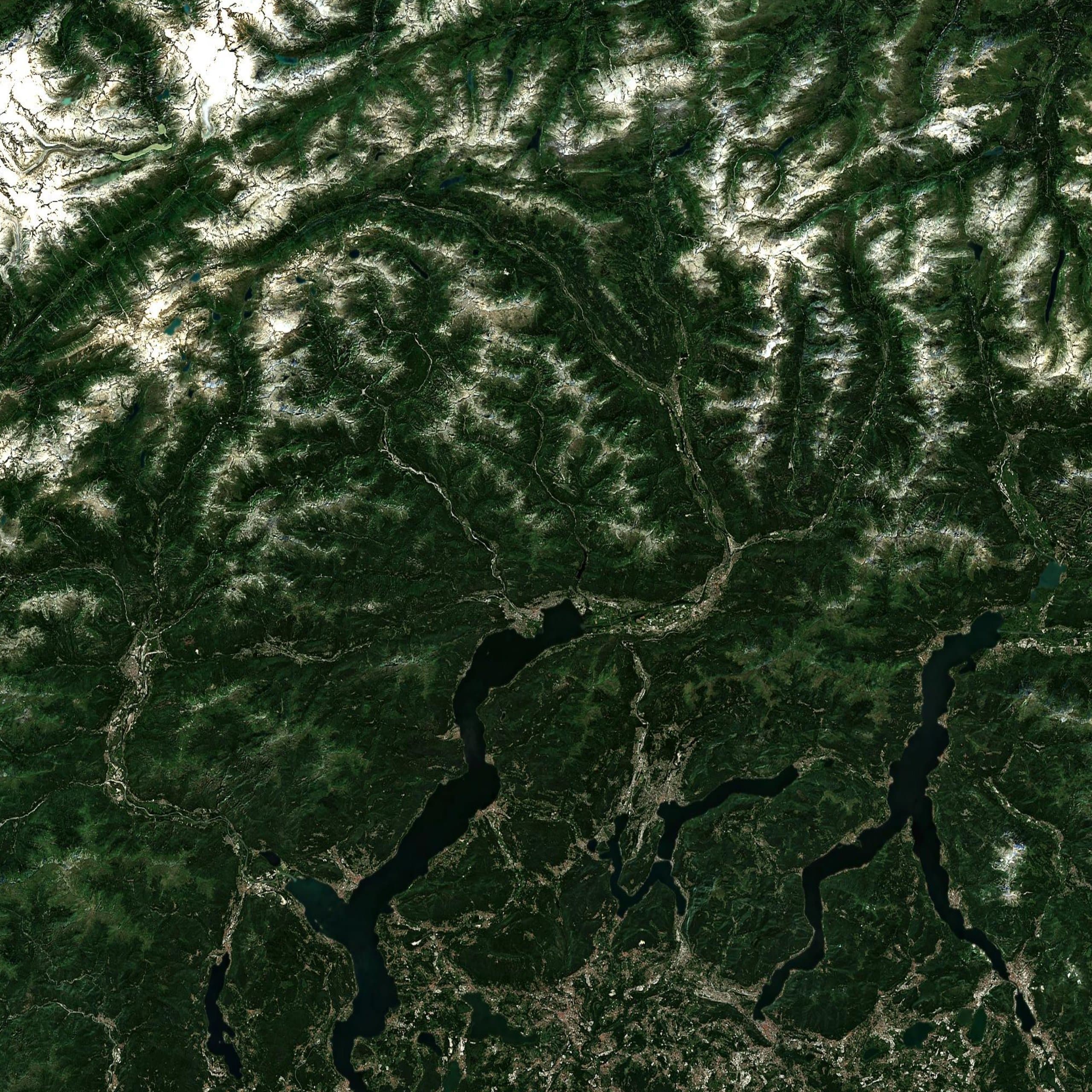
About Ticino
Switzerland wine regions
Appellations
What Ticino produces
Ticino DOC
The canton-wide DOC covering almost all of Ticino's serious wine. Production rules vary by colour and style; the headline category is Merlot del Ticino.
Merlot del Ticino
The flagship category: Merlot from anywhere in Ticino, with a stainless-steel style for everyday drinking and an oak-aged Riserva style for the long cellar.
Bianco di Merlot
A Ticino specialty: white wine vinified from Merlot grapes (skins removed immediately after pressing). Fresh, off-dry, deeply aromatic.
Rosato del Ticino
Pink Merlot, more saturated than a Provence rosé thanks to the deep red base. Crisp summer drinking, often slightly off-dry.
Nostrano
Historic Ticino blend of native varieties (Bondola, Freisa, Americano) that nearly disappeared after phylloxera. Now made by a small group of producers keeping the heirloom tradition alive.
Grapes of Ticino
Climate
Insubric means Mediterranean warmth with Alpine drama: around 1,800 mm of rain a year, more than almost anywhere else in European wine, delivered in short violent bursts between long stretches of brilliant sunshine. Summers are warm and humid, autumns long and generous, and the lakes of Lugano and Maggiore soften the edges of both.
Terroir
North of Monte Ceneri the soils are acidic, gravelly and thin, weathered from granite and gneiss and mixed with glacial moraine on the steep valley sides. South of it the ground eases into deeper, more calcareous clay, and Merlot reads the difference clearly: tense and mineral up north, rounder and fleshier below.
More in Switzerland
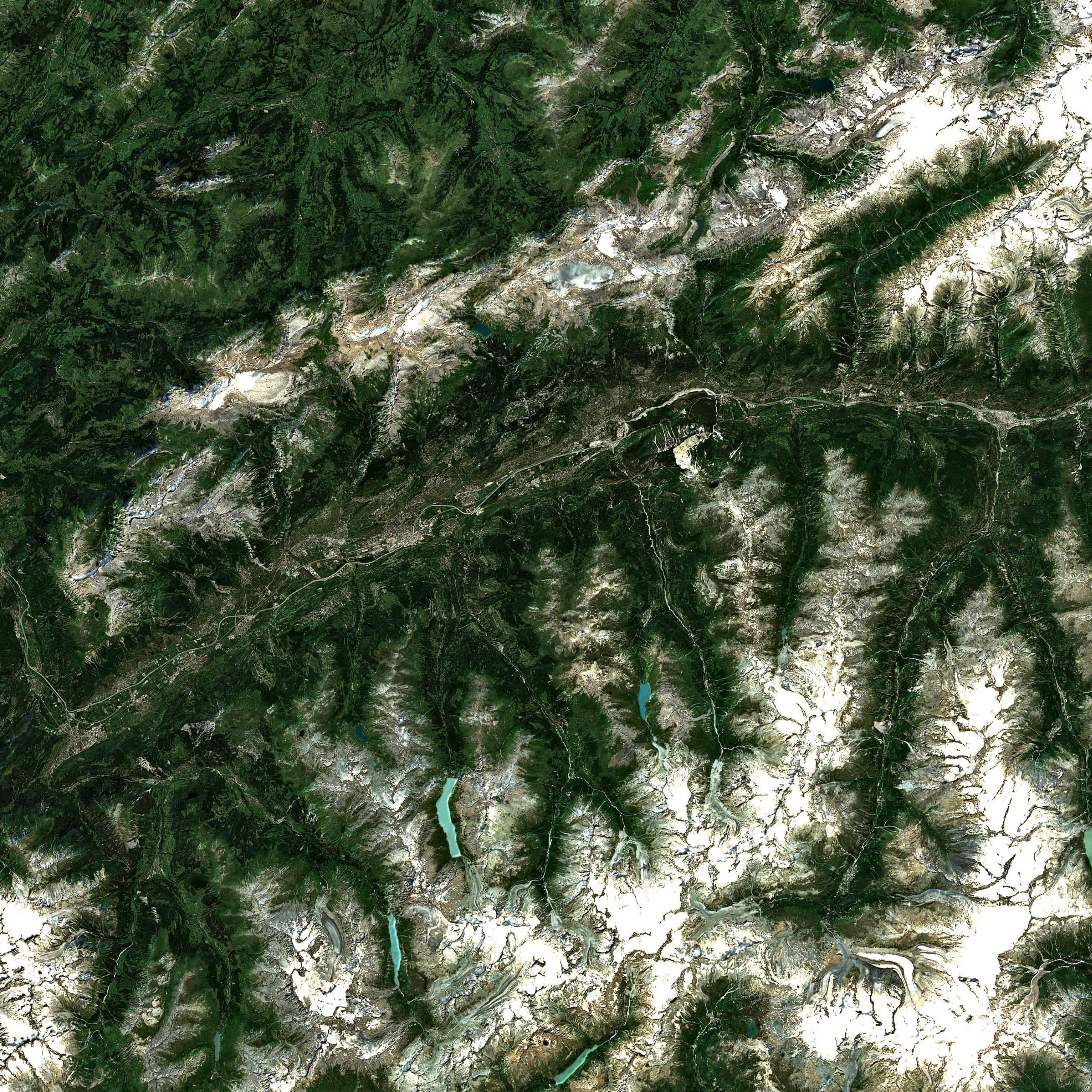
Map data: swissBOUNDARIES3D © swisstopo · Vineyard parcels © OpenStreetMap contributors (ODbL)