
Switzerland
Three Lakes
Switzerland wine regions
About Three Lakes
Switzerland wine regions
Appellations
What Three Lakes produces
Œil-de-Perdrix
The signature regional rosé from Pinot Noir, invented around Neuchâtel and now legally protected across the canton. Pale salmon, dry, savoury; the easiest way to taste the Three Lakes style.
Non Filtré
A Neuchâtel speciality: Chasselas bottled directly from tank with the lees still in suspension, released on the third Wednesday of January. Cloudy, briny, an annual ritual for local drinkers.
Neuchâtel Blanc
The cantonal Chasselas label (never sold as Fendant, which is reserved for Valais). Linear, mineral, with a non-malolactic style that distinguishes it from the Lavaux versions.
Grapes of Three Lakes
Climate
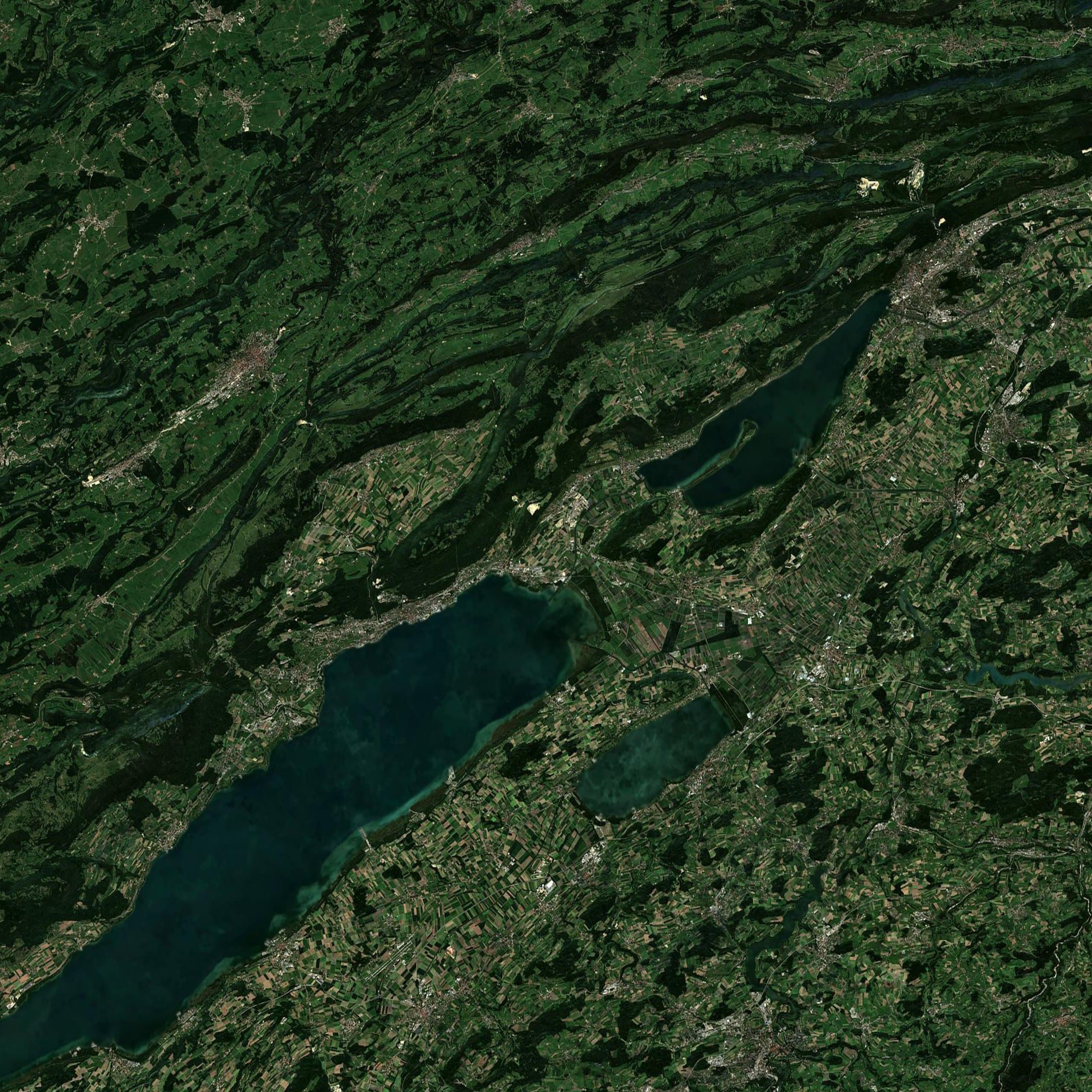
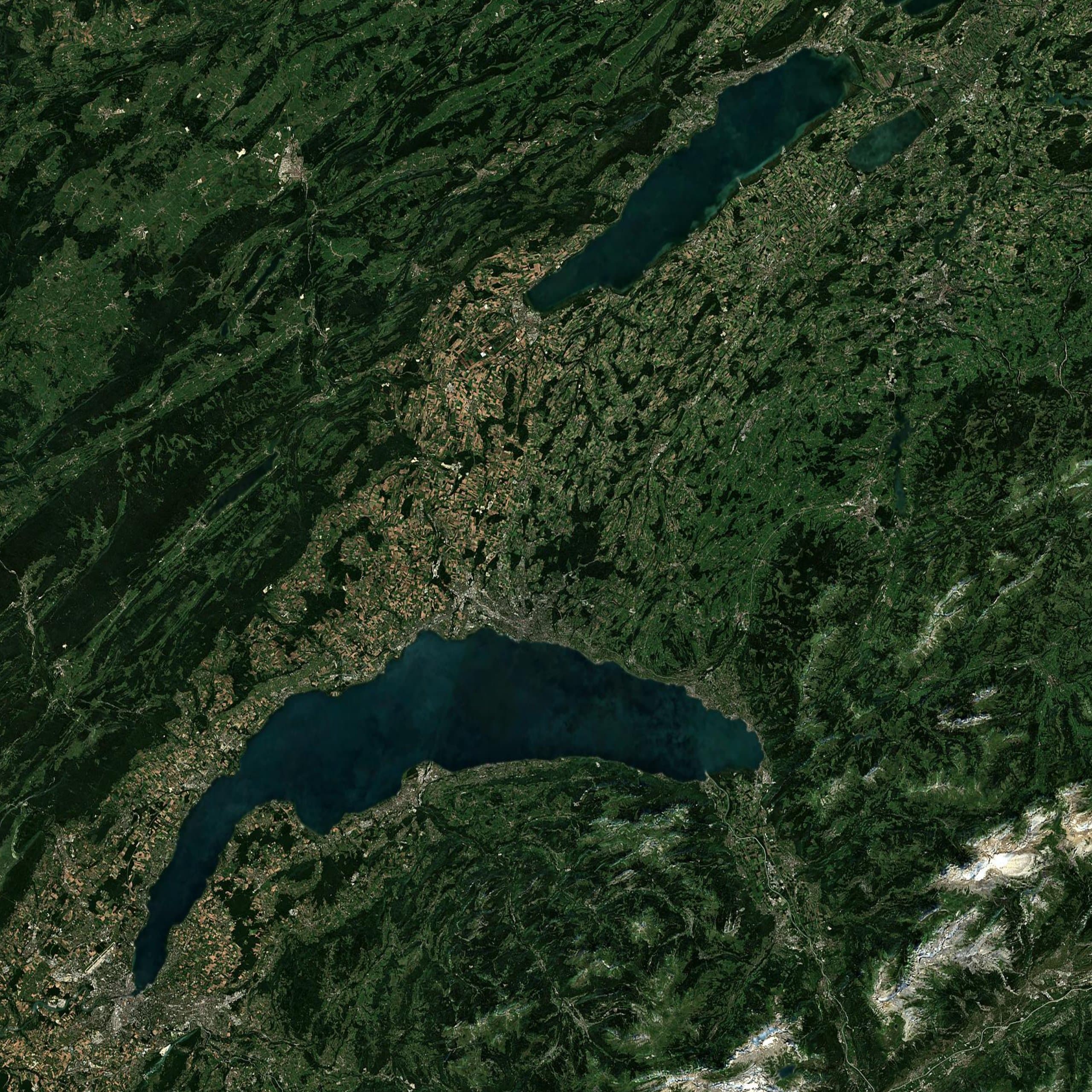
Cool and continental, but rescued by water: the lakes of Neuchâtel, Bienne and Murten store summer heat and give it back through the autumn, stretching the season just far enough for Pinot Noir. Vineyards face southeast across the water from the foot of the Jura, catching morning sun and reflected light off the lakes.
Terroir
This is the last fold of the Jura, so the vines grow on Jurassic limestone and marl, often dusted with the glacial moraine left by the ice that carved the lake basins. The slopes are gentle, the soils calcareous and poor, and the Pinot Noir that results is pale, fine-boned and unmistakably limestone-grown.
More in Switzerland
Map data: swissBOUNDARIES3D © swisstopo · Vineyard parcels © OpenStreetMap contributors (ODbL)