
Country
Switzerland
Alpine vines, four languages, one country
Switzerland keeps its wine almost entirely at home. Six regions, four languages, and a handful of grape varieties that grow nowhere else on earth.
6
Wine regions
Pinot Noir
Top grape
Chasselas
Signature white
14,432 ha
Vineyard area
99%
Stays in Switzerland
The country
Why Switzerland matters
Swiss wine is the great secret of European drinking. The country grows around 14,400 hectares of vines, makes a million hectolitres a year, and exports almost none of it: roughly ninety-nine percent of every harvest is consumed inside the country. That alone makes Switzerland worth paying attention to. A wine culture this self-sufficient has had centuries to develop varieties, methods and tastes that the wider market never sanded down.
The result is a small country with an outsized list of stories. Lavaux's terraces above Lake Geneva have been farmed for nearly a thousand years and are a UNESCO World Heritage site. Valais grows native grapes (Petite Arvine, Cornalin, Humagne) that ripen on Alpine slopes warmed by the Foehn wind. Ticino, on the Italian side of the Alps, became a Merlot region after phylloxera and now makes some of Europe's most distinctive single-grape reds. Drink Swiss and you taste a country that learned to make wine for itself.
What grows here
The signature grapes
The varieties that define Switzerland. Tap any card to drill into the grape's profile.
The land
Terroir at a glance
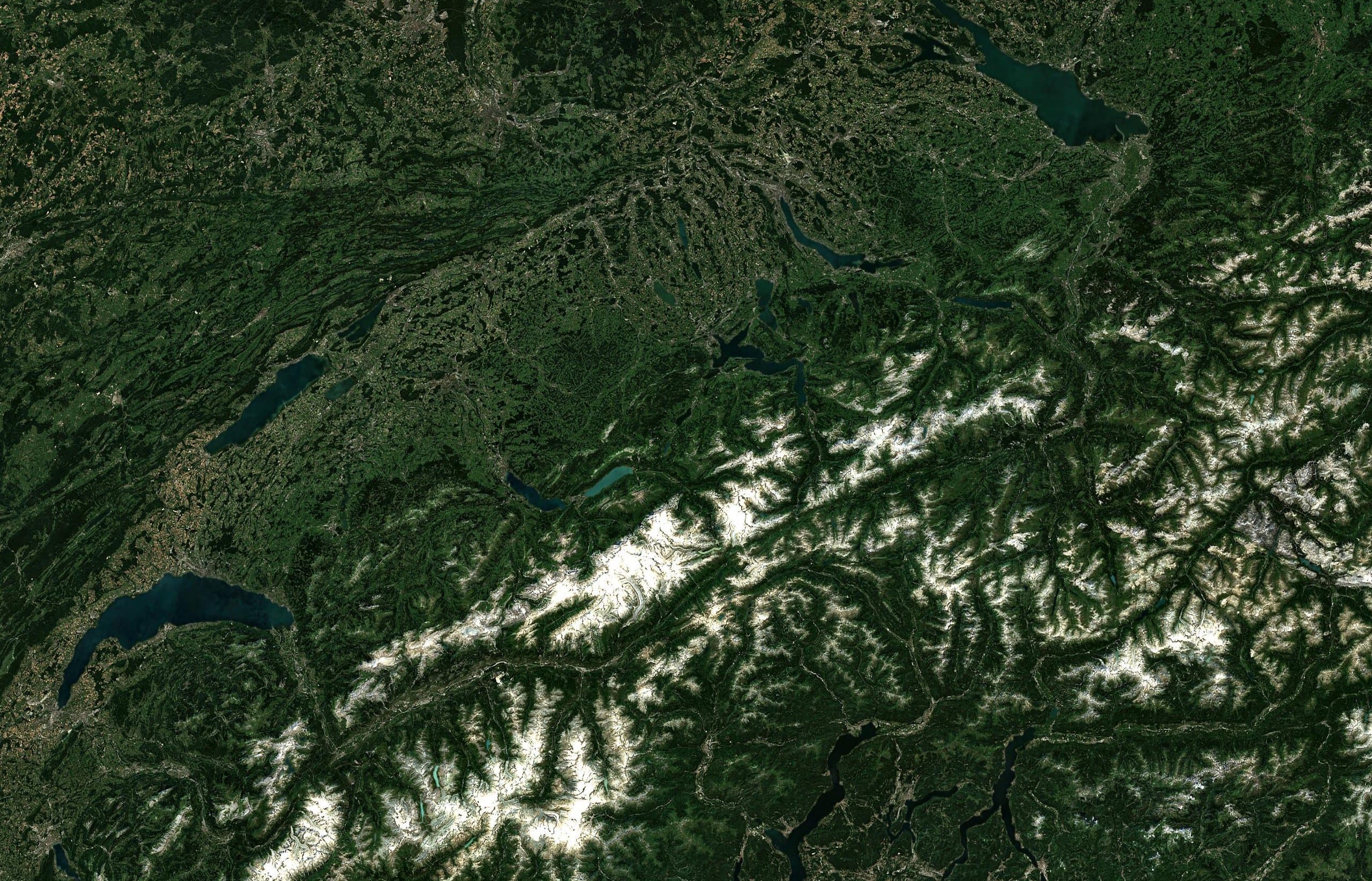
Switzerland packs four climate zones into a country smaller than Denmark. The Alps, the Jura, the great lakes and the Rhône corridor shape almost every vineyard. Wine grows where the geography lets it: south-facing slopes, lake margins, terraced river valleys.
Alpine Rhône
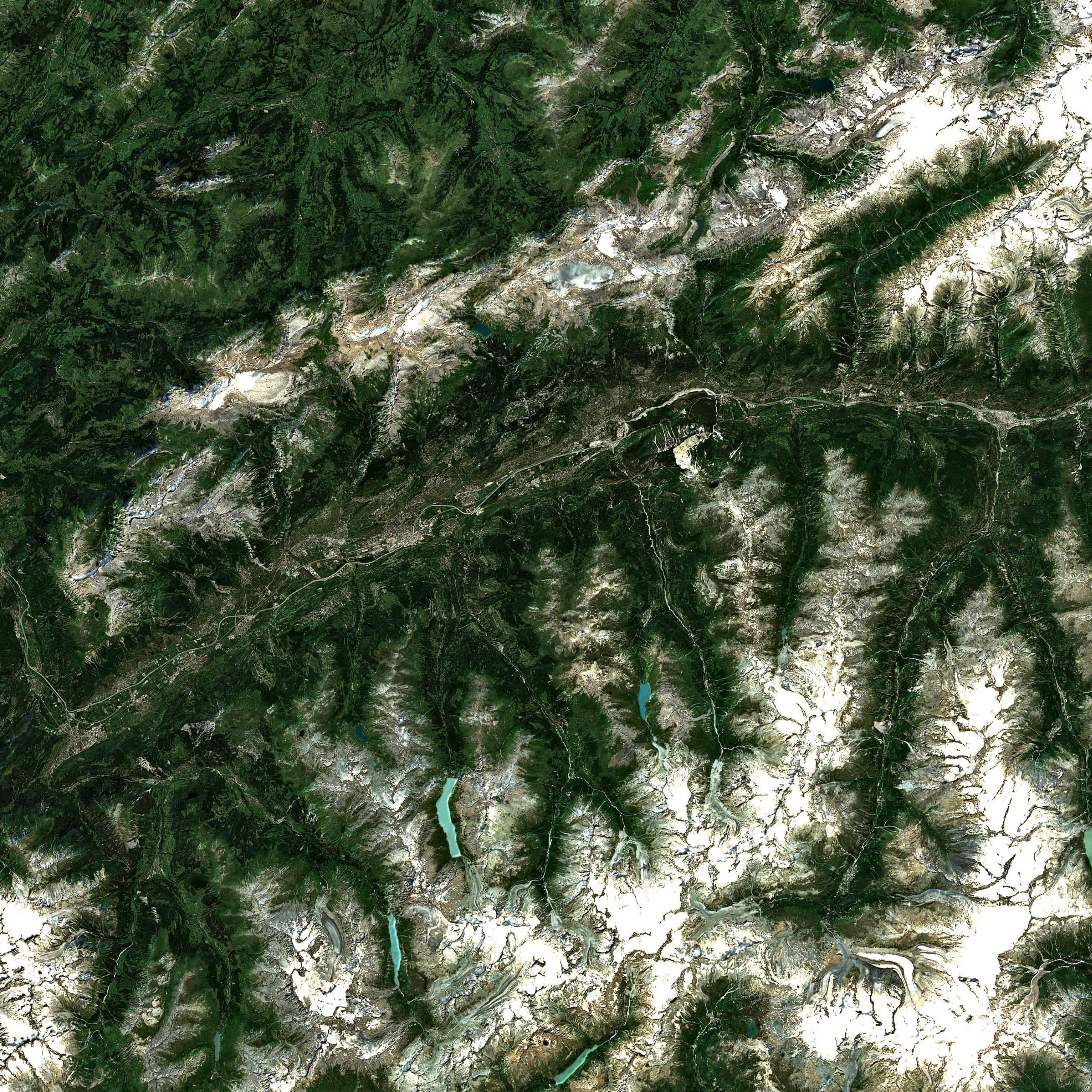
Valais runs along the upper Rhône valley between Martigny and Visp, sheltered on both sides by 3,000-metre peaks. The Foehn wind warms and dries the slopes in autumn, allowing late-ripening varieties like Cornalin and Humagne Rouge to reach concentration that would be impossible at this latitude on flat ground. This is also the headwaters of the Rhône, and the river carries the story downstream: the fresher, lighter Syrah grown on the warm slopes around Chamoson is the same grape that turns powerful and beautifully structured in the famous Northern Rhône appellations of France.
Lake-moderated terraces
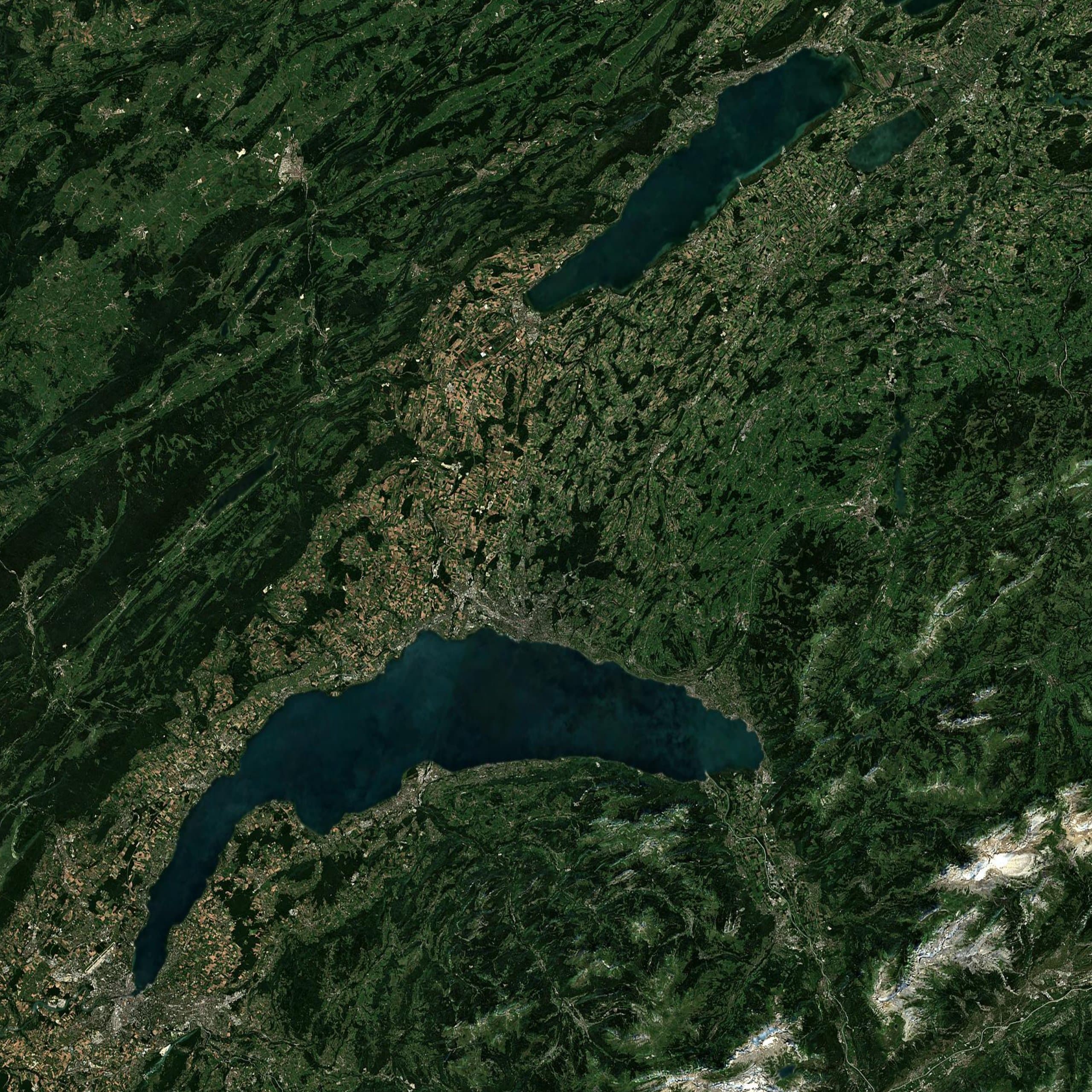
Lake Geneva and the Three Lakes (Neuchâtel, Bienne, Murten) act as giant thermal batteries, softening winters and reflecting summer light back onto south-facing slopes. Lavaux's UNESCO terraces, the most famous example, owe their fine Chasselas to this triple effect: sun, lake light, and warmth radiated by stone walls.
Insubric Ticino
South of the Alps, Ticino's climate is Mediterranean by Alpine standards: warm summers, high rainfall, granite and gneiss soils. The growing season is long enough for Merlot to ripen fully, and the canton has become one of the most reliable producers of cool-climate Merlot in Europe.
Continental German Switzerland
The vineyards of Schaffhausen, Zürich, Aargau, Thurgau and the Bündner Herrschaft sit on the cooler, more continental side of the Alps. Limestone, sandstone and Jurassic marl soils favour Pinot Noir, with Müller-Thurgau (a Swiss invention), an increasingly confident Chardonnay, and Completer rounding out the regional whites.
On the map
The regions worth visiting
Only regions with mapped vineyards and full guides are shown. Each tile leads to its appellations and vintages.
Switzerland wine regions. Select a region to learn more.
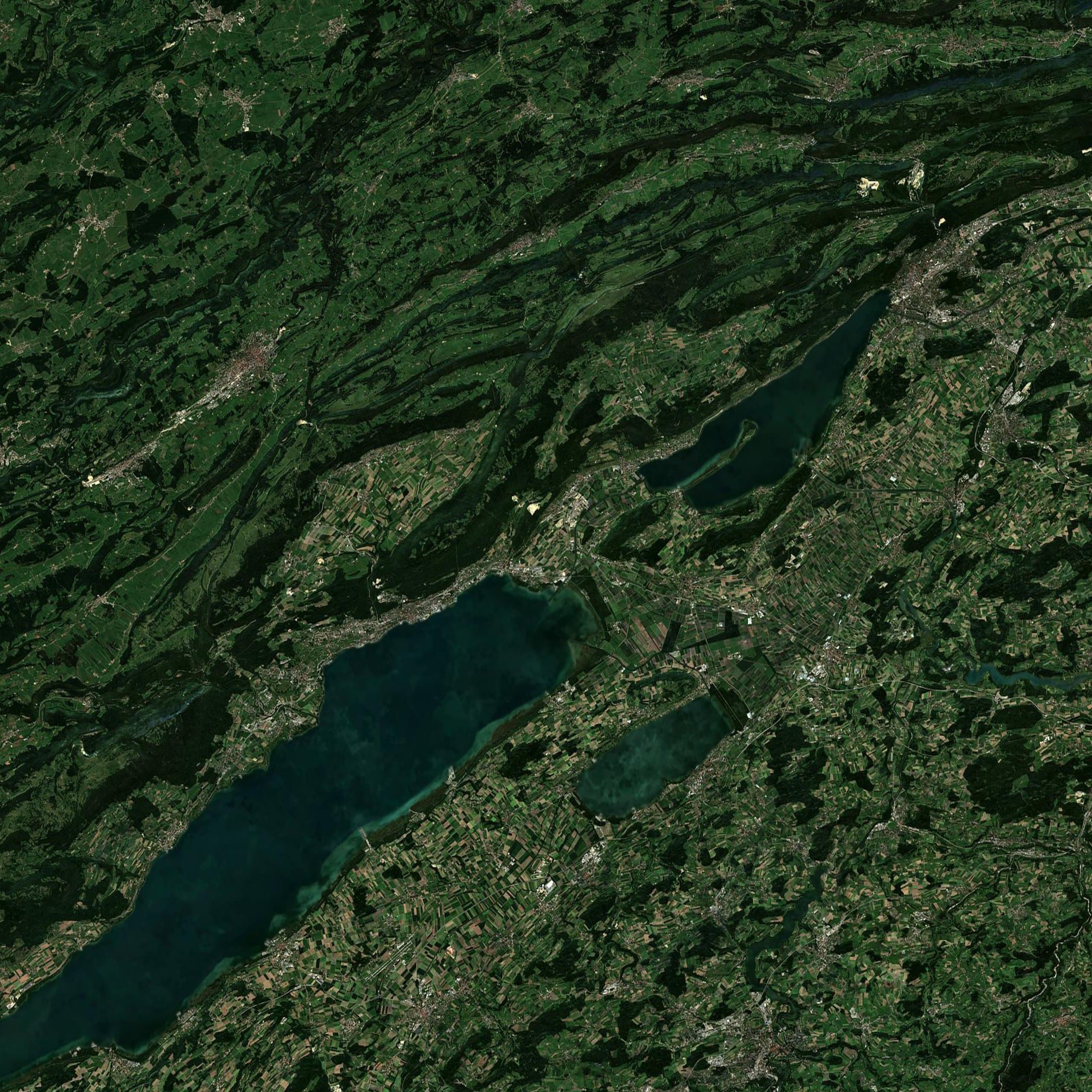
Romandie
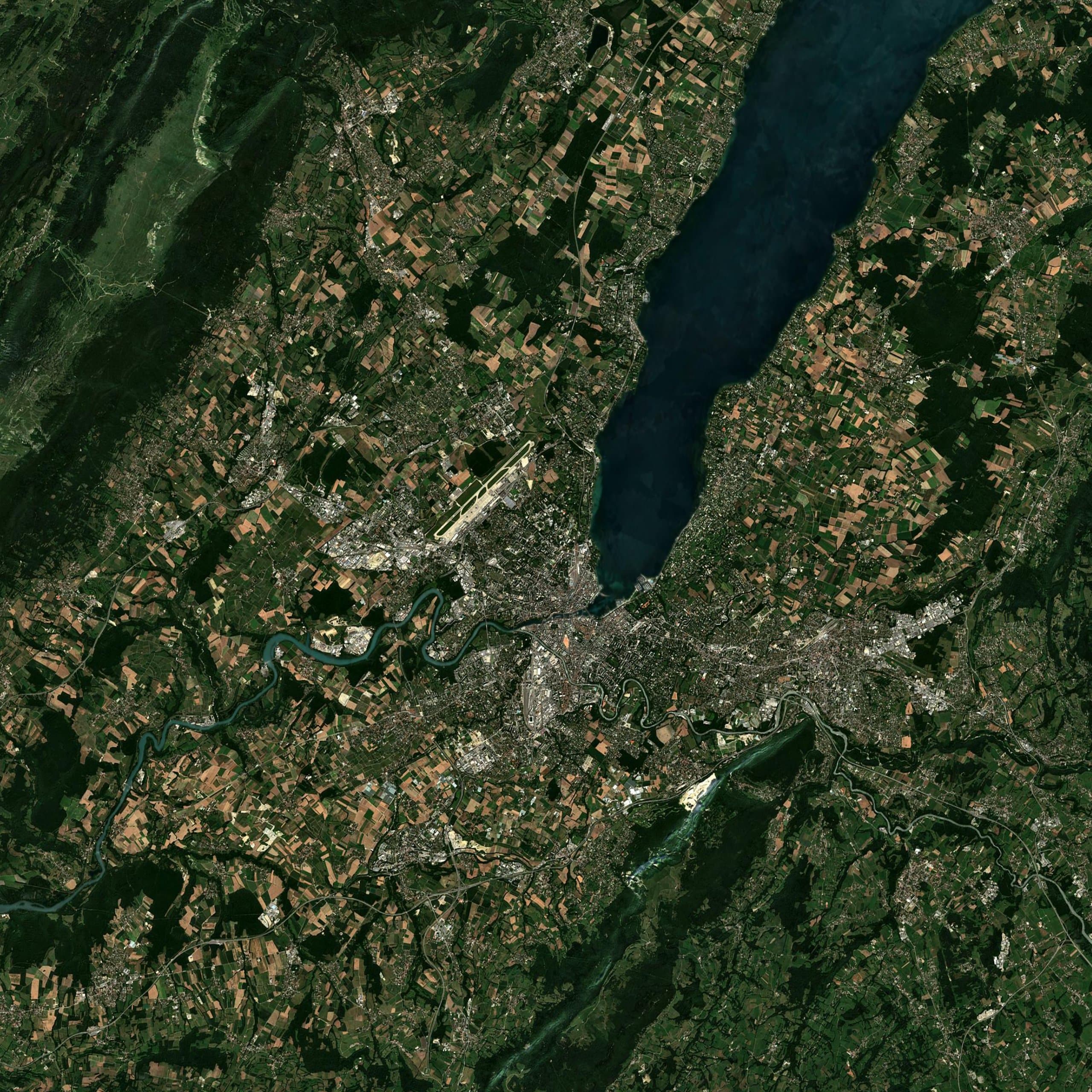
French-speaking Switzerland, which farms about three-quarters of the country's vines. Valais leads on volume and indigenous grapes, Vaud on Chasselas and Lavaux's UNESCO terraces, Geneva on small-batch experimentation, and the Three Lakes on quiet Pinot Noir.
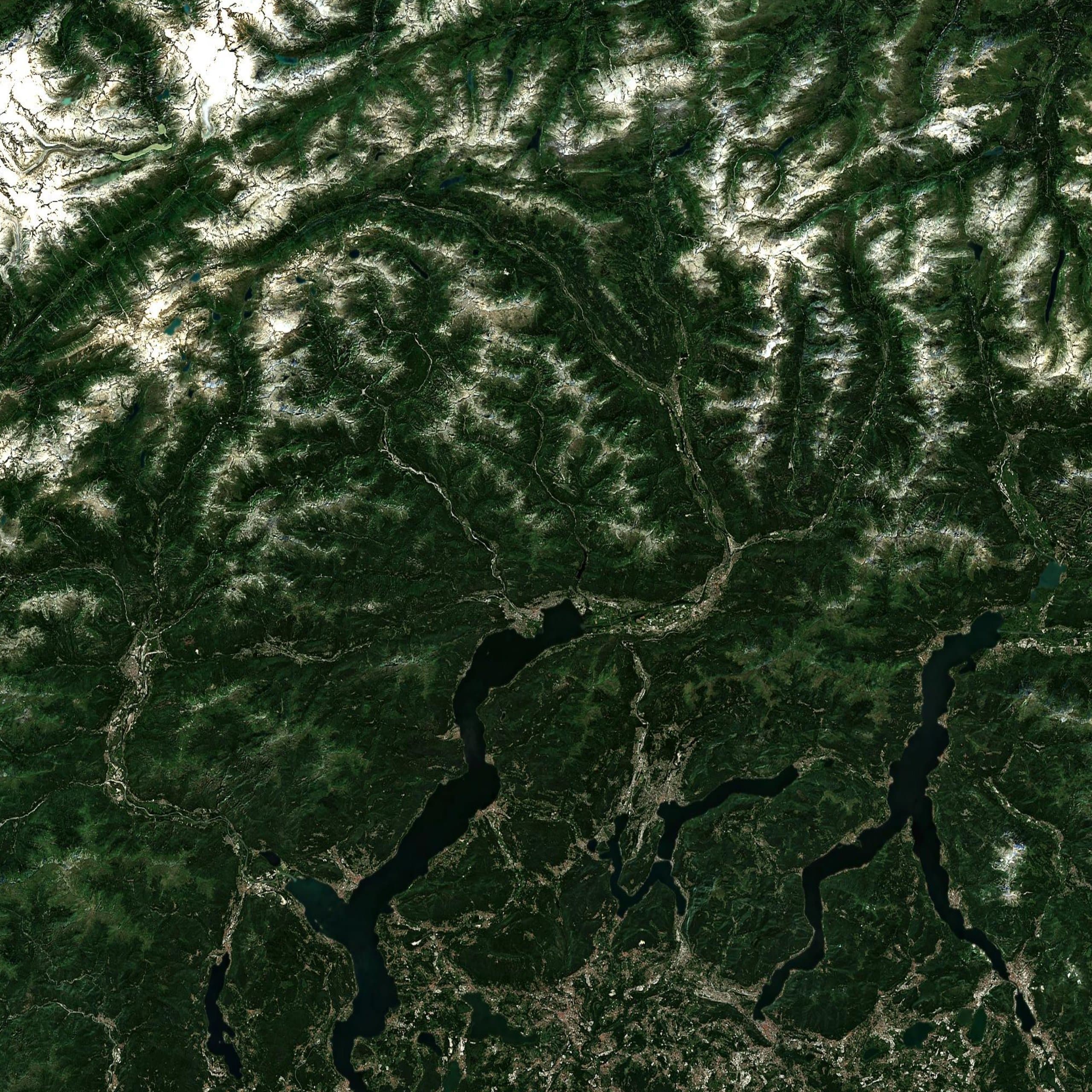
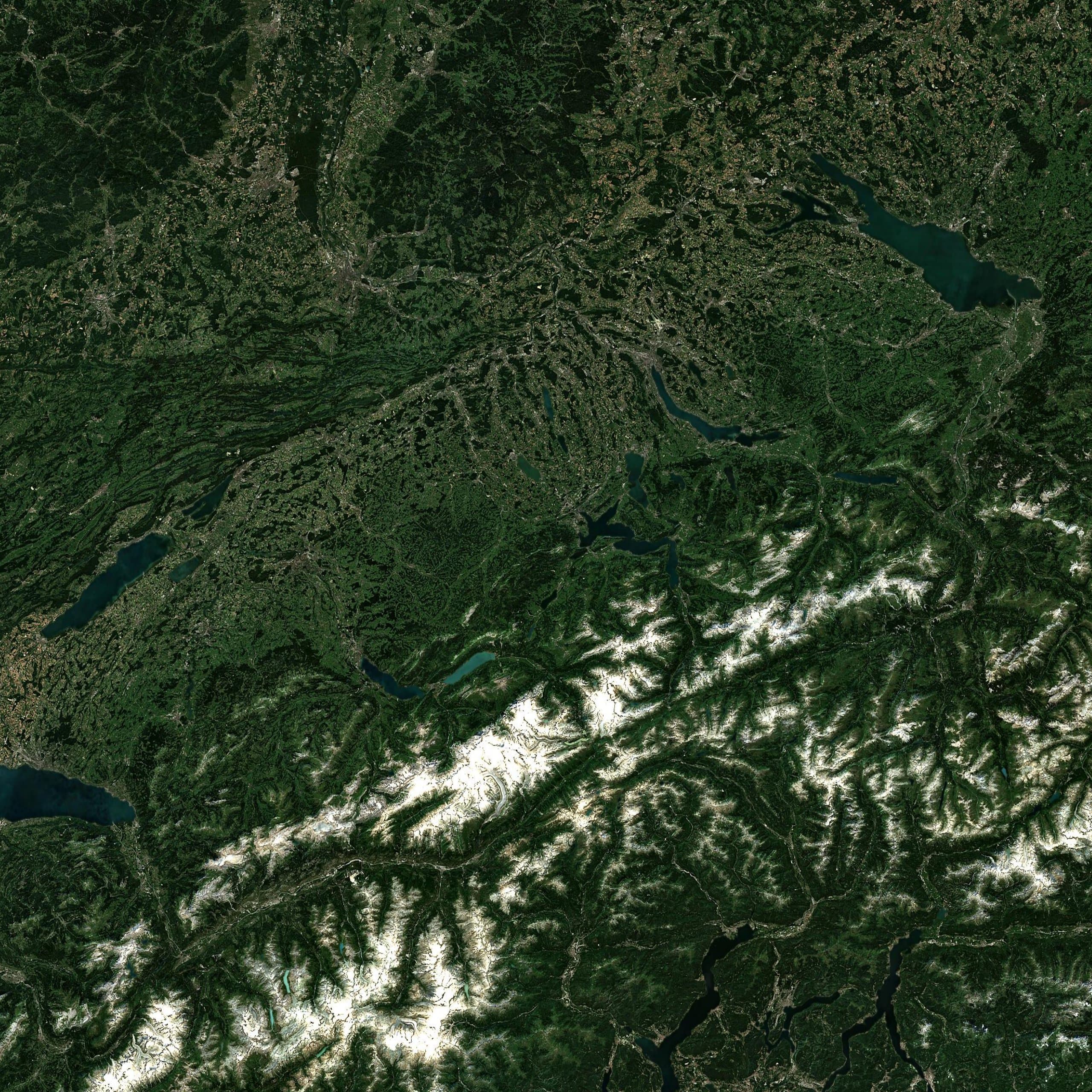
Italian and German Switzerland
Two very different wine worlds either side of the Alps. Ticino is Merlot country in the Insubric south, while German Switzerland strings cool-climate Pinot Noir, Müller-Thurgau and Completer across a dozen mostly small cantons.
The system
How wine is classified in Switzerland
Swiss wine law is federal in framework and cantonal in detail. Every canton runs its own AOC regulation, which is why an AOC Vaud and an AOC Valais are not strictly comparable beyond the shared rules on grape origin and minimum ripeness.
- 01
AOC
Appellation d'Origine Contrôlée, the protected origin tier. Grapes must come from the named area, the variety must be on the local approved list, and yields and ripeness minimums apply. About 60% of all Swiss wine carries an AOC.
- 02
Grand Cru and Premier Grand Cru
Vaud's two top tiers, restricted to specific sites with extra rules on ripeness and bottling. Premier Grand Cru is the more exclusive tier, reserved for named estates and lieux-dits. Dézaley and Calamin in Lavaux are the country's only two appellation-level Grand Crus.
- 03
Vin de Pays
Regional country wine, looser on grape varieties and yields. A useful tier for blends, experimental varieties and producers working outside the AOC framework.
- 04
Vin de Table
The base tier with no regional claim. Rarely seen on quality producers' labels.
A tasting plan
Where to start
Swiss wine rewards a slow approach. Start with the friendly local whites, work toward the native grapes, and finish with the producers who quietly cellar their reds for a decade before selling.
Start here
Three approachable, food-friendly wines that show what Swiss vineyards do every day. None are difficult to find inside the country and all cost less than a mid-range restaurant pour.
Fendant
Valais · Chasselas
The everyday Valais white, named for the way the grape splits open when ripe. Light, mineral, with a slight prickle of carbon dioxide. The classic pairing for raclette and fondue.
Dôle
Valais · Pinot Noir and Gamay blend
Valais's everyday red, at least 85% Pinot Noir blended with Gamay. Lighter than a Burgundy, juicier than a Beaujolais, and the easiest way to taste the Alpine Rhône.
Œil-de-Perdrix
Three Lakes · Pinot Noir
A pale, dry Pinot Noir rosé whose name ("partridge's eye") refers to its salmon hue. A Neuchâtel speciality, now made across Romandie. Crisp, savoury, ideal for a long lakeside lunch.
Go deeper
Where the local character starts to come through. These are wines that travel less well than the everyday tier, which is part of the point.
Saint-Saphorin or Epesses
Vaud · Chasselas
Village-level Lavaux Chasselas from one of the named communes inside the UNESCO zone. The grape reads as honeysuckle, almond and lake stone, with a salinity you have to taste to believe.
Bündner Herrschaft Pinot Noir
German Switzerland · Pinot Noir
From the four villages at the eastern end of the country (Maienfeld, Jenins, Malans, Fläsch), Switzerland's most serious Pinot Noir district. Producers like Donatsch, Gantenbein and Studach work at a level that holds its own against Burgundy.
Ticino Merlot
Ticino · Merlot
Choose a single-vineyard bottling from Sopraceneri (the cooler northern half) for something fresher, or Sottoceneri (south of Monte Ceneri) for the riper, more Bordeaux-shaped style. Almost everyone in Ticino makes Merlot well; the question is which house style fits your taste.
For the curious
The wines that explain why Swiss producers and sommeliers stay obsessed. All native, all small, mostly impossible to find outside Switzerland.
Petite Arvine from Valais
Valais · Petite Arvine
A Valais native white with a saline mineral spine and grapefruit lift. Best examples come from Fully, Sion and Sierre. The dry version is gastronomic; a small share is made in late-harvest "Flétrie" style for the long cellar.
Cornalin or Humagne Rouge
Valais · Cornalin
Two Valais red varieties that were nearly lost in the 1970s and are now the canton's calling card. Cornalin is darker and more savoury, Humagne Rouge brighter and more peppery. Either gives you a wine that exists almost nowhere else.
Completer from Graubünden
German Switzerland · Completer
An ancient white grape grown almost exclusively in the Bündner Herrschaft. Sharp acidity, smoky, with a flavour profile somewhere between aged Riesling and old Chenin. A handful of producers make it; the cellars sell out every year.
At the table
Wine and food in Switzerland
Swiss food culture is multilingual and stubbornly regional, and so is the wine that goes with it. A weeknight raclette in Valais wants a glass of Fendant; a fondue in Fribourg goes with Vully Chasselas; a Ticino risotto sits next to a young Merlot del Ticino. The rule, if there is one: drink local, and let the table tell you what to pour.
Frequently Asked Questions
Why is Swiss wine so hard to find outside Switzerland?▼
What is Chasselas, and why does Switzerland take it so seriously?▼
What makes Lavaux a UNESCO World Heritage site?▼
Where should I look for great Swiss Pinot Noir?▼
Is Swiss wine always expensive?▼
What is the difference between Fendant and Dôle?▼
Why are some Swiss wines labelled in four languages?▼
Keep exploring