
Switzerland
German Switzerland
Switzerland wine regions
About German Switzerland
Switzerland wine regions
Appellations
What German Switzerland produces
Federweisser
The Swiss German name for pale, dry Pinot Noir rosé. Made across the German-speaking cantons (especially Schaffhausen and Zürich) and the regional counterpart to Romandie's Œil-de-Perdrix.
Schiller
A traditional field blend of red and white grapes, co-fermented on the skins. Pale pink-red, light, savoury; a near-extinct style preserved by a handful of growers in Zürich and Schaffhausen.
Sauser / Suuser
Partially fermented young Pinot Noir or Riesling-Sylvaner, sold during autumn harvest as a milky, low-alcohol seasonal drink. A regional tradition rather than a formal appellation.
Completer
A near-extinct ancient white grape, preserved by a handful of Graubünden producers (Donatsch, Studach, von Salis). Sharp acidity, smoky character, somewhere between aged Riesling and old Chenin. Less an appellation than a varietal rescue story.
Grapes of German Switzerland
Climate
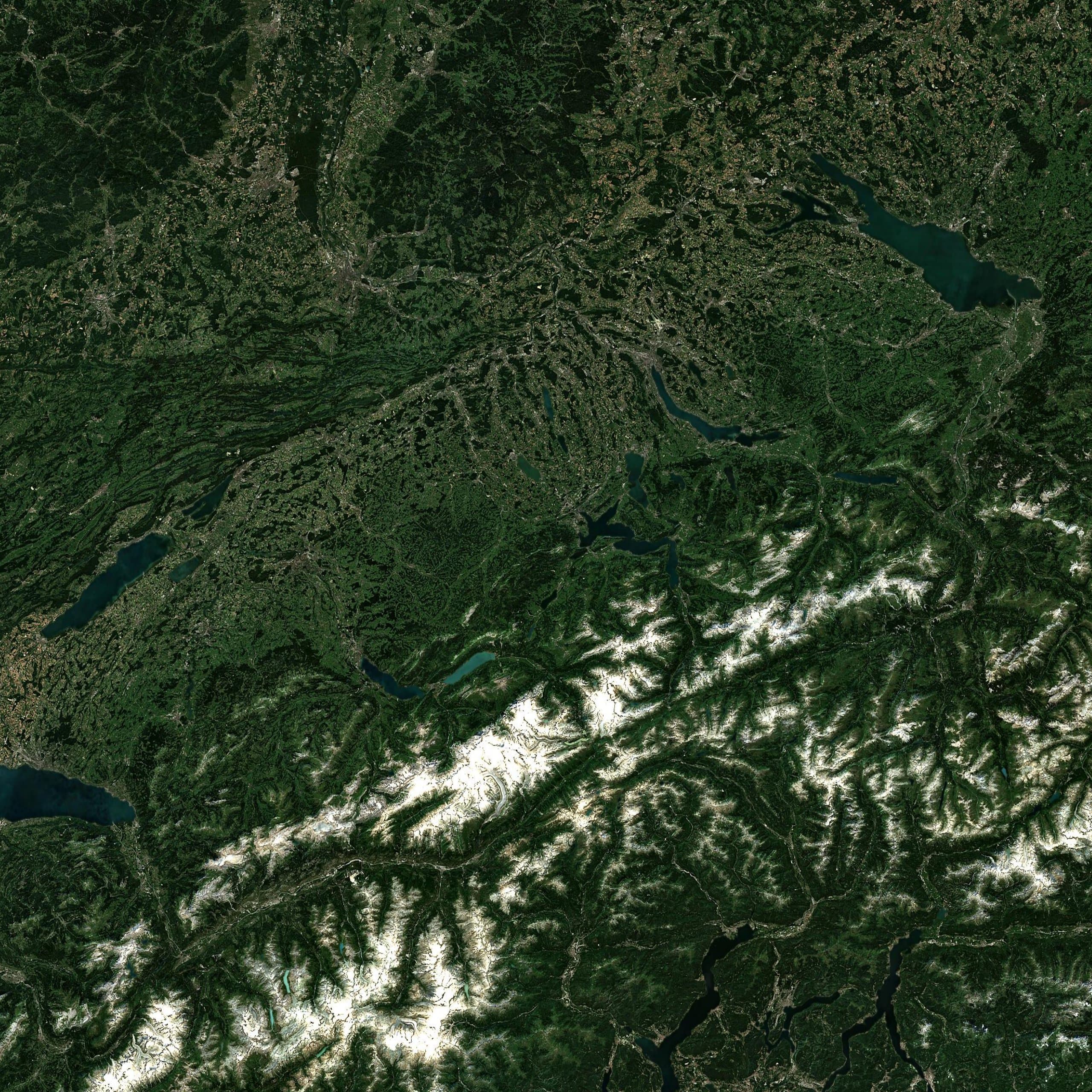
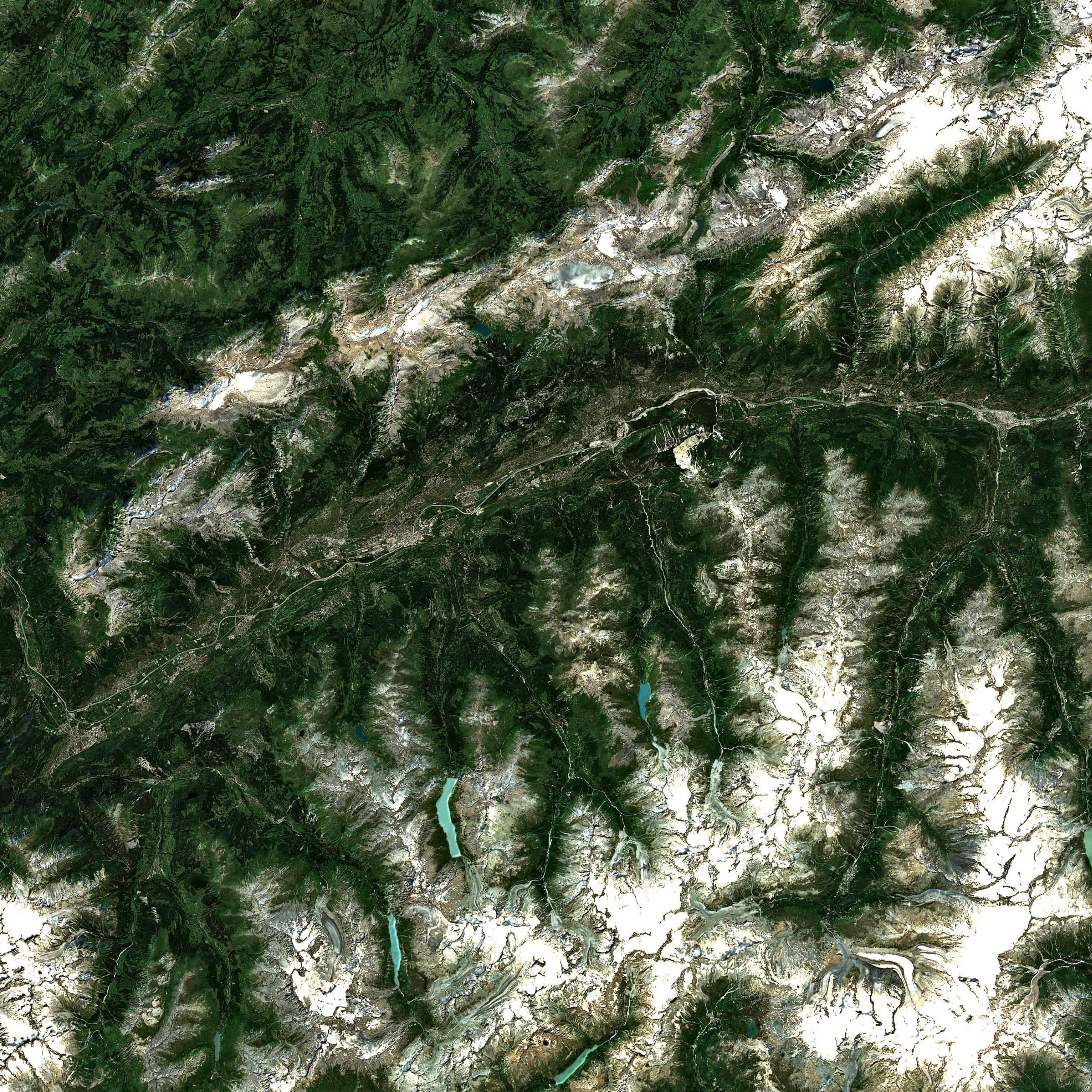
Cool and continental, with vineyards surviving in sheltered pockets: lake shores, river valleys and south-facing slopes that catch what sun the north side of the Alps allows. In the Bündner Herrschaft the autumn foehn pours warmth down the young Rhine valley and ripens Pinot Noir to a depth nowhere else in German-speaking Switzerland can match.
Terroir
Limestone rules here: the Herrschaft's vines grow on calcareous scree beneath the Falknis, Schaffhausen's Klettgau on Jurassic marl and limestone, and Zürich's slopes on sandstone and moraine. Old glacial lake terraces around Lake Constance and Lake Zürich complete a patchwork of small, scattered, mostly chalk-loving sites.
More in Switzerland
Map data: swissBOUNDARIES3D © swisstopo · Vineyard parcels © OpenStreetMap contributors (ODbL)