CorkCork

Mittelrhein

Germany

About Mittelrhein

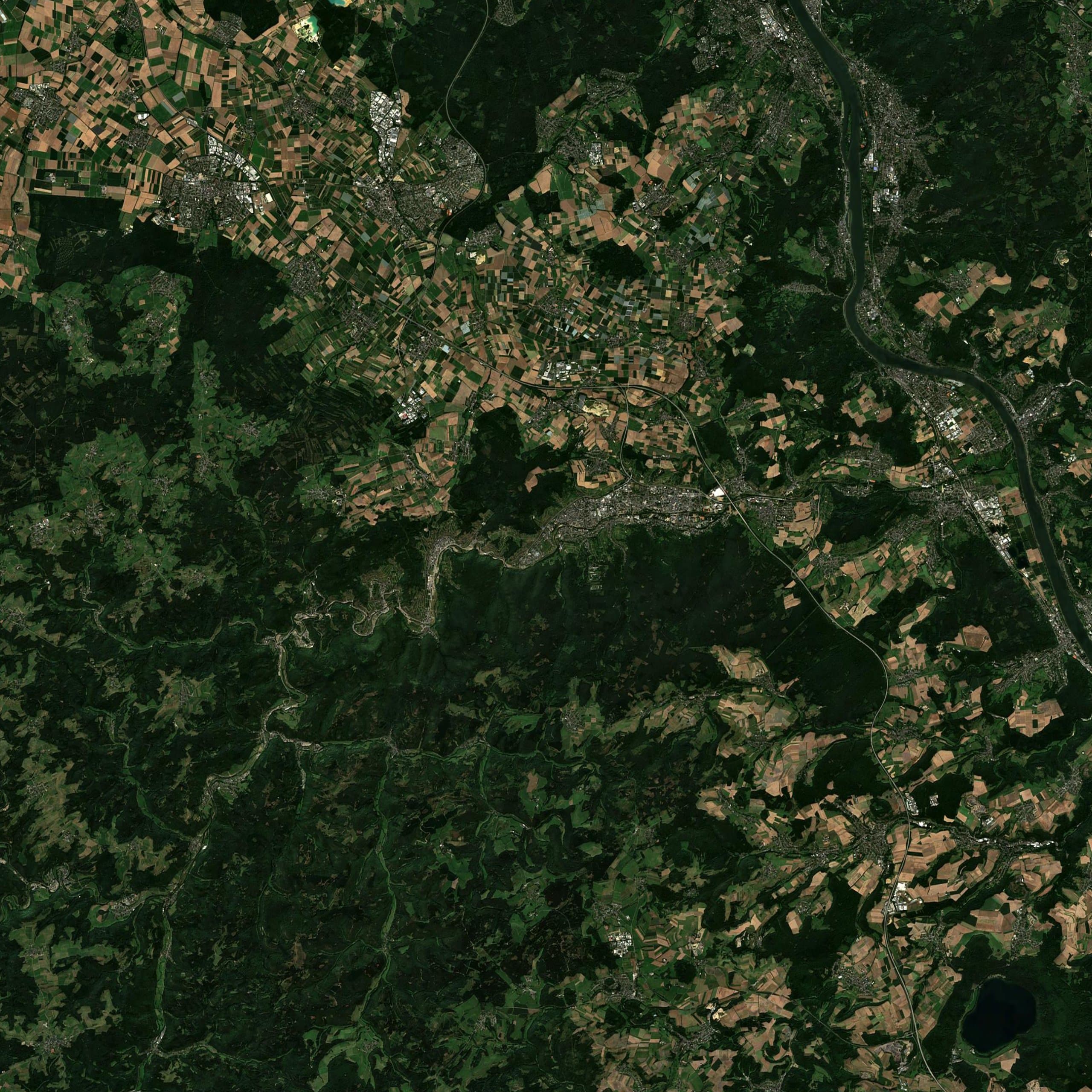
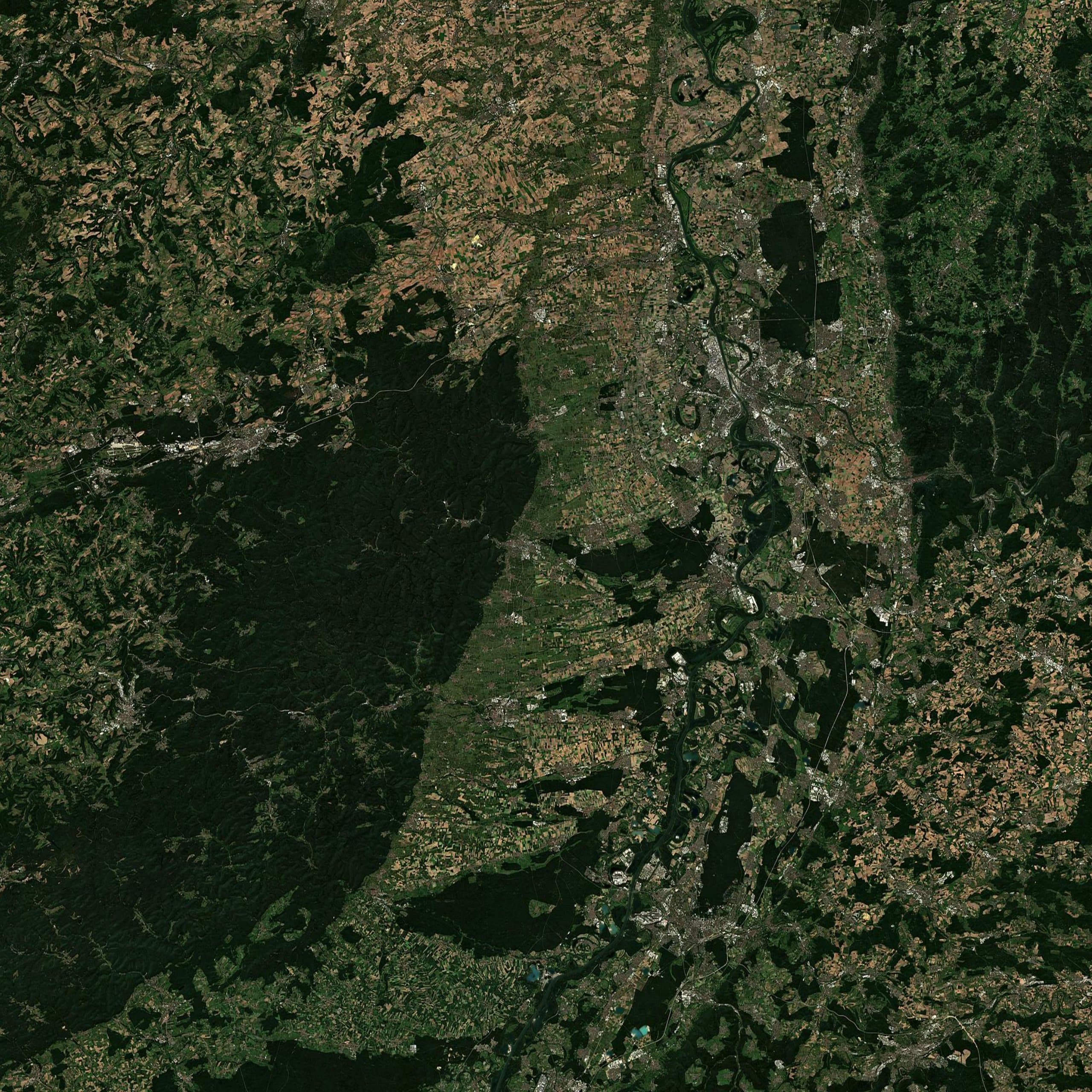
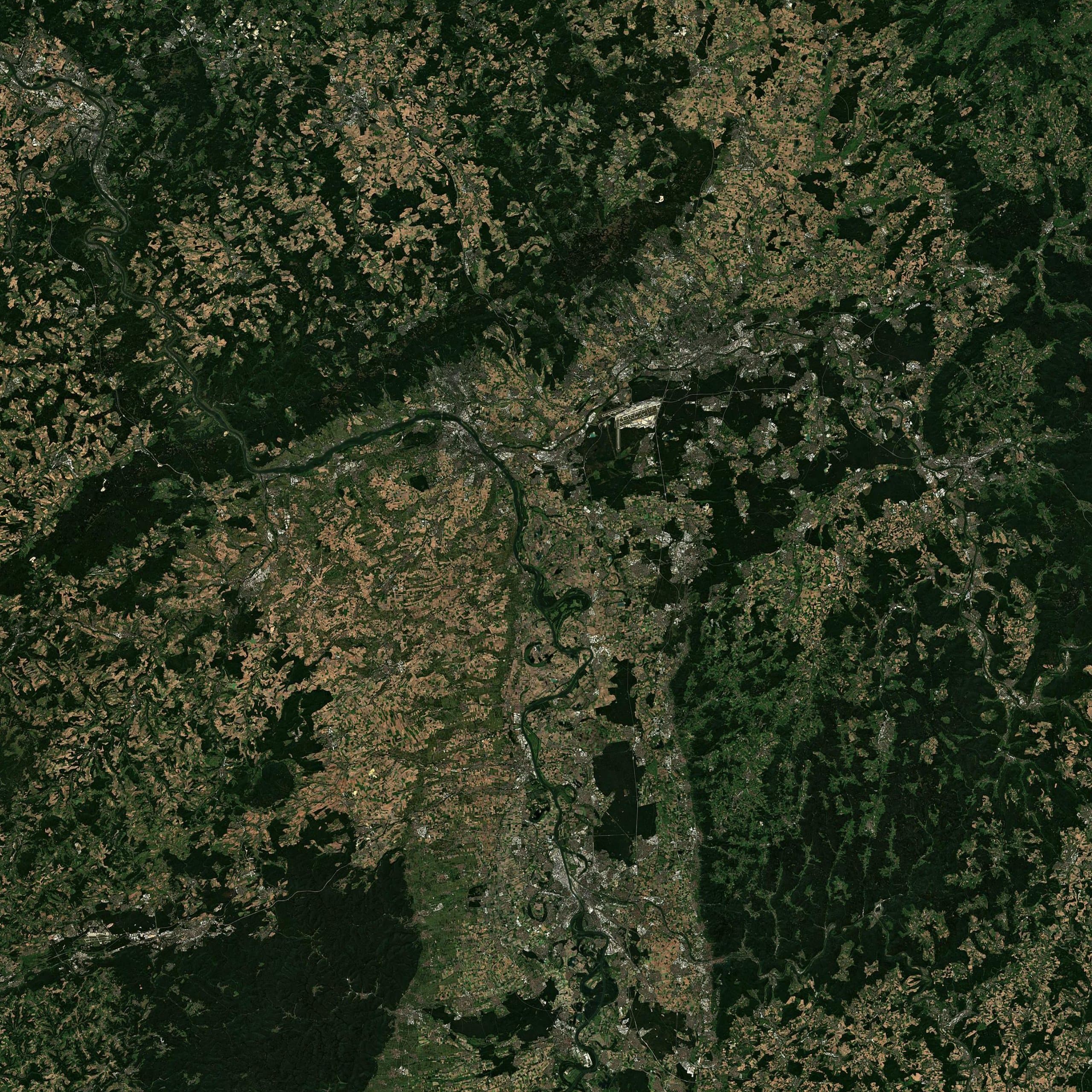
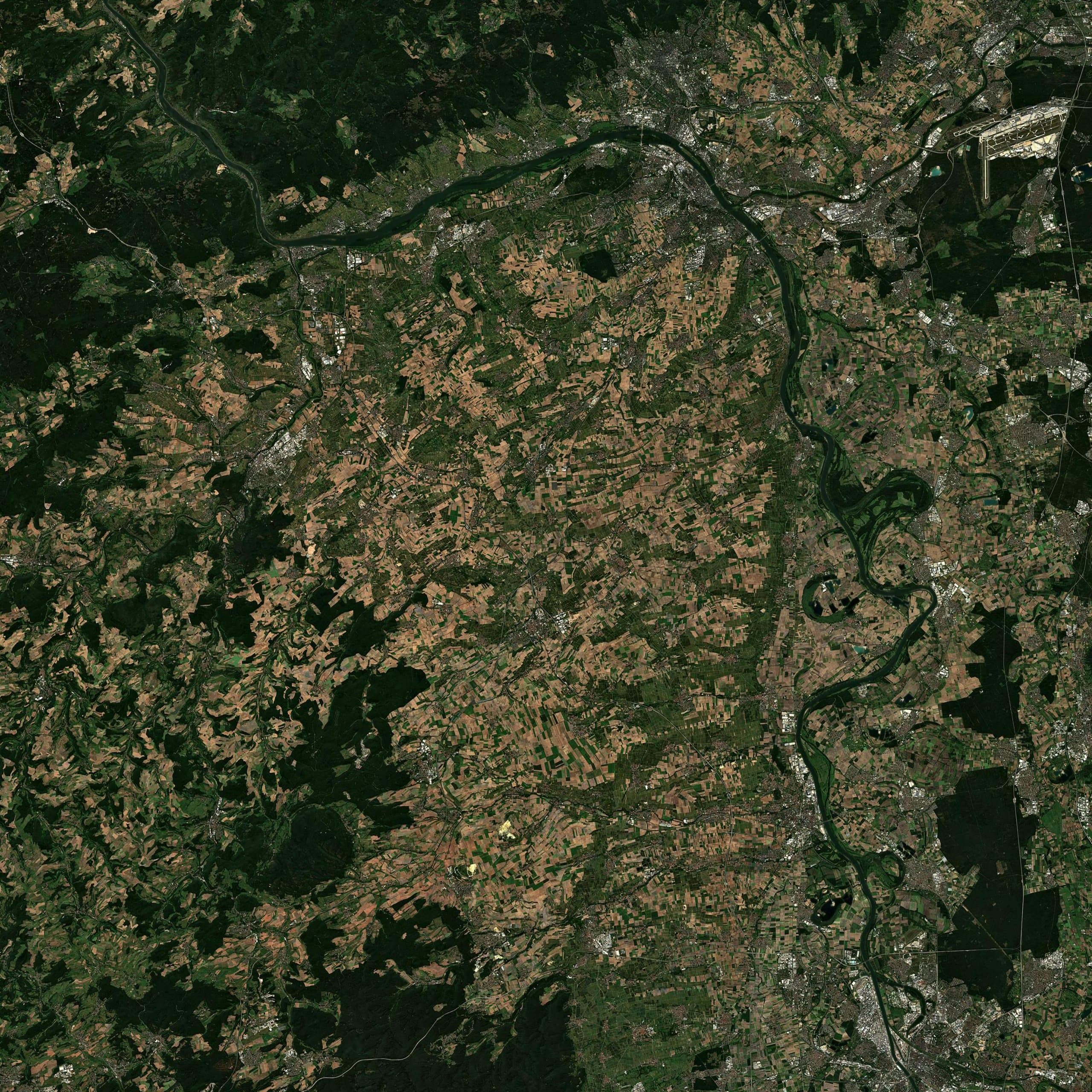
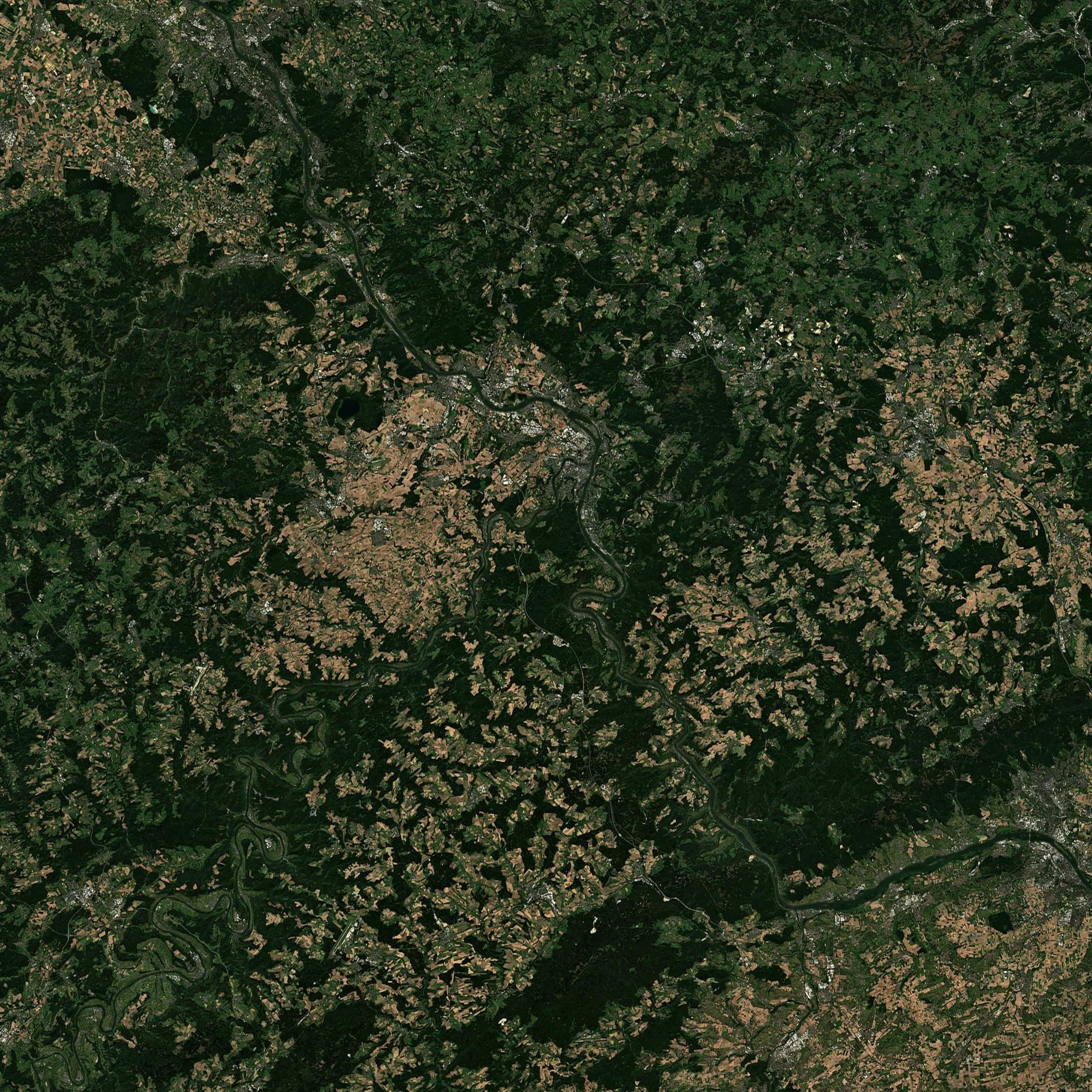
The Mittelrhein follows the Rhine through its most dramatic stretch, where steep, terraced vineyards cling to slate cliffs above the river between Koblenz and Bingen. This is the landscape of the Rhine Gorge, a UNESCO World Heritage site dotted with medieval castles and walled towns. Riesling accounts for the vast majority of plantings and thrives on the heat-trapping slate slopes, producing racy, mineral wines with pronounced acidity and a distinctive flinty character. The best vineyards face south or southwest, catching reflected warmth from the river below. While the region has shrunk considerably over the past century, a new generation of growers around Bacharach, Oberwesel, and Boppard is reviving abandoned terraces and crafting some of Germany's most exciting, terroir-driven Rieslings. The wines remain relatively unknown outside Germany, which means exceptional quality at very approachable prices.

Vintage Ratings

Rating:
5
4
3
2
1
PeakReadyHold
Year2024202320222021202020192018201720162015201420132012201120102009200820072006200520042003200220012000
White

Cork tracks drinking windows for every Mittelrhein vintage in your cellar. Sign up

Outstanding Mittelrhein Vintages

The best recent vintages rated excellent or exceptional.

White

2024

Ready
Excellent

Spring frost reduced yields, but an extended ripening season produced fresh, mineral wines with great purity. Kabinett and Spatlese styles shine.

2026Peak 203020362038

2023

Ready
Excellent

Long, cool season with classic balance. Moderate alcohol, bright acidity, and pronounced slate minerality.

2025Peak 202920352038

2022

Ready
Excellent

Hot, dry summer with timely August rain. Concentrated and powerful yet surprisingly fresh from the best steep-slope sites.

2024Peak 202820342036

2021

Ready
Excellent

Cool, challenging conditions rewarded meticulous growers with pure, mineral, high-acid Rieslings built for long ageing.

2024Peak 202820342036

2019

Ready
Exceptional

A modern classic. Warm days, cool nights, and a long hang time produced concentrated, balanced Rieslings of exceptional quality across all styles.

2022Peak 202720382042

2018

At peak
Excellent

Record warmth, but the steep slate slopes retained freshness better than flatter regions. Powerful wines with ripe fruit and surprising acidity.

2020Peak 202420302033

2017

At peak
Excellent

Spring frost reduced yields significantly, but surviving fruit achieved excellent concentration. Elegant wines with fine structure.

2019Peak 202320302033

2015

At peak
Exceptional

Near-perfect conditions produced wines of concentration and elegance. The steep Rhine Gorge vineyards excelled, delivering Rieslings with superb ageing potential.

2018Peak 202220382042

2013

At peak
Excellent

Small crop of exceptional purity. Cool conditions and late harvest produced wines of clarity and precision that are now entering their prime.

2016Peak 201920272030

2012

At peak
Excellent

Good flowering and a warm summer delivered concentrated, structured wines. The steep slopes around Bacharach and Boppard performed particularly well.

2014Peak 201820272030

2011

Drink now
Excellent

Early, warm vintage with open-knit, fruit-forward wines. Immediately appealing with ripe flavors and moderate acidity.

2013Peak 201620252028

2009

At peak
Exceptional

Rich and generous across the board. Every style from dry GG to TBA succeeded.

2012Peak 201820352040

2008

Drink now
Excellent

A cool vintage that rewarded patient growers with a superb October. Racy, focused wines with laser-like acidity and excellent ageing potential.

2010Peak 201420252028

2007

At peak
Exceptional

Warm, balanced growing season produced complete wines with excellent concentration and freshness. Both dry and sweet styles excelled.

2010Peak 201520322035

2005

At peak
Exceptional

Outstanding across all styles. Steep-slope Rieslings achieved perfect physiological ripeness with firm acidity.

2008Peak 201520352040

2004

Past window
Excellent

Cool, classic conditions produced elegant, structured wines with vibrant acidity. A textbook Mittelrhein vintage with great food-pairing potential.

2006Peak 201020222025

2001

At peak
Exceptional

A benchmark vintage for German Riesling. Perfect sugar-acid balance and ideal ripeness produced wines of great depth and longevity.

2005Peak 201020302035

Einzellagen

Loading map...

Terroir & Character

Climate

continentalsunny

Cool continental climate moderated by the Rhine River, with warm, sunny exposures on steep south-facing slopes that maximize ripening while preserving the bright acidity essential for elegant Riesling.

Terroir

slatequartzitesteep slopeswell-drained

Predominantly Devon slate and quartzite soils on extremely steep slopes (up to 70% grade) that provide excellent drainage and heat retention, while the Rhine River creates beneficial microclimates and reflects additional sunlight onto the vines.

Typical Aromas

slate mineralitygreen applewhite peachlime zestwet stonehoneyed petrol
Explore the aroma wheel

Classification System

VDP Vineyard Classification

The Mittelrhein has a small but dedicated group of VDP estates. Vineyards are classified by quality, with the finest steep-slope sites producing racy, mineral Rieslings.

Grosse Lage

Grand Cru equivalent, the finest vineyard sites

Erste Lage

Premier Cru equivalent, excellent sites

Ortswein

Village-level wines from a named commune

Gutswein

Estate-level, entry point from VDP members

Prädikat System (Ripeness)

The traditional system classifies wines by grape ripeness at harvest, indicating sweetness and concentration.

Trockenbeerenauslese

Rarest, from individually selected dried berries

Eiswein

Pressed from naturally frozen grapes

Beerenauslese

From individually selected overripe berries

Auslese

From selected bunches of very ripe grapes

Spätlese

Late harvest, richer and riper

Kabinett

Lightest Prädikat, elegant and lower alcohol

Grapes of Mittelrhein

Frequently Asked Questions

What makes Mittelrhein wine special?
It's all about the dramatic terroir - steep, terraced vineyards carved into slate cliffs along the Rhine Gorge, a UNESCO World Heritage site. The slate soils and river microclimate create incredibly mineral-driven Rieslings with razor-sharp acidity and distinctive smoky notes. Plus, you're literally drinking wine from one of Europe's most spectacular landscapes, surrounded by medieval castles.
What are the best Mittelrhein vintages?
2019 stands out as exceptional - a modern classic with concentrated, perfectly balanced wines thanks to warm days, cool nights, and extended hang time. 2021, 2022, 2023, and 2024 are all excellent too, each rated 4/5 stars. The 2021 was particularly pure and mineral from the challenging cool conditions.
What grapes are grown in Mittelrhein?
Riesling dominates and produces the region's finest wines, perfectly suited to those slate slopes. You'll also find Müller-Thurgau, Pinot Blanc, Pinot Gris, and some Pinot Noir. But honestly, if you're drinking Mittelrhein, you want to focus on their Rieslings - that's where the magic happens.
Is 2024 a good year for Mittelrhein?
Yes, it's rated 4/5 stars. Spring frost reduced yields significantly, but that turned out to be a blessing - the remaining grapes benefited from an extended ripening season. The result is fresh, mineral wines with excellent concentration due to the lower yields.
When should I drink Mittelrhein 2024?
You can enjoy them now for their fresh, vibrant character, but these mineral-driven Rieslings will develop beautifully over 5-10 years. The extended ripening season and concentrated fruit from reduced yields suggest they have good aging potential. I'd say drink some young and cellar the rest for 3-5 years.
What food pairs well with Mittelrhein wines?
The high acidity and mineral backbone make them perfect with German classics like sauerbraten or pork schnitzel. They're fantastic with river fish, especially trout or salmon, and the minerality works beautifully with oysters and shellfish. The crisp, clean style also cuts through rich, creamy sauces perfectly.
How does Mittelrhein compare to other major wine regions?
It's much smaller and more dramatic than Mosel or Rheingau, with even steeper vineyards and more intense slate influence. The wines tend to be more mineral and austere than Pfalz, similar in style to Mosel but often with more power. Think of it as Germany's most spectacular but lesser-known Riesling region - incredible quality but limited production.

Map data: Landwirtschaftskammer Rheinland-Pfalz