CorkCork
Württemberg

Württemberg

Germany

WürttembergWürttemberg

Germany wine regions

About Württemberg

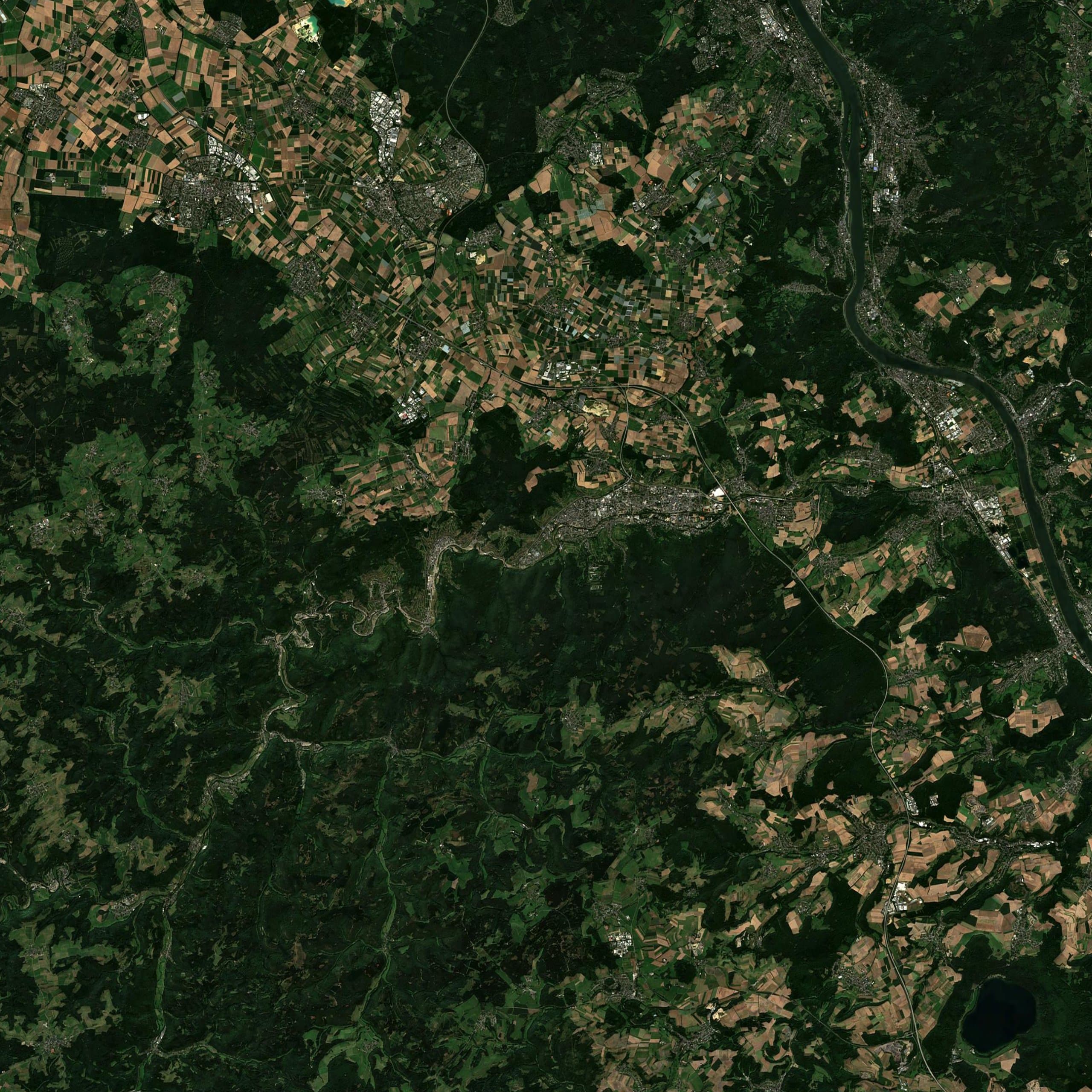
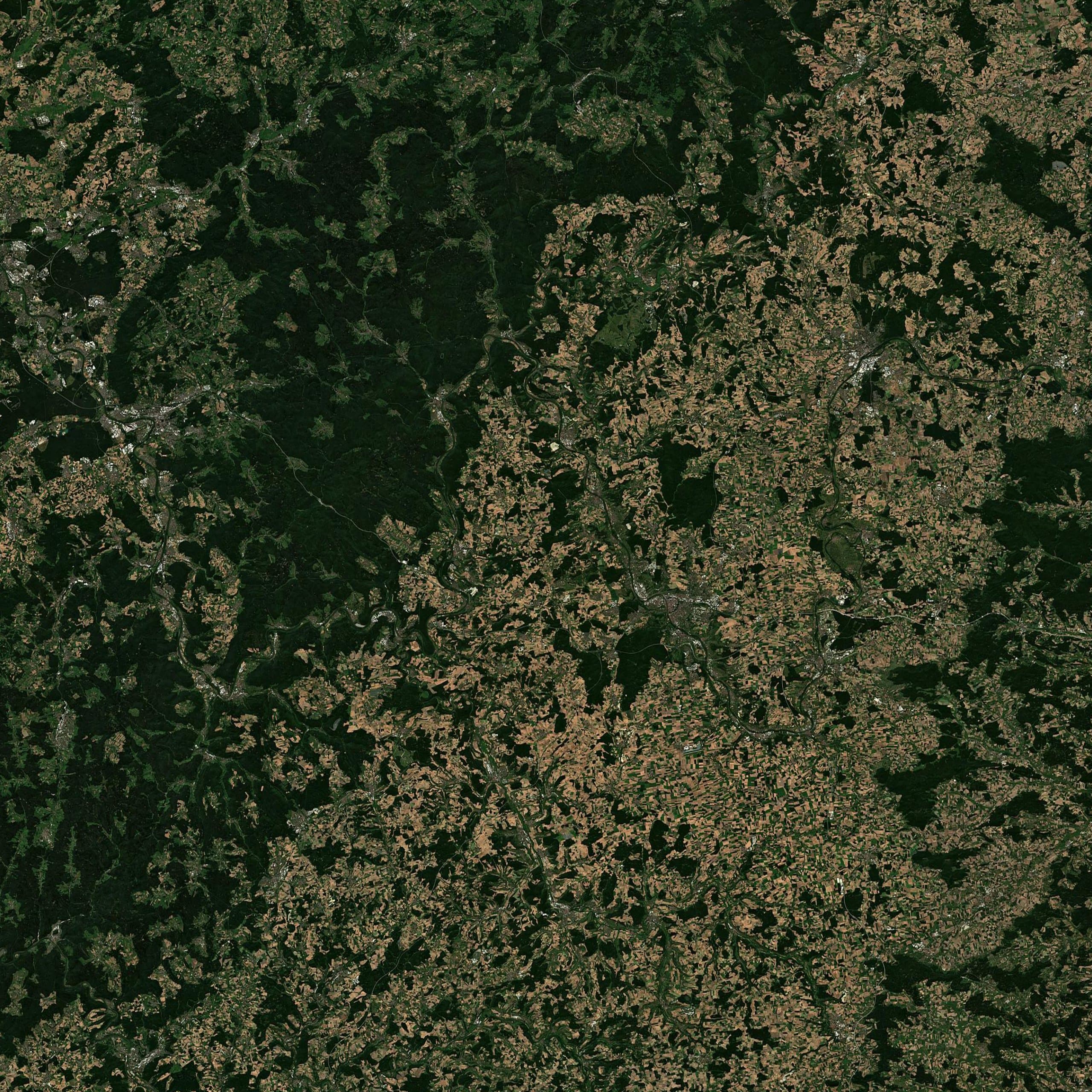
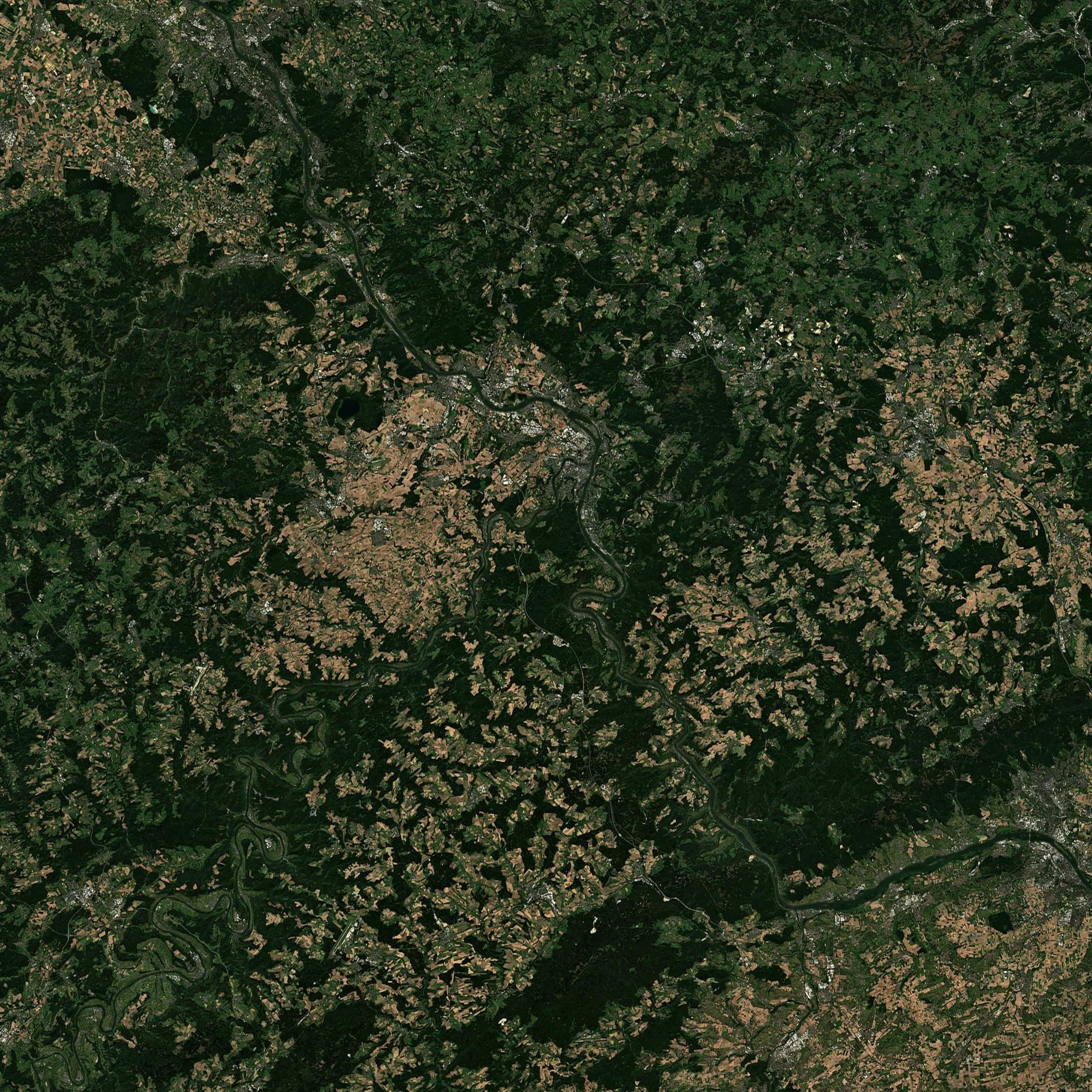
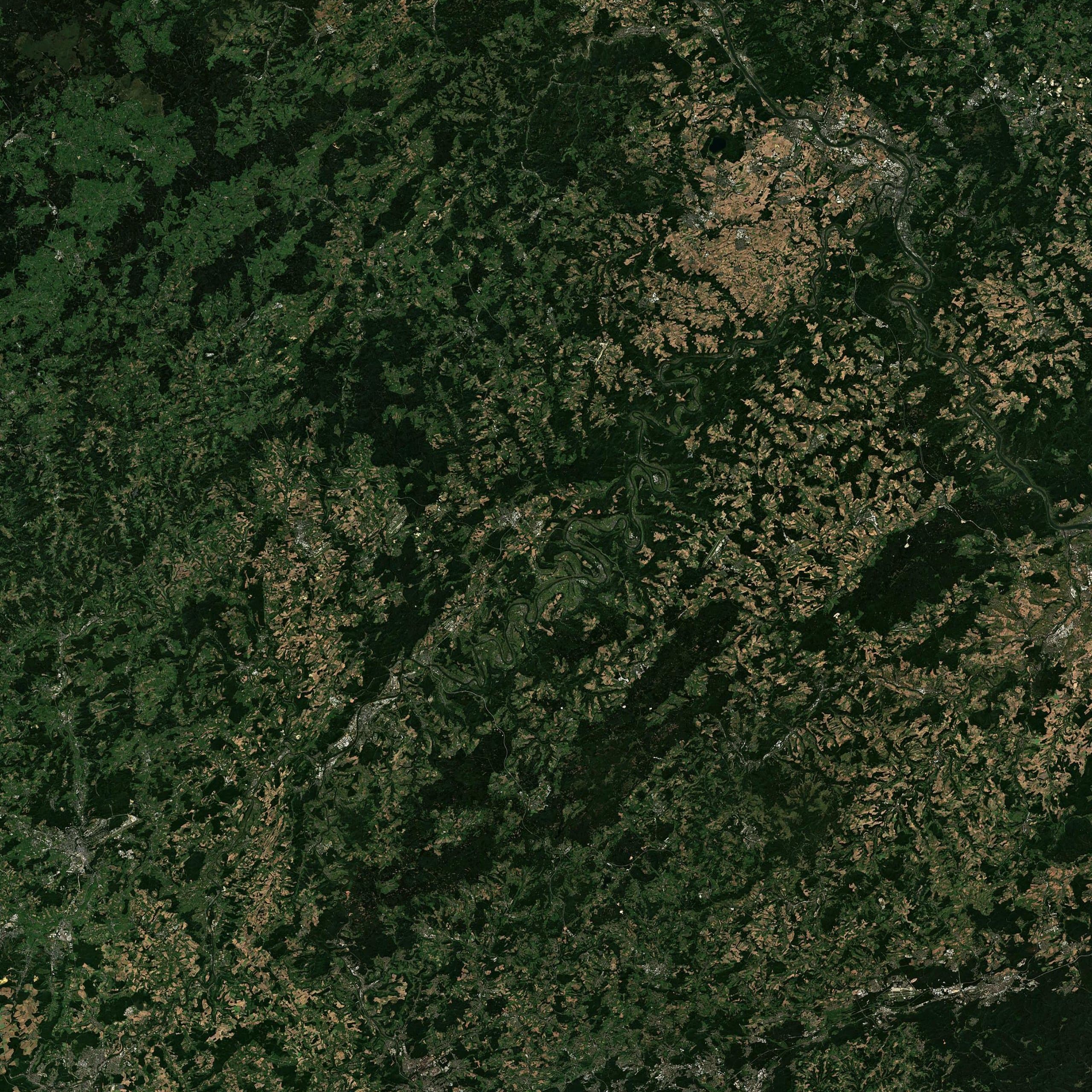
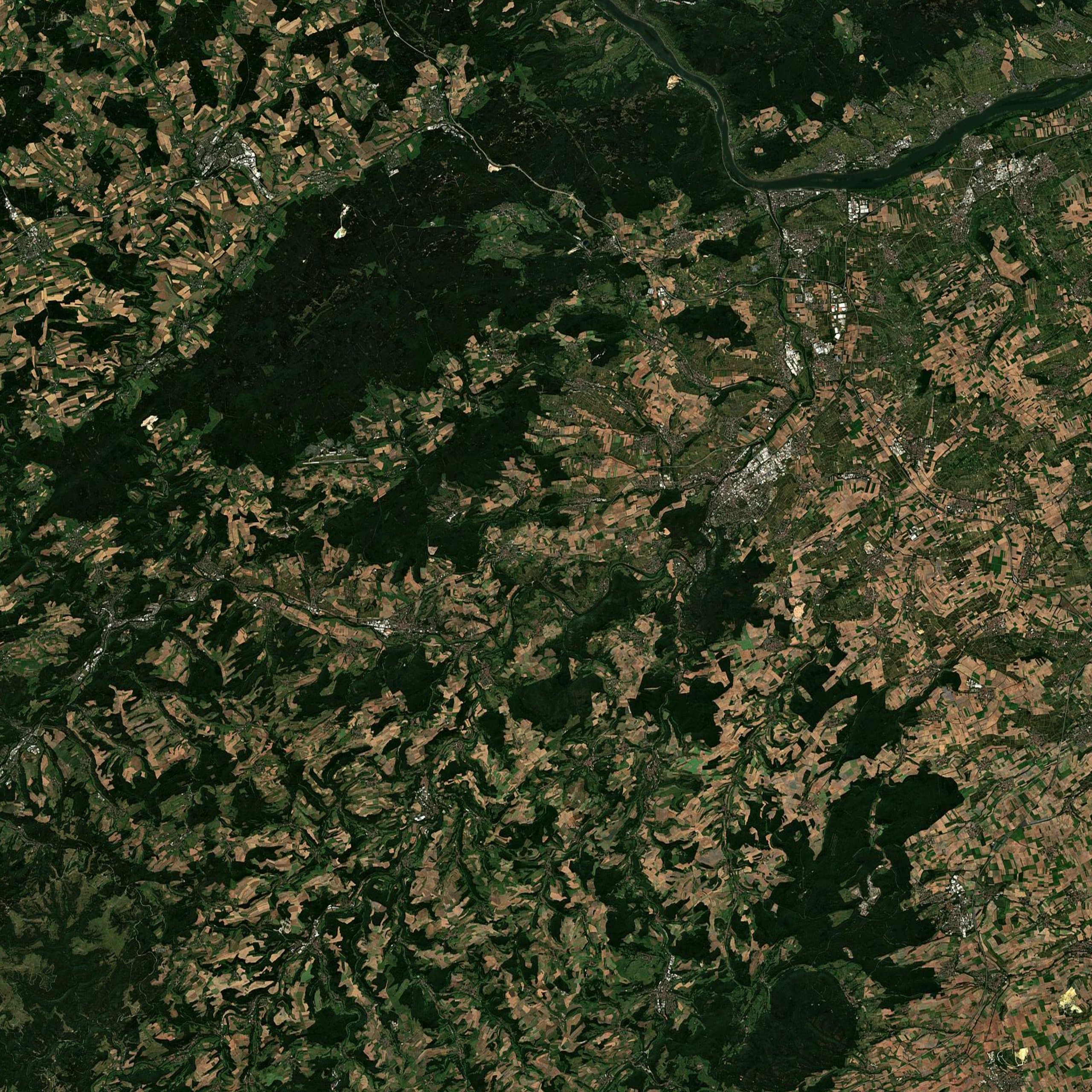
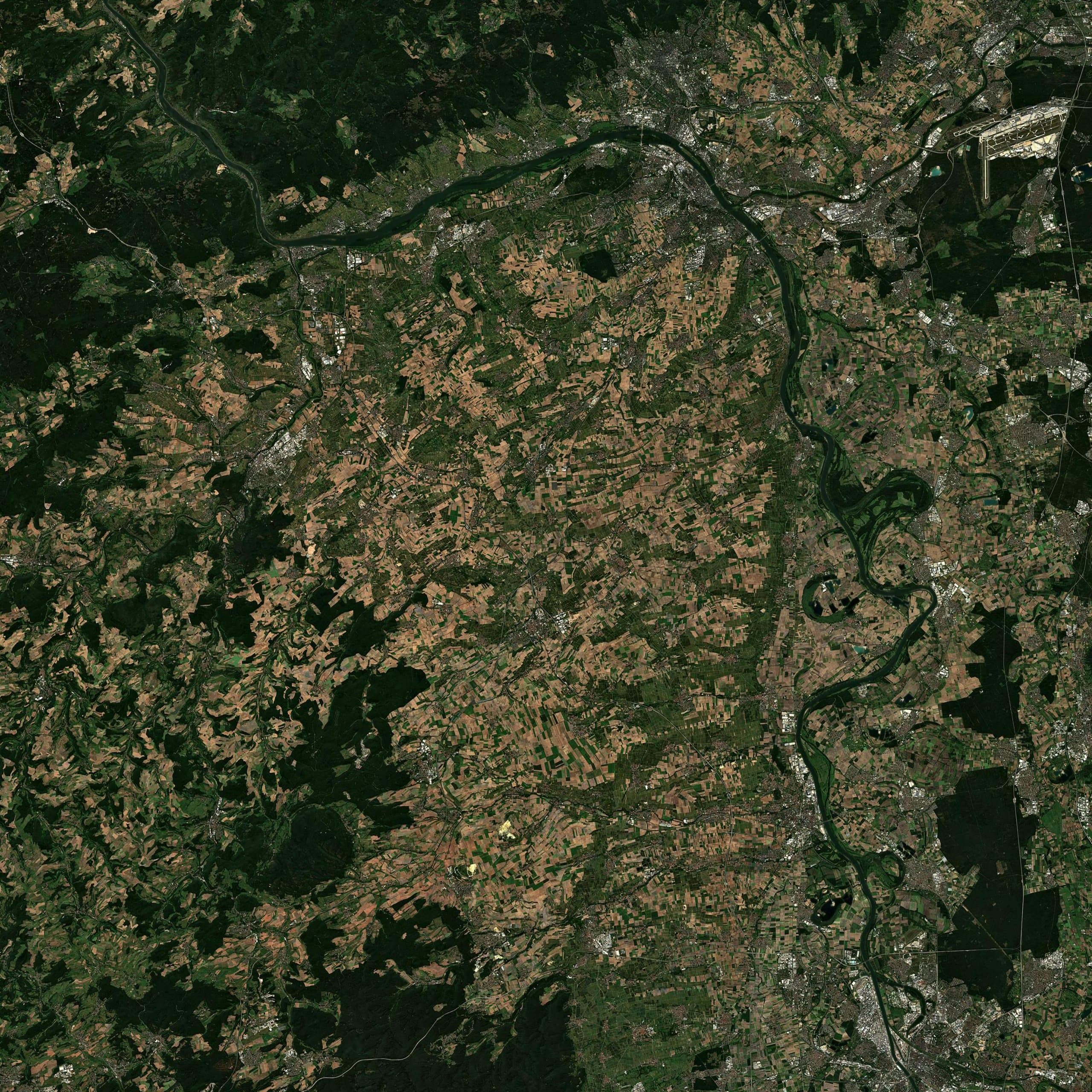
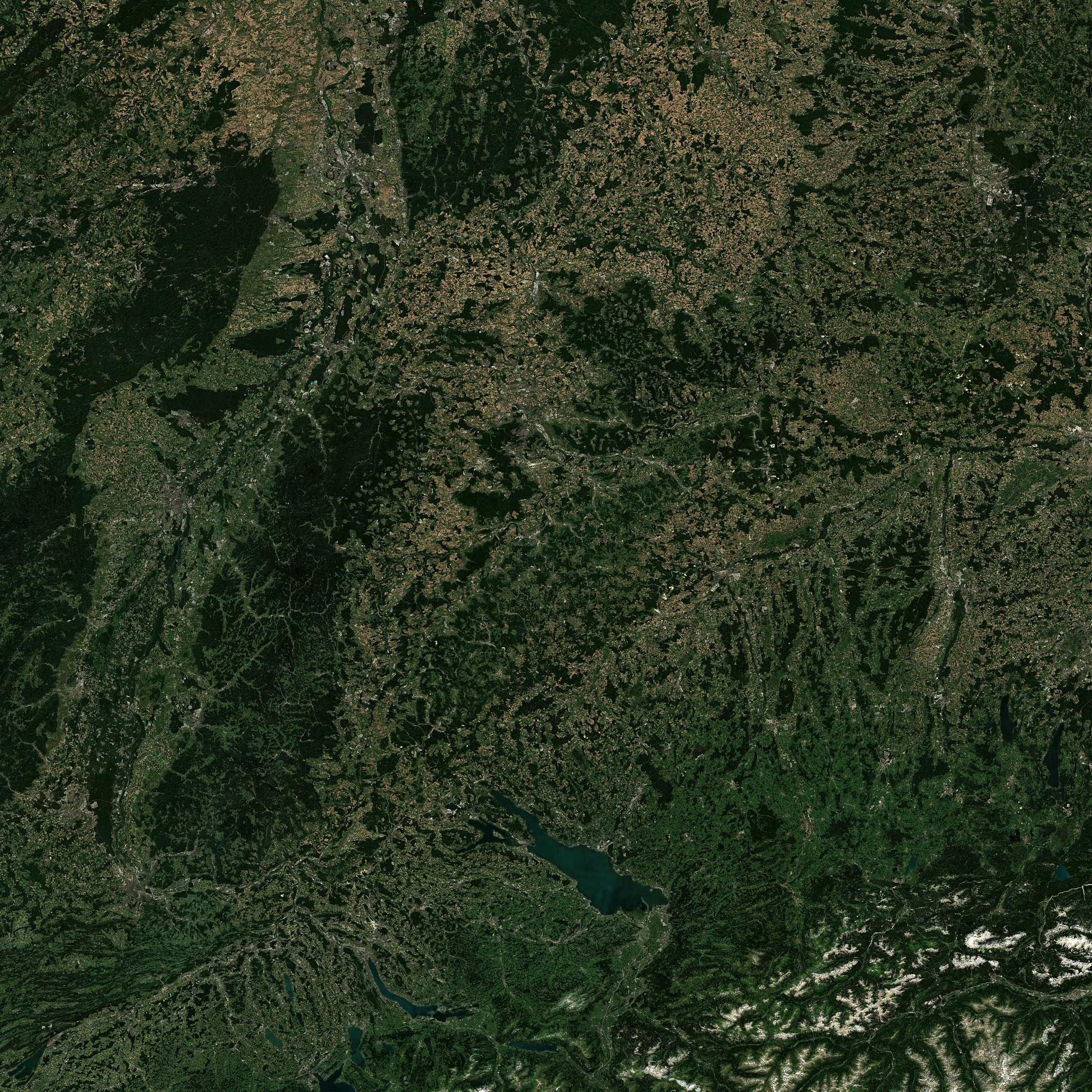
Germany's fourth-largest wine region and its red wine heartland, stretching along the Neckar River and its tributaries from Reutlingen north to Heilbronn. Württemberg produces more red wine than any other German region, with Trollinger, Lemberger (Blaufränkisch), and Schwarzriesling (Pinot Meunier) dominating the vineyards. The warm, sheltered river valleys create a mild continental climate ideal for red varieties. Steep terraced slopes along the Neckar, known as Steillagen, give wines their distinctive character. Riesling and other whites play a supporting role but can be excellent. The region's cooperative tradition runs deep, with Genossenschaften vinifying most of the grapes, though a growing number of independent estates are gaining recognition for ambitious, terroir-driven wines.

Vintage Ratings

Rating:
95+
90-94
85-89
80-84
<80
PeakReadyHold
Year2026202520242023202220212020201920182017201620152014201320122011201020092008200720062005200420032002200120001999199719931990
Red
White

Outstanding Württemberg Vintages

The best recent vintages rated excellent or exceptional.

Red

2026

Hold
92Excellent

Early signs of a very good vintage. Healthy fruit with good phenolic ripeness.

2029Peak 203220392042

2025

Hold
92Excellent

Very good quality across varieties. Lemberger shows dark fruit and firm tannins.

2028Peak 203120382041

2023

Hold
96Exceptional

Outstanding vintage for reds. Exceptional Lemberger with deep color, ripe tannins, and layers of dark fruit.

2028Peak 203320432048

2022

Almost ready
92Excellent

Excellent ripe vintage. Heat stress on some sites but top growers managed well.

2027Peak 203120382042

2020

Ready
96Exceptional

Superb vintage with ideal conditions. Profound Lemberger with concentration and complexity.

2026Peak 203120402045

2019

Ready
92Excellent

Very good vintage, warm character. Ripe, generous Lemberger.

2025Peak 202920362040

2018

Ready
96Exceptional

Exceptional warmth produced outstanding reds. Lemberger with remarkable depth, velvety tannins.

2024Peak 202920382043

2016

Ready
92Excellent

Classical vintage with balanced wines. Lemberger shows elegance over power.

2022Peak 202720342038

2015

Ready
96Exceptional

Outstanding warm vintage. Dense, concentrated Lemberger.

2022Peak 202720362040

2012

At peak
92Excellent

Very good vintage with balanced ripeness. Lemberger structured and age-worthy.

2018Peak 202320302034

White

2026

Hold
92Excellent

Very good early indicators for whites. Riesling shows ripe fruit and fresh acidity.

2028Peak 203020372040

2025

Almost ready
92Excellent

Very good Riesling with classic character. Fresh and mineral.

2027Peak 202920362039

2023

Ready
96Exceptional

Outstanding whites. Riesling with exceptional concentration and vibrant acidity.

2026Peak 203020382043

2022

Ready
92Excellent

Excellent ripe Riesling. Fuller style with good balance.

2025Peak 202820352038

2021

Ready
92Excellent

Classic cool-climate whites. Racy acidity, delicate fruit.

2024Peak 202720342037

2020

Ready
92Excellent

Very good whites with ripe character. Harmonious Riesling with depth.

2023Peak 202720332036

2019

At peak
92Excellent

Ripe, generous whites. Some warmth shows but best Riesling retains freshness.

2022Peak 202620322035

2018

At peak
92Excellent

Excellent ripe whites. Fuller-bodied Riesling with good extract.

2021Peak 202520312034

2016

At peak
92Excellent

Classical vintage. Elegant Riesling with fine minerality and aging potential.

2019Peak 202420302033

2015

At peak
92Excellent

Ripe, generous whites. Riesling with stone fruit and good balance.

2019Peak 202320292032
Curious about Württemberg? Save it to your Discoveries and tick it off when you taste your first wine.

Bereiche

Loading map...

Terroir & Character

Climate

continentalwarm valleyssheltered

Warm continental with sheltered river valleys. The Neckar and its side valleys trap heat, creating some of the warmest vineyard sites in Germany. Keuper and shell limestone soils retain warmth, extending the growing season.

Terroir

keuper marlshell limestoneriver terracessteep slopes

Keuper marl (Gipskeuper) dominates, providing iron-rich, water-retaining soils ideal for red varieties. Shell limestone (Muschelkalk) and red sandstone (Buntsandstein) appear in the north. The steep Neckar terraces create excellent drainage and sun exposure.

Typical Aromas

red cherryplumblackberryearthspicesmokemineralapplepeach
Explore the aroma wheel

Classification System

VDP Vineyard Classification

Württemberg has 18 VDP member estates who classify their vineyards into a quality pyramid. With 46 Grosse Lagen, the region has one of the densest concentrations of top-classified sites in Germany, particularly around the Remstal and Neckar valley near Stuttgart and Heilbronn.

Grosse Lage

Grand Cru equivalent, the finest vineyard sites (46 in Württemberg)

Erste Lage

Premier Cru equivalent, excellent sites (37 in Württemberg)

Ortswein

Village-level wines from a named commune

Gutswein

Estate-level, entry point from VDP members

Prädikat System (Ripeness)

Classifies wines by minimum grape ripeness at harvest. Ripeness level does not determine sweetness: wines at any Prädikat level can be made dry (trocken), off-dry (halbtrocken), or sweet.

Trockenbeerenauslese

Rarest, from individually selected dried berries

Eiswein

Pressed from naturally frozen grapes

Beerenauslese

From individually selected overripe berries

Auslese

From selected bunches of very ripe grapes

Spätlese

Late harvest, richer and riper

Kabinett

Lightest Prädikat, elegant and lower alcohol

Notable Producers

AldingerTop Lemberger and Riesling
SchnaitmannModern reds and whites, Simonroth
DautelPremium Spatburgunder and Lemberger
Graf AdelmannHistoric estate, Sussmund range

Grapes of Württemberg

Pinot Noir

Red

Spätburgunder in Württemberg

Body
Tannins
Sweetness
Acidity
strawberryraspberryred cherryviolet

Known as Spätburgunder, increasingly ambitious and Burgundian in style from top estates

Riesling

White
Body
Sweetness
Acidity
green applelimelemonwhite peach

Württemberg's leading white. Mineral, medium-bodied from the Neckar slopes.

Blaufränkisch

Red

Lemberger in Württemberg

Body
Tannins
Sweetness
Acidity
sour cherryblackberryblack pepperviolet

Known as Lemberger, the region's most serious red, structured with dark fruit and spice from Keuper marl soils

Dornfelder

Red
Body
Tannins
Sweetness
Acidity
blackberrycherryelderberryplum

Deep-colored, fruit-forward red, from simple quaffers to structured oak-aged versions

Kerner

White
Body
Sweetness
Acidity
green applepearapricotcitrus

A local cross of Trollinger × Riesling, aromatic and fresh, second most planted white

Meunier

Red

Schwarzriesling in Württemberg

Body
Tannins
Sweetness
Acidity
golden appleraspberrybiscuitbrioche

Known as Schwarzriesling, the third pillar of Württemberg reds, soft and fruity with gentle tannins

Müller-Thurgau

White
Body
Sweetness
Acidity
green applepeachlycheeelderflower

Light, floral everyday whites, widely planted in the cooler sites

Samtrot

Red
Body
Tannins
Sweetness
Acidity
raspberrystrawberrycherryplum

A Schwarzriesling mutation unique to Württemberg, velvety and approachable

Schiava

Red

Trollinger in Württemberg

Body
Tannins
Sweetness
Acidity
strawberryraspberryrosealmond

Known as Trollinger, the everyday red of Württemberg, light and refreshing, often paired with local Swabian cuisine

Frequently Asked Questions

What makes Württemberg wine special?
Württemberg is Germany's red wine powerhouse - it's the only German region where red wines outnumber whites. The region has a unique microclimate with protected valleys that allow grapes like Trollinger and Lemberger to ripen fully. Most of the wine is consumed locally by the Swabians, so you're getting something truly authentic that doesn't often leave the region.
What are the best Württemberg vintages?
Recent standout years include 2018, 2015, and 2011 for both reds and whites - these had ideal growing conditions with warm summers and good harvest weather. 2020 was also exceptional, producing concentrated wines with great aging potential. The 2009 vintage is still drinking beautifully if you can find bottles.
What grapes are grown in Württemberg?
Trollinger is the signature red grape - light, fruity, and perfect for everyday drinking. Lemberger (known as Blaufränkisch elsewhere) produces the region's most serious reds with great aging potential. For whites, Riesling dominates, followed by Kerner and Müller-Thurgau, plus some excellent Pinot Blanc and Gewürztraminer.
What food pairs well with Württemberg wines?
These wines are made for Swabian comfort food - think Trollinger with Maultaschen (German ravioli) or roast pork. Lemberger pairs beautifully with game meats and aged cheeses. The crisp Rieslings are perfect with local spätzle dishes and river trout, while the region's Pinot Blanc works wonderfully with white asparagus in spring.
How does Württemberg compare to other major wine regions?
Unlike other German regions focused on whites, Württemberg is red wine country - about 70% of production. It's more similar to Austria's Burgenland or France's Beaujolais in style than to the Mosel or Rheingau. The wines are generally more food-friendly and less sweet than typical German wines, with a focus on everyday drinkability rather than cellar-worthy treasures.

Map data: LGRB-BW Weinbauatlas, Regierungspräsidium Freiburg