CorkCork
Vinho Verde

Vinho Verde

Portugal

Vinho VerdeVinho Verde

Portugal wine regions

About Vinho Verde

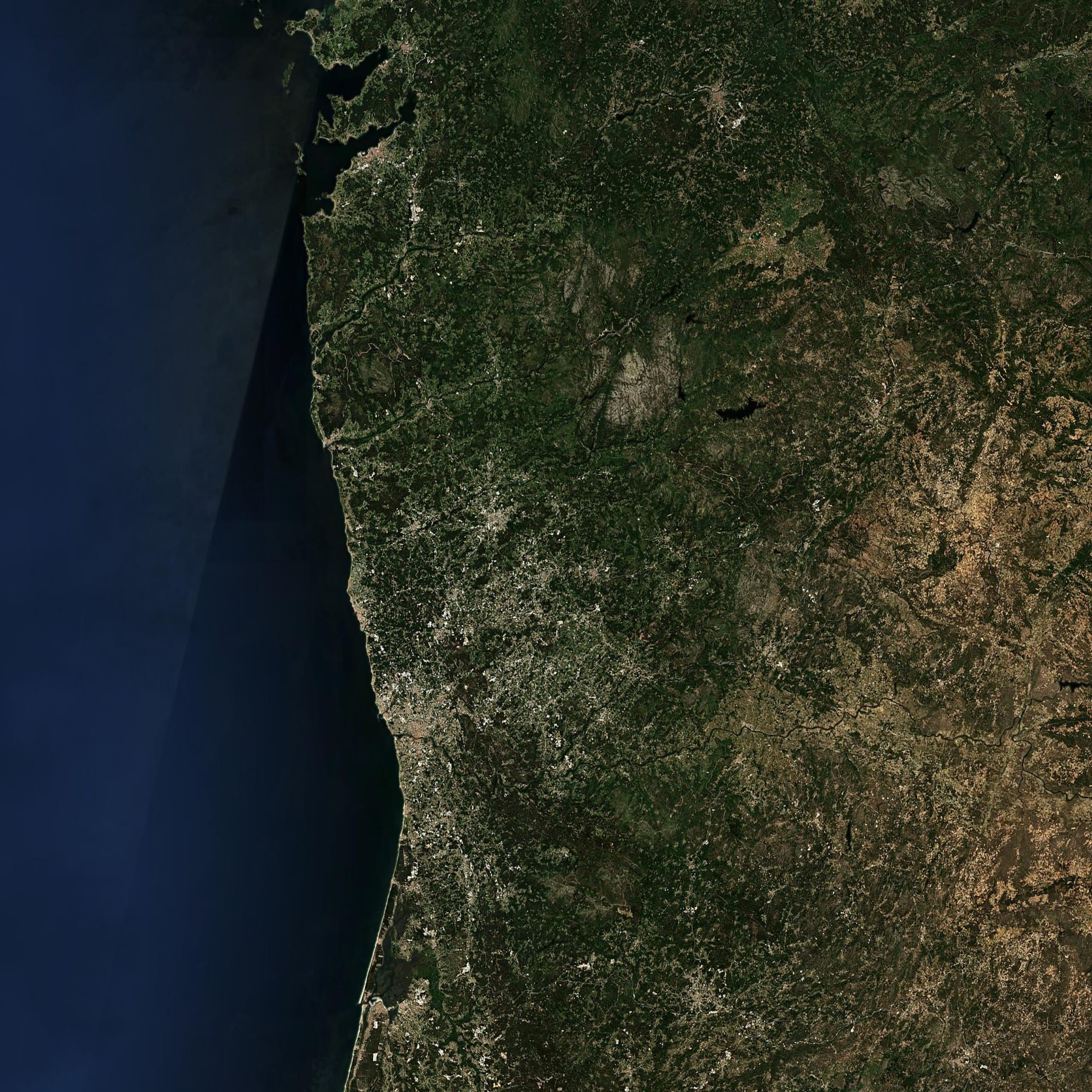
Portugal's largest wine region stretches across the green, rainy northwest, from the Minho river on the Spanish border south to the Douro. Despite its name ("green wine"), Vinho Verde refers to the region's lush landscape, not the wine's color. Nine sub-regions each have distinct characters: Monção e Melgaço in the north produces the finest Alvarinho (Albariño), while the southern sub-regions like Sousa and Paiva grow Loureiro and Vinhão for lighter, often lightly sparkling wines. A new generation of producers is challenging the region's cheap-and-cheerful reputation with serious, age-worthy single-vineyard whites.

01329 m

Elevation range

redroséwhite

Wine styles

9 Sub-regions

Avg. slope 12°

Vintage Ratings

Rating:
95+
90-94
85-89
80-84
<80
PeakReadyHold
Year20242023202220212020201920182017201620152014201320122011201020092008200720062005200420032002200120001999199819971996199519941993199219911990
White

Outstanding Vinho Verde Vintages

The best recent vintages rated excellent or exceptional.

White

2024

At peak
92Excellent

A great, highly promising year producing concentrated wines with excellent balance between freshness and elegance. Premium Alvarinho shows richness with preserved acidity.

2024Peak 202520272029

2023

At peak
91Excellent

A challenging harvest that still achieved good quality standards. Aromatic, long, and refreshingly acidic whites.

2023Peak 202420262027

2022

Drink now
90Excellent

While 2022 was one of the hottest and driest years on record across Portugal, the cooler Minho region fared better than southern areas. Vinho Verde production actually increased by about 10%.

2022Peak 202320252026

2019

Past window
92Excellent

A classic, cooler year in the Minho producing fresher wines with excellent purity of fruit. The cooler temperatures meant good acidities and vibrant freshness.

2019Peak 202020222024

2018

Past window
91Excellent

A rebound year with high production following the severely reduced 2017 harvest. Ripe and generous whites with good fruit intensity.

2018Peak 201920212022

2015

Past window
94Excellent

A very good year in both quantity and quality. Wines are very balanced with high intensity, quality, and aromatic persistence.

2017Peak 201620182025
Curious about Vinho Verde? Save it to your Discoveries and tick it off when you taste your first wine.

Sub-regiões

Loading map...

Terroir & Character

Climate

maritimecoolhigh rainfallmild summers

Atlantic maritime, the wettest wine region in Portugal (1200-2000mm annual rainfall). Cool, wet winters and mild summers. Proximity to the Atlantic keeps temperatures moderate. The northern sub-regions (Monção e Melgaço) have more continental influence with warmer summers, crucial for ripening Alvarinho.

Terroir

granitewell-drainedriver valleyspergola training

Predominantly granite soils with excellent drainage, essential given the high rainfall. River valleys (Minho, Lima, Cávado, Ave) create distinct microclimates. Traditional pergola (ramada) training lifts canopies above the damp ground. The granite imparts a distinctive mineral salinity to the wines.

Typical Aromas

lime zestgreen applewhite peachsea spray mineralitylemon verbenawet granite
Explore the aroma wheel

Notable Producers

Anselmo MendesElevated Alvarinho, Parcela Unica
SoalheiroPioneer of premium Alvarinho
Quinta de SantiagoTraditional Vinho Verde estate

Grapes of Vinho Verde

Frequently Asked Questions

What makes Vinho Verde wine special?
Vinho Verde is special because it's Portugal's largest wine region producing uniquely fresh, crisp whites with naturally low alcohol. The cool Atlantic and maritime influences in the rainy northwest create wines with bright acidity and aromatic qualities. Despite the name meaning 'green wine,' it refers to the youthful, fresh style rather than the color - these wines are meant to be enjoyed young and vibrant.
What are the best Vinho Verde vintages?
The standout vintages are 2024, 2019, and 2015, all rated 4/5. 2024 was a great year producing concentrated wines with excellent balance, while 2019 was a classic cooler year that delivered fresher wines with excellent purity. 2015 was very good in both quantity and quality, producing well-balanced wines with high quality overall.
What grapes are grown in Vinho Verde?
The key grape in Vinho Verde is Albariño, which thrives in the cool, rainy climate of the northwest region. The Atlantic influences and maritime conditions are perfect for this aromatic white grape variety. Albariño produces the crisp, fresh wines that Vinho Verde is famous for.
Is 2024 a good year for Vinho Verde?
Yes, 2024 is an excellent year for Vinho Verde, rated 4/5 stars. It's described as a great, highly promising vintage that produced concentrated wines with excellent balance. This makes 2024 one of the top recent vintages alongside 2019 and 2015.
When should I drink Vinho Verde 2024?
You should drink Vinho Verde 2024 soon - these wines are designed to be enjoyed young and fresh, typically within 2-3 years of vintage. The whole philosophy of Vinho Verde is about capturing youthful, vibrant flavors, so don't age them too long. The 2024s are ready to drink now and will be at their peak over the next couple of years.
What food pairs well with Vinho Verde wines?
Vinho Verde pairs beautifully with seafood, especially shellfish, grilled fish, and Portuguese dishes like bacalhau. The crisp acidity and fresh character also work great with light salads, sushi, and fresh cheeses. Since they're naturally lower in alcohol, they're perfect for casual outdoor dining and summer meals.
How does Vinho Verde compare to other major wine regions?
Vinho Verde stands out as Portugal's largest wine region with a unique focus on fresh, low-alcohol whites meant for immediate enjoyment. Unlike Bordeaux or Tuscany that emphasize age-worthy wines, Vinho Verde is all about youthful vibrancy and crisp aromatics. The cool Atlantic climate gives it more in common with regions like Rías Baixas in Spain, but with its own distinct Portuguese character.

Map data: IVV (Instituto da Vinha e do Vinho)