United States
Washington State
Desert sun, cold nights and the long light of the far north.
About Washington State
Wine regions
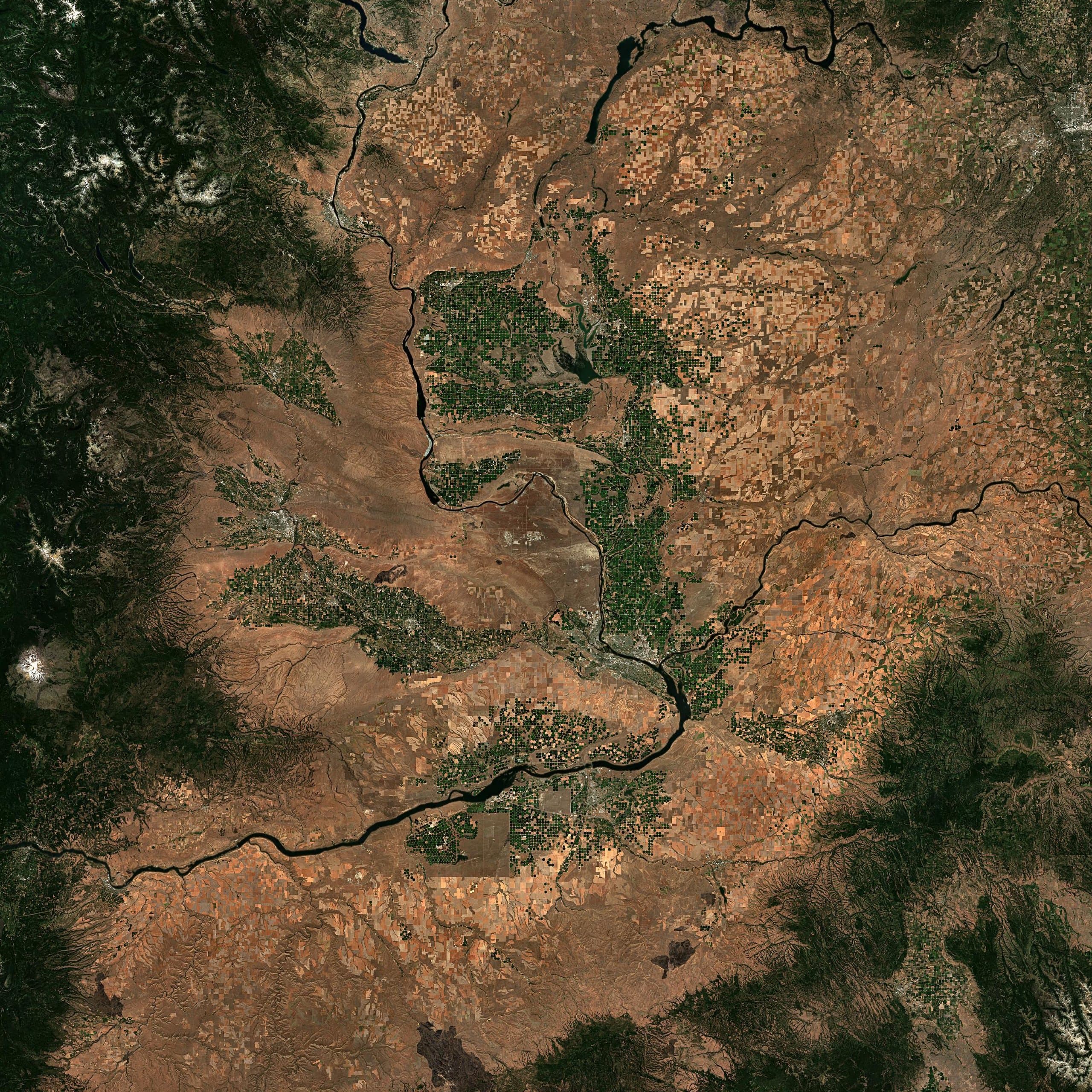
The regions of Washington State
Classification System
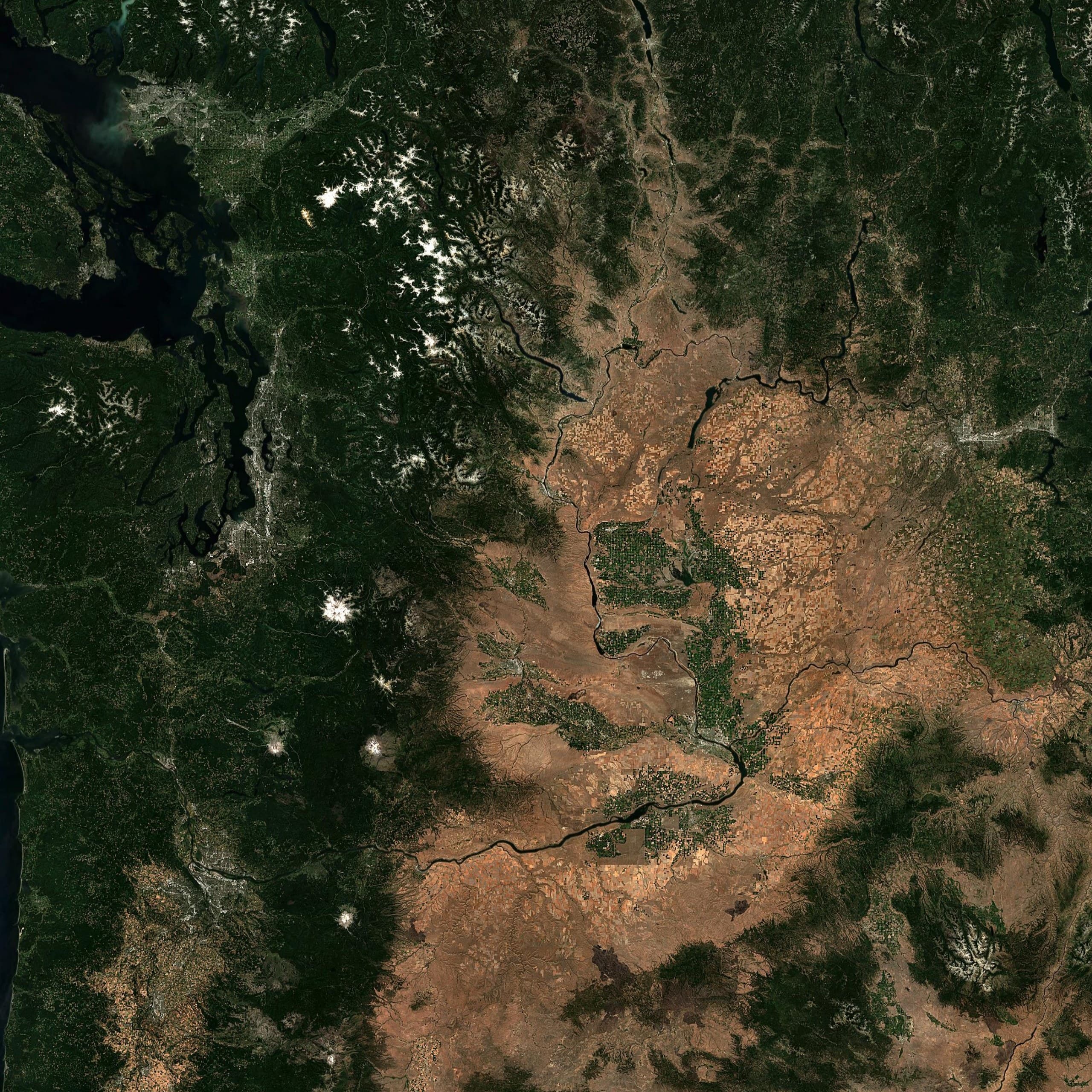
Washington uses the AVA system to define its wine regions. Columbia Valley is the dominant AVA, containing most of the state’s smaller sub-AVAs.
Sub-AVA
Smaller areas like Red Mountain within Yakima Valley
AVA
Federally recognized viticultural area
State
Washington state-level designation
What Washington State produces
Red
Cabernet Sauvignon, Merlot and Syrah: ripe dark fruit with firm structure and fresh acidity.
White
Riesling from dry to sweet, and Chardonnay with bright fruit.
Climate
Continental and close to desert east of the Cascades, with around 150 to 250 mm of rain a year. Summer days are hot and nights turn cold, which keeps acidity in ripe grapes. At around 46 degrees north the vines get about an hour more daylight than California's vineyards at the height of summer. Winters are the risk: Arctic cold snaps can damage vines every few years. The small Puget Sound area west of the mountains is the opposite, cool and wet.
Terroir
Basalt bedrock from ancient lava flows, covered by sand, silt and gravel left by the Missoula Floods at the end of the last ice age, with windblown loess on top. The soils are poor, free-draining and sandy, which kept phylloxera away for so long that nearly all vines still grow on their own roots. The pest was confirmed in Walla Walla in 2019, and growers are now starting to replant on rootstock. Slopes above the river valleys matter as much for cold air drainage as for sun.